

We’ve all heard it before. Someone crosses the street when they see a certain dog approaching. A landlord immediately says no to a rental application. An insurance company raises rates without even meeting the animal in question. The common thread? A label slapped onto a dog based purely on how it looks.
It’s 2025, and despite all the scientific evidence piling up, millions of dogs still face judgment before they ever get the chance to show who they really are. Maybe it’s time we finally admit that our obsession with categorizing dogs by breed has created more problems than it’s solved. Let’s dive in.
The Myth That Just Won’t Die
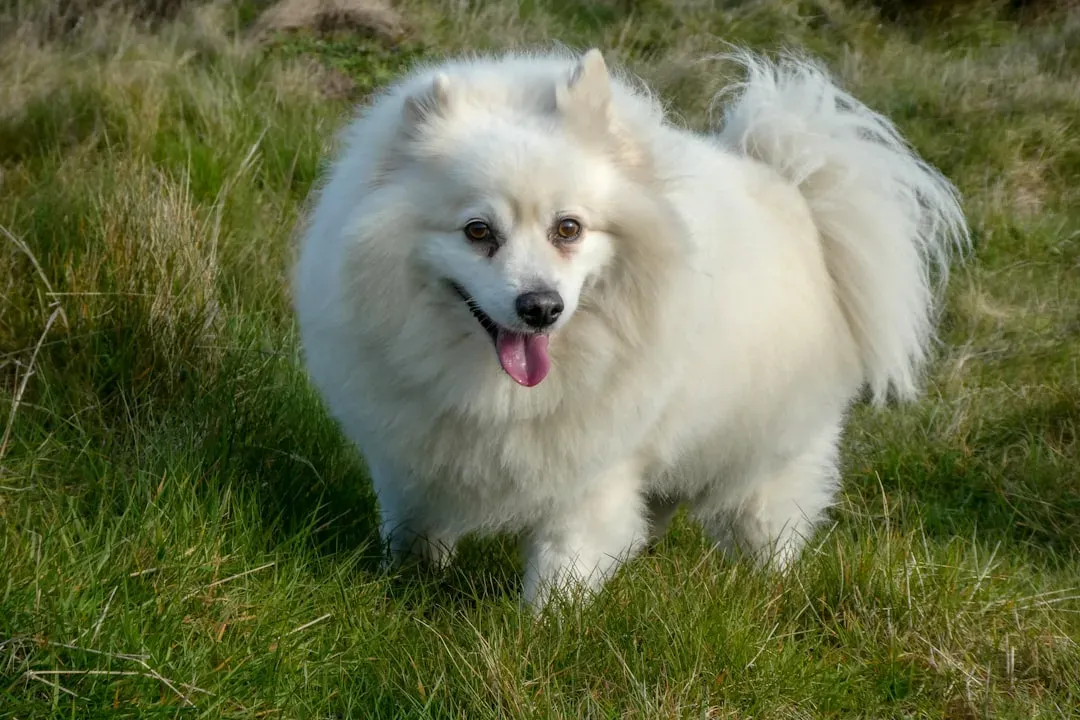
For decades, people have assumed that a dog’s breed determines its personality and behavior. Golden retrievers are supposed to be friendly, pit bulls are labeled as aggressive, and chihuahuas get tagged as yappy little terrors. These stereotypes feel like common sense to many, passed down through generations like folklore.
Studies comparing the behavior and ancestry of more than 18,000 dogs find that although ancestry does affect behavior, breed has much less to do with a dog’s personality than is generally supposed. It’s honestly surprising how deeply these myths have embedded themselves into our culture, influencing everything from housing policies to insurance rates. Though some behaviors are more likely to pop up in some breeds, breed alone cannot predict the disposition of a particular dog.
What Science Actually Tells Us

Here’s where it gets really interesting. A 2022 study in Science found that while most physical traits are tied to DNA, only 9 percent of personality traits are linked to breed, with environment playing a larger role in shaping behavior. Think about that for a second. Nine percent. That means roughly ninety percent of what makes your dog who they are has nothing to do with their breed label.
Eleven genetic regions were identified as strongly associated with dog behavior, such as howling frequency and sociability with humans, but none of these behavioral regions was specific to any one breed, and even traits that seemed breed-specific varied significantly among individual animals within the same breed. The researchers couldn’t find a single behavior present in all dogs of a certain breed. Not one. Let that sink in.
The Real Cost of Breed Discrimination
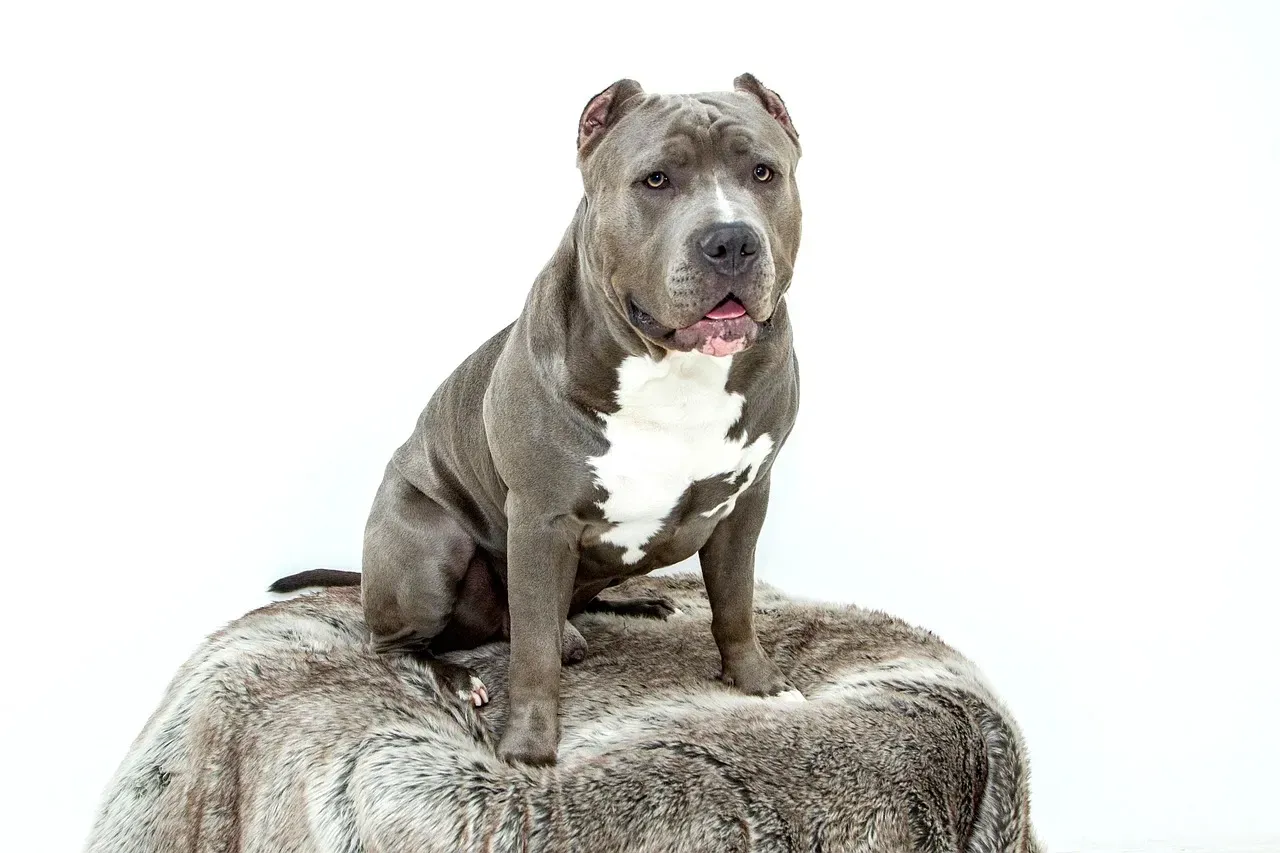
Dogs labeled as pit bull type account for more than 25 percent of all animals killed in shelters. These aren’t dangerous animals being removed from society. These are family pets, many of whom have never shown an ounce of aggression, being euthanized because of how they look.
Dogs labeled as restricted breeds are often overlooked in shelters, leading to higher euthanasia rates, and in cities or housing communities with breed bans, loving families are sometimes forced to give up their pets to comply with regulations. I think the human cost gets overlooked too often in these discussions. Children, in particular, suffer deeply when separated from their best furry friends. Families are being torn apart over laws based on outdated assumptions and fear rather than facts.
Why Breed-Specific Legislation Fails

While breed-specific legislation may look good on the surface, it is not a reliable or effective solution for dog bite prevention, and the American Veterinary Medical Association is opposed to it. The experts who actually study animal behavior and public safety have been saying this for years.
Repealing breed-specific legislation has not resulted in more dog bites in communities, and after Ohio repealed its statewide breed-based law, State Farm Insurance reported a decrease in dog-related claims in the state. The evidence is pretty clear. These laws don’t work. There is a lack of conclusive data to show specific dog breeds are drivers of claims or are more innately risky. They’re expensive to enforce, impossible to implement fairly, and they miss the actual problem entirely.
The Problem With Playing Guess the Breed

Even if we believed breed determined behavior, there’s another massive issue. Studies show that even experts, such as veterinarians and shelter staff, struggle to identify breeds accurately without genetic testing. Pit bull is not a recognized breed but is a general label for dogs with certain physical features.
So we’re making life-or-death decisions based on visual identification that even professionals can’t reliably perform. A study conducted by Maddie’s Fund showed that even people very familiar with dog breeds cannot reliably determine the primary breed of a mutt, and dogs often are incorrectly classified as pit bulls. This isn’t just unfair. It’s absurd. How many gentle, loving dogs have lost their lives or their homes because someone thought they looked a certain way?
What Actually Makes Dogs Dangerous
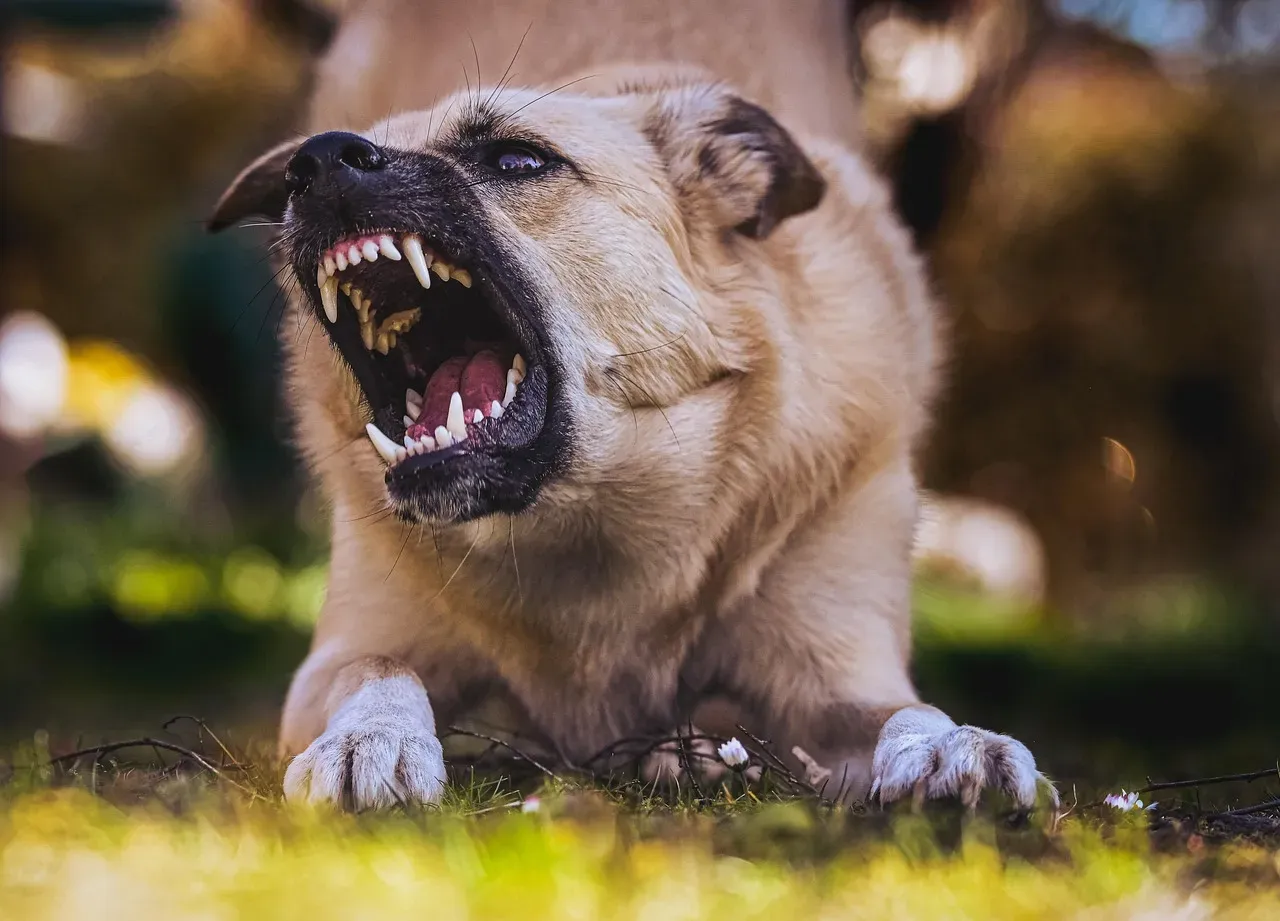
Any dog can bite, regardless of its breed, and it is the dog’s individual history, behavior, general size, number of dogs involved, and the vulnerability of the person bitten that determines the likelihood of biting and whether a dog will cause a serious bite injury. The real factors behind aggression aren’t breed labels at all.
There are a variety of factors affecting a dog’s tendency toward aggression, including heredity, early experience, socialization, training, sex and reproductive status, with risk factors across all breeds including failure to neuter or spay, breeding for elevated aggression, abuse and neglect, and inadequate training or supervision. We know what creates dangerous dogs. It’s irresponsible ownership, lack of socialization, abuse, and neglect. Yet instead of addressing those root causes, we keep pointing fingers at entire categories of animals who had no choice in how they were born.
A Better Path Forward

Research attempting to quantify the relation between breed and bite risk finds the connection to be weak or absent, while responsible ownership variables such as socialization, neutering and proper containment of dogs are much more strongly indicated as important risk factors, suggesting animal control and legislative approaches should focus on promoting responsible pet ownership rather than breed-based policies. The solution has been right in front of us this whole time.
Public support for pit bulls grew considerably from 2014 to 2024, and voters’ support for ballot measures overturning local pit bull bans increased substantially during that same ten-year period. People are waking up to the reality that breed discrimination doesn’t make communities safer. It just punishes innocent animals and the families who love them. Anti-BSL laws have been passed in 21 of the 50 state-level governments, prohibiting or restricting the ability of jurisdictions within those states to enact or enforce breed-specific legislation.
Conclusion: Judging Hearts, Not Looks

The evidence is overwhelming. Breed doesn’t determine personality. BSL doesn’t work. Visual identification is unreliable. The factors that actually create dangerous dogs have nothing to do with breed labels. Every credible veterinary organization, animal welfare group, and scientific body studying this issue has reached the same conclusion.
Personality is shaped by a combination of factors including environment, and genetics are a nudge in a given direction rather than a destiny, something that has been known for a long time in human studies and is now proven true for dogs. Each dog is an individual with their own personality, shaped by their experiences, training, and the love they receive.
Maybe it’s time we started treating them that way. What would happen if we judged dogs by their actions instead of their appearance? What do you think – are you ready to give every dog a fair chance?


