

We’ve all heard it. “My dog just won’t listen.” “He’s so stubborn.” “She’s too hyper to train.” Sound familiar? Here’s the thing though. Your dog isn’t broken. Your approach might be.
I get it, raising a dog can feel overwhelming sometimes. You watch other owners with their perfectly behaved pups and wonder what secret they know that you don’t. Spoiler alert: there’s no magic trick. Just better methods. The truth is, most training problems aren’t about your dog’s personality or intelligence. They’re about how we’re teaching them. So let’s dive in and figure out where things might be going wrong, and more importantly, how to fix it.
You’re Being Inconsistent Without Even Realizing It
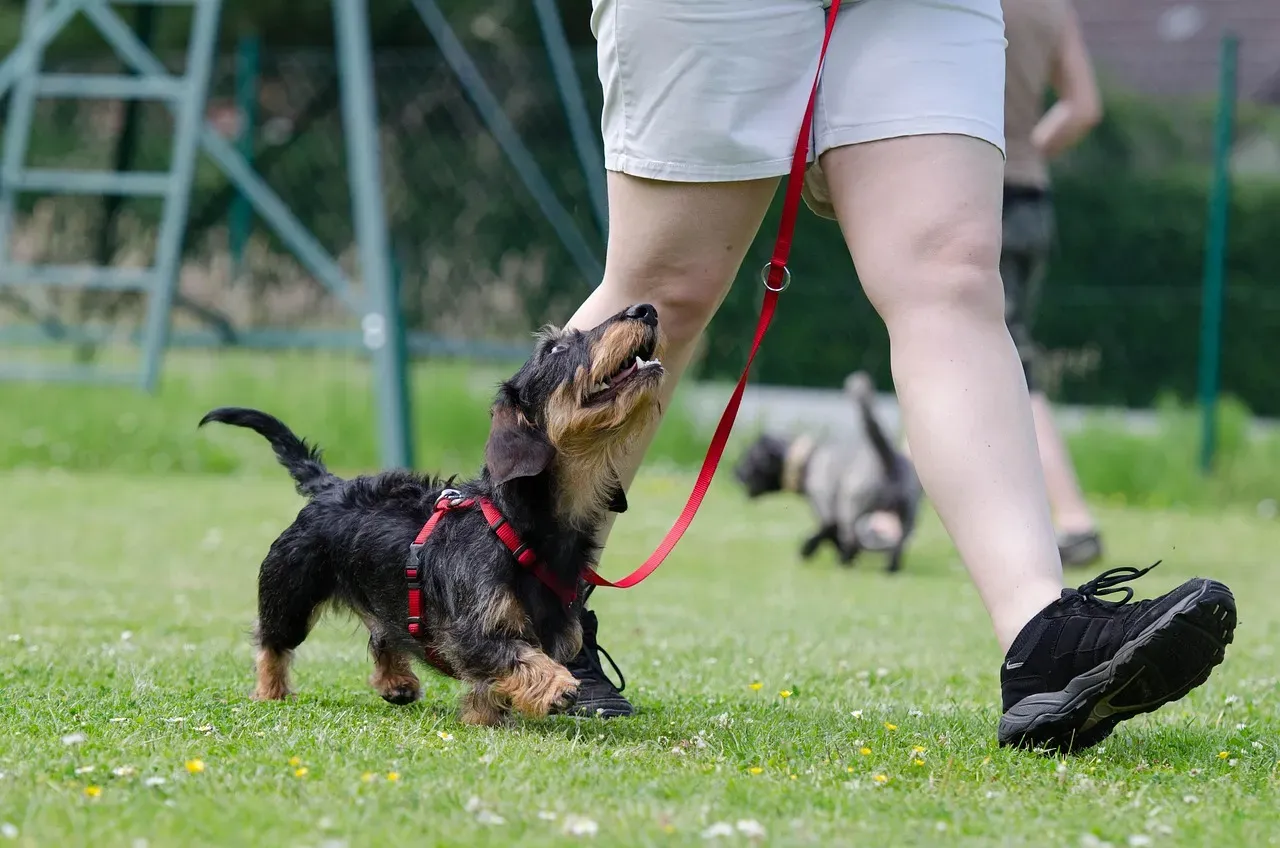
Dogs learn best when commands and rules remain the same, yet many owners inadvertently confuse their pets by allowing certain behaviors one day and correcting them the next. Think about it this way: if your dog jumps on the couch on Monday and you cuddle them, but on Wednesday you scold them for the exact same behavior, what message are they getting? Nothing. Just confusion.
Inconsistent owner behavior, where you react with rewarding or punishing responses to the same behavior on different occasions, correlates with increased behavior problems. Your dog isn’t trying to be difficult. They’re trying to figure out rules that keep changing. This applies to everyone in your household too. If one family member lets the dog beg at the table while another reprimands them, you’re setting your pup up for failure.
The fix? Sit down with everyone who interacts with your dog. Write down the rules. Yes, actually write them down. “No furniture” means no furniture, period. Not sometimes, not just when guests are over. Use the same command words each time and ensure all family members follow the same rules and commands.
Your Timing Is Off And It’s Sabotaging Everything
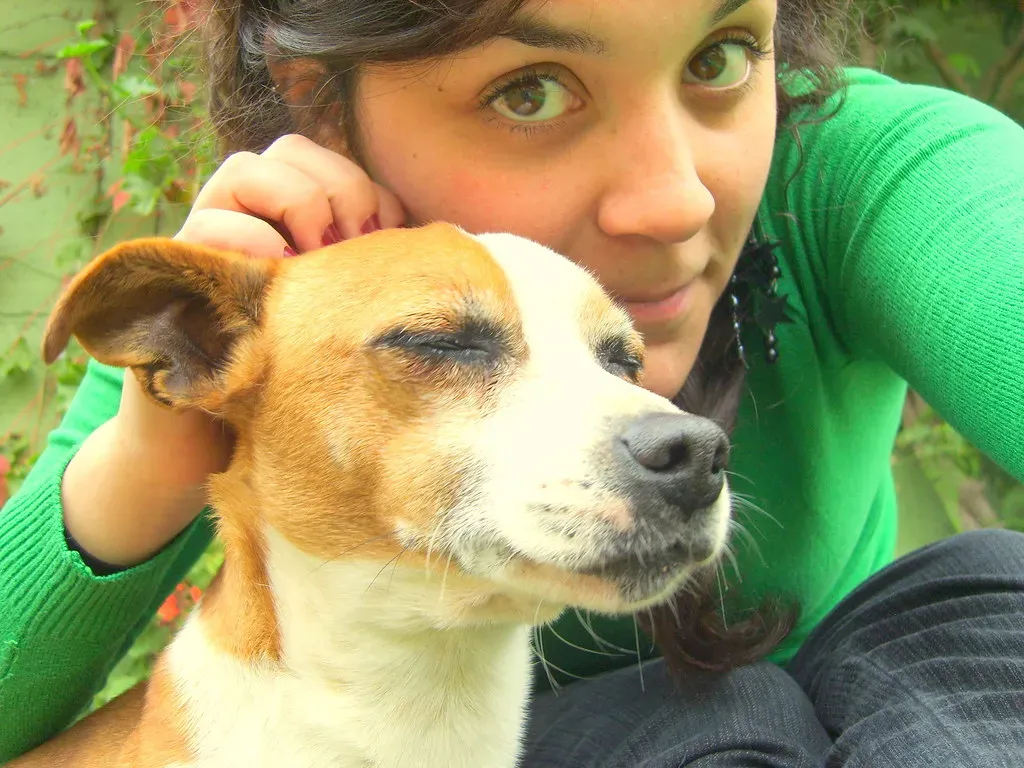
Let’s be real for a second. Positive reinforcement must be given immediately following the positive behavior, so the dog associates the reward with their actions. If you wait even five seconds too long to reward your dog for sitting, they’ve already moved on mentally. They might think they’re being rewarded for looking at a bird or sniffing the ground.
Dogs live in the moment. Their brains don’t work like ours when it comes to connecting actions to consequences over time. When your dog pees on the carpet and you discover it an hour later, yelling at them does absolutely nothing except make them afraid of you. Dogs can easily misconstrue what they’ve done wrong with punishment, potentially interpreting scolding for a carpet accident as meaning it’s not acceptable to eliminate in that spot, leading them to hide accidents elsewhere.
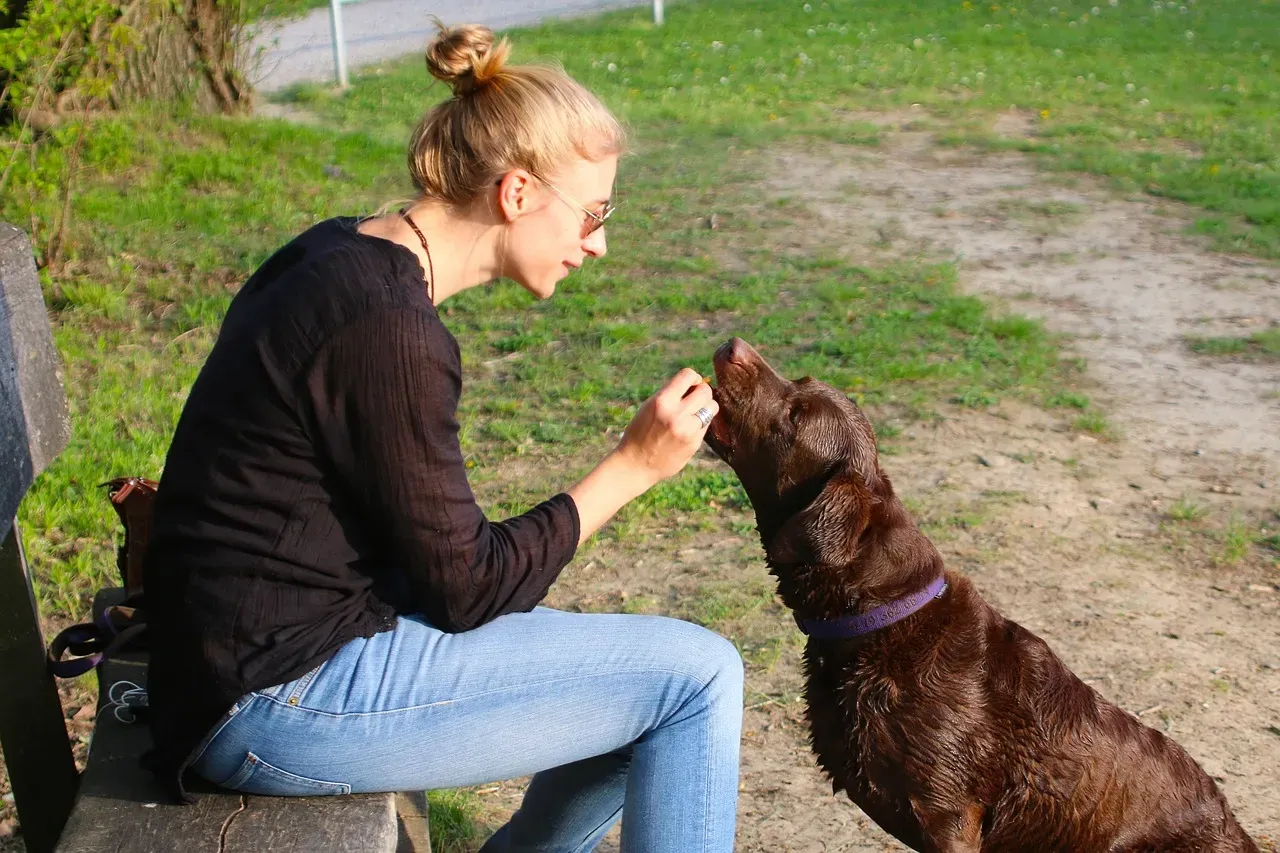
The solution is simple but requires attention. Keep treats handy. Stay focused during training sessions. Pay close attention so you can give your dog the reward right away, as soon as they do the behavior, because research shows it’s important to be quick in dog training. Mark the exact moment they do something right with a word like “yes” or a clicker, then immediately follow with the reward.
You’re Using Punishment When You Should Be Rewarding
This one’s a tough pill to swallow, but it needs to be said. Studies show that dogs trained with reward-based methods display better obedience and fewer behavioral problems than those trained with punishment or aversive techniques. Yet so many people still resort to yelling, leash jerks, or intimidation when their dog doesn’t comply.
Here’s what actually happens when you use punishment-based methods. Dogs from aversive-based training groups displayed more stress-related behaviors, were more frequently in tense and low behavioral states during training, showed higher post-training increases in cortisol levels, and were more pessimistic in cognitive bias tasks. Translation? You’re making your dog anxious, fearful, and less able to learn.
Punishment-based training damages the human-animal bond and leads to mistrust, pain, fear, and agitation, much like if someone scared or hurt you to stop a behavior, you’d likely stop but wouldn’t respect or trust that person. Honestly, would you want to work for a boss who screamed at you every time you made a mistake? Probably not. Your dog feels the same way.
Instead, focus on what your dog does right. Set up your dog for success and reward their accomplishments generously and frequently, because behaviors that are reinforced are repeated. Redirect unwanted behaviors and lavishly reward the correct ones. It might take a bit longer, but the results last and your relationship with your dog will be stronger for it.
You’re Not Practicing Enough Between Sessions
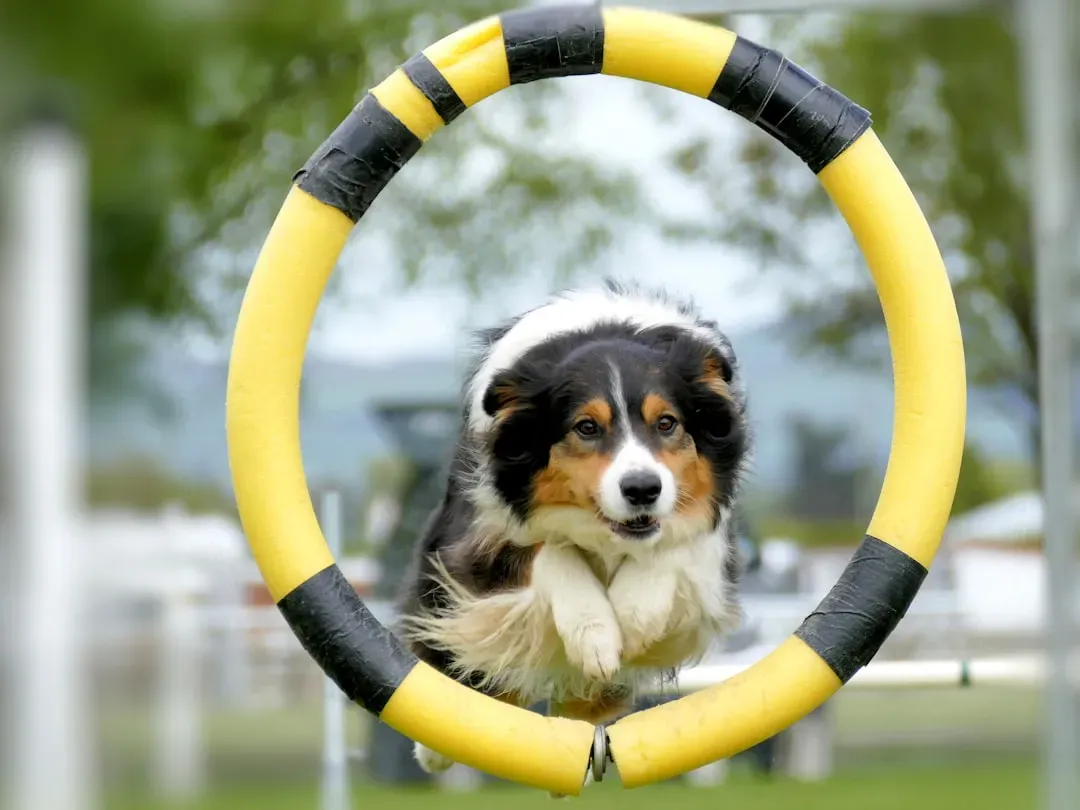
Failing to practice between training classes is a big mistake owners make, because if you attend a class once a week, that’s not enough time to create a well-behaved dog. Think of it like learning a language. You can’t just go to one lesson per week and expect fluency without practicing at home.
Dogs have the mentality of a human toddler with short attention spans, so practice every day but for brief stretches, with most pups having better success with five to ten minute sessions. Short and sweet is the name of the game. Three five-minute sessions throughout the day will do more for your dog’s learning than one exhausting thirty-minute marathon.
The beauty of this approach is that it fits into your daily routine. Practice “sit” before meals. Work on “stay” while you’re making coffee. Train recall in the backyard before dinner. Daily practice is essential, but sessions should be short, and integrating training into daily routines by practicing commands before meals, during walks, or while playing consistently reinforces learning and strengthens your bond.
Make it a game. Keep it fun. If you’re getting frustrated, stop. Your dog can sense your mood and training when you’re stressed or angry will backfire. Trust me on this one.
You’re Ignoring What Your Dog Is Telling You

Stressed dogs communicate through body language that’s important for humans to understand, and learning dog warning signs can help prevent dangerous situations. Your dog is talking to you constantly, but are you listening? When your dog yawns repeatedly during a training session, that’s not boredom. Stress signs include whale eye (when dogs reveal the whites of their eyes), tucked ears or tail, raised hackles, lip-licking, yawning, and panting.
The tail tucked between the legs signifies a stressed-out dog, and uneasy pups might also curl tightly into a fetal position, crouch low to the ground, or become extremely tense and rigid while remaining standing, commonly referred to as fear freezing. When you see these signals, you need to dial things back immediately. Pushing through when your dog is this stressed will only create negative associations with training.
Pay attention to context too. If your dog yawns repeatedly in a noisy waiting room, during a training session, or while being hugged by a stranger, it’s less about sleepiness and more about unease, and learning to read the situation around the signal tells you what your dog is really saying.
The goal isn’t just obedience. It’s a confident, happy dog who trusts you. Dogs thrive when they feel safe and supported, and positive reinforcement provides the best learning experience for them. When you notice stress signals, take a break. Lower the difficulty level. End on a positive note with something your dog can easily succeed at.
Final Thoughts
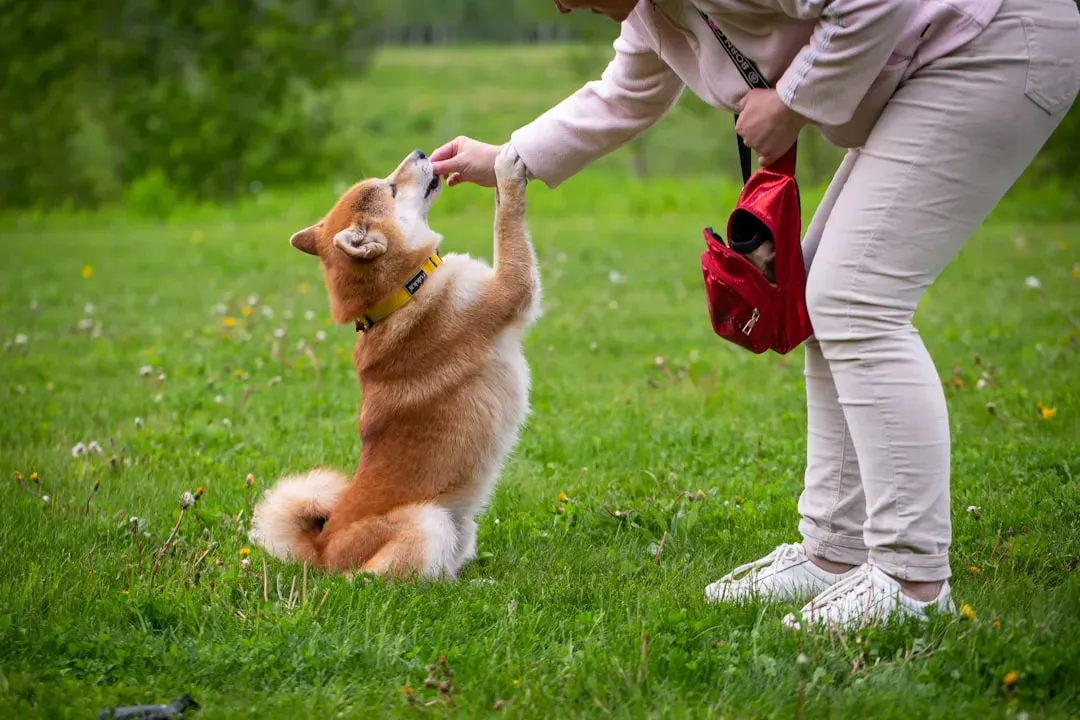
Look, training isn’t always easy. There will be setbacks and frustrating moments. That’s completely normal. The difference between success and failure often comes down to recognizing that when things aren’t working, it’s time to change your approach, not blame your dog.
Many behavioral problems stem from lack of training, socialization, or underlying health concerns, but with patience, consistency, and the right approach, most behavior problems can be corrected. Your dog wants to please you. They want to understand what you’re asking. Give them clear, consistent communication, positive reinforcement, and the time they need to learn.
So what do you think? Have you been making any of these mistakes? Here’s the good news: now you know better, and you can do better. Your dog is counting on you to be their teacher, their advocate, and their biggest supporter. You’ve got this.


