
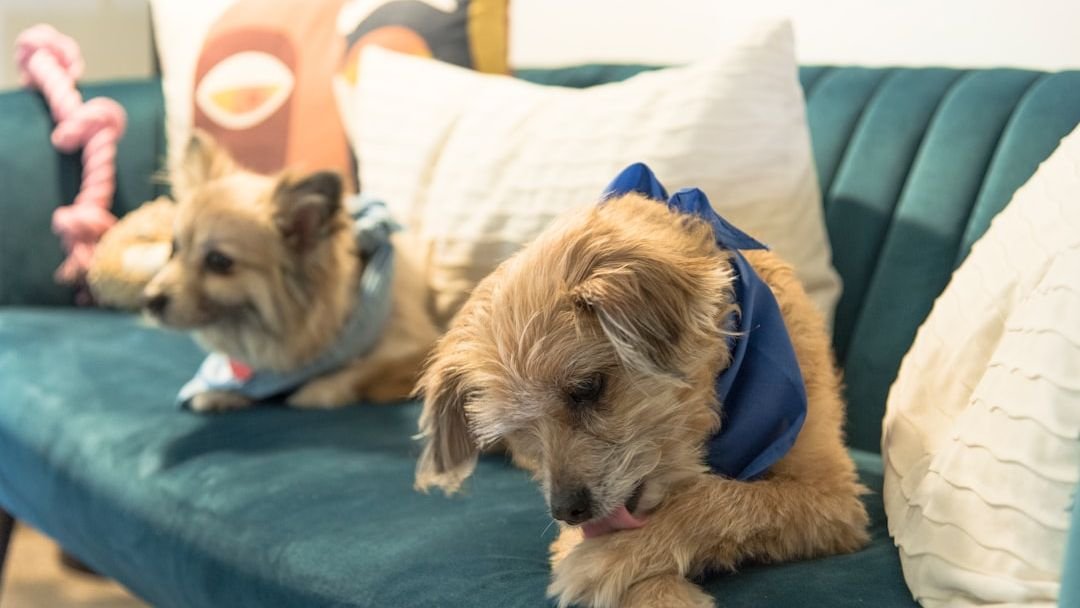
Have you ever looked at your pup and felt like they were desperately trying to tell you something? That lingering stare, that odd little gesture you brushed off as nothing. The truth is, your dog is constantly communicating with you, but most of us miss the most crucial messages because they’re whispered, not shouted.
Dogs don’t have the luxury of words. They rely entirely on body language, and honestly, they’re brilliant at it. The problem isn’t them, it’s us. We overlook the subtle cues that come before the obvious ones, like growling or barking. I think we owe it to our four-legged companions to tune in better, to really see them. So let’s dive into five often-missed signals that your dog might be sending you right now, ones that could mean the difference between a quick fix and a bigger problem down the road.
That Strange Lip-Licking When There’s No Food Around
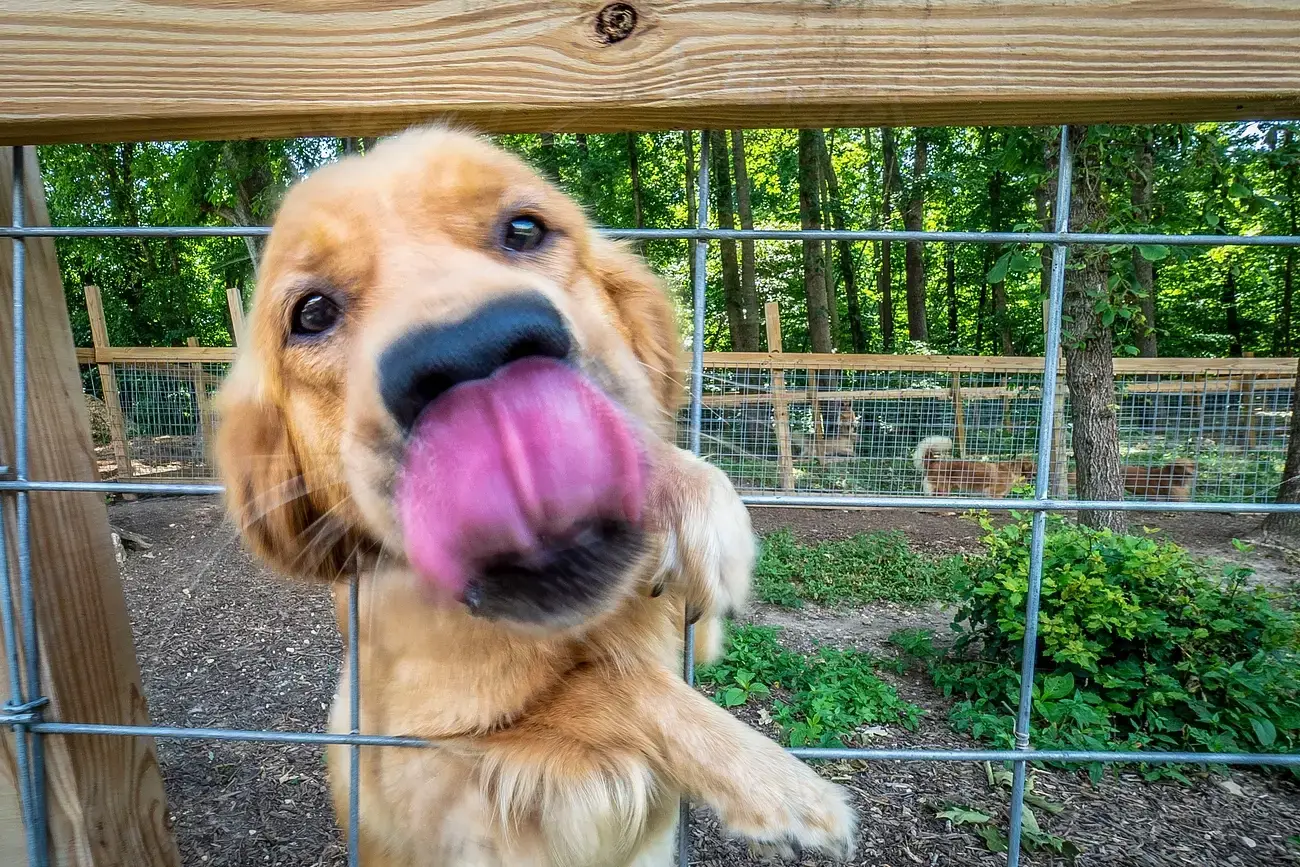
Dogs will lick their lips after a delicious meal, but they’ll also do it when they feel anxious. Sometimes the tongue flick is so quick it’s tricky to notice.
This isn’t about hunger. When your dog suddenly starts licking their lips during a vet visit, when strangers approach, or even during training sessions, it’s a calming signal. This behavior is a calming signal that dogs use to self-soothe when they’re feeling anxious or to communicate peaceful intentions to others. Think of it as their way of saying, let’s all just relax here, I’m uncomfortable.
Watch for this during training sessions – if your dog is lip licking frequently, they may be stressed by the training method or environment. If you notice this happening repeatedly in certain situations, your dog is telling you loud and clear that something about that moment doesn’t sit right with them. Pay attention, adjust the situation, and give them space.
Yawning in the Middle of the Day When They’re Not Tired
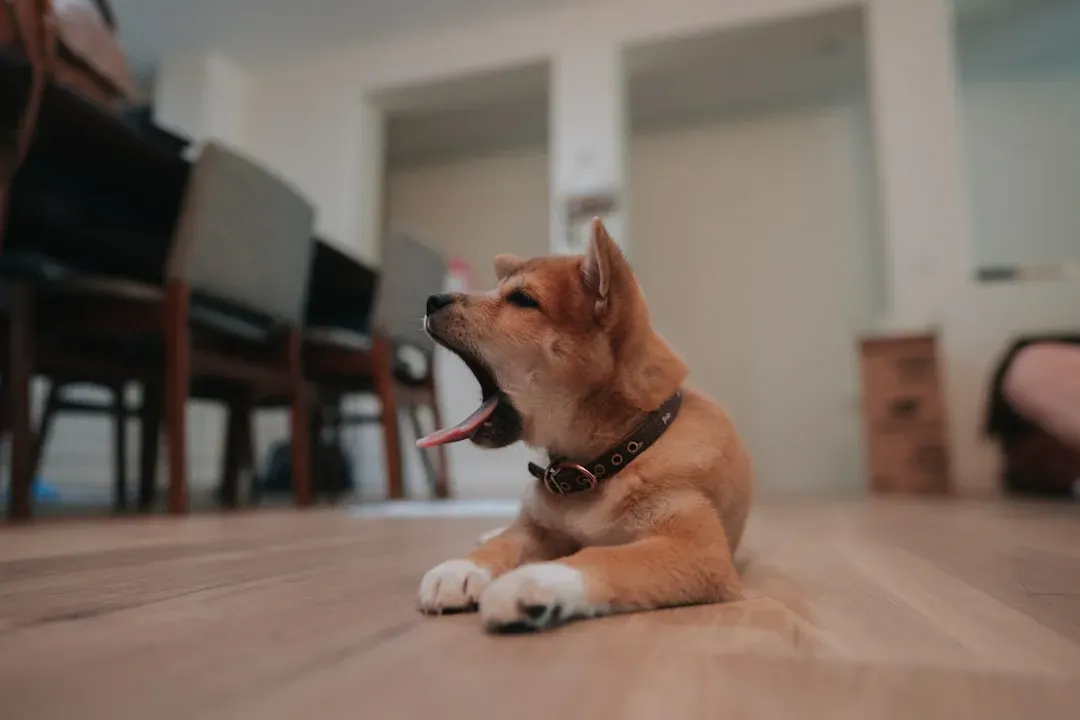
Here’s the thing. We yawn when we’re sleepy. Dogs yawn when they’re stressed. People yawn when they’re tired or bored, but dogs yawn when they’re stressed.
Stress-induced yawning is different – it often occurs in situations where the dog is clearly not tired and serves as a displacement behavior to cope with tension. You might see this at the groomer, during a tense interaction with another dog, or when you’re raising your voice. It’s not boredom, it’s a coping mechanism.
A wide-awake dog who yawns may be experiencing stress. This is a common signal that they’re feeling nervous or worried. Let’s be real, how many times have you dismissed a yawn as nothing? Next time, pause and ask yourself what might be making your dog uneasy. That simple shift in awareness could prevent a stressful situation from escalating.
The Subtle Freeze Before the Growl
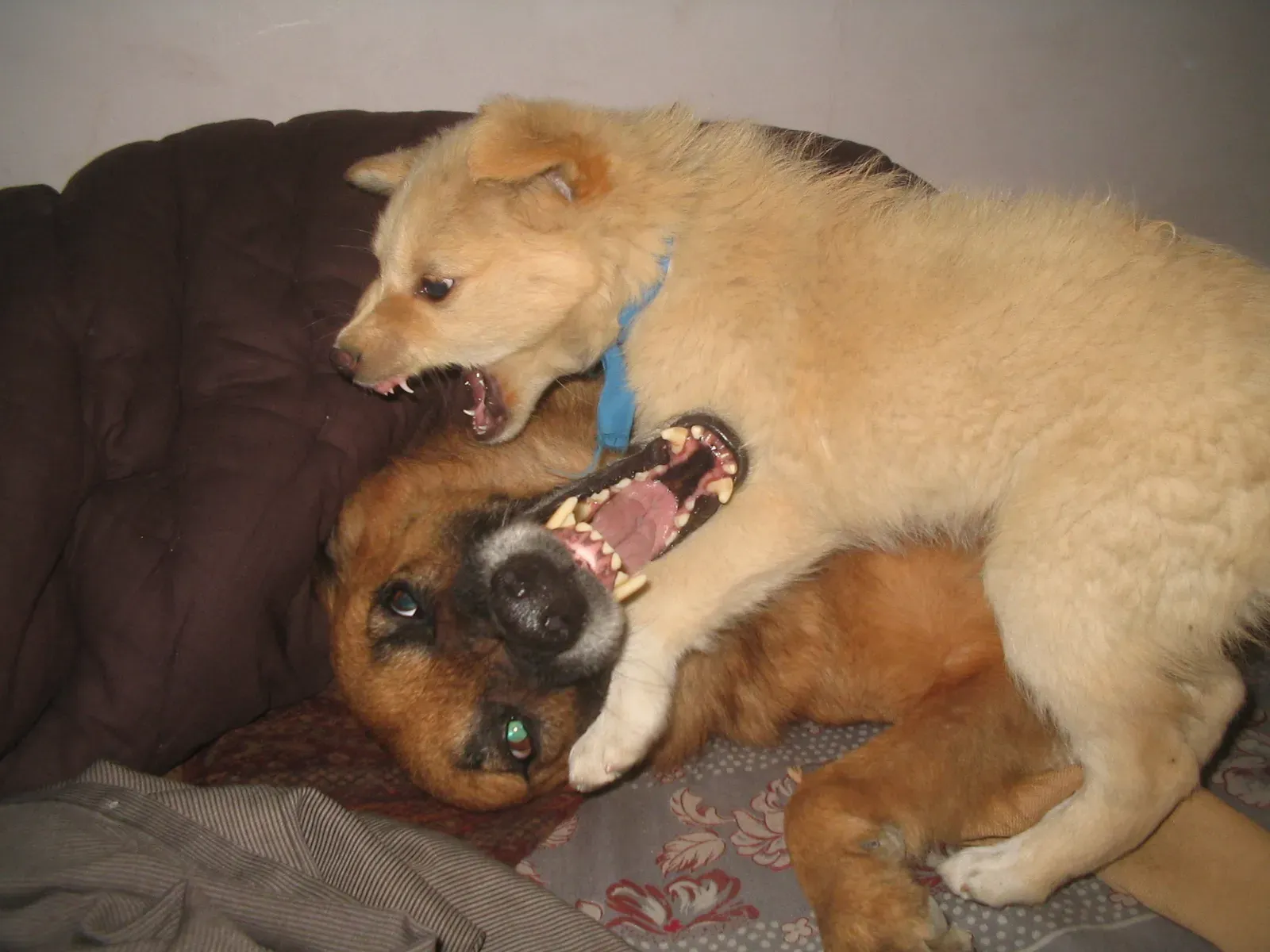
Most people wait for a growl to know their dog is uncomfortable. That’s already a late-stage warning. Brief body freezing – the dog is still for one or two seconds before reacting or moving. Body freezing – the dog freezes until the threat goes away or he decides to defend himself or run away.
When your dog suddenly goes still, it’s not just a random pause. A dog freezes if they’re scared or guarding something, such as food or a toy, or if they feel cornered. This is a low-level warning sign on the ladder of dog aggression. Not respecting this warning can lead to escalation of growling, snapping, and potentially biting.
Think about it like this. If someone made you uncomfortable and you tensed up, that’s your body preparing to protect itself. Dogs do the exact same thing. The freeze is their first line of defense, a quiet plea for you to back off or change what’s happening. Ignore it, and you’re forcing them to escalate. Respect it, and you’re showing them you understand their language.
Excessive Paw Licking or Chewing
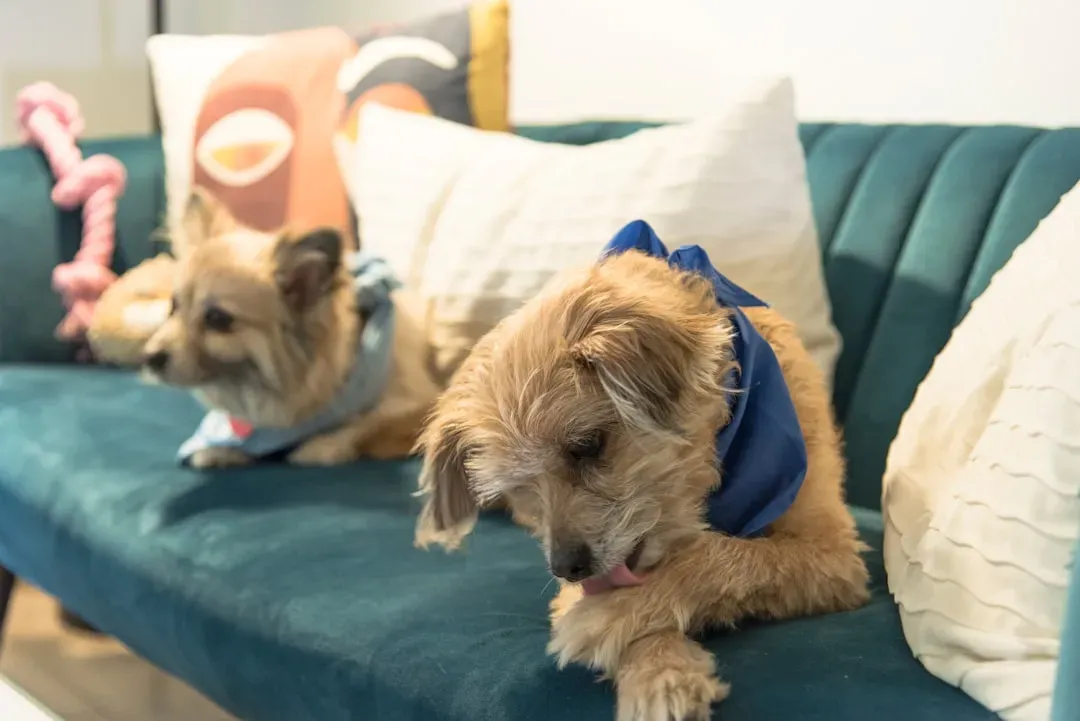
Repeated licking of paws or chewing at their skin is often misattributed to boredom or anxiety. In truth, this behavior is frequently associated with skin allergies, itching, or even gut imbalances.
Sure, sometimes dogs lick their paws after a walk. That’s normal grooming. The problem starts when it becomes obsessive, when they’re doing it for minutes on end or creating raw spots on their skin. If your pup suddenly starts licking themselves excessively, it could be a sign that they’re in pain or overly anxious.
This is one of those signs that’s easy to overlook because it seems harmless at first. It’s hard to say for sure, but I think this is also one of the most important signals to catch early. Left unchecked, excessive licking can lead to infections, hair loss, and deeper health issues. Your dog might be dealing with allergies, discomfort, or even emotional distress. Either way, it’s worth a conversation with your vet and a closer look at what’s triggering the behavior.
Avoidance and Looking Away
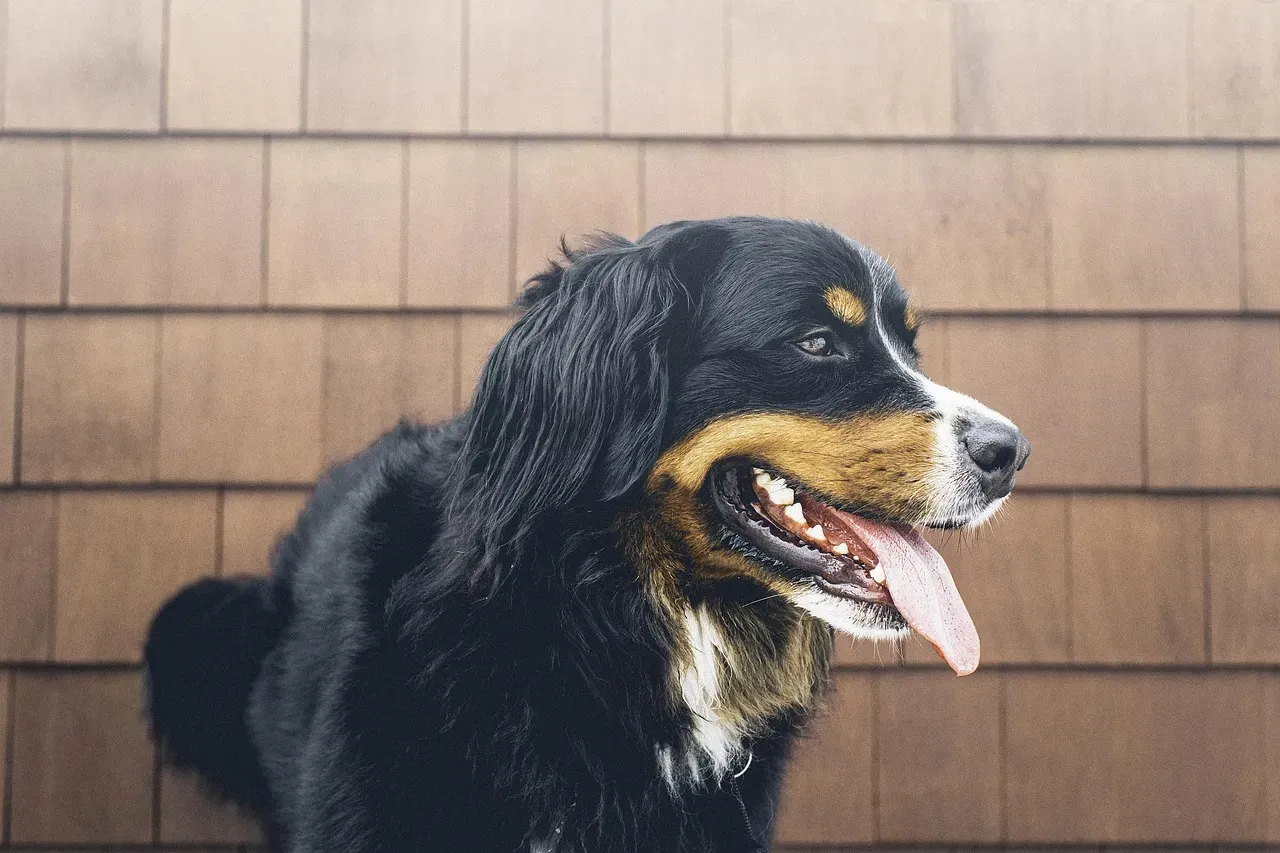
The most subtle signal is the avoidance of direct eye contact (aversion of the eyes). This is a very significant gesture since the opposite of which (a direct stare) communicates a threat. It signals that the dog is putting itself at risk by not visually following a circumstance that could change rapidly.
When your dog turns their head away, looks to the side, or completely avoids eye contact, they’re not being rude. They’re being polite in dog language. Head turn – the dog turns his head away from something or someone as a gesture of appeasement. It’s a way of defusing tension and saying, I’m not a threat, please don’t hurt me.
Honestly, this one breaks my heart a little because we often interpret it wrong. We think they’re ignoring us or being stubborn when really, they’re trying so hard to keep the peace. When faced with an unwelcome situation, dogs may “escape” by focusing on something else. They may sniff or dig the ground, lick their genitals, or simply turn away. Ignoring someone may not be polite, but it is surely better than being aggressive. If your dog is consistently avoiding eye contact in certain situations, respect that boundary and work to make them feel safer.
Conclusion
Learning to read your dog’s subtle signals isn’t just about being a better pet parent. It’s about honoring the trust they’ve placed in you. Dogs don’t have words, but they have a whole vocabulary we often overlook. The lip licks, the yawns, the freezes, the avoidance, they’re all part of a conversation your dog is having with you every single day.
The more you tune in, the stronger your bond becomes. You’ll catch problems before they escalate, reduce your dog’s anxiety, and create a home where they feel truly understood. So take a moment today to just watch your dog. Notice the little things. You might be surprised by how much they’ve been trying to tell you all along.
What subtle sign has your dog been showing you lately? Have you noticed any of these signals in your furry friend?


