
You know that feeling when something just seems off with your dog, even though you can’t quite put your finger on what it is? Maybe they’re moving a little slower. Maybe they hesitated before jumping onto the couch. It’s easy to tell yourself you’re overthinking things or that it’s just part of getting older.
Here’s the thing, though. Pets are masters at hiding pain and discomfort, making it tricky to know when something’s genuinely wrong. Our dogs have inherited this survival instinct from their wild ancestors, who couldn’t afford to show weakness. That same protective mechanism means your furry friend might be dealing with a health issue long before you realize it. The good news is that once you know what subtle signs to watch for, you can catch problems early and give your dog the care they need before things get serious. So let’s get started.
Subtle Behavior Shifts That Speak Volumes

Let’s be honest, your dog can’t sit you down and explain that they’re not feeling great. Instead, they communicate through behavior, and those changes can be incredibly subtle at first.
Behavior is often one of the first things to shift when a dog isn’t well. Maybe your normally social pup suddenly prefers to be alone, retreating to quiet corners of the house. Or perhaps your independent dog has become unusually clingy, following you from room to room like a shadow.
Pain is one of the most common physical reasons for behavioral changes in dogs. For instance, a dog who’s developing arthritis may seem more tired than normal or could appear grumpy when moved. That formerly sweet disposition might shift to irritability, especially when you touch certain areas of their body. Some dogs even display aggression that seems to come out of nowhere, simply because they’re hurting and trying to protect themselves.
Think about the last time you had a splitting headache or threw your back out. You probably weren’t your usual cheerful self, right? Our dogs experience the same thing. Is your playful pooch suddenly sluggish? Is your normally cuddly kitty hiding in the closet? These changes often reflect discomfort, pain, or stress.
Changes in Appetite and Eating Habits

Notice your dog pushing their food bowl around the kitchen floor without actually eating? Appetite changes are one of those red flags that’s surprisingly easy to miss, especially if it happens gradually.
A sudden increase or decrease in appetite can signal various health issues, from dental problems and gastrointestinal disorders to systemic diseases. Your dog might start sniffing their food and walking away, or they might seem ravenously hungry all the time.
I think what makes this particularly tricky is that we often assume our dogs are just being picky. We start offering different foods, adding tasty toppers, or switching brands entirely. Often, when a dog with a good appetite becomes finicky, his people figure he’s probably bored with what he’s eating. This can certainly be the case, but in my experience, a change in appetite is more often associated with an underlying gastrointestinal issue.
Dental disease is another culprit that frequently flies under the radar. Dental disease is one of the most common – and most overlooked – health issues in pets. According to the American Veterinary Medical Association (AVMA), more than 80 percent of dogs and 70 percent of cats show signs of dental disease by age three. When chewing becomes painful, your dog might drop food, chew on only one side of their mouth, or avoid their beloved crunchy treats altogether.
Unusual Mobility and Movement Patterns

This one really tugs at my heart because it can sneak up so gradually that you might not notice until things have progressed quite a bit. Your dog doesn’t suddenly refuse to climb stairs. First, they might just pause at the bottom, gathering themselves before attempting the climb.
Stiffness, limping, or difficulty rising could signal joint problems, arthritis, or injury. Maybe they’re sleeping on the floor now instead of hopping onto the bed. Perhaps they’ve stopped greeting you at the door with their usual enthusiasm, not because they’re less excited to see you, but because getting up quickly has become uncomfortable.
Even subtle signs like avoiding stairs or not jumping up can indicate discomfort. These dogs might sit down during walks when they never used to, or they might show reluctance when you reach for the leash. What looks like stubbornness or laziness can actually be your dog’s way of saying that movement hurts.
Watch how your dog gets up from a lying position. Do they struggle to stand? Do they need a moment to stretch before they can walk properly? These aren’t just signs of normal aging that you should accept. They’re early warnings that your dog needs help, whether through pain management, supplements, physical therapy, or medical intervention.
Shifts in Drinking and Bathroom Habits
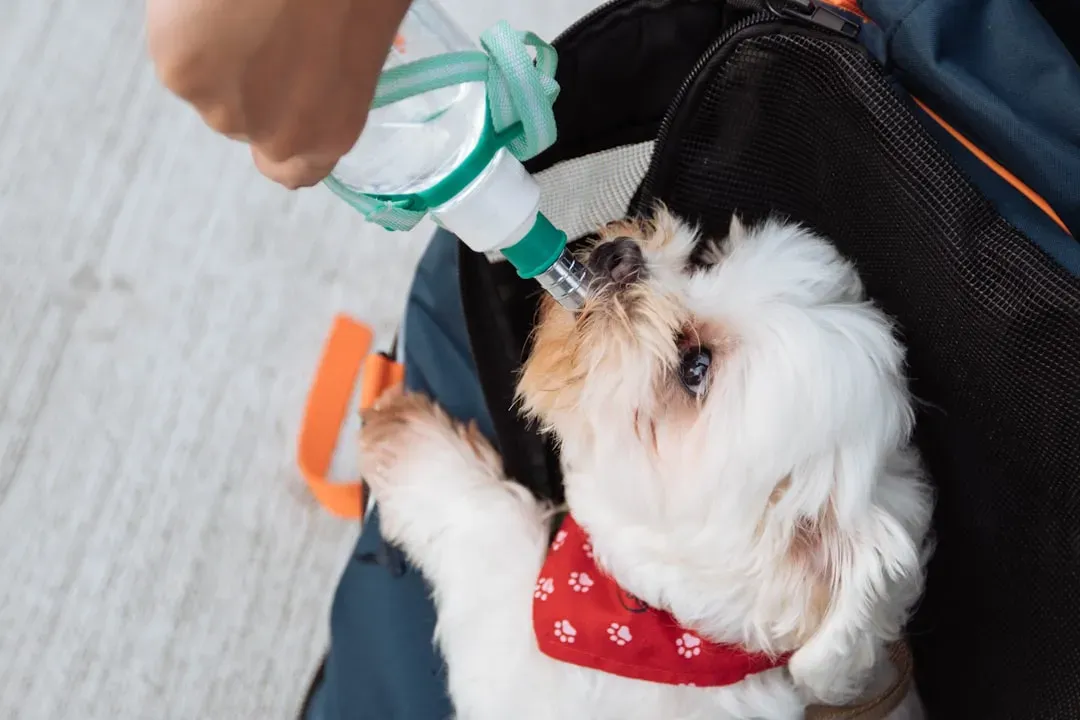
Here’s something that catches a lot of people off guard. You might notice you’re filling the water bowl more often than usual, or maybe your perfectly house-trained dog has had a few accidents lately.
Increased thirst or frequent urination may point to conditions such as diabetes, kidney disease, or urinary tract infections. These symptoms go hand in hand because when your dog drinks more, they naturally need to eliminate more frequently. It’s hard to say for sure whether your dog is just thirsty or dealing with something more serious, which is why veterinary testing becomes so important.
When it comes to observing changes in your pet’s bathroom habits, it is crucial to pay attention. Look for alterations in their urination and defecation patterns. Any sudden increase or decrease in frequency, difficulty or discomfort during elimination can be a sign of an underlying health issue. Maybe your dog is straining to urinate, or their stool consistency has changed dramatically.
Honestly, talking about bathroom habits isn’t the most glamorous topic, but it’s one of the most revealing when it comes to your dog’s health. Keep a mental note of what’s normal for your pup. How many times do they typically go out each day? What does their urine look like? Is their stool firm or loose? These baseline observations make it much easier to spot when something has changed.
Conclusion
Early detection of your pet’s illness can significantly impact their treatment and prognosis. Identifying symptoms at an early stage enables prompt veterinary care, potentially preventing the progression of a serious condition. The truth is, your dog depends on you to be their voice and their advocate.
Those subtle shifts you might be tempted to brush off as nothing? They matter. That slight hesitation before jumping, that new habit of drinking more water, that sudden preference for solitude, they’re all your dog’s way of communicating with you. Trust your instincts when something feels different.
The beautiful thing about catching health issues early is that treatment is often simpler, less invasive, and more successful. You’re not being an overprotective pet parent by scheduling that vet appointment. You’re being exactly the kind of loving guardian your dog needs.
What changes have you noticed in your own dog recently? Are there any subtle signs you might have overlooked? Share your experiences in the comments below, because your story might just help another dog lover recognize those early warning signs in their own furry companion.


