
You’ve probably felt it before. That twisting, anxious feeling when your dog pulls on the leash again, ignores your recall, or jumps on guests for the hundredth time. You scroll through training videos, read conflicting advice, and wonder if you’re doing it all wrong.
Here’s the thing: training doesn’t have to be complicated. Sometimes we get so tangled up in methods, techniques, and tools that we forget the most powerful thing we have. Our kindness. Dogs aren’t machines waiting for the right command. They’re living, breathing beings who learn best when they feel safe, understood, and loved.
Your Dog Isn’t Defying You, They’re Just Learning
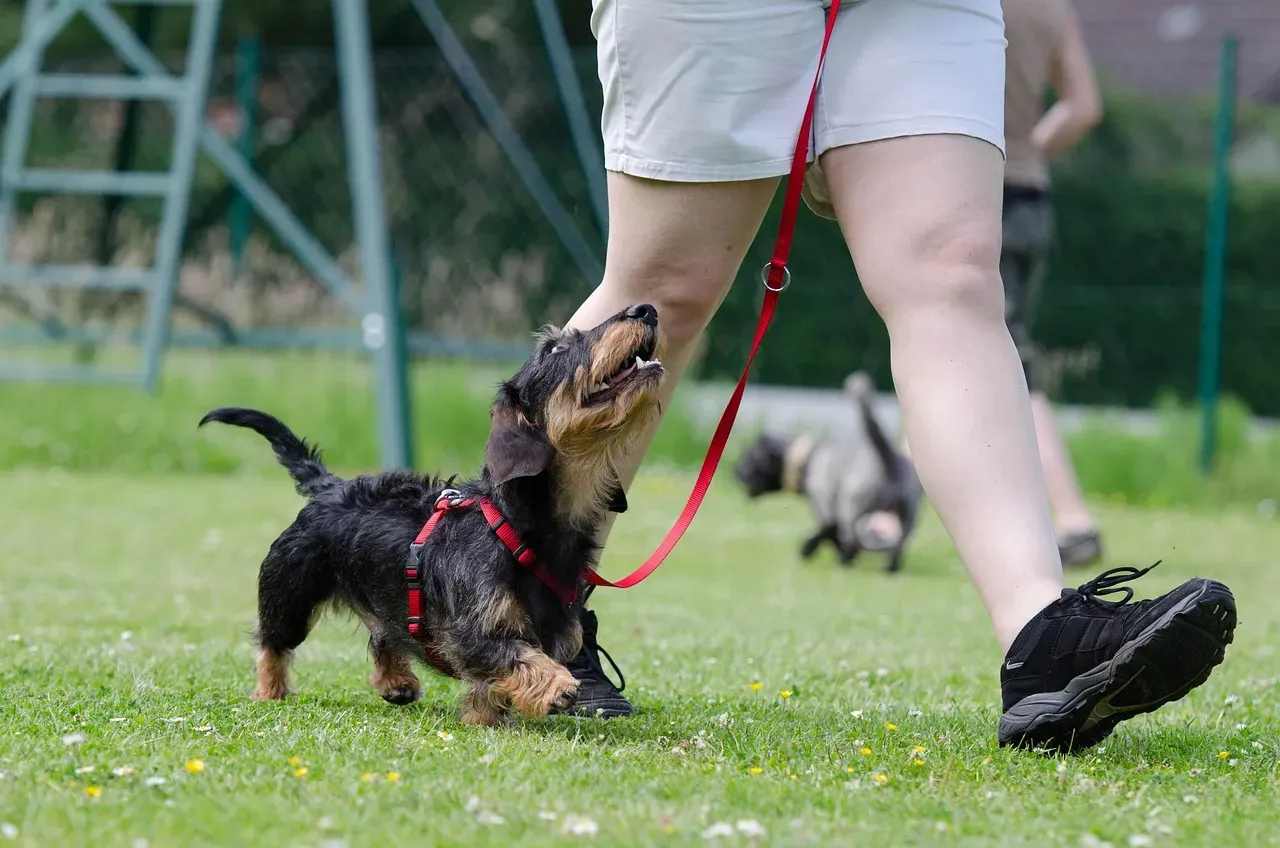
The strongest relationships between dogs and humans are based on cooperation and kindness rather than on human dominance and animal submission. When your dog doesn’t respond the way you hoped, it’s rarely about stubbornness or spite. Dogs don’t wake up planning to make your day harder.
Think about it like learning a new language in a foreign country. You’d want a patient teacher, not someone yelling or yanking you around when you make mistakes. Animals, much like humans, respond better to encouragement and love than to fear and punishment, and reward-based pet training creates a positive environment, reducing the chances of anxiety, stress, or fear.
Your dog is trying to understand your world. Every time they get something right, they’re making a connection. That connection strengthens when met with warmth, not frustration.
What Science Actually Tells Us About Training Methods
Let’s talk about what researchers have discovered. Dogs trained with aversive stimuli displayed more stress behaviors during training, showed higher elevations in cortisol levels after training and were more ‘pessimistic’ in a cognitive bias task than dogs trained with reward methods.
The studies are pretty clear on this. Dogs trained using only positive reinforcement are more obedient than dogs trained with punishment. I know some folks still believe you need to be “tough” on dogs, but honestly, the data doesn’t support that anymore.
Dogs trained using aversive and mixed methods exhibited more stress-related behaviors and a bigger rise in cortisol levels than dogs trained with rewards. That stress doesn’t just disappear when training ends. The stress of the aversive can cause cortisol and stress hormones to rise and remain in your dog’s bloodstream for up to 72 hours.
The Hidden Costs of Harsh Methods

What happens when we rely on punishment or intimidation? Positive punishment techniques are known to be associated with increased aggression from dogs. That’s worth sitting with for a moment. The very methods some people use to “fix” problem behaviors can actually create new ones.
Positive punishment can result in inhibition of behaviors that serve as communication signals, and when threat displays are punished, the animal will cease warning people, which can lead to what appears to be unpredictable, explosive and sometimes higher intensity aggression. Picture a dog who’s learned that growling gets them in trouble. They might skip that warning altogether next time and go straight to snapping.
There’s also the toll on your relationship. You may damage your relationship with your dog, and your dog may associate the punishment with you, especially because you are present when the punishment is delivered. Training should bring you closer, not build walls of fear or distrust between you.
Kindness Isn’t Permissiveness
Now, some people worry that being kind means letting your dog do whatever they want. That’s not what we’re talking about here. Positive reinforcement training uses a reward for desired behaviors, and because the reward makes them more likely to repeat the behavior, positive reinforcement is one of your most powerful tools for shaping or changing your dog’s behavior.
You’re still setting boundaries and expectations. You’re just doing it in a way that makes your dog want to cooperate. With positive training, the goal is to develop a dog who thinks and works cooperatively with his human as part of a team, rather than a dog who simply obeys commands.
Think of it this way: would you rather have a dog who listens because they’re afraid of what happens if they don’t, or a dog who listens because they trust you and genuinely want to please you? A focus on rewards not only influences dog behavior but teaches dogs to love training.
Making Training Simple and Effective
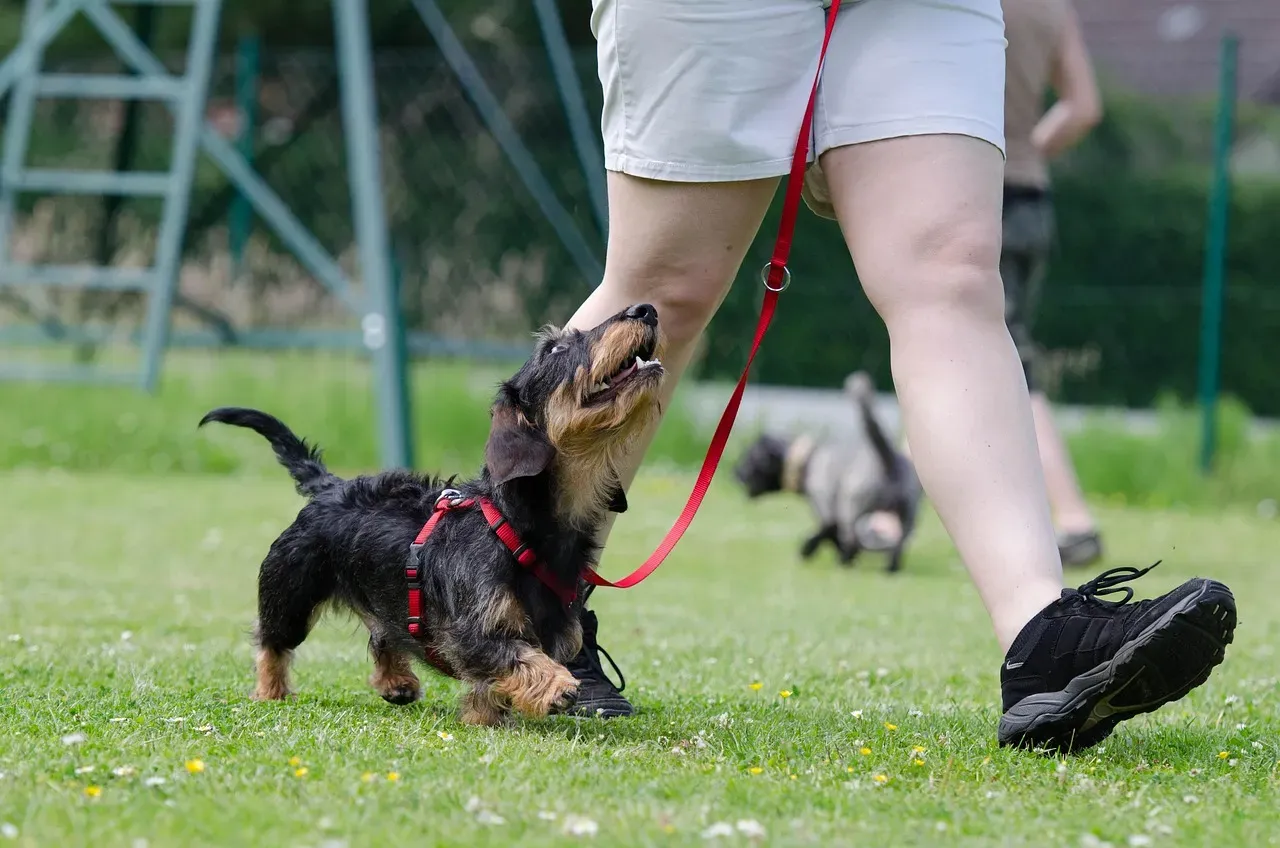
So how do you actually do this? Start with the basics. Correct timing is essential when using positive reinforcement training, and the reward must occur immediately within seconds of the desired behavior, or your pet may not associate it with the proper action.
Consistency matters enormously. Everyone in your dog’s life must be on the same page and provide consistency in training, expectations and reactions, otherwise your dog may get confused. If one person allows jumping and another doesn’t, your dog won’t understand what you actually want.
Be patient with yourself and your dog. Just like with humans, the more significant the behavior issue, the longer it can take to develop a solution. Real learning takes time. You’re building neural pathways, creating new habits, and that doesn’t happen overnight.
What Kindness Looks Like in Daily Practice
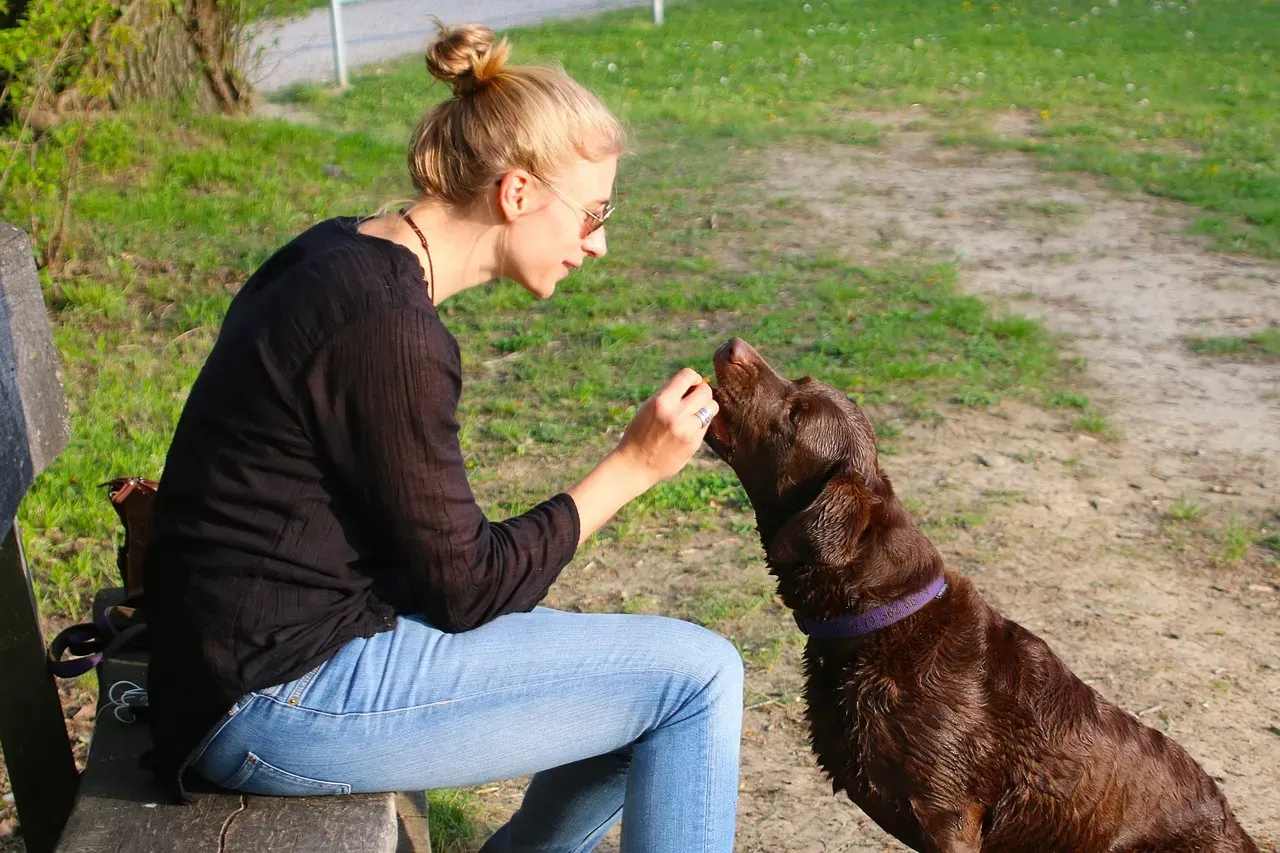
Kindness in training means recognizing when your dog is stressed or overwhelmed. Watch for signs like lip licking, yawning, turning their head away, or a tucked tail. These are your dog’s way of saying they need a break or the situation is too much.
Never hit, scream at, or yank your dog, and do not combat fear with more fear; go very slowly when dealing with anxiety-related behaviors. If your dog is scared of something, pushing them into it won’t help. Gradual exposure paired with rewards builds confidence instead.
It also means celebrating the small wins. Your dog held their sit for two seconds longer than yesterday? That’s progress worth acknowledging. They looked at you instead of lunging at that squirrel? Mark it, reward it, build on it. These moments add up.
Conclusion
Training your dog doesn’t require fancy equipment, complicated techniques, or a heavy hand. What it requires is patience, consistency, and genuine kindness. The welfare of companion dogs trained with aversive-based methods is at risk, especially if these are used in high proportions.
Your dog wants to understand you. They want to be part of your world in a way that works for both of you. When you meet their efforts with compassion instead of criticism, you’re not just training behaviors. You’re building a relationship based on trust and mutual respect.
So take a breath. Let go of the pressure to be perfect. Focus on being present, kind, and clear with your dog. The results might not be instant, but they’ll be lasting. What’s one small way you could bring more kindness into your training today?


