
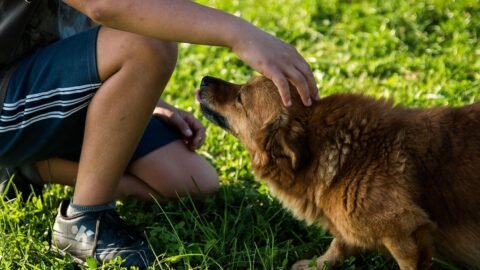
You love your dog. Of course you do. You’d do anything for them. Scratch their head when they nudge your hand, give them belly rubs when they roll over, and shower them with affection every chance you get. Here’s the thing, though. What if I told you that some of those loving touches might actually be stressing your pup out? I know, it sounds strange. How could something so natural feel wrong?
The truth is, dogs are constantly communicating with us. They’re talking all the time, actually. The problem? Most of us aren’t fluent in their language. We miss the subtle signals that say “please stop” or “I’m uncomfortable.” We keep petting, thinking we’re being kind, when really we might be making them anxious. Let’s dive into what your dog is really trying to tell you.
Reading the Signs Your Dog Is Saying “No Thanks”
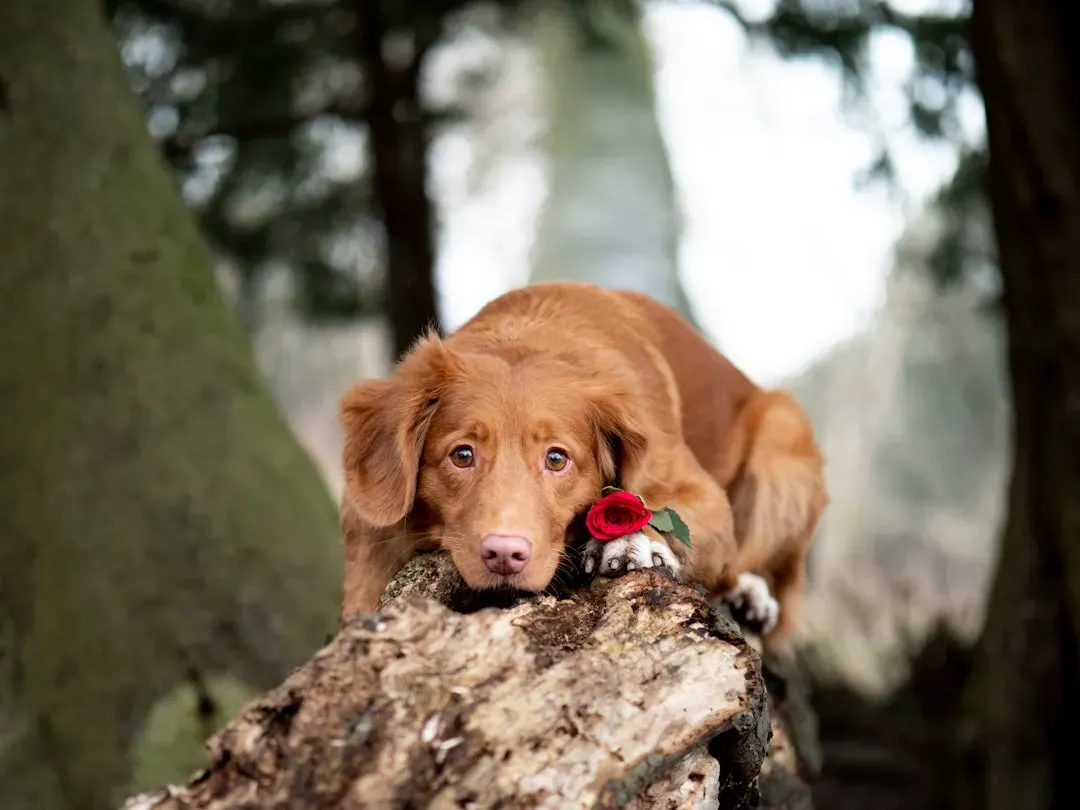
When your dog turns their head or body away from you during petting, or simply walks away, they’re probably not interested in being touched right now. Lip licking and yawning can be signs of nervousness and discomfort, while wide eyes where you can see the white of the eye indicate stress.
Think about it like this. If someone kept touching you when you were trying to concentrate on something else, you’d move away, right? Dogs do the same thing. If you’re petting a dog and they turn and look at your hand, or start licking the hand you’re petting them with, stop petting to be safe. Heavy panting is another stress signal that one dog might display when uncomfortable with petting.
Raised hackles occur when the hair on a dog’s back stands up, and this is the biggest indicator of an upset or agitated dog. Pay attention to the whole picture your dog is painting with their body. Are they stiff? Leaning away? These aren’t just random movements.
The Places You Should Never Touch Without Permission
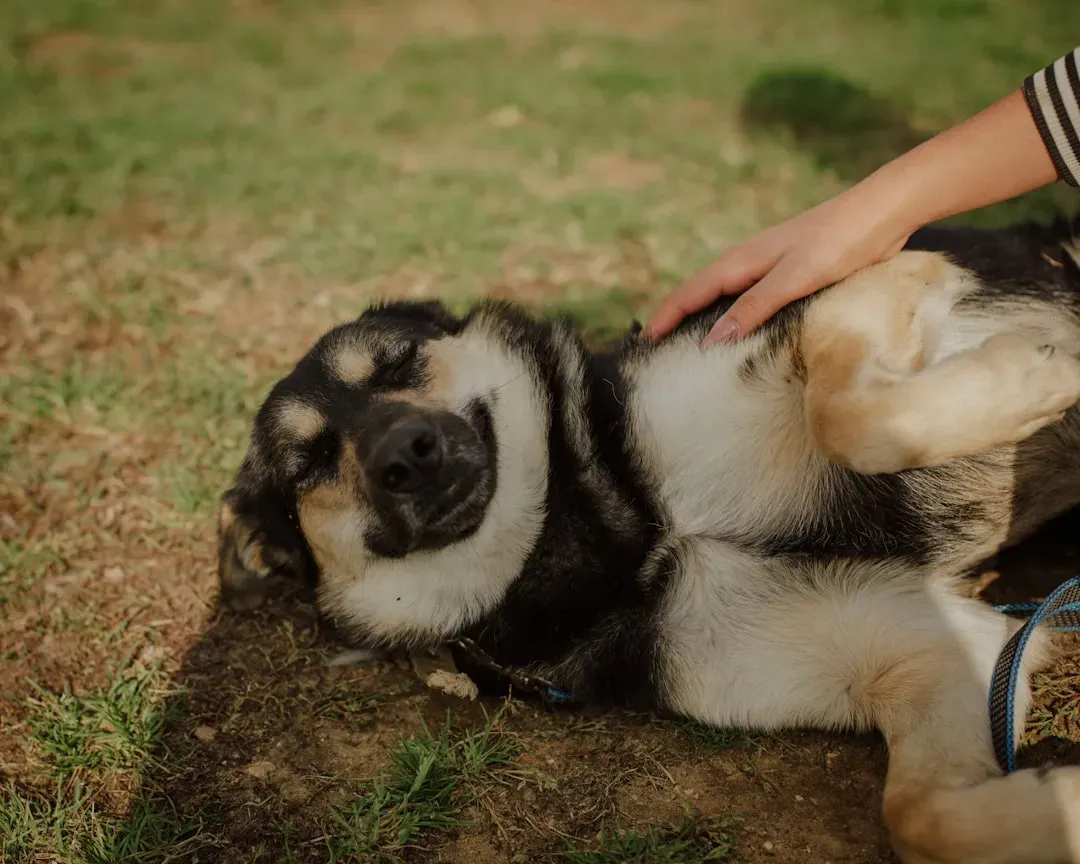
Dogs generally did not like being pet on the top of the head, or having their paws and hind legs touched. The top of their paws is one of the most sensitive parts of their body, and their tail and hind legs are other sensitive areas where having them touched can make them feel vulnerable.
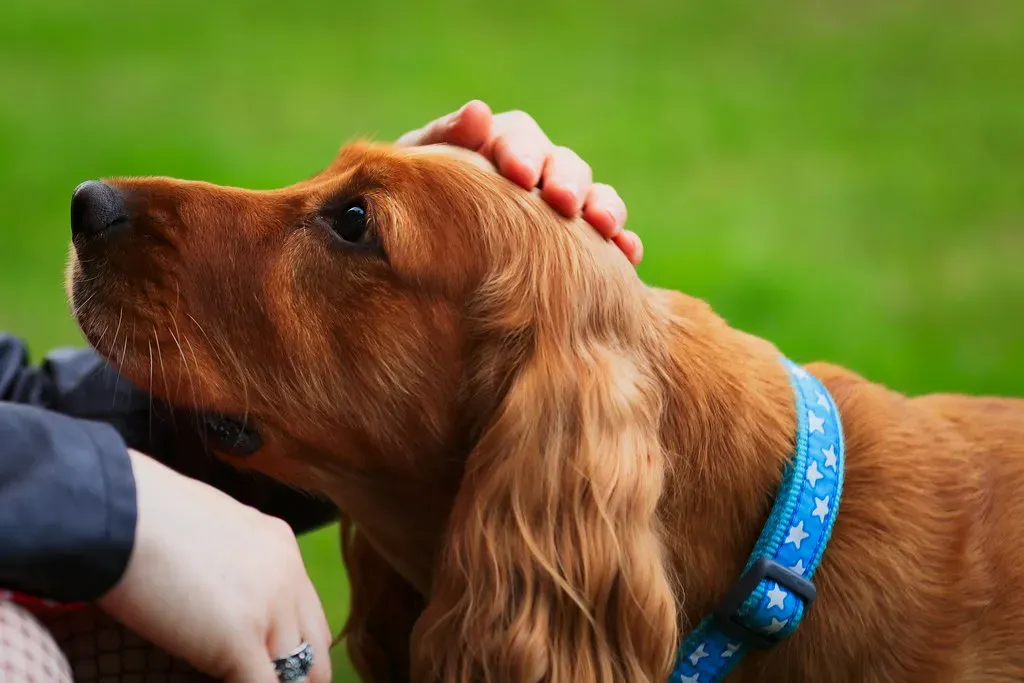
Many dogs do not like to be pet on top of the head by strangers, because a hand reaching toward their head can be perceived as a threatening gesture, so by reaching under the dog’s head, you’re sending a message that you’re not a threat. It’s a bit like someone looming over you versus sitting beside you. One feels safe, the other? Not so much.
Contrary to popular belief, lots of dogs don’t really enjoy having their head and face pet, as it feels like an invasion of their personal space. You should avoid the base of the tail, under the chin and the back of the neck, and definitely don’t grab at the dog’s face or pet their ears roughly, since most dogs do not like that type of petting.
Where Your Dog Actually Wants Your Affection
Let’s talk about the good spots now. The chest is a great place for a dog to be stroked, especially inside those little hollows on their chest, and it’s also a safe non-confrontational place to touch a dog as you’re not crowding them, and they can see what you’re doing. This matters more than you might think.
Dogs generally enjoy being scratched on their chest, neck, and shoulders. Dogs enjoy some calming long strokes on their silky, gorgeous ears, as their ears have thin skin with a high blood flow and a lot of nerve endings, so endorphins are released when you stroke them. Some dogs absolutely melt when you find that perfect spot.
One of the best spots to pet your dog is starting between their shoulders and moving down their back until the space just above the base of their tail, and some dogs may appreciate a firmer touch or gentle scratching in this area. Honestly, the key is watching your dog’s reaction. Are they leaning in? That’s a yes. Pulling back? Time to stop.
The Consent Test Every Dog Owner Should Know
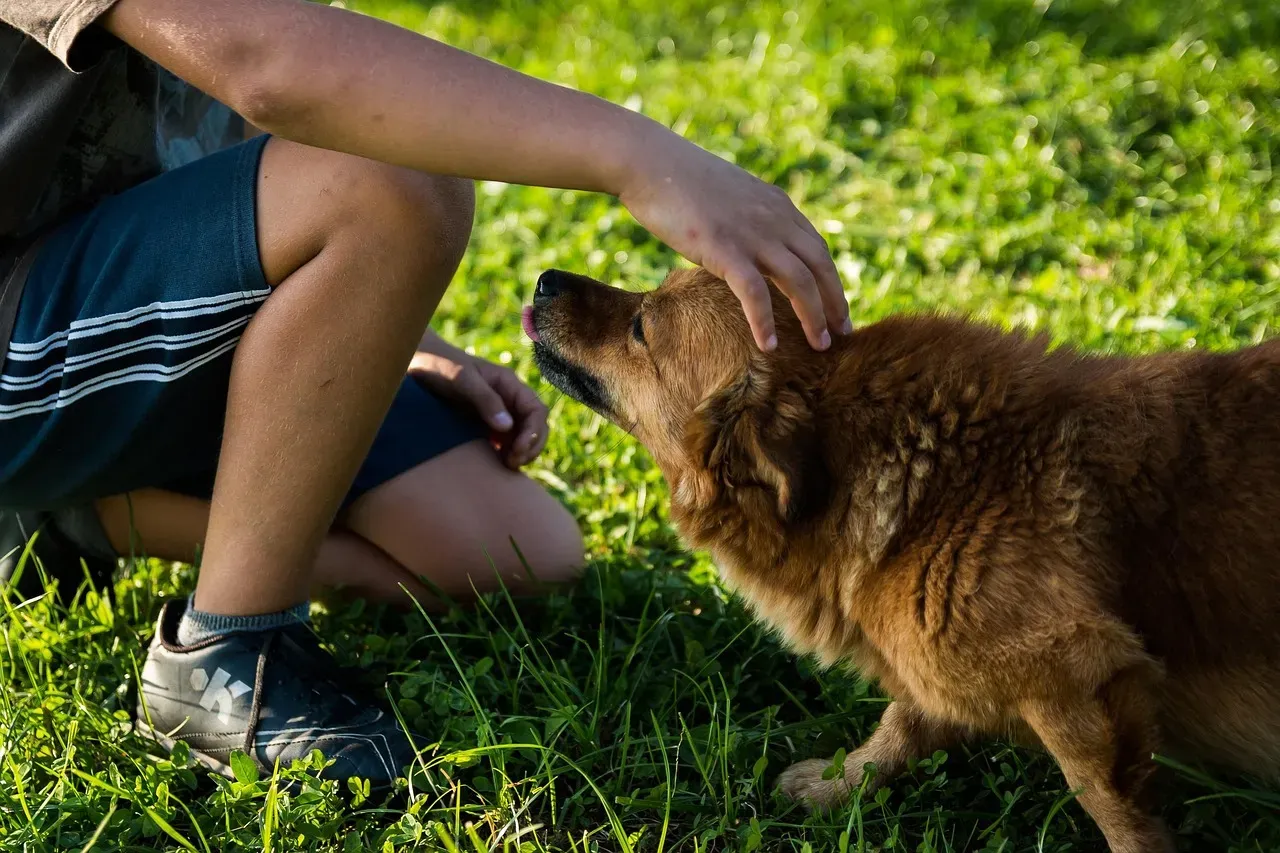
A great way of finding out if your dog finds stroking enjoyable is to simply stroke them for three or four seconds and then move your hands away, and if they come back wanting more and instigate the stroking then it’s a good sign they liked being stroked there. This technique is brilliant because it gives your dog a voice.
Relaxed body language includes a wagging tail, a relaxed body posture, and a happy facial expression, and sometimes dogs will nudge your hand with their nose or paw at you to ask for more petting. These are clear invitations. Your dog is practically begging you to continue.
Pet the dog once or twice and slowly withdraw your hand as this is a consent test, your way of asking the dog if this is okay with you and do you want more, which allows the dog the choice to move away if they are uncomfortable. A dog’s preferences can change day to day depending on how they’re feeling, so consistently using the pet, pet, pause technique can help you quickly figure out what your dog wants at any time.
Why Your Dog’s Comfort Should Always Come First
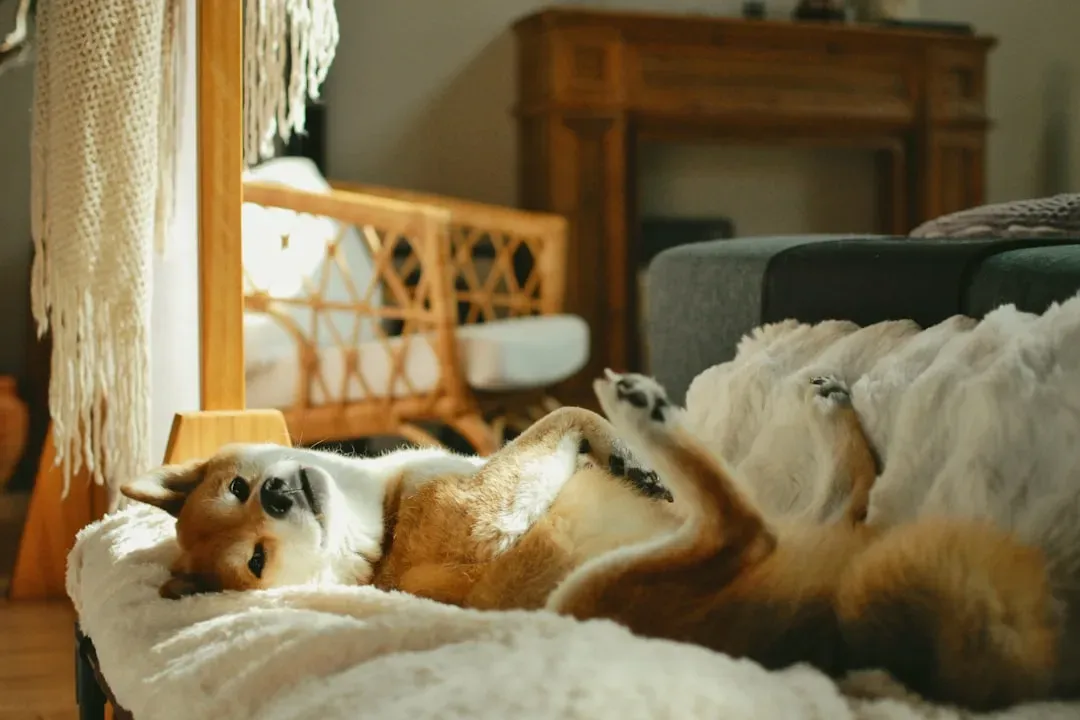
Pain is often underdiagnosed in dogs and plays a large role in behavior, so if your dog does not like to be petted, the first thing to rule out is pain. Sometimes what looks like standoffishness is actually your dog protecting a sore spot. Just like people, sometimes dogs just aren’t in the mood for being touched or interacting with people, as they may be tired after a very active day or have other priorities on their mind.
For some dogs petting may be a positive reinforcer, but for many dogs being pet is a stressor, especially when the dog is restrained in some way or disturbed from resting, and some kinds of touch can also mirror dominance challenges that can trigger defensive reactions. Think about those times you’ve reached down to pet your sleeping dog. They might not appreciate the interruption.
If you miss the more subtle body language for no, the dog may escalate their distance increasing behaviours to become more obvious and effective, and dogs who really find patting aversive may learn to skip the subtle requests if history has taught them that no one ever listens, so when pushed, a dog can learn that growling, snapping or biting are very effective strategies to give them space. We owe it to our dogs to listen the first time.
Conclusion
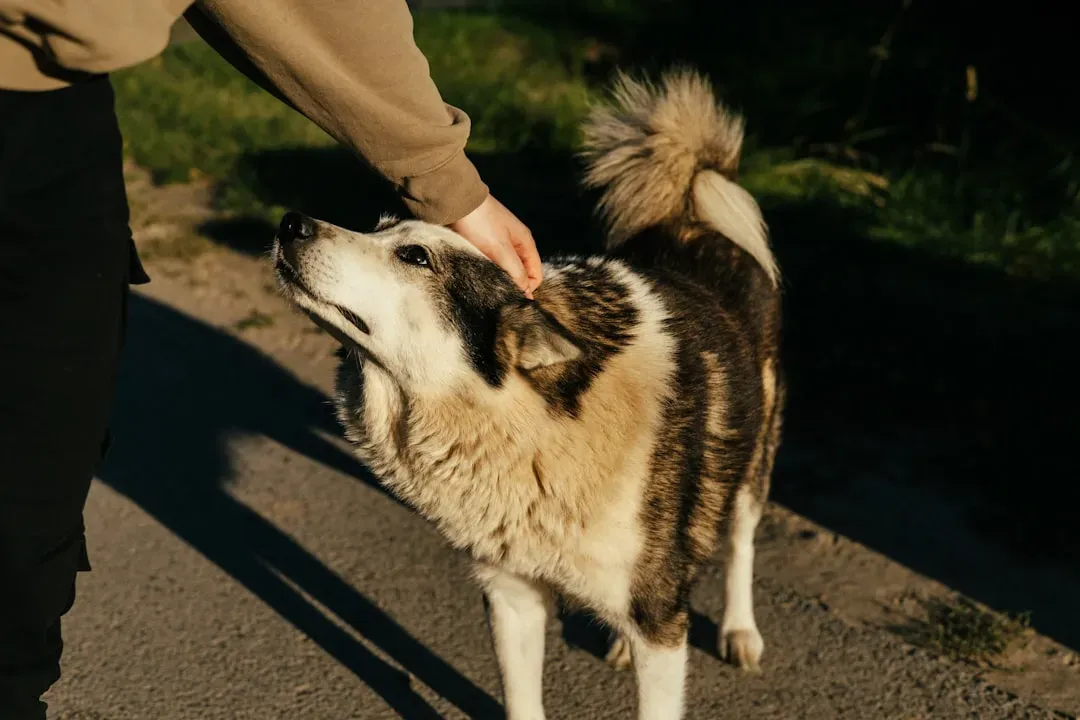
Here’s what it really comes down to. Your dog trusts you completely. They depend on you to understand them, protect them, and respect their boundaries. Every time you pause mid pet to check in with them, you’re strengthening that bond. You’re telling them their voice matters.
Start paying attention today. Watch for those subtle cues. Notice when they lean in and when they lean away. Give them the power to say no. It might feel awkward at first, stopping yourself mid scratch to see if they want more. You’ll get used to it, though.
Your relationship with your dog will transform when you truly listen to what they’re telling you. They’ve been trying to communicate all along. What do you think? Have you been missing your dog’s signals? Tell us in the comments.


