

I get it. When your dog gazes up at you with those soulful eyes, it’s almost impossible not to see a furry little person staring back. You might catch yourself interpreting their expressions as guilt, jealousy, or even vindictive behavior.
Perhaps you’ve bought them matching holiday outfits or caught yourself explaining your day to them like they’re your therapist. Here’s the thing though: as much as we adore our dogs and consider them family, they’re not small humans in fur coats. Treating them as “small” or “modified” humans can actually harm their wellbeing, even when our intentions come from a place of love. Let’s dive into why understanding your dog’s true nature matters more than you think.
Their Bodies Process Food Completely Differently Than Ours

You probably wouldn’t think twice about sharing a grape or a piece of chocolate with a friend. Yet these everyday human snacks can be deadly for your dog. It takes only a few grapes or raisins to potentially cause sudden kidney failure in dogs, while chocolate contains compounds that their bodies simply can’t process efficiently.
Unlike humans or many other mammals, both dogs and cats have very limited quantities of 7-dehydrocholesterol, a precursor that is converted into cholecalciferol (D3) when skin is exposed to UV light. This means dogs need vitamin D directly from their food, not from sunbathing like we do. Their nutritional blueprint is fundamentally different.
Even seemingly innocent foods pose risks. Macadamia nuts can cause weakness, incoordination, depression, vomiting, tremors and hyperthermia in dogs. The artificial sweetener xylitol, found in sugar-free gum and peanut butter, can cause low blood sugar and potentially liver damage. Let’s be real: your dog doesn’t need that birthday cake slice, no matter how much they beg.
They Communicate Through Body Language, Not Words
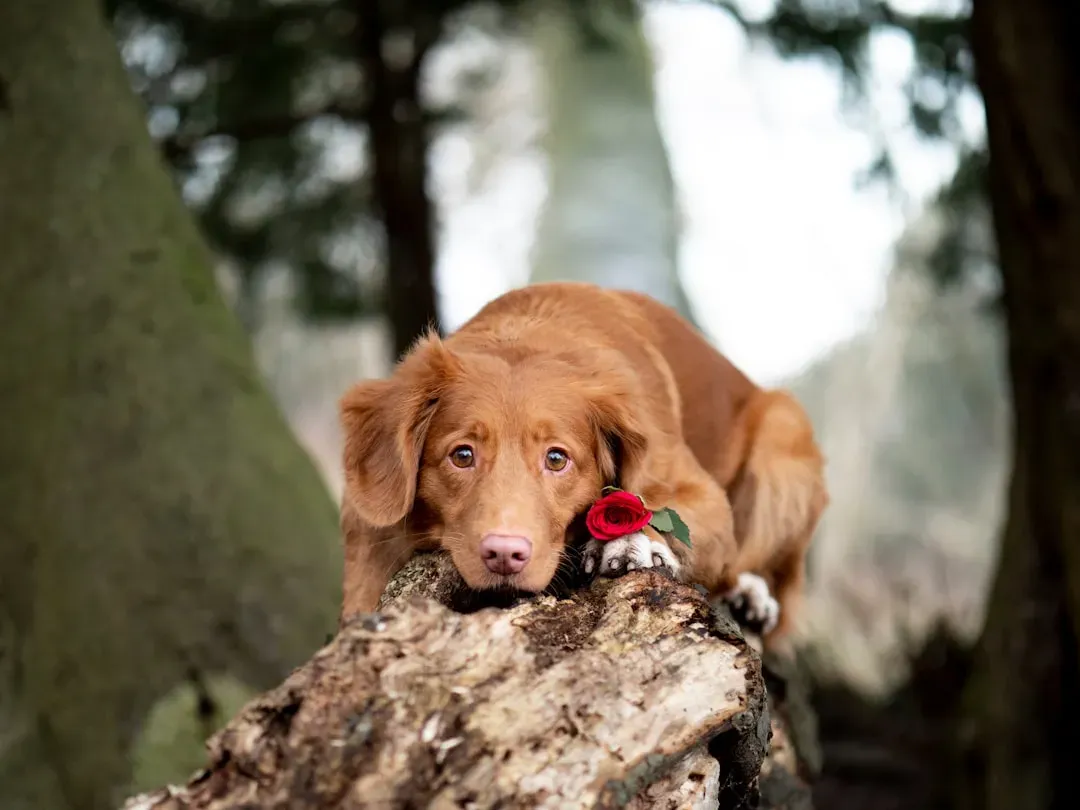
Unlike in people, canine body postures and olfactory cues are significant components of dog language and vocal communications are less significant. People are listeners; dogs are watchers. Think about that for a moment. While you’re explaining why you’re upset in lengthy sentences, your dog is reading every shift in your posture, every change in your energy.
When your dog yawns, you might assume they’re tired. Actually, dogs yawn when they’re stressed, and according to Turid Rugaas, dogs use yawning to calm themselves in tense situations and to calm others. That “guilty look” after they’ve chewed your shoe? Submissive or appeasement signals are misinterpreted by owners to be indicative of “guilt” following an undesirable behavior. In truth, dogs that display submissive postures towards their owners are likely responding to discernible human body language.
They’re not feeling remorse about the shoe. They’re reacting to your body language and tone, remembering past consequences. Dogs communicate their wants, needs, happiness and fear primarily through body language, using their entire bodies – from tail position to ear placement to eye shape – to send messages.
Anthropomorphism Can Actually Harm Your Dog

Honestly, I know it feels natural to project human emotions onto your pet. The tendency to anthropomorphize can be propelled by several factors: a need for control, loneliness, satisfaction of one’s social needs, and emotional attachment to non-human companions. It fills an emotional gap for us.
The problem? Hugging is often associated with the act of bending over the dog or with face-to-face proximity or contact, which may be interpreted as threatening behaviors by the animal. Therefore, it is not surprising that most dog bites in the facial region are preceded by this type of human affiliative interaction. What feels like love to you might feel like a threat to them.
Anthropomorphizing the dog is giving him human personality or traits; things he is not familiar with and is unable to deal with. When you coddle a fearful dog with baby talk, you might actually be reinforcing their anxiety rather than comforting them. They need confidence and calm leadership, not emotional coddling.
Mental Stimulation Matters As Much As Physical Exercise
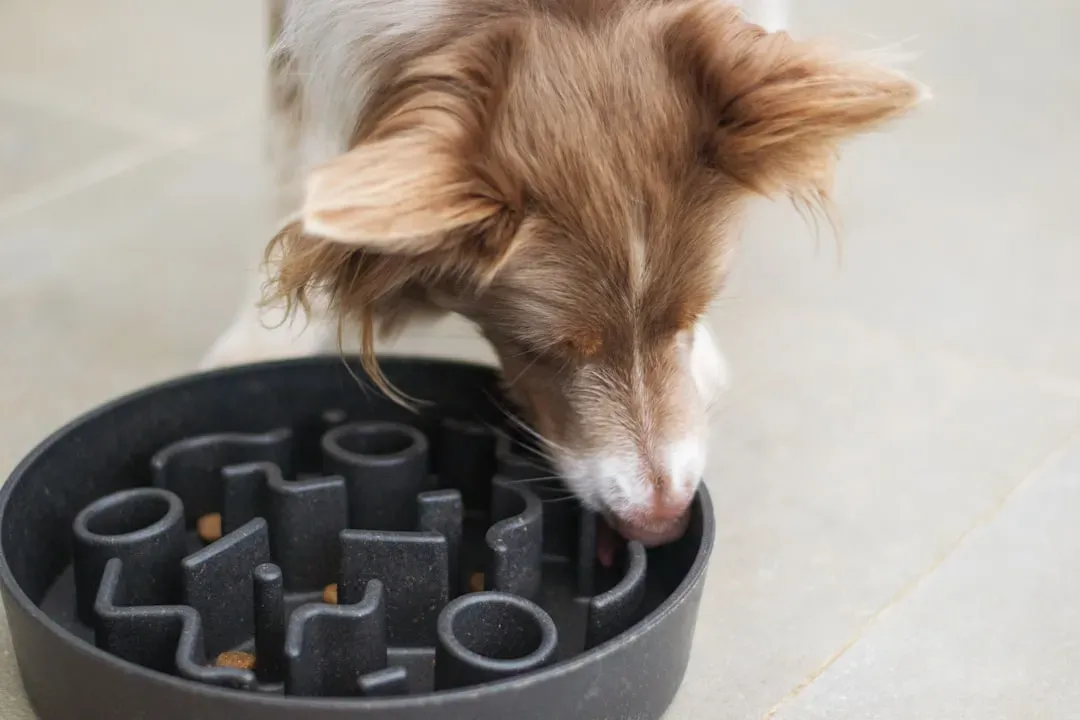
You might think that daily walk checks all the boxes for your dog’s needs. Not quite. Mental stimulation is just as important for dogs as physical exercise. Mental exercises can actually make dogs even more tired than physical exercise. Mind-blowing, right?
It’s much more demanding for a dog to work mentally than physically. For example, 15 minutes of mental training is equivalent to about an hour of walking. This means puzzle toys, scent work, and training sessions aren’t just cute activities – they’re essential for your dog’s wellbeing.
A bored dog can often develop behavioral problems when left alone without anything to occupy their time. In fact, 85 percent of dogs suffer from some sort of behavioral issue, according to their owners. Those destructive behaviors you’re dealing with? They might stem from mental understimulation, not spite or bad character. Dogs need jobs, challenges, and problem-solving opportunities built into their daily routines.
Their Social Needs Don’t Mirror Human Friendships
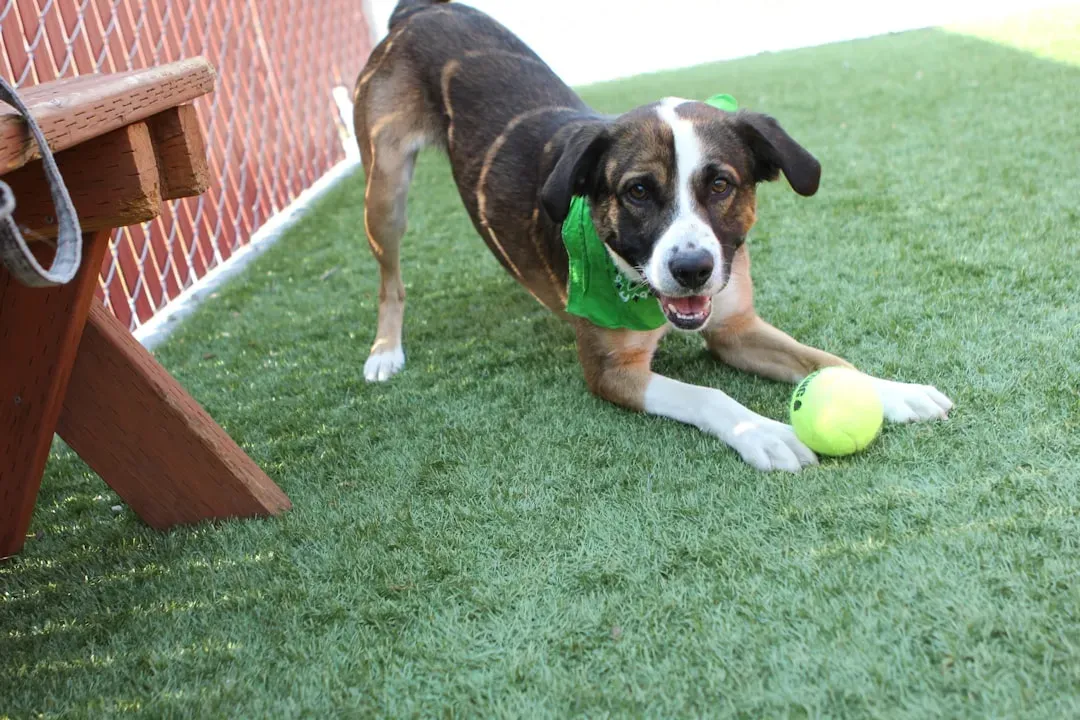
Yes, dogs are social creatures. Yet their social structure and needs differ vastly from ours. While we humans are very strong verbal communicators, dogs communicate strongly via their unique dog body language. We also need to understand that dogs may struggle to interpret our non-verbal communication because we have only two legs, small, rigid ears and no tail with which to signal our intentions.
That playtime at the dog park? It’s governed by entirely different rules than your coffee date with friends. Dogs use play bows, calming signals, and careful body positioning to negotiate interactions. Forcing your dog into social situations because you want them to have “friends” ignores their individual temperament and comfort level.
Some dogs are naturally more social, while others prefer solitude or small groups. Puppies need an opportunity to learn and practice the skill of canine communication with friendly, social adult dogs. Proper socialization isn’t about quantity of interactions – it’s about quality and appropriateness.
They Require Species-Appropriate Care and Boundaries
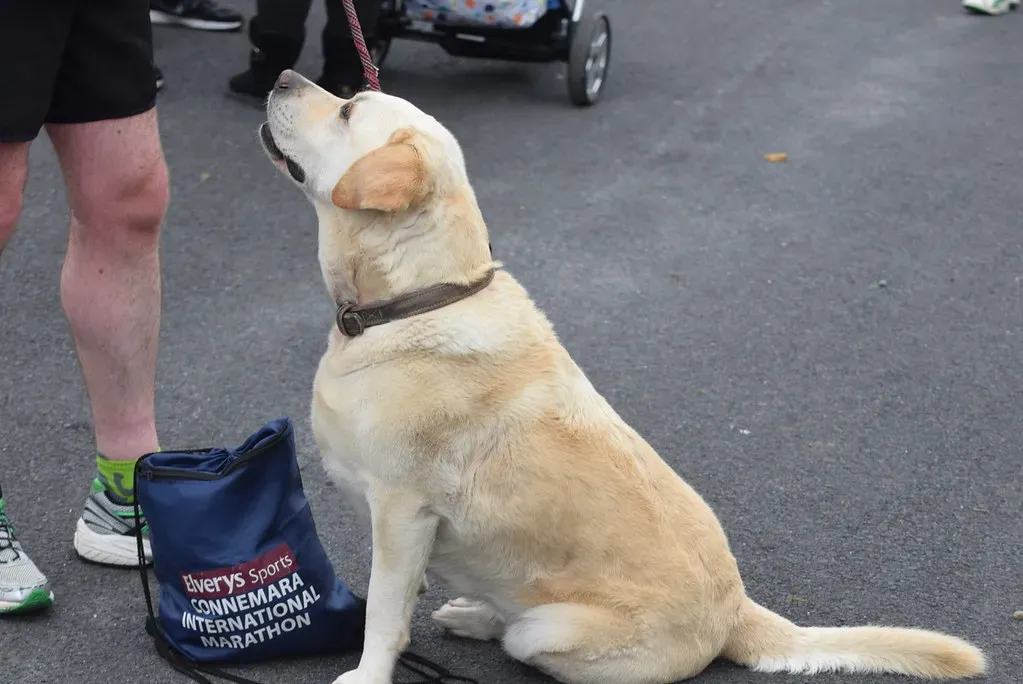
Owners need to keep in mind that cats and dogs are not small humans; they are different species with their own species-specific needs. This sounds obvious, yet it’s the most frequently forgotten principle in dog care. Your dog doesn’t need designer outfits, spa days, or gourmet human meals.
What do they actually need? Most dogs should have at least 20 minutes of active stimulation each day along with 1-2 walks. Higher energy breeds/dogs will require more activity, but this should be determined individually. They need consistent routines, clear boundaries, appropriate nutrition formulated for their life stage, and healthcare tailored to canine physiology.
Setting boundaries isn’t mean – it’s loving. Dogs thrive on structure and predictability. When you let them sleep in your bed despite their resource guarding, share your meals despite their sensitive digestion, or skip training because it feels too strict, you’re actually creating confusion and potential health problems. True love means respecting what they actually need, not what makes you feel good in the moment.
Conclusion
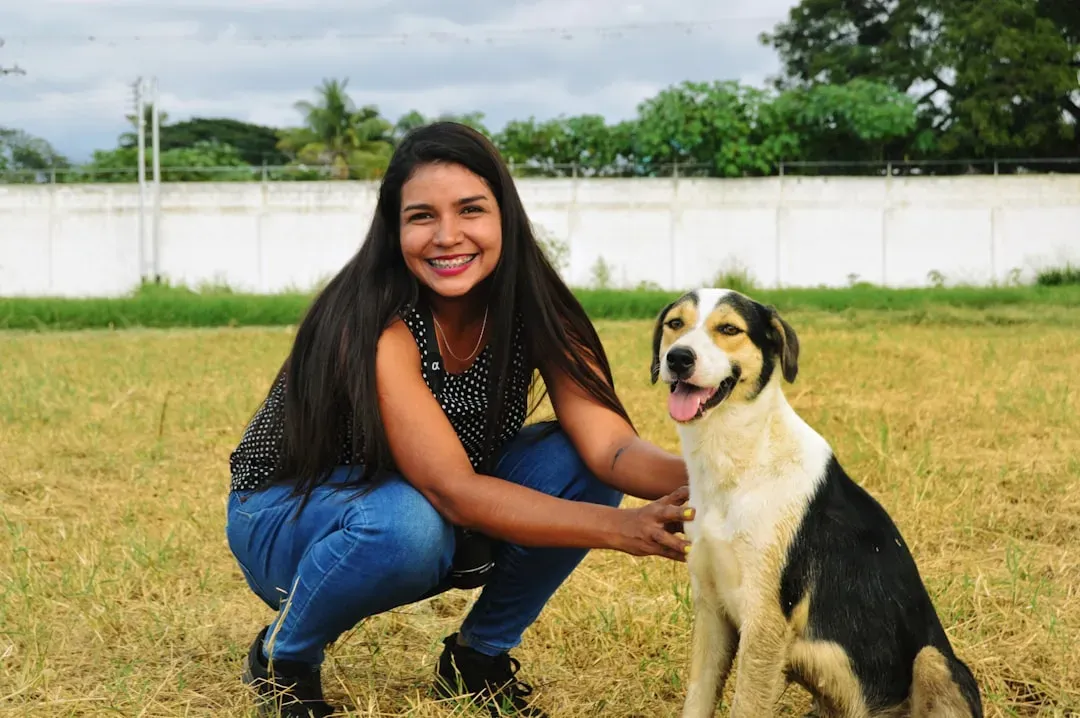
Look, I’m not suggesting you love your dog any less. The bond between humans and dogs is one of the most beautiful relationships on earth. What I am suggesting is that we honor that bond by seeing our dogs clearly – as the remarkable, intelligent canines they are, not as furry humans.
When you stop projecting human needs and emotions onto your dog, something magical happens. You start noticing their actual signals. You learn their true language. You provide what they genuinely need rather than what you think they should want. The relationship deepens because it becomes authentic.
Your dog doesn’t need you to treat them like a person. They need you to be the best dog guardian you can be – informed, observant, and respectful of their true nature. What changes will you make today to better honor your dog’s real needs?


