
I get it. You come home to a shredded couch cushion or a puddle on the floor, and frustration takes over. Maybe you’ve raised your voice more times than you’d like to admit, hoping that this time your dog will finally understand. Here’s the thing though. That approach isn’t just failing to teach your dog anything meaningful, it’s actively damaging the relationship you’ve worked so hard to build.
Let’s be real, we all want that incredible connection with our dogs. The kind where they look at you with trust and eagerness, not fear or confusion. What if I told you that yelling might be the very thing standing between you and that bond? The science is pretty clear on this, and honestly, once you understand what’s really happening in your dog’s mind and body when you yell, everything changes.
Your Dog’s Brain Under Stress: What Yelling Actually Does

When you yell at your dog, something happens inside their body that you can’t see. Dogs exposed to yelling and other aversive methods show elevated levels of cortisol in their saliva, which is essentially their stress hormone going into overdrive. Think of it like this: your dog’s body interprets your raised voice as a threat, triggering the same biological alarm system that would activate if they encountered danger in the wild.
Cortisol can take up to 72 hours to return to normal levels, meaning that single outburst you had on Monday morning might still be affecting your dog’s emotional state on Wednesday. Dogs who regularly experience overwhelming events keep cortisol levels elevated long term, resulting in a more touchy and edgy dog who is quicker to overreact.
What really struck me when I learned this was realizing that we’re essentially keeping our dogs in a constant state of anxiety without even knowing it. Your dog isn’t being stubborn or defiant. They’re stressed, confused, and desperately trying to figure out what you want while their body is flooded with stress hormones that make learning nearly impossible.
The Pessimistic Pup: How Punishment Changes Their Outlook

Something fascinating happens to dogs trained with yelling and punishment. They actually become more pessimistic about life. Researchers developed a clever test where dogs who received more punishment became more “pessimistic” in ambiguous situations, and such pessimistic mindsets have been associated with separation anxiety and other problem behaviors.
Picture your dog approaching life with hesitation instead of joy. Dogs trained with two or more aversive techniques were much slower and less willing to tackle ambiguous cues, basically assuming the worst in uncertain situations. That’s heartbreaking when you think about it.
I’ve seen this firsthand with clients. Dogs who’ve been yelled at frequently approach new experiences with visible apprehension. They second-guess themselves constantly, always waiting for the other shoe to drop. Meanwhile, dogs trained with positive methods bound through life with confidence and curiosity. The difference is honestly night and day.
Breaking Down the Bond: Trust Takes Years to Build, Seconds to Damage

Your relationship with your dog is built on trust, and every interaction either deposits into or withdraws from that trust account. A secure attachment tends to be more consistent in dogs trained with reward methods, and training method choices may affect dog attachment to owner.
When you yell, your dog doesn’t understand why you’re angry. They just know that the person they love most in the world has suddenly become unpredictable and frightening. Dogs trained with negative reinforcement are more likely to display avoidance behaviors toward their owners. Imagine that. Your dog actively avoiding you because they’ve learned you’re a source of stress rather than comfort.
The really painful part? You’re probably yelling because you care so much about having a well-behaved dog. Yet the very act of yelling pushes your dog further away emotionally, making them less responsive to you overall. It’s a vicious cycle that leaves both of you frustrated and disconnected.
What Actually Works: The Science of Positive Training
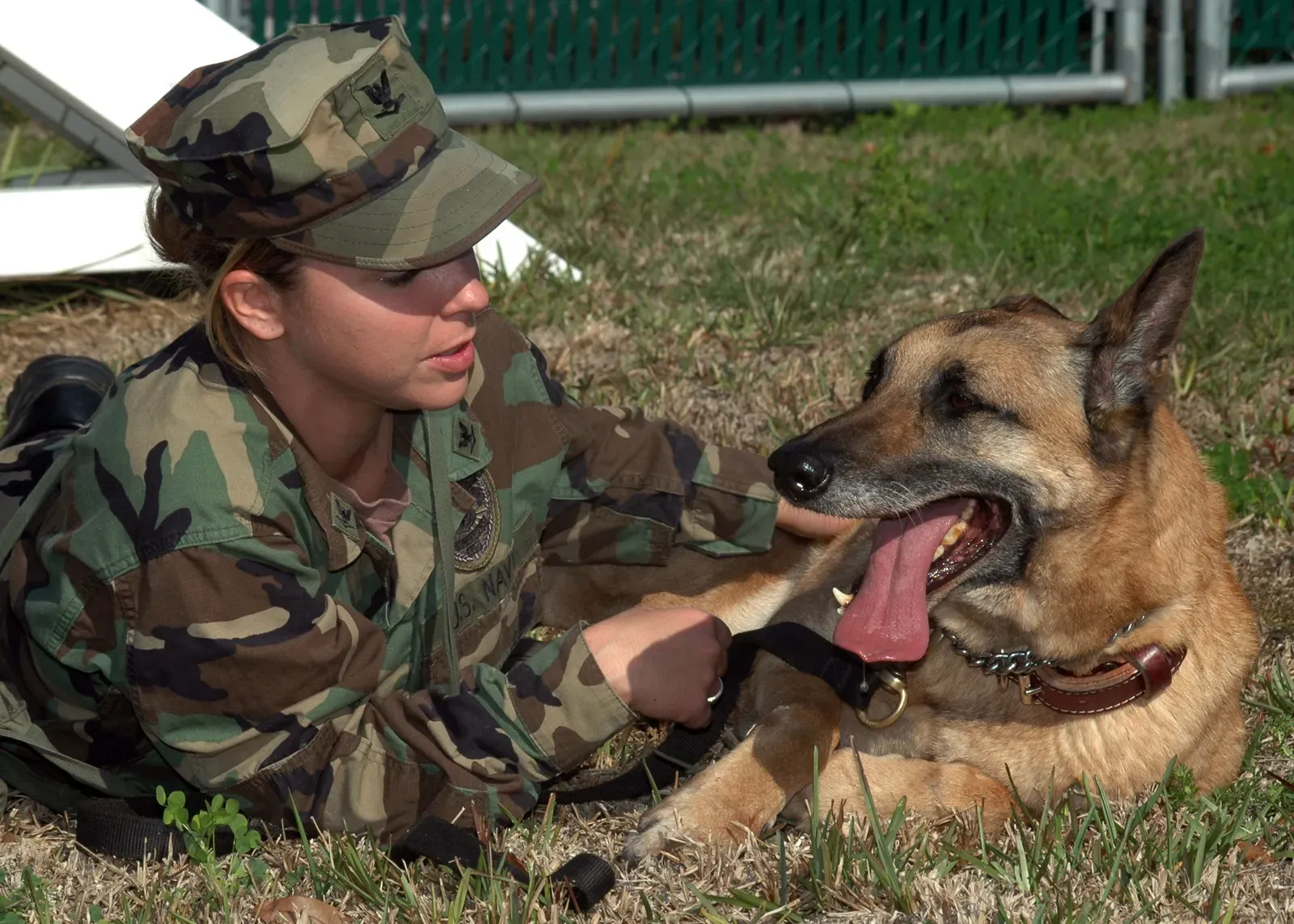
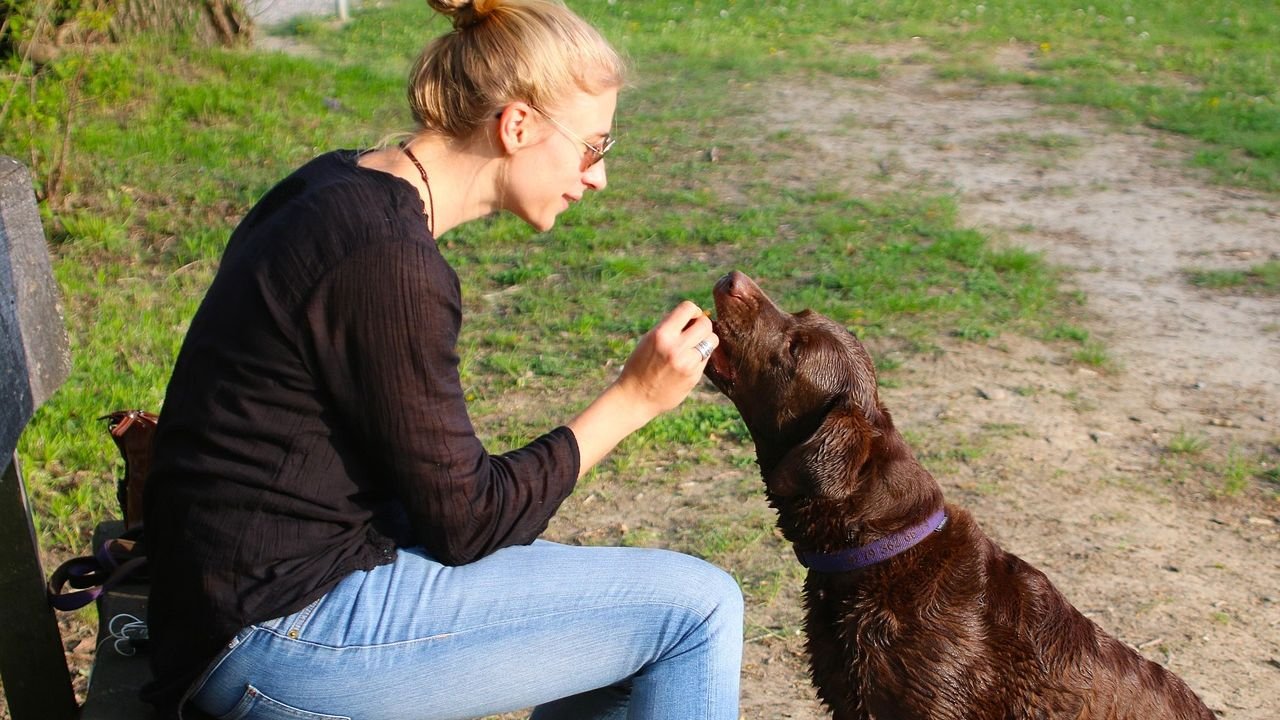
Here’s where things get exciting. Owner ratings for their dog’s obedience correlated positively with the number of tasks trained using rewards, but not with punishment. Translation? Positive reinforcement doesn’t just feel better, it actually works better.
Dogs trained with positive reinforcement are more optimistic, learn faster, exhibit more consistent behavioral responses, and show lower incidences of aggression and problematic behaviors. When you reward your dog for getting it right, their brain releases dopamine, creating a pleasurable association with the behavior you want. They’re motivated to repeat it, not out of fear, but because it genuinely feels good.
The beautiful simplicity here is that you’re teaching your dog what to do instead of just punishing what not to do. Dogs rewarded for correct behavior are more motivated to repeat that behavior, and research found that dogs trained with positive reinforcement were quicker to learn new tasks and retained learned behaviors for longer periods.
I think what surprised me most was learning this isn’t some soft, feel-good approach. It’s hardcore science that military and police organizations have adopted because it produces better results.
Reading the Signs: Recognizing Stress in Your Dog

Your dog is constantly communicating with you, but are you listening? Stress behaviors include lip licking, yawning, paw-raising, and yelping. These aren’t random quirks. They’re your dog’s way of saying they’re uncomfortable or overwhelmed.
Pay attention to subtle body language. Is your dog crouching? Turning their head away? Showing the whites of their eyes? These are all signs of stress that often escalate if we continue with aversive methods. Dogs trained using aversive methods display more stress-related behaviors such as crouching and yelping.
Sometimes the signs are less obvious. A dog who suddenly becomes hyperactive, starts destructive behaviors, or develops compulsive habits might be dealing with chronic stress. Training techniques that use punishment not only increase physiological stress markers but also contribute to behavioral issues such as increased aggression and fearfulness. Ironically, the very behaviors we’re trying to stop with punishment often get worse because we’re adding more stress to an already stressed dog.
Making the Switch: Practical Steps to Train Without Yelling
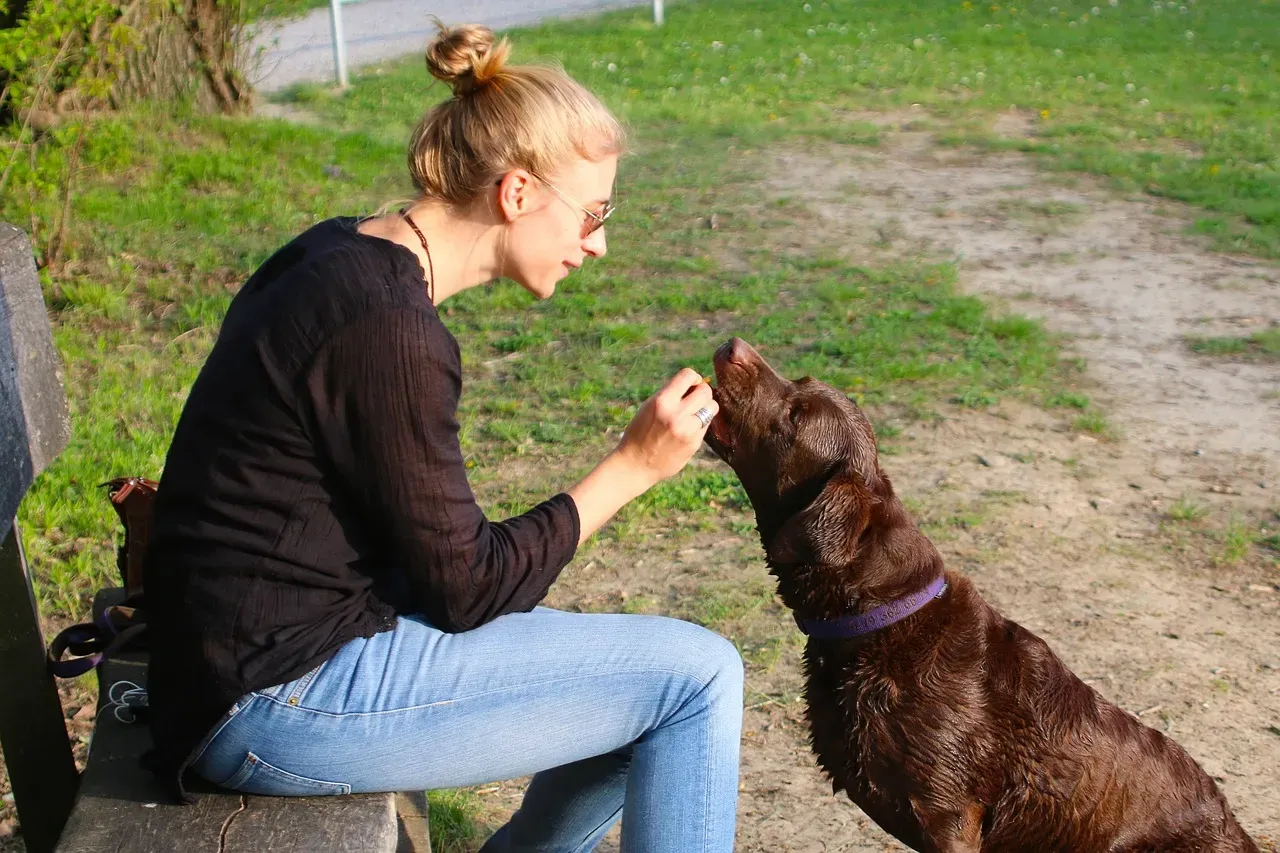
Changing your approach doesn’t mean letting your dog run wild. It means becoming smarter and more strategic about training. Start by identifying what motivates your dog. Is it treats, toys, praise, or play? Whatever lights them up becomes your training currency.
Catch your dog doing something right and reward it immediately. Your dog sits calmly instead of jumping? Mark that moment with a cheerful “yes” and give them what they love. By giving your dog something they love when they perform the desired behavior, they’ll repeat that behavior more often in the future. Timing matters tremendously here. The reward needs to happen within seconds of the good behavior.
When your dog does something you don’t want, redirect rather than punish. If they’re chewing your shoe, calmly take it away and offer an appropriate chew toy instead. Then praise them for chewing the right thing. You’re teaching them what works, not just what doesn’t.
Consistency is absolutely crucial. Everyone in your household needs to be on the same page. Owners who were inconsistent with their dogs, sometimes letting them get away with things that were meant to be forbidden, had less obedient dogs. Mixed messages create confusion and stress.
Conclusion: Your Dog Deserves Your Best Self

Look, nobody’s perfect. We all have moments of frustration when our dogs push our buttons. What matters is recognizing that yelling isn’t just ineffective, it’s harmful to the relationship you treasure. Punishment training may seem to work in the short run, but these methods can have future negative consequences, leaving dogs living in perpetual stress.
Your dog looks at you like you hung the moon. They think you’re the most amazing creature on earth. Don’t you want to live up to that? The path forward is actually simpler than you think. Reward what you like, redirect what you don’t, and build that trust back one positive interaction at a time.
What kind of relationship do you want with your best friend? The answer to that question should guide every training choice you make. Your dog is counting on you to be their safe place, not their source of fear. And honestly? They’re worth the effort it takes to get it right.


