
Bedfordshire – A vivid orange infant François’ langur captured hearts at Whipsnade Zoo after its recent birth, highlighting vital strides in primate conservation.[1][2]
Visitor’s Sharp Eye Leads to Joyful Surprise
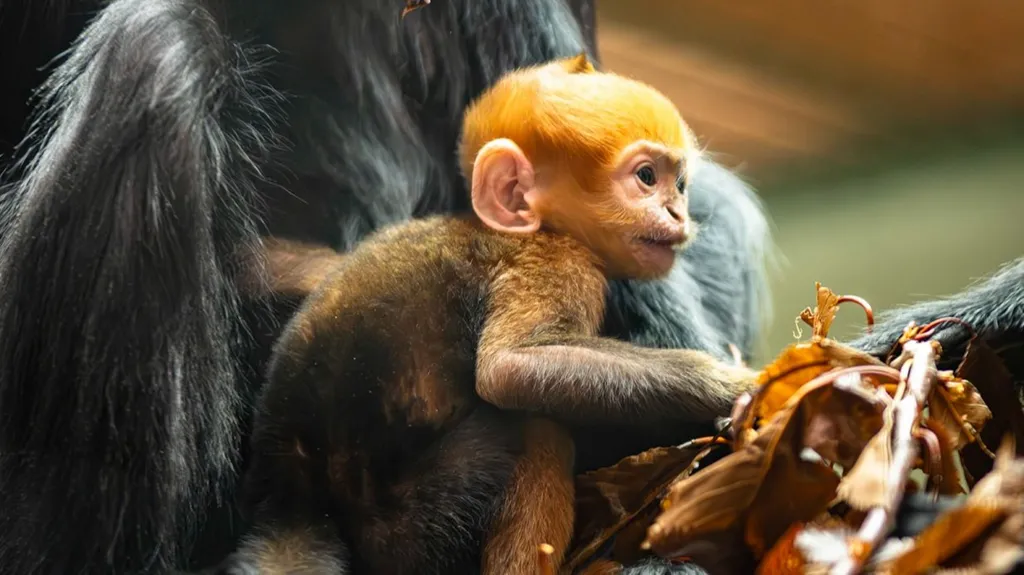
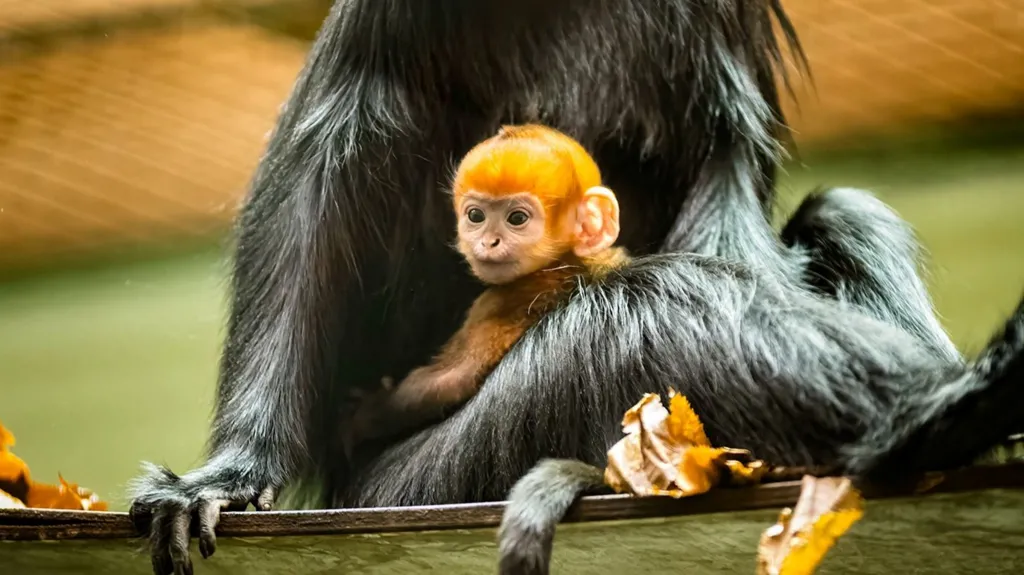
A keen-eyed visitor alerted staff to an “orange monkey” just an hour after morning rounds, revealing the newborn François’ langur boy had arrived undetected.[2] The infant entered the world on the morning of February 1 to experienced 10-year-old mother Nguyen – pronounced “Win” – and nine-year-old father Wang.[1][2]
Nguyen quickly formed a strong bond, keeping the baby close and encouraging suckling. This marked her second offspring, following son Bao born in 2024. Keepers noted the mother’s calm demeanor throughout the process.
From Fiery Orange to Sleek Black: Nature’s Clever Design
The baby’s striking “tangerine” fur serves an evolutionary purpose, making youngsters easy for the troop to spot amid dense foliage.[1] This bright orange coat will gradually fade to the adults’ glossy black over time. Amanda Robinson, the zoo’s primates section manager, urged visitors to catch a glimpse soon: “Over time, the newborn’s hair will fade to black, so I’d definitely recommend coming to see him in his home at Monkey Forest whilst he’s still tangerine!”[2]
François’ langurs thrive in matriarchal groups where allomothering and allosuckling foster tight-knit bonds. Older troop members, including fellow mother Lulu and juveniles Bao, Jinfo, and Yentu, already showed excitement around the newcomer, though the boys focused more on play than caregiving.
Endangered Species Under Siege
Native to China and northern Vietnam, François’ langurs face severe threats in the wild. Only about 2,000 individuals remain, largely due to illegal hunting for bushmeat and traditional medicine.[1][2] Habitat loss compounds these pressures, pushing the primates toward the brink.
- Hunting for meat and medicinal use decimates populations.
- Deforestation fragments their forested habitats.
- Illegal wildlife trade fuels global demand.
- Low reproduction rates hinder natural recovery.
Robinson emphasized the stakes: “It’s estimated that only 2,000 of these primates remain in the wild, so every birth is a ray of hope for the species.”[1][2]
Breeding Program Fuels Optimism
This birth forms part of an international conservation breeding program managed by zoos worldwide, including Whipsnade, operated by the Zoological Society of London (ZSL).[2] Such efforts maintain genetic diversity and provide a safety net against extinction. The zoo housed another langur infant from Lulu in 2024, bolstering the troop to strengthen social learning.
ZSL combats illegal trade through global initiatives, ensuring these captive populations support reintroduction possibilities. Keepers observed the family’s seamless integration, predicting playful interactions soon.
Key Takeaways
- A male François’ langur baby, born February 1, sports temporary orange fur for visibility.
- Wild population hovers at 2,000 amid hunting threats; zoo births offer crucial backup.
- Whipsnade’s troop exemplifies matriarchal care vital to species survival.
This tangerine arrival underscores zoos’ pivotal role in safeguarding vanishing species – one fuzzy fireball at a time. What do you think about these conservation wins? Share in the comments.


