

You’ve probably seen it before. A dog at the park confidently performing a perfect spin, shake, or high five while their owner beams with pride. It’s easy to assume the training is all about showing off, right? Here’s the thing, though. While we might love the applause and admiration that comes with a well-trained pup, the real magic happens inside your dog’s mind.
Teaching tricks isn’t about impressing your neighbors or collecting social media likes, even if those are nice side effects. It’s about giving your dog something deeper, something genuinely transformative: confidence. When dogs learn new behaviors and master challenges, they’re not just performing for treats or attention. They’re building trust in themselves, learning that they can navigate the world with competence and courage, and strengthening their bond with you in ways that go far beyond a simple sit or stay.
Why Learning New Tricks Actually Changes Your Dog’s Brain
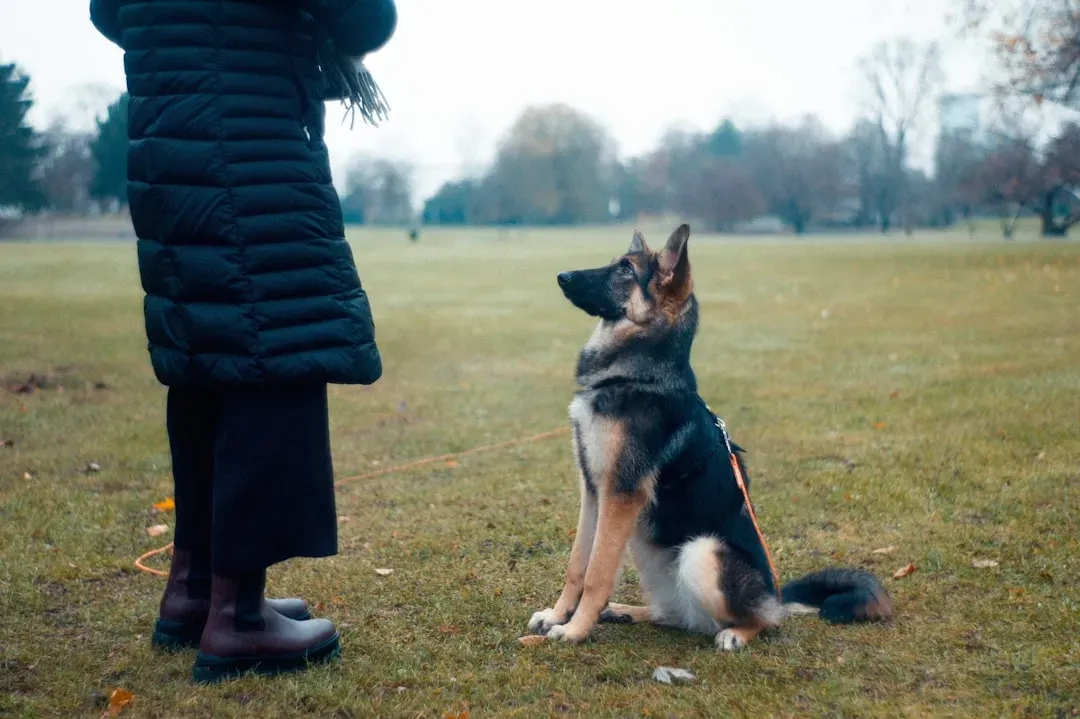
Let’s be real, your dog’s brain is far more complex than most people give it credit for. When dogs learn new commands or tricks, they stimulate their cognitive functions, and this mental exercise is essential for maintaining a sharp and healthy brain. Think of it like crossword puzzles for humans, except way more fun and with better snacks involved.
The canine cortex is an extraordinary example of neuroplasticity, the capacity of the brain to reorganize itself by forming new neural connections throughout life, and understanding neuroplasticity is essential for dog trainers who apply social cognitive learning theory, allowing for more adaptive and meaningful learning experiences for dogs. Every time your dog figures out how to roll over or touch a target with their nose, they’re literally rewiring their brain. It’s not just about memorizing a sequence of movements. It’s about problem solving, memory building, and developing the mental flexibility to tackle new challenges.
Problem-solving tasks during training boost a dog’s mental capabilities, and these tasks encourage dogs to think critically and make decisions. Whether it’s figuring out how to crawl under your legs or learning to fetch a specific toy by name, each success creates a positive feedback loop. Your dog learns they’re capable, and that realization becomes the foundation for genuine confidence.
The Confidence Connection: More Than Just a Party Trick
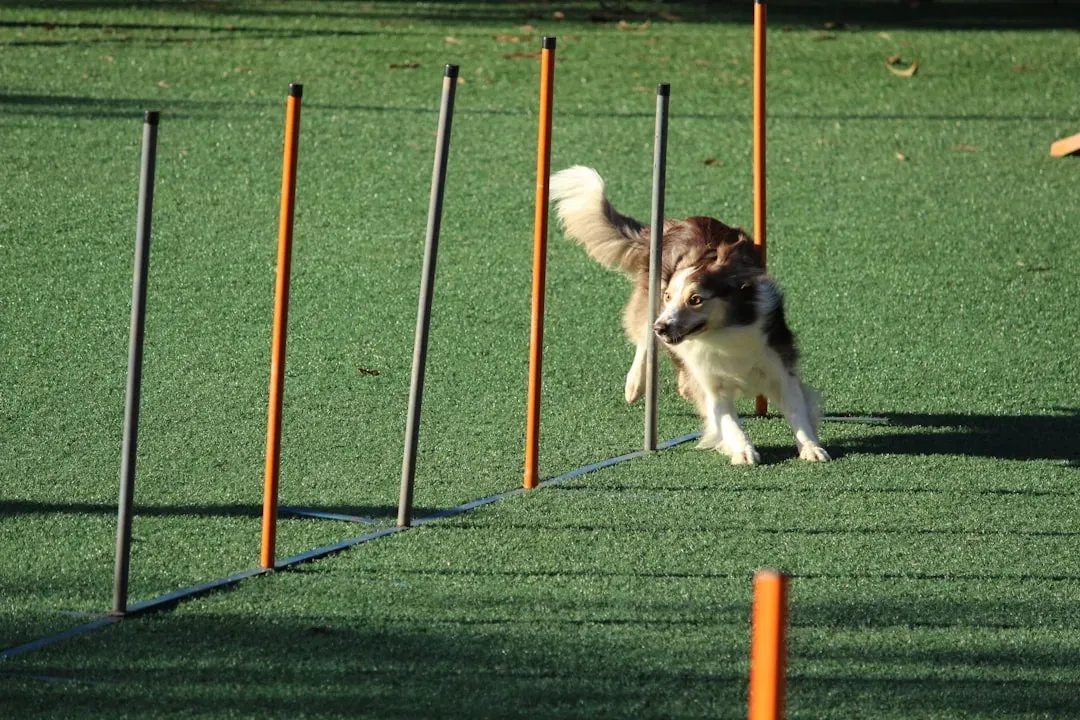
When a dog learns new commands, it gains confidence as it understands what is expected of it, and this mutual understanding fosters trust and deepens the bond. I’ve watched countless shy dogs transform through simple trick training. One minute they’re hiding behind their owner’s legs, and a few weeks later they’re eagerly offering behaviors and practically begging to show you what they’ve learned.
Trick training is not only fun, but it can also be a big confidence booster as your dog gets to interact with the environment and accomplish tasks. There’s something incredibly powerful about achievement. When your nervous dog successfully completes a new behavior and receives your genuine praise and a tasty reward, they experience a profound moment of “I did it!” That feeling accumulates over time, building a reservoir of self-assurance they can draw from in other situations.
Confidence helps to reduce reactivity, decreases stress and anxiety, promotes an overall wellness and helps our dogs have more fulfilling lives. It’s honestly hard to overstate how much this matters. A confident dog isn’t just easier to live with. They’re happier, less stressed, and better equipped to handle the unpredictable nature of daily life, whether that’s meeting new people, encountering strange sounds, or visiting the vet.
The Science Behind Successful Learning Sessions
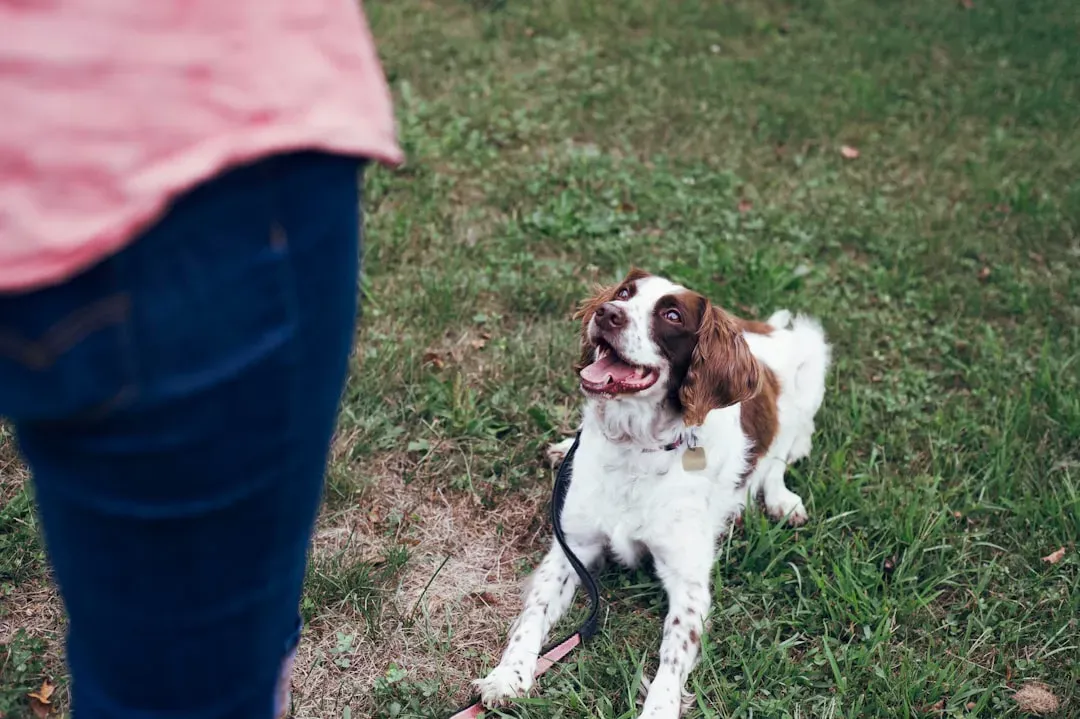
If you want your training sessions to actually build confidence rather than create frustration, you need to understand how dogs learn best. Regular training fosters a sense of security and confidence in dogs, lowers stress hormone levels, and strengthens the bond with their owners. Consistency matters more than you might think.
Research has shown that dogs with consistent training routines have lower levels of cortisol, the stress hormone. Lower stress means your dog is in the optimal state for learning, and they’re more likely to approach new challenges with enthusiasm rather than anxiety. Set up regular, short training sessions, maybe just five or ten minutes a few times daily, where your dog knows exactly what to expect.
The method you choose matters enormously. By training your dog to sit, you are giving your dog something else to think about, and it shows your dog that he does not have to decide on his own how to act, and the praise and rewards will make your dog feel extra happy as he acknowledges he did something right. Positive reinforcement isn’t just kinder. It’s scientifically proven to be more effective for building confidence. Punishment, on the other hand, undermines everything you’re trying to accomplish and can actually increase anxiety.
Starting Simple: Building Blocks for Brave Dogs
You don’t need to teach your dog to skateboard or paint a masterpiece to boost their confidence. Sometimes the simplest tricks create the biggest breakthroughs. One of the best places to start is with obedience and tricks, and whether simple commands like sit, stay, or down or fun tricks such as shake or speak, training can help give your dog direction and more confidence.
Start with behaviors your dog already knows or can easily accomplish. Touch training, where your dog learns to target your hand or an object with their nose, is brilliant for building confidence. Introducing targeting cues, where your pet touches an object with their nose, enhances their spatial awareness and builds confidence. It’s simple, it’s fun, and it gives your dog a clear job to do, which reduces uncertainty and builds competence.
Trick training like roll over, beg, shake, and so on are fantastic methods of encouraging your dog to learn, and after your pup masters basic commands like sit, stay, and come, you can advance the training to have your pet jump through a hoop, dance, speak, and bring things to you, and when your dog masters each of these more complex tasks, they will be happy to please you, which bolsters more confidence. Build gradually from easy wins to slightly more challenging tasks. The progression itself teaches your dog that they’re capable of growth and learning.
Recognizing Progress: What Confidence Actually Looks Like
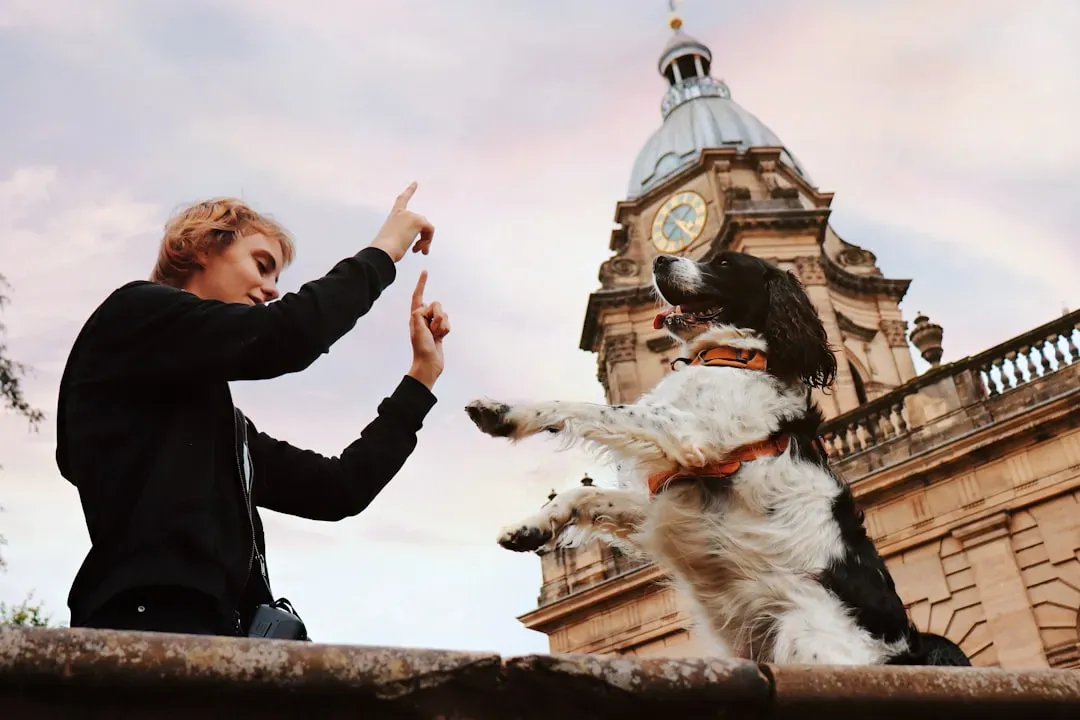
How do you know if your training is actually building confidence? Watch your dog’s body language and overall demeanor. A confident dog carries themselves differently. Their tail is relaxed or wagging, their ears are forward and alert rather than pinned back, and they approach new situations with curiosity instead of fear.
You might notice your previously anxious dog starts volunteering behaviors, offering sits or spins without being asked, just to see if they’ll earn a reward. That initiative is gold. It means they’re thinking creatively and feeling secure enough to take risks. Teaching new tricks serves as an excellent confidence booster, and each successful learning experience reinforces their ability to understand and accomplish tasks, creating a positive feedback loop of achievement and confidence.
Watch for signs of reduced anxiety in everyday situations too. Maybe your dog used to cower during thunderstorms but now seems calmer. Perhaps they’re more willing to approach strangers or explore new environments. Like us, dogs feel more confident when they are able to problem solve. Training gives them the mental tools to work through challenges rather than shutting down in the face of difficulty.
Sometimes the changes are subtle. Your dog might make better eye contact, sleep more soundly, or show less destructive behavior when left alone. Mental engagement helps reduce boredom, anxiety, and destructive behaviors, and a dog that is mentally stimulated is generally happier. These are all signs that their overall emotional wellbeing has improved thanks to the confidence they’ve gained.
What does all of this mean for you and your furry companion? Simply put, teaching your dog new tricks is one of the most powerful gifts you can give them. It’s not about having the most impressive dog at the park or winning competitions, though those are perfectly fine goals if they interest you. It’s about enriching your dog’s inner world, giving them the mental stimulation they crave, and helping them become the most confident, capable version of themselves.
The time you invest in training pays dividends in every aspect of your dog’s life. They’ll be braver during vet visits, calmer during storms, more resilient when facing new situations, and more joyful in their daily interactions. Your bond will deepen as you learn to communicate more effectively and celebrate achievements together. So grab some treats, dedicate a few minutes each day, and start teaching. Your dog’s confidence, and their gratitude, will be the best reward you could ask for. What new trick will you teach first?


