

The bond between a dog and its owner is a precious one, filled with love, loyalty, and sometimes a bit of mischief. Yet, as much as we adore our furry friends, they can occasionally wander into situations that pose risks to their well-being. Teaching your dog to avoid hazardous situations is not just about obedience; it’s a vital part of ensuring their safety and happiness. Whether it’s a busy street, a tempting but dangerous object, or an encounter with an unfamiliar animal, being proactive can prevent accidents and keep your beloved pet out of harm’s way. Let’s delve into how you can help your dog navigate the world safely and confidently.
Understanding the Hazards
The first step in teaching your dog to avoid dangerous situations is understanding what those hazards might be. Dogs, much like curious children, are naturally inclined to explore their environment. This curiosity can lead them to places they shouldn’t be, like the edge of a busy road or near toxic plants. It’s important to identify these risks in your local area. For example, urban environments might present dangers like traffic and pollution, while rural settings may have wildlife or large bodies of water. Recognizing these threats helps you anticipate potential issues and prepare your dog accordingly.
Building a Strong Recall
A reliable recall command is arguably the most essential skill your dog can learn. Imagine your dog bounding towards a busy street, oblivious to the danger. A well-practiced recall ensures they return to you immediately, preventing potential accidents. Start training in a quiet, distraction-free environment, using a clear, consistent command like “come.” Reward them generously with treats and affection. As they improve, gradually introduce more distractions. This way, your dog learns to focus on you, even when tempted by something more exciting.
Teaching the “Leave It” Command
Another crucial command is “leave it,” which can prevent your dog from picking up harmful objects. Whether it’s a piece of broken glass on the sidewalk or something toxic like chocolate, the “leave it” command can be a lifesaver. Begin training by holding a treat in your hand, showing it to your dog, and then closing your fist. When they stop trying to get it, reward them. Consistent practice will teach your dog to ignore tempting but dangerous items, keeping them safe from harm.
Socializing with Other Animals
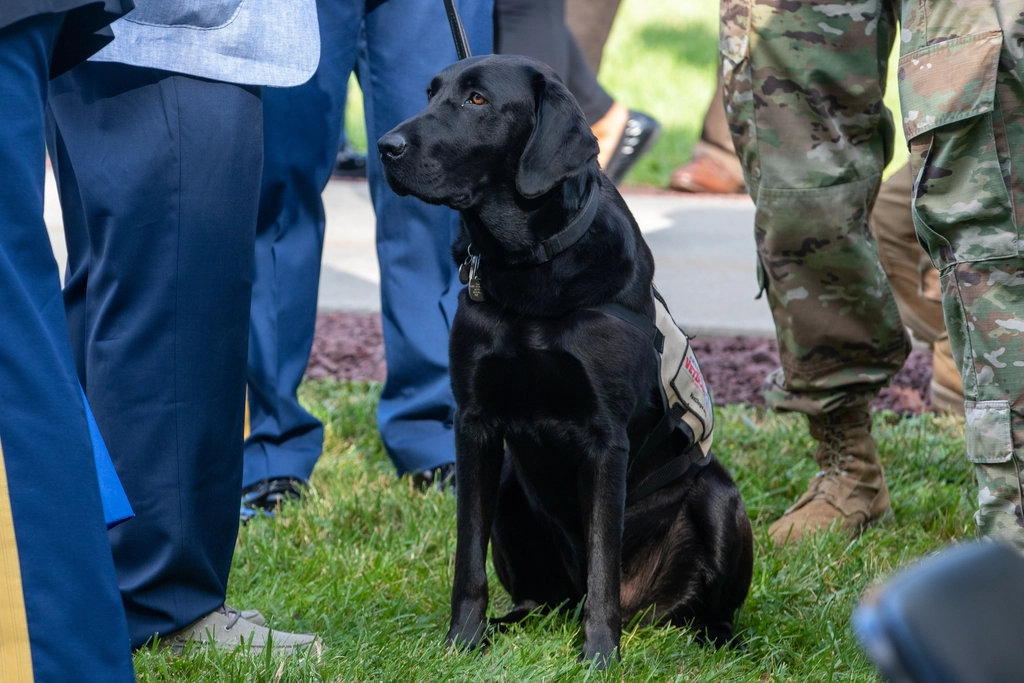
Socialization is key to preventing dangerous interactions with other animals. From a young age, expose your dog to a variety of other dogs and animals under controlled conditions. This helps them learn appropriate behavior and reduces the likelihood of aggressive or fearful reactions. A well-socialized dog is less likely to engage in fights or chase after wildlife, both of which can lead to injury. Remember, socialization is not a one-time event but an ongoing process throughout your dog’s life.
Creating a Safe Environment at Home

Your home should be a sanctuary for your dog, free from hazards. Just like baby-proofing a house for a child, you need to dog-proof your living space. Ensure that harmful substances, such as cleaning supplies and medications, are stored out of reach. Secure electrical cords and remove small objects that could be swallowed. Even something as simple as a loose rug can be a tripping hazard. By creating a safe environment at home, you reduce the risk of accidents and give your dog a secure place to relax.
Using Positive Reinforcement

Positive reinforcement is a powerful tool in teaching your dog to avoid hazardous situations. Dogs learn best when they are rewarded for good behavior rather than punished for mistakes. Use treats, praise, and play to encourage your dog when they make safe choices. For example, reward them for staying by your side during a walk instead of darting off. Over time, your dog will associate safe behavior with positive outcomes, making them more likely to avoid danger in the future.
Being Consistent and Patient
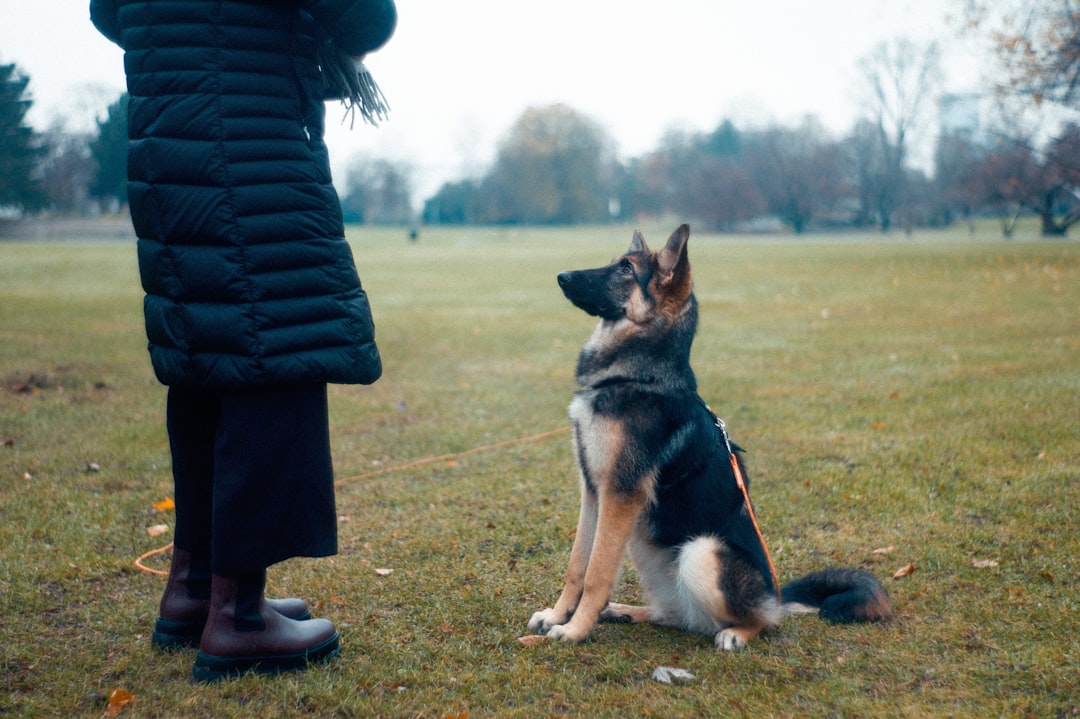
Training your dog to avoid hazardous situations requires consistency and patience. Dogs thrive on routine and clear expectations. If you’re inconsistent with commands or rules, it can confuse your dog and slow their progress. Practice regularly and be patient with their learning curve. Every dog is different, and some may take longer to grasp certain concepts. Celebrate small victories and maintain a positive attitude, as this will encourage your dog to keep learning and improving.
Recognizing Signs of Stress or Fear
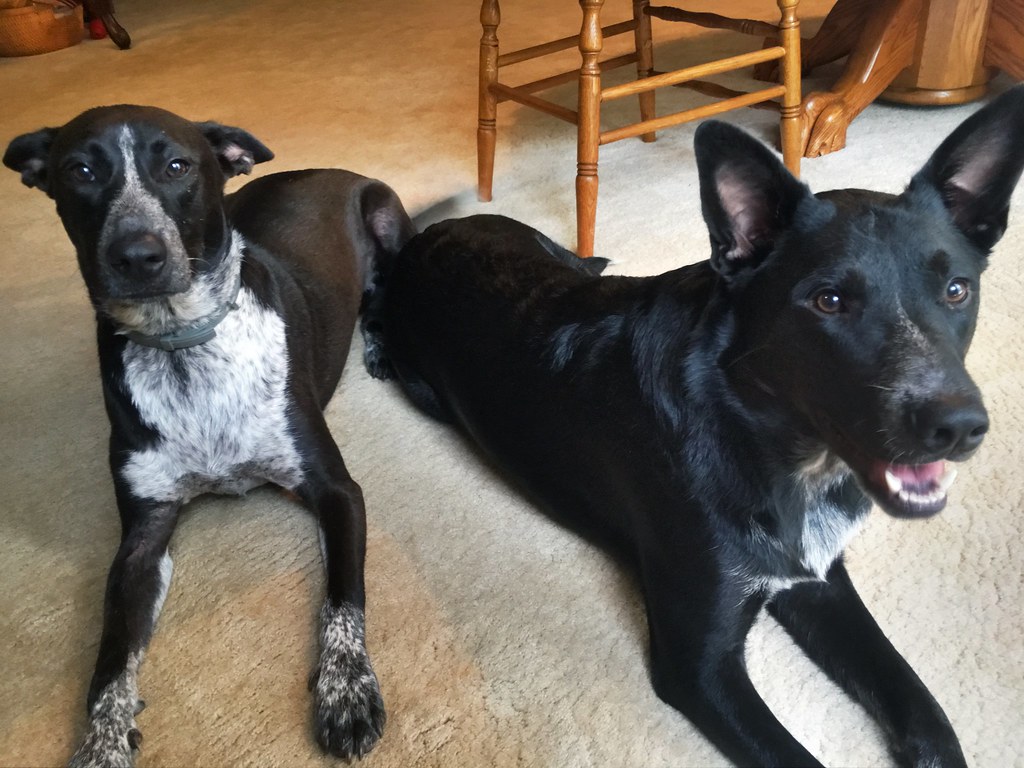
Understanding your dog’s body language is crucial in preventing them from getting into dangerous situations. Dogs often communicate their discomfort or fear through subtle cues, such as tucked tails, flattened ears, or avoiding eye contact. By recognizing these signs, you can intervene before a situation escalates. For instance, if your dog seems uneasy around certain environments or other animals, it’s best to remove them from the situation and provide comfort. This not only keeps them safe but also strengthens your bond as they learn to trust you in guiding them away from harm.
By taking these steps, you can equip your dog with the skills they need to navigate the world safely. It’s not just about preventing accidents; it’s about building a trusting relationship where your dog feels secure and understood. With time, patience, and love, you can teach your dog to avoid hazardous situations, ensuring a long and happy life together.
Andrew Alpin from India is the Brand Manager of Doggo digest. Andrew is an experienced content specialist and social media manager with a passion for writing. His forte includes health and wellness, Travel, Animals, and Nature. A nature nomad, Andrew is obsessed with mountains and loves high-altitude trekking. He has been on several Himalayan treks in India including the Everest Base Camp in Nepal.


