
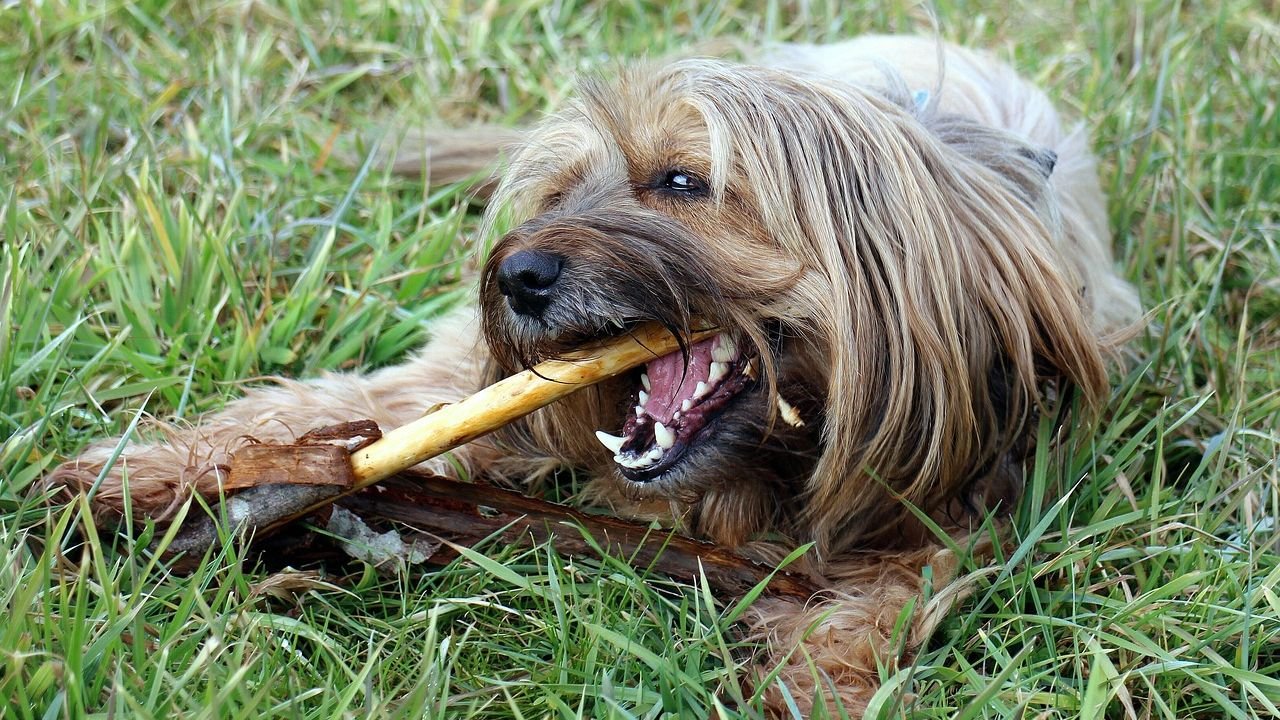
You know that moment when your furry best friend leans in for a sweet cuddle and you’re hit with breath that could knock you sideways? Maybe you laugh it off as just typical dog breath. After all, they’ve been chewing on toys, licking who knows what, and doing all those wonderfully gross dog things.
I get it. Most of us assume a little stink is just part of the package when you love a dog. Thing is, what if that smell is trying to tell you something important? Sometimes, that nasty odor isn’t just about what they ate or how long it’s been since their last tooth brushing. It can be a red flag waving right in front of your face, signaling that something deeper is wrong with your pup’s health. Let’s take a closer look at why that bad breath deserves your attention and what it might be revealing about your dog’s wellbeing.
The Mouth Story: When Dental Disease Takes Over
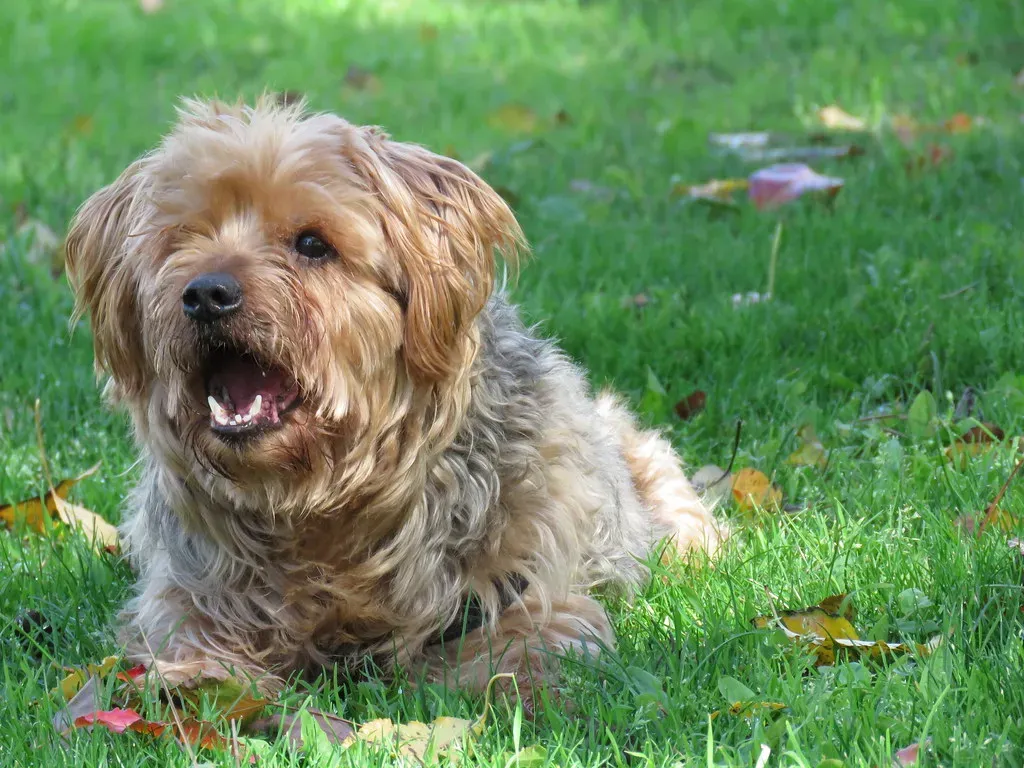
The most common cause of bad breath in dogs is periodontal disease. Oral health issues can cover problems ranging from tooth decay to gum disease and oral infections. Think about it this way: when bacteria and leftover food hang around in your dog’s mouth without being cleaned away, they throw a party. The result? Plaque buildup and that stubborn, persistent smell.
Bacteria in the mouth produce sulfur compounds that lead to bad breath. What starts as mild inflammation along the gum line can quickly spiral into something far more serious. Depending on the severity of periodontal disease, it can be quite painful for dogs, and may cause them to stop eating. Your dog might not complain out loud, since they’re masters at hiding discomfort, but trust me, their mouth could be hurting more than you realize.
Reading the Warning Signs Your Dog Is Sending You
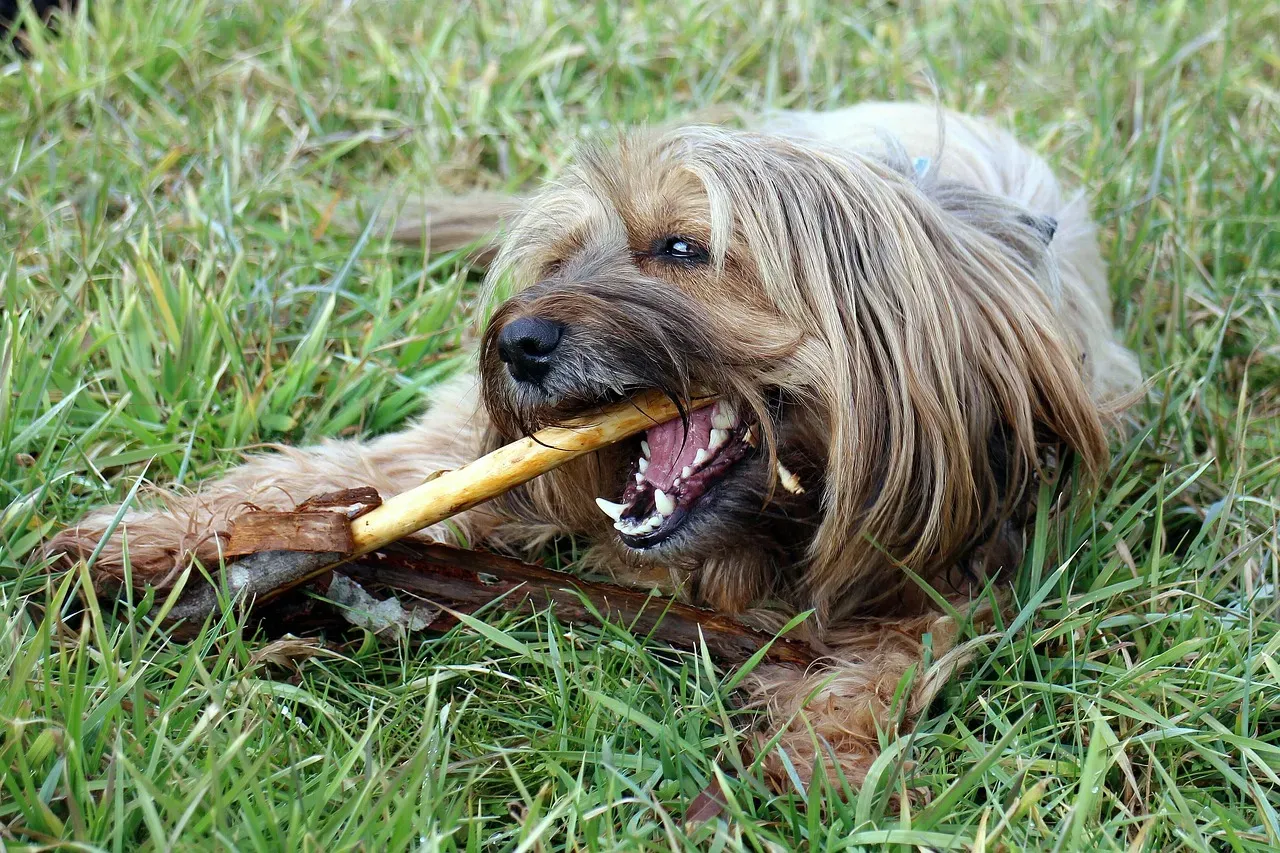
Here’s the thing about dental problems: they don’t always announce themselves loudly. You might notice your pup pawing at their mouth occasionally or dropping food while eating. Maybe they’re suddenly less interested in their favorite crunchy treats. Gum disease can cause gum erosion, chronic pain, tooth loss and bone loss.
Pay close attention if you spot red or swollen gums when you peek inside their mouth. Studies show that 80-90% of dogs over the age of 3 have some component of periodontal disease. That’s honestly staggering. The scary part? Periodontal disease is usually not recognized until it is at an advanced stage because there are often no outward signs of a problem.
When Bad Breath Smells Like Something Worse: Kidney Trouble
Now, let’s talk about when that bad breath takes on a particularly unpleasant character. Urea can make a dog’s breath smell like ammonia or urine, which may be an indicator of serious kidney dysfunction. If you’re catching whiffs of something that reminds you of a litter box or harsh cleaning products, that’s not normal dog breath.
When a dog’s kidneys aren’t functioning properly they have trouble filtering toxins and waste materials which can cause them to build up in their body. Those kidneys work tirelessly to clean your dog’s blood, and when they start failing, waste products like urea accumulate. It’s not just about the smell at that point. It’s about your dog’s organs struggling to do their job, and that breath odor is basically their body crying out for help.
Sweet Breath Isn’t Always a Good Thing: The Diabetes Connection

Honestly, this one surprises a lot of dog parents. Dogs that are producing ketones secondary to diabetes may have an acetone or sweet smell to their breath, and dogs with diabetes often have other symptoms such as weight loss, changes in appetite, and increased thirst and urination. Some people describe it as smelling like fruit or even nail polish remover.
Diabetes causes chemicals called ketones to build up in the body which leads to a variety of symptoms including sweet smelling breath similar to pear drops or nail polish remover. If your dog suddenly starts drinking water like they’ve been lost in the desert and they’re peeing constantly, combined with that oddly sweet breath, get them to the vet quickly. Ketoacidosis is a potentially life-threatening acute condition that can be accompanied by rapid breathing, dehydration, lethargy, vomiting, or sweet-smelling breath.
Liver Disease and Other Serious Culprits Behind the Stink
Bad breath, vomiting, and diarrhea are all symptoms of liver disease, and if you suspect liver disease, you should bring your dog to your vet or nearest emergency veterinary clinic right away. The liver is essentially your dog’s detox center, working constantly to filter out harmful substances. When it’s not functioning properly, things go south fast.
If your dog has recently developed seriously bad breath and their new scent is accompanied by concerning symptoms like vomiting and diarrhea, liver disease may be the root cause of their symptoms. The combination of these symptoms together is what should really get your attention. One symptom alone might be a fluke, but multiple red flags at once? That’s your cue to act.
What You Can Actually Do About It
Let’s be real: you can’t diagnose or treat serious conditions like kidney failure or diabetes at home. What you can do is take charge of your dog’s dental health and watch for warning signs. The best way to prevent tartar build-up is through daily tooth brushing using a toothpaste that is specifically formulated for dogs and is designed to be swallowed.
Starting when they’re puppies makes the whole process easier, but honestly, it’s never too late to begin. Weekly to daily brushing with canine toothpaste and toothbrushes can be the most effective way to prevent plaque formation, and dental treats can either help physically remove plaque as your dog chews or may contain additives that promote a healthy oral environment. If your pup absolutely refuses to let you near their mouth with a toothbrush, dental chews and specially formulated foods can help, though they’re not quite as effective as brushing.
Schedule regular veterinary dental cleanings, too. It is crucial not to ignore any changes in the smell of your dog’s breath and to take them to the vet for examination and diagnosis. Prevention is always cheaper and less traumatic than dealing with advanced disease. Keep toxic substances like certain houseplants, human medications, and foods away from your dog to protect their liver and kidneys from damage in the first place.
Conclusion: Trust Your Nose and Your Instincts
Bad breath in dogs is never something you should just accept as normal. Sure, their breath might not smell like roses after they’ve been playing in the yard, but there’s a difference between mild doggy breath and something that makes you want to leave the room. That smell could be your first clue that periodontal disease is taking hold, or worse, that your dog’s kidneys, liver, or pancreas are in trouble.
Your dog depends on you to notice these things and take action. The good news? Catching problems early often means simpler treatments and better outcomes. So next time your pup comes in for cuddles and you catch a whiff of something off, don’t just turn your head away. Take a moment to really think about what that smell might be telling you. Your dog’s health could literally depend on it.
What have you noticed about your dog’s breath lately? Has anything changed that made you wonder if something was wrong? Trust yourself on this one.


