
Picture this. You’re sitting on the couch with your dog, reaching over to grab your TV remote, when suddenly there’s a low, rumbling growl. Your heart skips a beat. Your brain screams “danger.” You pull back, completely unsettled, wondering if the sweet pup you’ve raised has suddenly turned on you.
Here’s the thing – that growl might not mean what you think it does. Many people believe that dogs always growl due to aggression, however there are so many different reasons why your dog may be growling. Misreading that sound could lead you to make a decision that actually makes things worse for both of you. So before panic takes over, let’s slow down, tune in, and learn to truly listen to what your dog is trying to say. You might be surprised at how much they’re communicating. Let’s dive in.
Growling Is Communication, Not a Crime
Dog growling is simply a method of communication – it’s your dog trying to tell you something. Think of it like a person saying “I’m uncomfortable” or “please stop.” It’s not inherently evil or dangerous. Honestly, I think one of the biggest mistakes dog owners make is treating growling like it’s a behavior that needs to be silenced rather than understood.
As a pack-oriented predatory animal, growling is hard-wired into all dogs. It does not need to be learned – they just do it instinctively. Growling is part of normal canine communication. People usually think of a dog’s growl as a warning or as a sign of defense, and while growling often means that a dog needs space or is uncomfortable, growling is a complex vocalization that also occurs in other situations. In other words, your dog isn’t broken. They’re just talking to you in the only language they have.
Growling is our dog’s way of telling us “something is bothering me.” It is important communication, and simply sweeping it under the rug is not the best way to address the issue. So the very first step is shifting your mindset. A growl is a gift of information, not an act of war.
The Play Growl: When Ferocious Sounds Mean Pure Fun
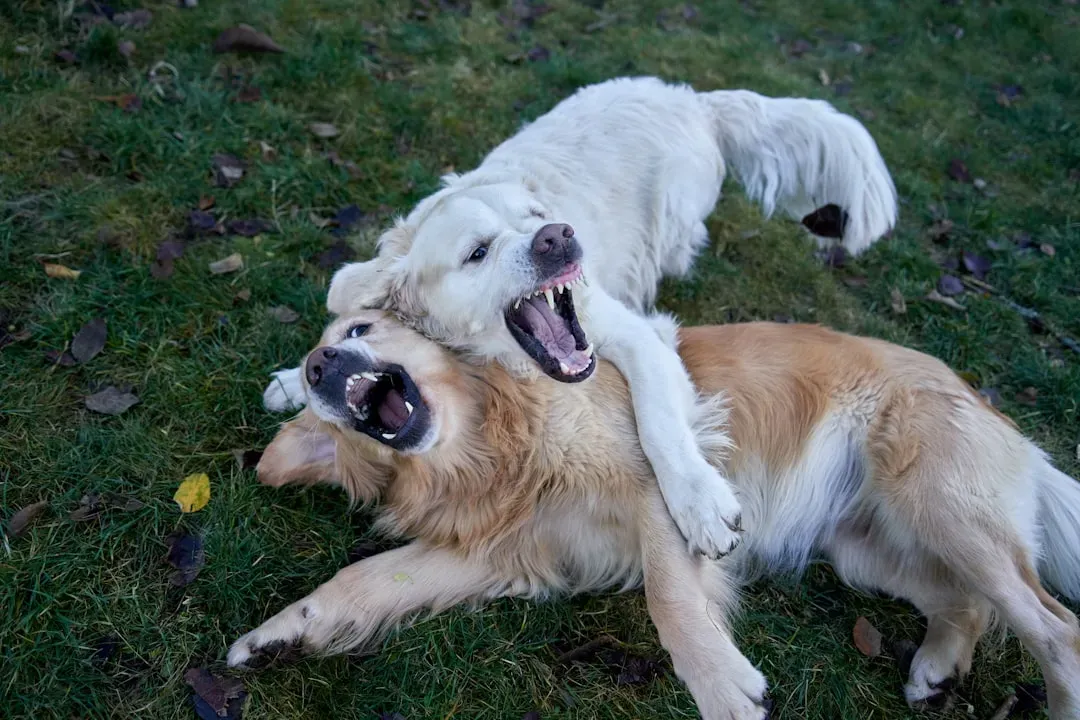
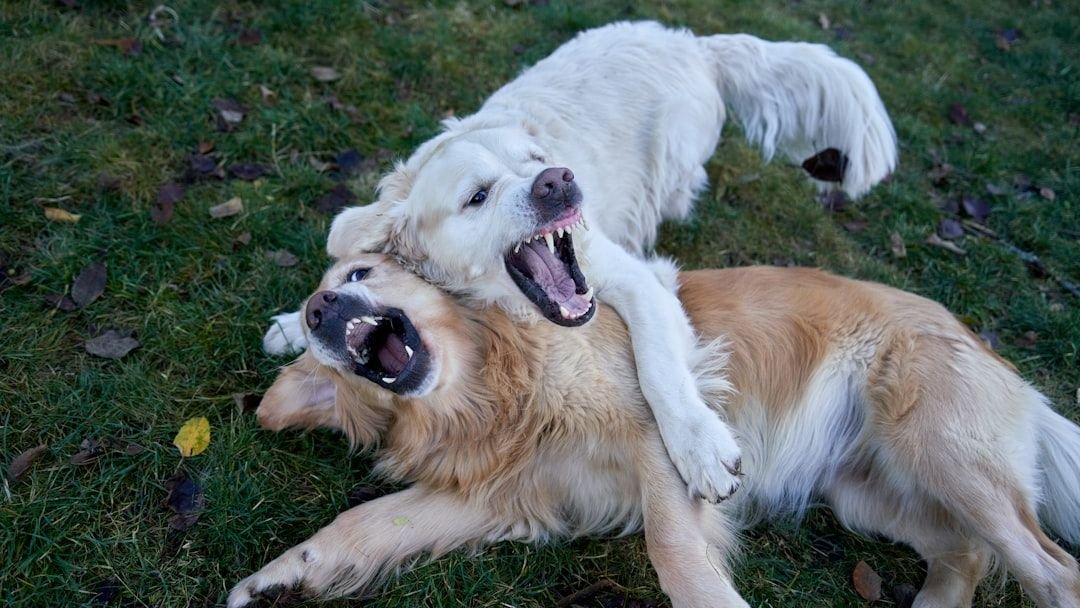
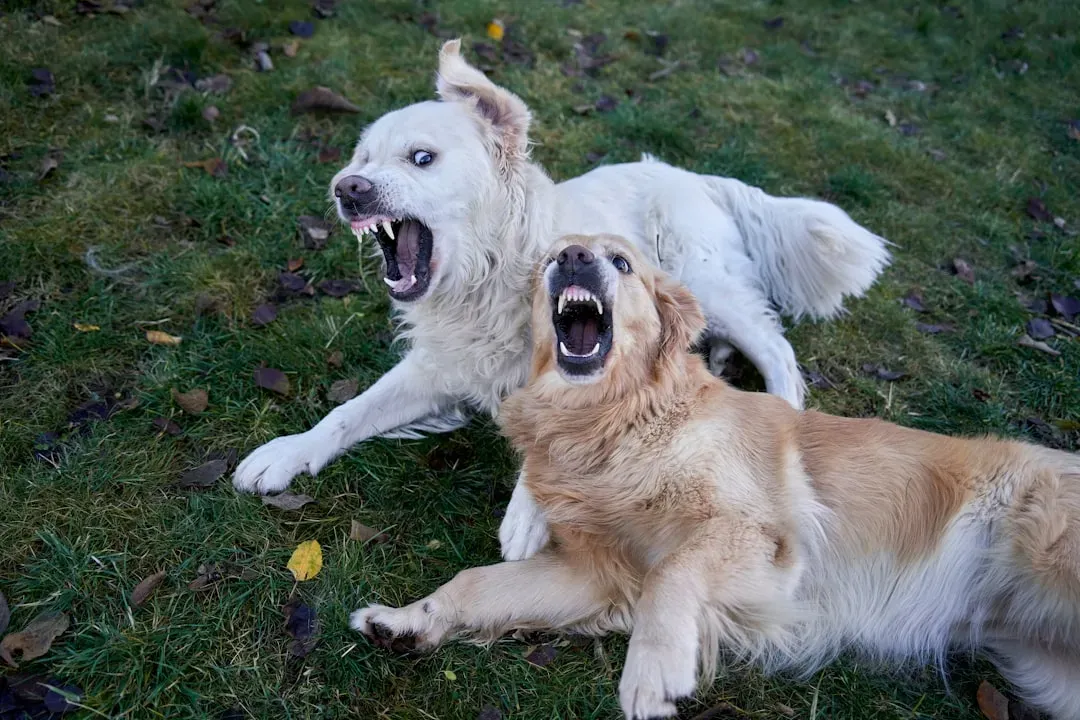
You’re rolling around on the floor with your dog, tug rope in hand, and suddenly there’s a terrifyingly loud growl erupting from that adorable face. Before you panic, take a breath and look at the whole picture. Dogs often growl playfully during interactions, signaling their enjoyment and enthusiasm. Playful growling is usually accompanied by a wagging tail, loose body language, and a relaxed facial expression. This type of growling serves as a form of communication during play, indicating that a dog is having fun and engaging positively.
In fact, some growling is positive. Many dogs grunt and grumble during playtime because they’re having fun. Play growling can appear to be very ferocious to the novice dog owner. It can be heard in dog-to-dog play activities but also when playing tug-of-war or rough housing with humans. This is “good growling” and nothing to worry about.
If the growl is accompanied by the dog dropping its elbows onto the ground, while its wiggling butt and wagging tail are flopping side to side in the air, this might indicate playfulness. On the contrary, if the growl is paired with a stiff, erect tail, forward ears, and snarling teeth, this might tell us that the dog is trying to give a warning. Context is everything. Learn to read the whole dog, not just the sound.
Fear-Based Growling: Your Dog Is Scared, Not Spiteful
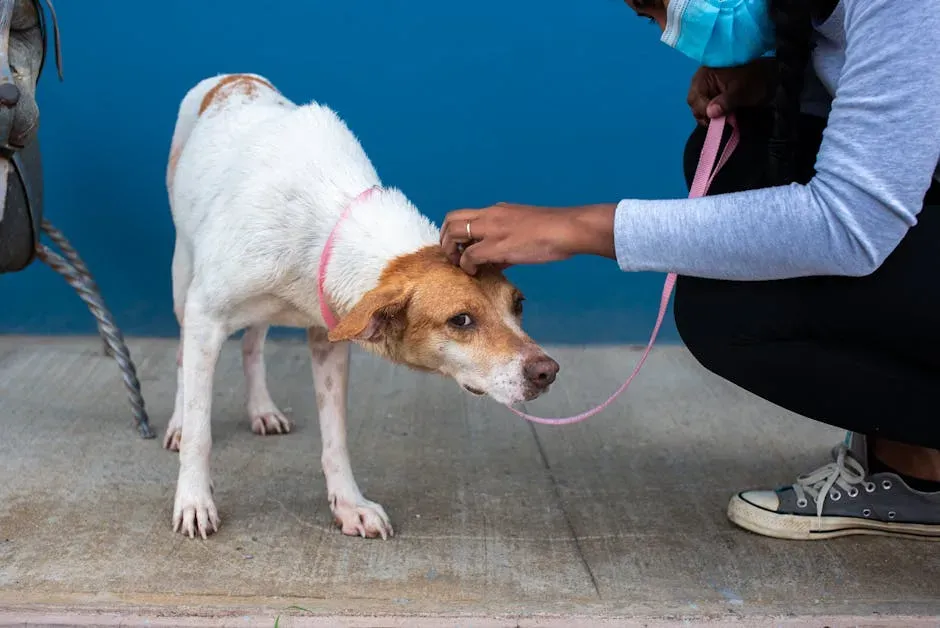
Fear is one of the most misunderstood triggers behind a growl. Imagine someone backing you into a corner – chances are you’d say or do something defensive too. Another common reason for growling is fear or anxiety. Dogs, like humans, can experience discomfort in specific situations that trigger their fears. When growling is a result of fear or anxiety, it is important to approach the dog with empathy and understanding.
Another common reason that dogs growl is due to fear. Like humans, dogs can feel frightened when put in a new or uncomfortable situation. A dog in distress may display a variety of signs aside from growling, such as panting, shivering, drooling, pacing, excessive licking, urination, or destructive behavior. These are crucial health and behavioral signals that deserve your attention, not a correction.
Punishment or forceful actions will only worsen the dog’s fear and potentially lead to aggressive behaviors. Addressing the underlying fear or anxiety through behavior modification techniques, such as desensitization and counterconditioning, can help reduce growling behavior in fearful dogs. In other words, compassion is the strategy here. Force will only make it worse, and I’d go as far as saying punishing a scared dog is one of the most counterproductive things an owner can do.
When a Growl IS a Real Warning: Reading the Danger Signs
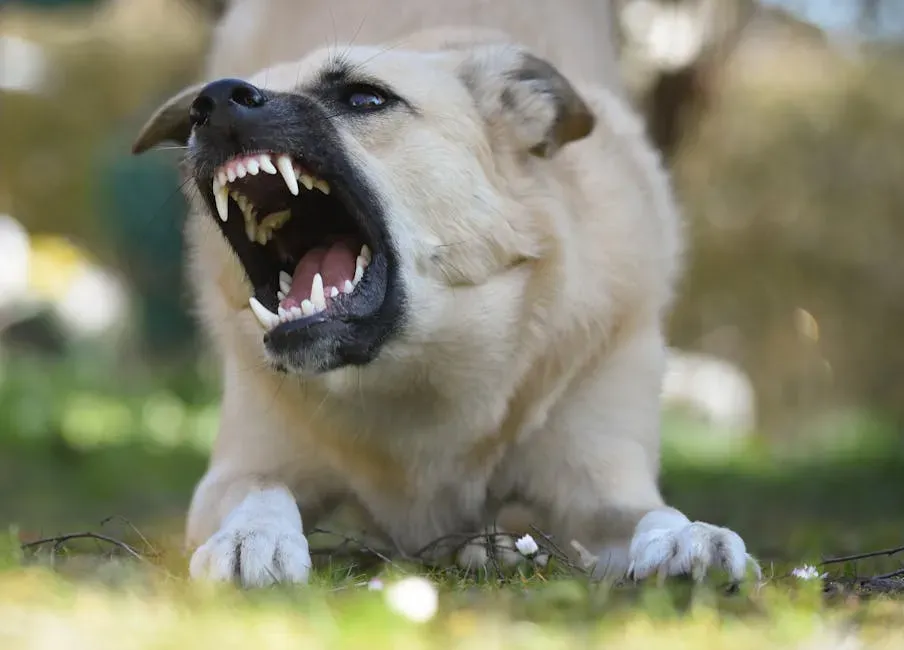
Let’s be real. Not every growl is a happy play rumble or a fear-based plea. Sometimes a growl genuinely means “back off right now,” and reading those signs correctly could prevent a bite. A dog behaving aggressively is most usually about them wanting to end a scary or difficult situation or get space from a situation. This is often a “last resort” signal before resorting to a nip or bite when a dog feels that their other more subtle body language signals have been ignored.
Threat growling can be very subtle to the untrained eye. It may be at low volume accompanied by a closed mouth, dilated pupils, stiff body language, and no breathing. Aggressive body language includes stiffening or freezing of the body, eyes wide with a lot of white showing (whale eye), tense mouth or curled lips, wrinkled nose, showing teeth, barking, growling, and air snapping. When you see a combination of these signals together, that is your cue to act carefully and calmly.
Aggressive incidents usually follow predictable escalation patterns: subtle avoidance, then more obvious avoidance, then warning signals, then air snapping, and finally contact. Learning to recognize early steps prevents escalation to dangerous levels. Think of this like a ladder – the sooner you step in and de-escalate, the less likely anyone gets hurt. If you’re not sure whether a growl is potentially aggressive or not – stop what you’re doing and back off, or remove your dog from the situation.
Why You Should Never Punish a Growl (And What to Do Instead)
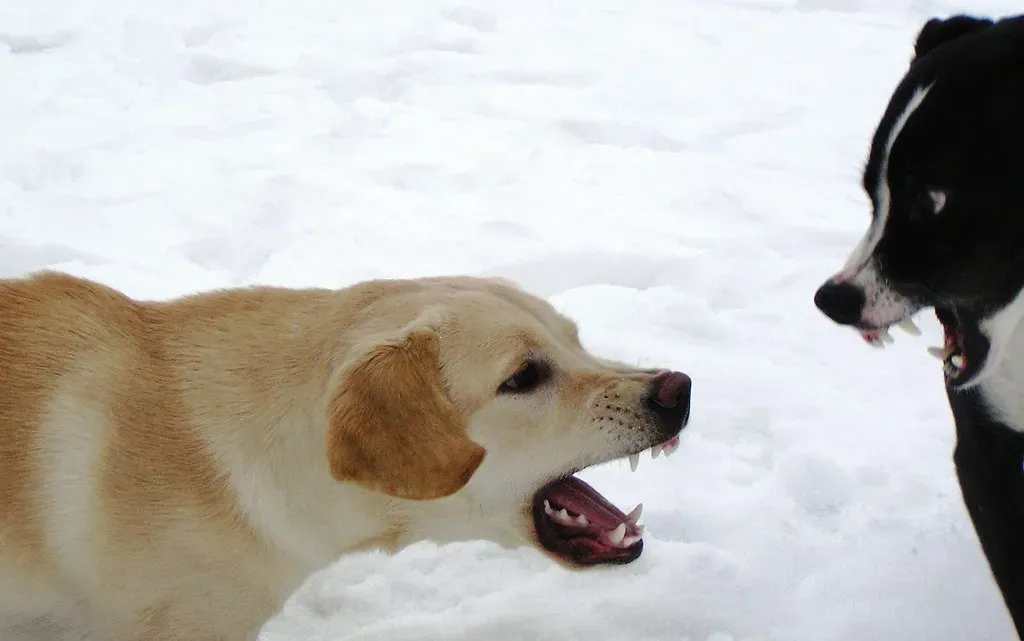
This might be the most important thing you read today. Suppressing a growl feels intuitive – it’s loud, it’s scary, and you want it to stop. But punishing your dog for growling is one of the most dangerous things you can do. If you punish your dog for growling, you will only inhibit the growling. You won’t have done anything to address the underlying issue. For example, punishing your dog for growling in the presence of other dogs will stop the growling. However, your dog will still feel uncomfortable around other dogs. Even worse, the lack of growling might fool you into thinking otherwise. Meanwhile, your dog is still stressed and just might snap without the benefit of a warning.
When you punish a growl or other early warning signs, you may succeed in suppressing the warning behavior, but this doesn’t remove the stress that caused the growl in the first place. Actually, you increase the stress, because now you, the dog’s owner, have become unpredictable and violent as well. If you succeed in suppressing the warning signs, you end up with a dog who bites without warning.
So what should you do instead? Permanently address the growling with a behavior modification program. Techniques such as desensitization and counterconditioning can change your dog’s attitude toward the underlying issue that caused the growling in the first place. For your dog’s sake and your own safety, you need to help your dog become comfortable with the things that once caused them so much stress. These aren’t overnight solutions and might require the assistance of a dog trainer or animal behaviorist. It takes patience. But the trust you build is absolutely worth it.
Conclusion: Becoming Fluent in Your Dog’s Language
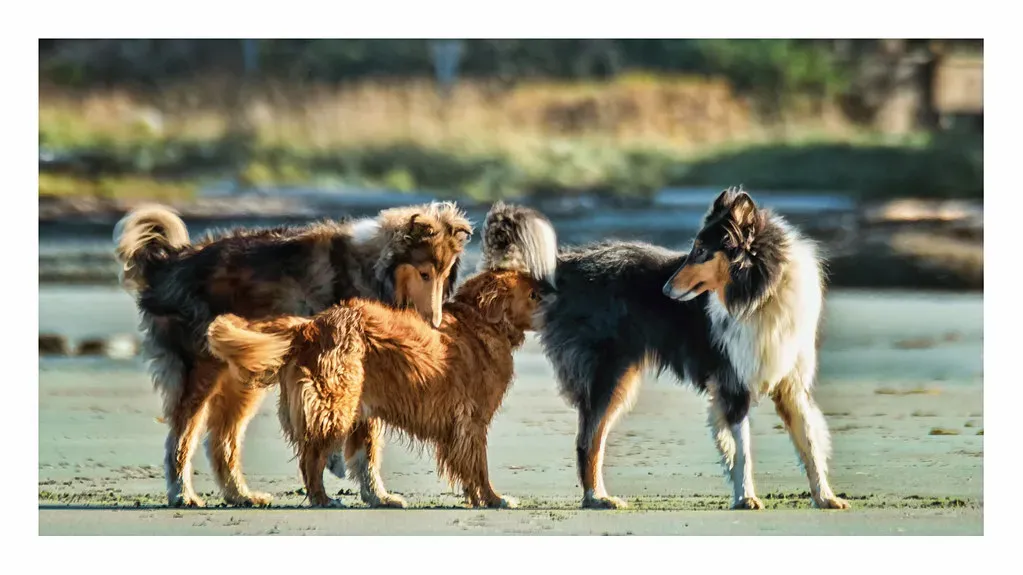
Your dog is talking to you every single day. Through growls, posture, tail position, eye contact, and a dozen other subtle signals, they’re constantly sharing how they feel. Dogs are constantly communicating through body language, facial expressions, and energy, but most humans miss the vast majority of these signals. Learning to read dog body language isn’t just interesting – it’s essential for preventing problems, building better relationships with dogs, and keeping everyone safe.
The journey to understanding your dog’s growls and warning signals isn’t just about avoiding bites. It’s about deepening trust. Your dog is “talking” to you all the time. If you learn what your dog is saying, you will develop a deeper bond of trust and respect. Plus, your newfound understanding of your dog’s emotional state can help you predict their behavior and prevent problems before they arise.
You chose to be your dog’s person. That means choosing to truly listen, even when the message is a growl. I’d argue that the dogs who feel heard are the ones who rarely need to escalate in the first place. They trust that their voice matters – and it does.
So the next time your dog growls, pause before you react. What are they really trying to say? You might be surprised by what you hear.


