
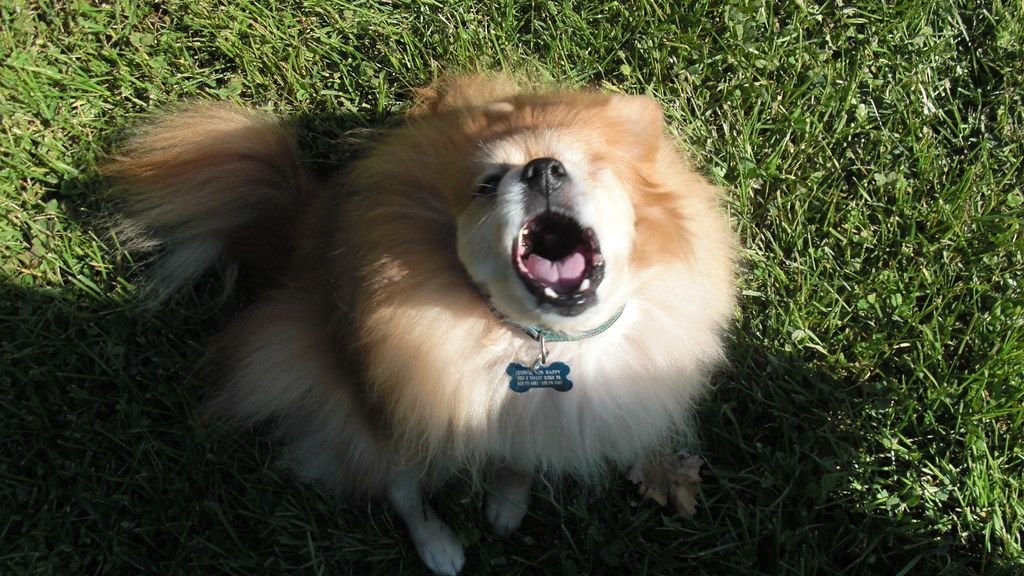
Let’s be honest. If silence is golden in your world, then certain dog breeds are probably more like glitter cannons of noise. I get it – you’ve been dreaming of cozy evenings with your furry companion curled up beside you, the only sound being the gentle rustle of pages as you read. Perhaps you envision peaceful weekend mornings without a symphony of barks echoing through your home. That’s a lovely picture, truly.
Here’s the thing, though. Some breeds were literally designed to be loud. Their voices served a purpose – alerting hunters, warning of danger, or communicating across vast distances. That instinct doesn’t just disappear because they now live in a suburban home instead of hunting grounds. These vocal tendencies are woven into their very DNA.
If tranquility tops your list of must-haves, you’ll want to keep reading. Because the breeds we’re about to explore aren’t just occasionally chatty – they’re full-on conversationalists who have opinions about everything from the mailman to a leaf blowing past the window. So let’s dive in.
1. Beagles: The Melodious Howlers
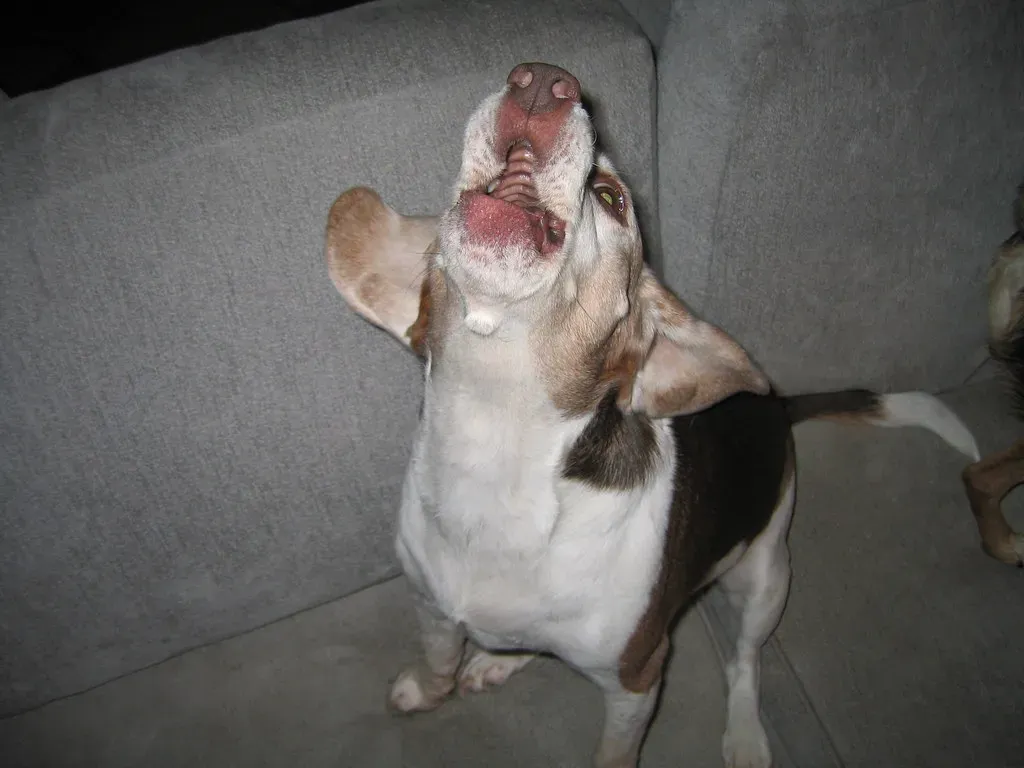
The name Beagle may come from the French word ‘be’gueule’, which means ‘open throat.’ How fitting is that? These adorable scent hounds weren’t bred for their looks alone.
Fans of the Beagle call his distinctive voice “musical,” but many Beagles sing along to sirens, “give tongue” when they are hunting, and bark when strangers come to the door. Their vocal repertoire includes three distinct sounds – a standard bark, a bay that sounds like a yodel, and a full-throated howl that can travel for miles.
Even if you are not using your Beagle for hunting, he will still use his howl to alert you when he has found a scent, as his hunting instinct is intrinsically part of his breed. That squirrel in your yard? Your Beagle will announce it like breaking news. The delivery truck three blocks away? Full concert mode.
Separation anxiety makes things worse. Most beagles will become very vocal if they are left alone a lot. Think about that before you commit to eight-hour workdays away from home.
2. Siberian Huskies: The Talkative Performers
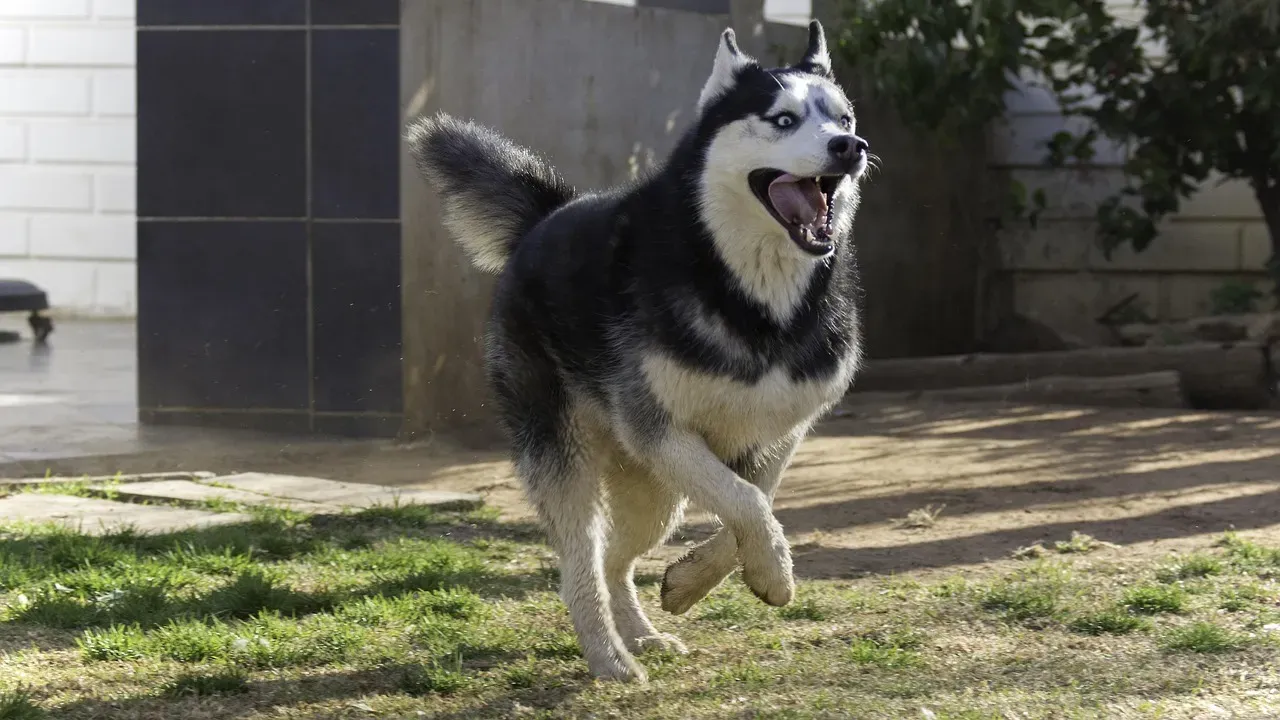
Siberian Huskies are said to be the most vocal of the loud dog breeds because they aren’t afraid to let their voices be heard. These stunning dogs don’t just bark – they hold entire conversations with you.
Huskies will whine, howl, groan and ‘talk’ for hours. Their vocalizations stem from their wolf ancestry and their history as sled dogs who needed to communicate across vast frozen distances. That genetic memory remains strong.
Honestly, some Husky owners find this charming at first. The novelty wears thin around 2 a.m. when your dog decides to serenade the moon. They howl when they’re bored, when they’re excited, when they want your attention, or sometimes just because they feel like it.
While they are generally not constant barkers, they do love to howl and can be quite noisy, especially if they’re left alone or feeling restless. Mental and physical stimulation helps, but eliminating the vocalization entirely? Nearly impossible.
3. Chihuahuas: Tiny Dogs With Enormous Voices
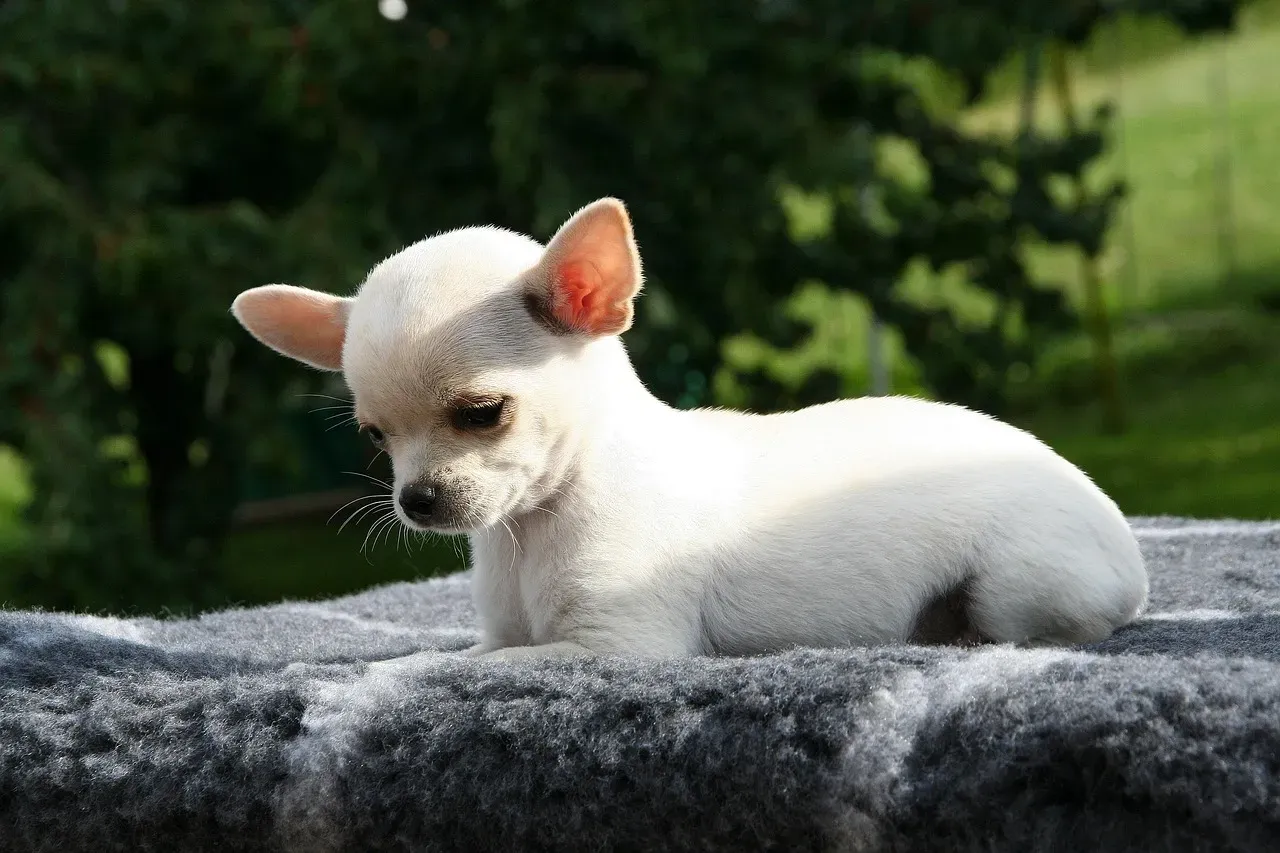
The AKC ranks the Chihuahua at the top of the very vocal dog list, letting you know when it’s bored, excited, or when someone comes to the door because they are territorial, have boundless energy, and get excited easily.
Don’t let their pocket size fool you. They may be small in size, but they are very territorial, and when they perceive something or someone as a threat, the incessant barking will begin. Given their diminutive stature, basically everything can register as threatening.
I think what surprises people most is the pitch. It’s not a deep, booming bark you can almost tune out. It’s sharp, high-pitched, and designed by nature to pierce through any background noise. Your neighbor two houses down will know when your Chihuahua has opinions about the gardener.
They’re also emotional little creatures who express every feeling vocally. New food bowl? Barking. Stranger at the door? Barking. Feeling lonely? You guessed it – more barking.
4. Yorkshire Terriers: The Sassy Yappers
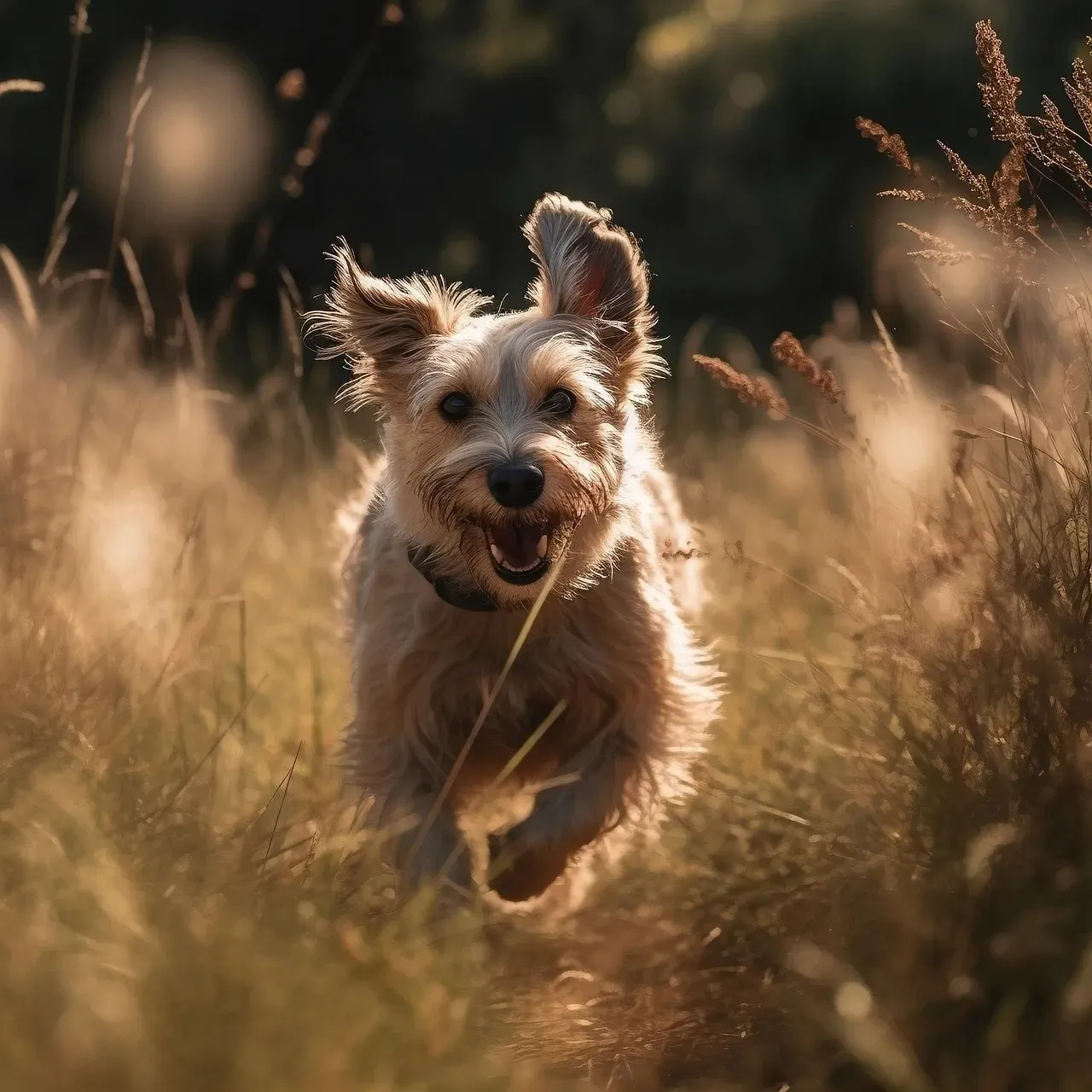
The Yorkie has a reputation for being a boisterous little pup, and he tends to be a natural yapper and, even with proper training and plenty of distractions, he won’t be silenced.
These glamorous little terriers were originally bred in England to catch rats in textile mills. That job required alertness and a willingness to announce every single suspicious movement. They’re smart, confident, and full of personality.
The challenge with Yorkies is their refusal to acknowledge their size. They genuinely believe they’re massive guard dogs capable of protecting your entire household. Every unfamiliar person, sound, or animal triggers their alarm system.
Training helps to some degree, but let’s be real – their stubborn streak runs deep. They’ll learn commands when it suits them, but silencing that innate terrier vocal tendency? That’s asking a leopard to change its spots.
5. Miniature Schnauzers: The Alert Announcers
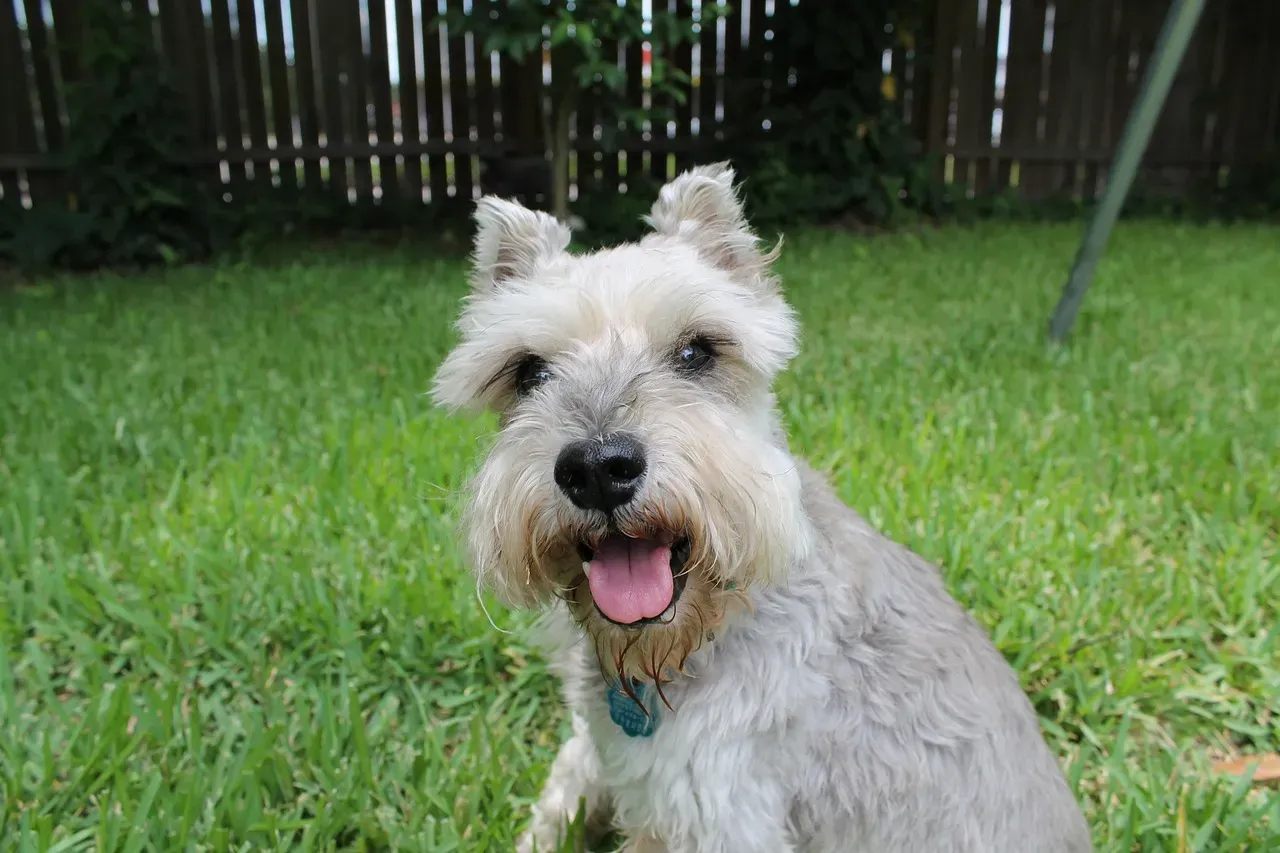
The Miniature Schnauzer tends to be lively and active, wanting to participate in everything you’re doing and alert you to everything else with a sharp bark, and it is possible to train her not to lose her mind every time the doorbell rings, but it’s important to realize that her natural inclination is to bark – loudly and proudly.
These bearded beauties were historically bred as farm watchdogs. Their job was literally to bark at anything unusual. That instinct hasn’t faded one bit despite generations of living as companion animals.
They’re naturally vocal and use barking as their main way to communicate, and their high intelligence and lively nature also mean they bark when they’re bored or just want attention. They’ll narrate your entire day if you let them.
What makes Miniature Schnauzers particularly challenging for quiet-seekers is their persistence. They don’t give up easily. If barking once doesn’t get your attention, they’ll try seventeen more times with increasing volume and urgency.
6. Basset Hounds: The Deep-Voiced Bayers

The Basset’s melodious, classic hound howl is almost as famous as his short-legged stature and hangdog face, and if a Basset is left alone in the backyard, his piteous vocalizations can be heard for miles around.
That droopy face might look mournful and quiet, but appearances deceive. Basset Hounds possess incredibly powerful voices for dogs of their size. Their howl has an almost haunting quality that carries remarkably far.
Basset Hounds tend to be louder when left alone, which could be because this breed suffers from separation anxiety. They’re pack animals who genuinely struggle with solitude. That struggle gets expressed vocally – loudly and at length.
Their baying was essential during hunts to alert handlers to the hound’s location. Modern Bassets retain this instinct and will bay at interesting scents, perceived threats, boredom, or simply because they heard another dog vocalize somewhere in the neighborhood.
7. German Shepherds: The Protective Barkers
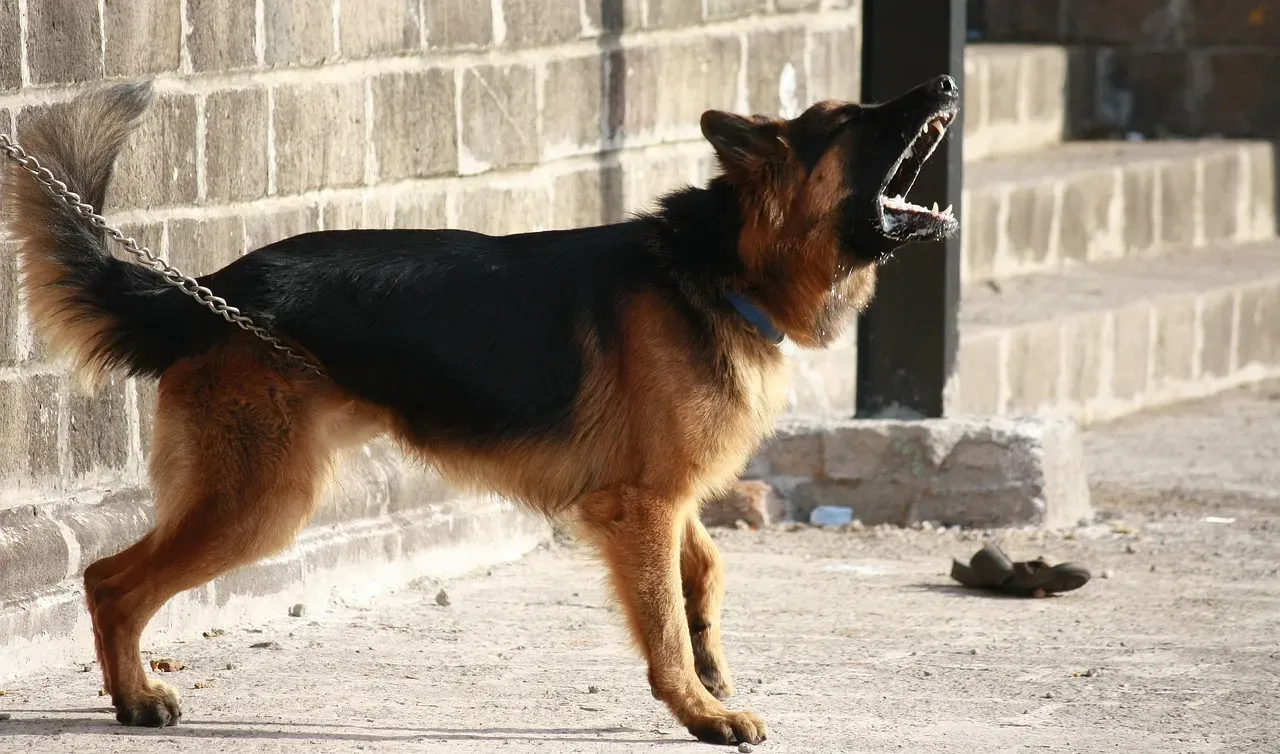
German Shepherds bark to alert their families, protect their space, or communicate stress or excitement, and their bark is deep, powerful, and commanding, often stopping strangers in their tracks.
These intelligent, loyal dogs take their guardian role seriously. Perhaps too seriously for those seeking peaceful homes. Their protective instincts mean they’re constantly monitoring their environment for potential threats.
German Shepherds are generally more expressive and have a very distinctive loud bark. It’s not subtle background noise – it’s authoritative and impossible to ignore. Your entire block will know when something’s caught your German Shepherd’s attention.
Without proper exercise or mental stimulation, boredom can make them even more vocal. These working dogs need jobs to do. Without sufficient mental challenges, they’ll create their own entertainment, which often involves extensive vocal commentary on neighborhood activities.
8. Dachshunds: The Fearless Barkers

This little scent hound was originally bred in Germany for hunting tunneling animals, such as rabbits and foxes. Their elongated bodies allowed them to pursue prey into burrows, and their bark served to alert hunters above ground.
Modern Dachshunds haven’t forgotten this heritage. They can be more vocal than your average pet dog, and they are great little watchdogs, so will alert you if people approach the home or if they perceive any danger.
The thing about Dachshunds is their complete lack of awareness regarding their size. They genuinely believe they’re intimidating guard dogs capable of defending your home against all intruders. This manifests in aggressive barking at anything unfamiliar.
Their bark also has surprising volume and depth for such small dogs. Neighbors definitely notice when your Dachshund decides something requires vocal commentary.
9. Pomeranians: The Fluffy Alarm Systems
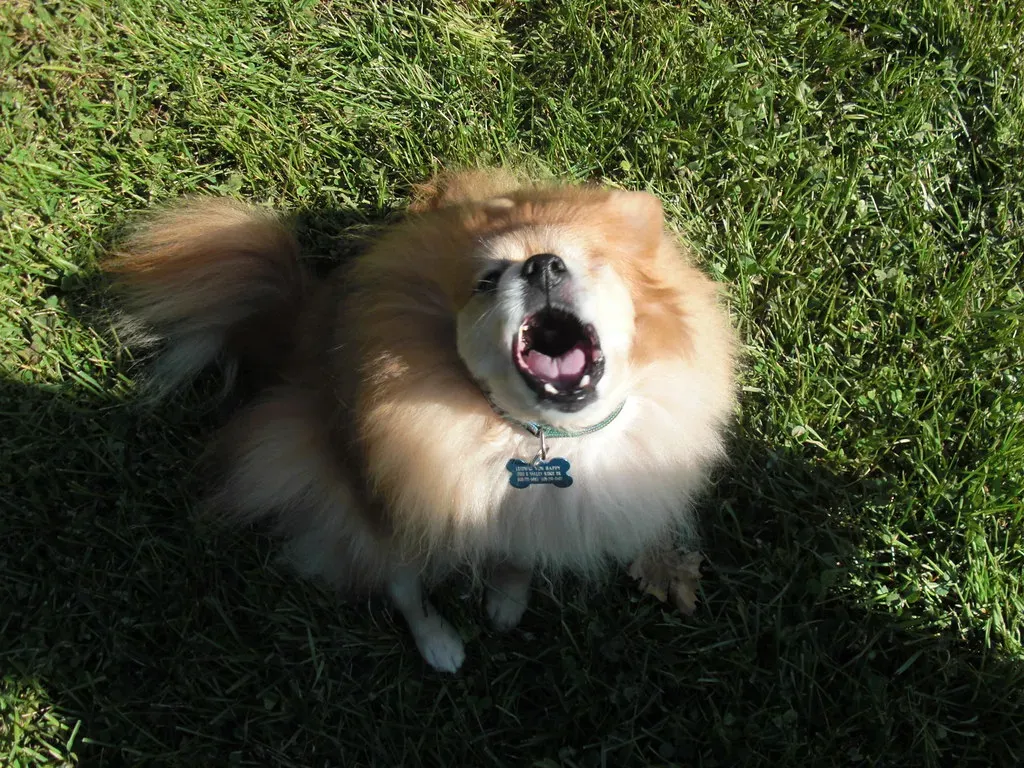
The Pomeranian is known to be a “yappy” dog, and although they are small, their barks are loud and sharp, making them excellent watchdogs. These adorable fluffballs pack serious vocal power into tiny packages.
Poms bark for many reasons – to warn, to get attention, or simply to share their excitement, and they’re extremely alert and quick to notice anything unusual, which makes them great watchdogs, however, their constant barking can sometimes be a sign of anxiety or boredom.
What really strikes me about Pomeranians is their confidence. They genuinely believe they’re the CEOs of your household, and CEOs must stay informed and vocal about everything. That leaf that just blew across the driveway? Executive decision required – with vocal announcement.
They love to snuggle and play and have a lot of energy for little dogs. That energy often translates into vocal expression when they’re understimulated or seeking attention.
10. Jack Russell Terriers: The Energetic Yappers
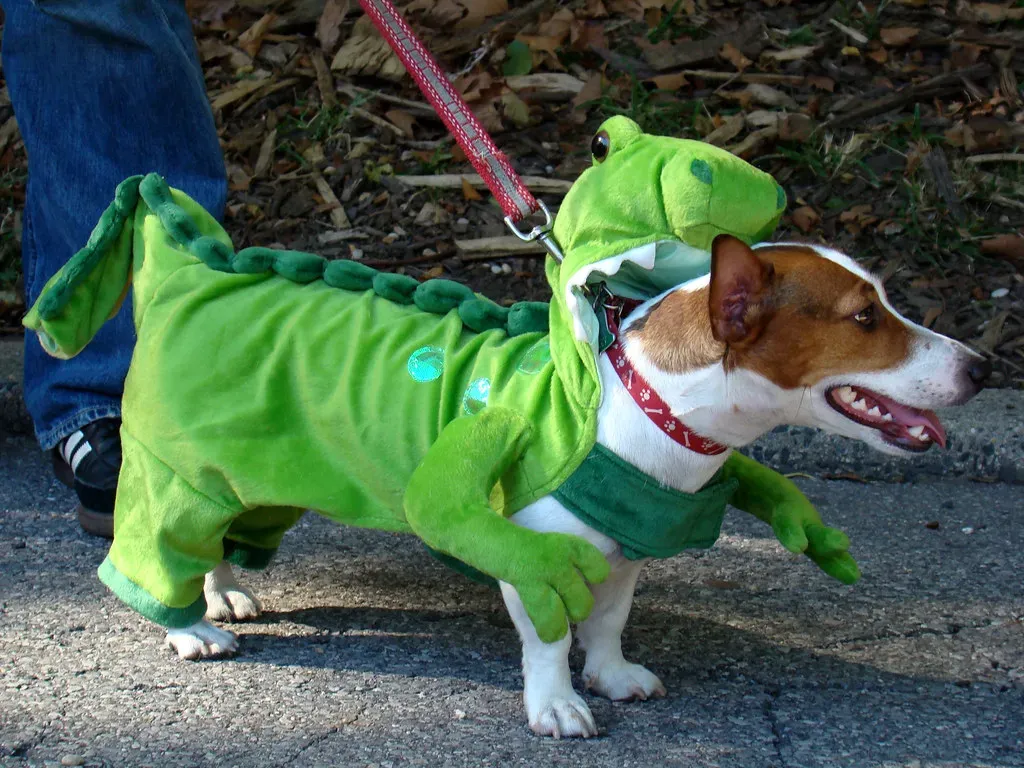
Digging and barking are two of the JRT’s greatest loves, and the tenacious little Terrier requires a great deal of patience and training. These high-energy dogs were bred for fox hunting, requiring stamina, courage, and vocal persistence.
Jack Russells approach life with intensity. Everything excites them, interests them, or requires investigation – all accompanied by extensive vocal commentary. They’re not background dogs content to observe quietly.
The small breed was meant to flush out foxes through excessive barking while on a hunt. That behavioral trait remains deeply embedded. Modern Jack Russells will bark at perceived prey, interesting scents, boredom, excitement, or any change in their environment.
Their intelligence actually makes the barking more challenging to control. They’re smart enough to know that barking gets results, and they’re stubborn enough to persist until it does. Without proper mental stimulation and physical exercise, their vocal tendencies intensify dramatically.
Conclusion: Choosing Wisely For Your Lifestyle

Here’s what I’ve learned through years of working with dogs – breed characteristics matter immensely when matching dogs to homes. These ten breeds aren’t “bad” dogs. They’re just honest about who they are, which happens to be vocal.
Your goal should be to decrease, rather than eliminate, the amount of barking, and bear in mind that some dogs are more prone to barking than others. Training helps, but expecting complete silence from naturally vocal breeds sets everyone up for frustration.
If you’ve fallen in love with one of these breeds despite their chatty nature, go in with eyes wide open. Invest in training from puppyhood, provide adequate exercise and mental stimulation, and accept that some vocalization comes with the territory. Your neighbors might appreciate a heads-up too.
For those genuinely committed to quiet companionship, consider breeds like Basenjis, Cavalier King Charles Spaniels, French Bulldogs, or Greyhounds instead. They’ll give you all the love without the constant commentary. What kind of home environment works best for you and your future furry friend?


