
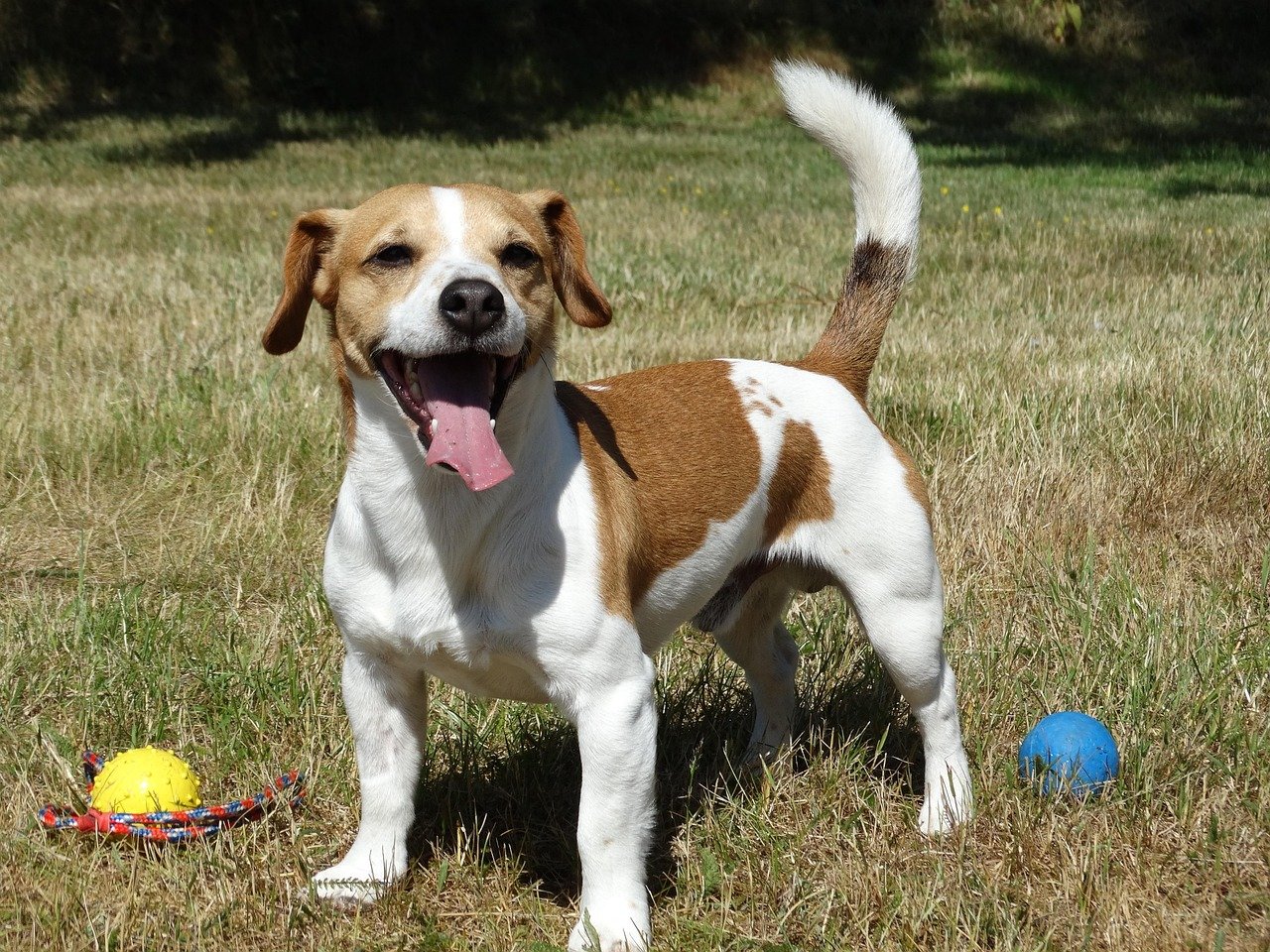

Have you ever come home to a living room that looks like a tornado blew through it? Shredded pillows, chewed-up shoes, and that unmistakable look of guilt from your four-legged friend—every dog lover knows the pain. Some dogs just can’t help themselves when left alone, and their destructive antics can leave even the most patient owners shaking their heads. While every pup is unique, certain breeds just seem to have a knack for chaos when boredom or anxiety strikes. Let’s dive into the 12 most destructive dog breeds when left home alone, and discover why these lovable troublemakers just can’t resist turning your home into their personal playground.
Labrador Retriever
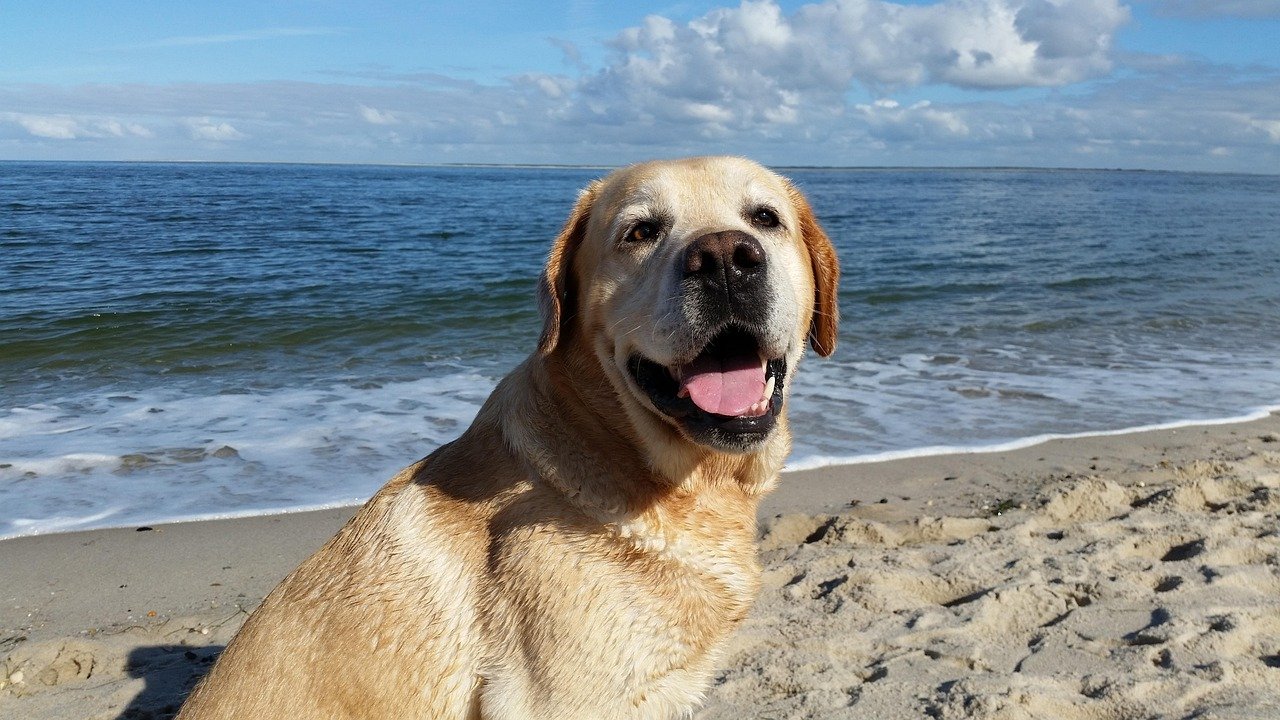
Labrador Retrievers are famous for their friendly personalities and boundless energy. But that energy can become a real handful if they’re left by themselves for too long. Labs are notorious for chewing anything they can find—furniture, shoes, remote controls, you name it. Their strong jaws and curious natures make them natural explorers, which isn’t always a good thing for your belongings.
Often, this destructive behavior isn’t out of malice but sheer boredom. Labs are highly intelligent and need both mental and physical stimulation to stay happy. Without enough exercise or interesting toys, they’ll invent their own games—which often involve tearing things apart. Owners who work long hours quickly learn that a tired Lab is a well-behaved Lab. Regular walks, challenging toys, and puzzle feeders can help curb their destructive tendencies.
Jack Russell Terrier
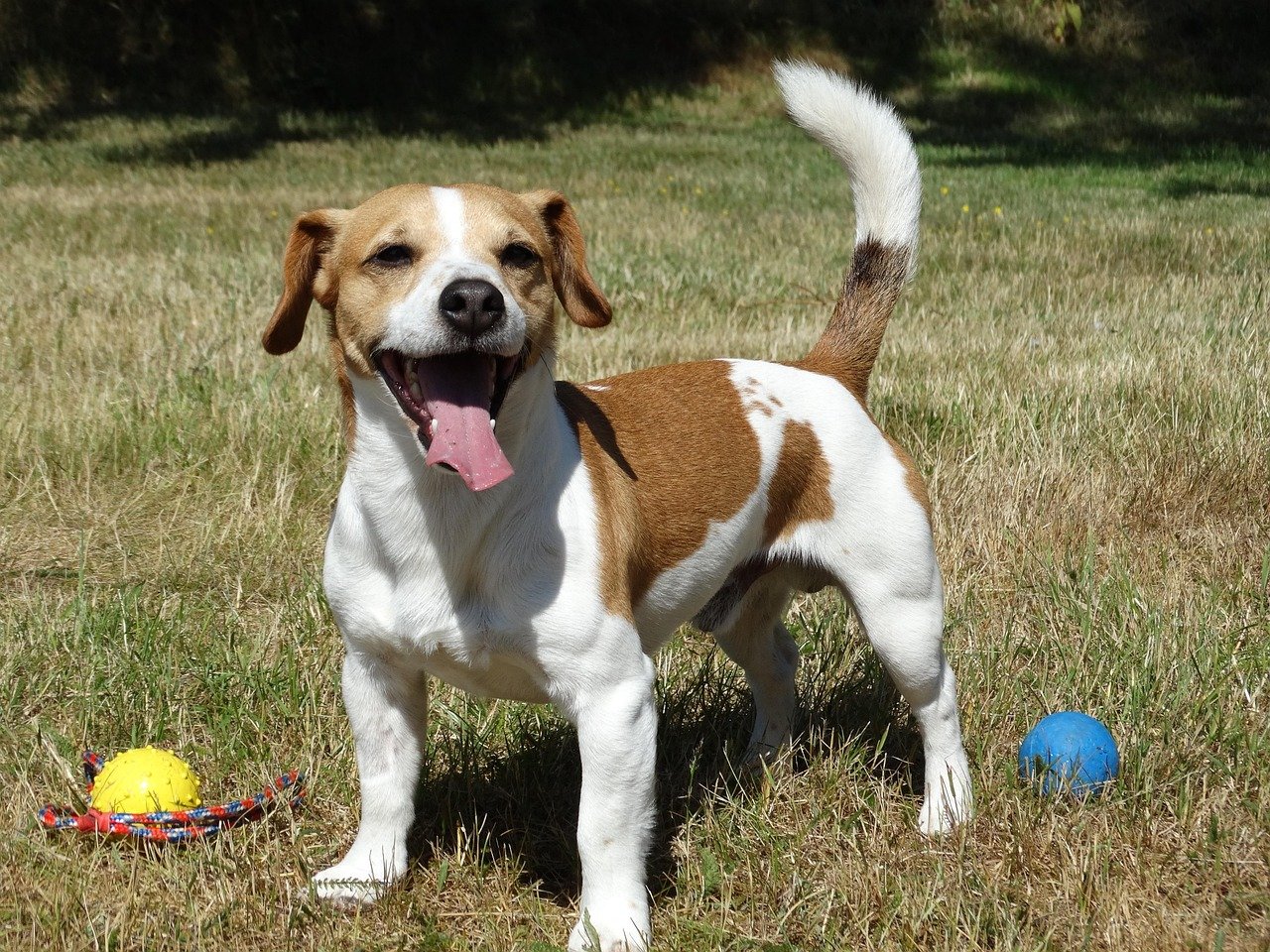
Don’t let their small size fool you—Jack Russell Terriers pack a tremendous amount of energy and determination. Known for their intelligence and stubborn streak, these little dogs can quickly become bored and restless when left alone. A bored Jack Russell will look for ways to entertain themselves, and that often spells disaster for your living room.
Digging, barking, and chewing are classic Jack Russell trademarks. Their strong prey drive and endless curiosity mean they’ll try to escape, dig through walls or carpets, or disassemble your couch if given the chance. Without plenty of exercise, mental challenges, and attention, their feisty nature can turn even a quick trip to the grocery store into a homecoming surprise you’d rather avoid.
Siberian Husky
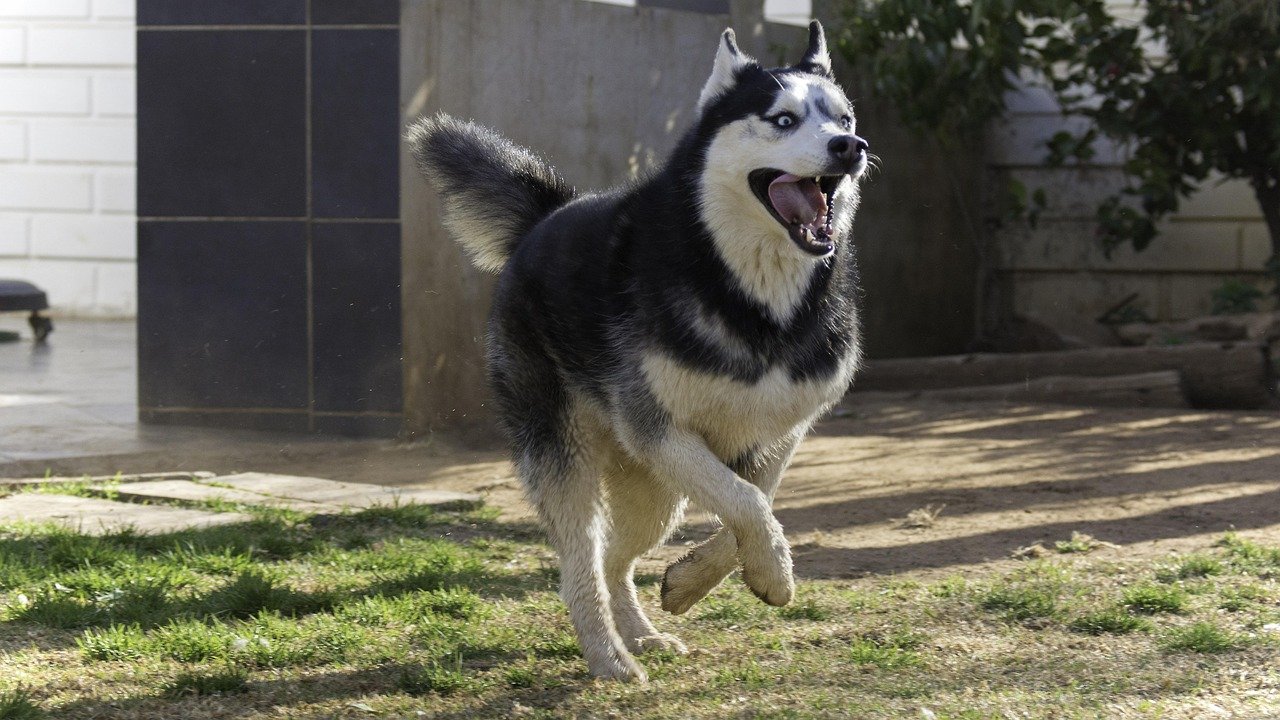
Siberian Huskies are beautiful, smart, and independent—which also makes them quite a handful when left alone. These dogs are escape artists, able to open doors, unlatch gates, and even dig under fences. When left inside, their high energy and curiosity can lead to some jaw-dropping destruction.
Huskies are known for shredding furniture, chewing walls, and even pulling up carpet. Their wolf-like instincts and need for activity mean they’re easily bored. If they don’t have a job to do or a way to burn off their energy, they’ll create their own entertainment—usually at your home’s expense. Keeping a Husky happy means providing tons of exercise, toys, and maybe even another dog for company.
Beagle

Beagles are lovable, cheerful dogs but can be masters of mischief when left to their own devices. Their strong sense of smell leads them to explore every nook and cranny in search of something interesting. When home alone, their curiosity can lead to torn garbage bags, rifled-through cabinets, and chewed-up belongings.
Boredom and separation anxiety often fuel a Beagle’s destructive behavior. They’re pack animals at heart and don’t like being left alone for long periods. If they don’t have enough stimulation, they’ll try to find their own fun—often by chewing or digging. Enrichment activities and sturdy chew toys can help, but Beagle owners often need a good sense of humor.
Border Collie
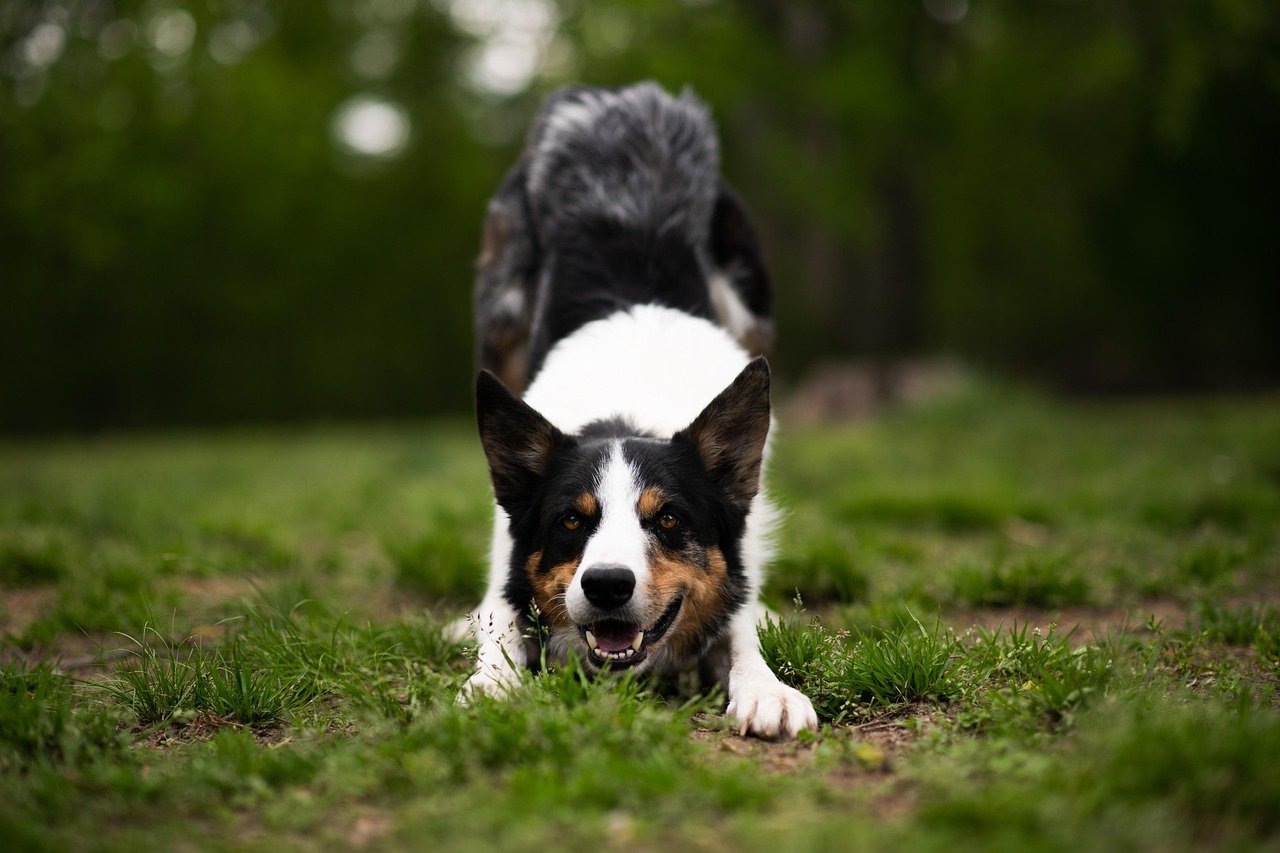
Border Collies are often called the smartest dog breed, but their intelligence can work against them in the wrong environment. When left alone, their sharp minds and endless energy need an outlet, or else they’ll find their own ways to stay occupied. This can mean chewing up shoes, tearing apart cushions, or rearranging whatever they can drag around the house.
Without a job or structured activity, a Border Collie will invent tasks—usually destructive ones. Herding instincts may kick in, leading them to chase and nip at anything that moves, including other pets or even shadows. Lots of exercise, training, and brain games are essential to keep these clever dogs out of trouble when their owners are away.
Boxer

Boxers are clowns at heart, full of playful enthusiasm and muscle. When left home alone, that energy can quickly turn to chaos. They’re known for jumping on furniture, chewing up anything within reach, and even knocking over heavy objects during their bursts of excitement.
Separation anxiety is common in Boxers, which often adds to their destructive tendencies. They bond deeply with their families and don’t like being left out of the action. If they feel lonely or bored, they’ll express it in ways that can leave your house in shambles. A tired Boxer is a happy Boxer, so regular playtime and challenging toys are a must for this breed.
Dalmatian
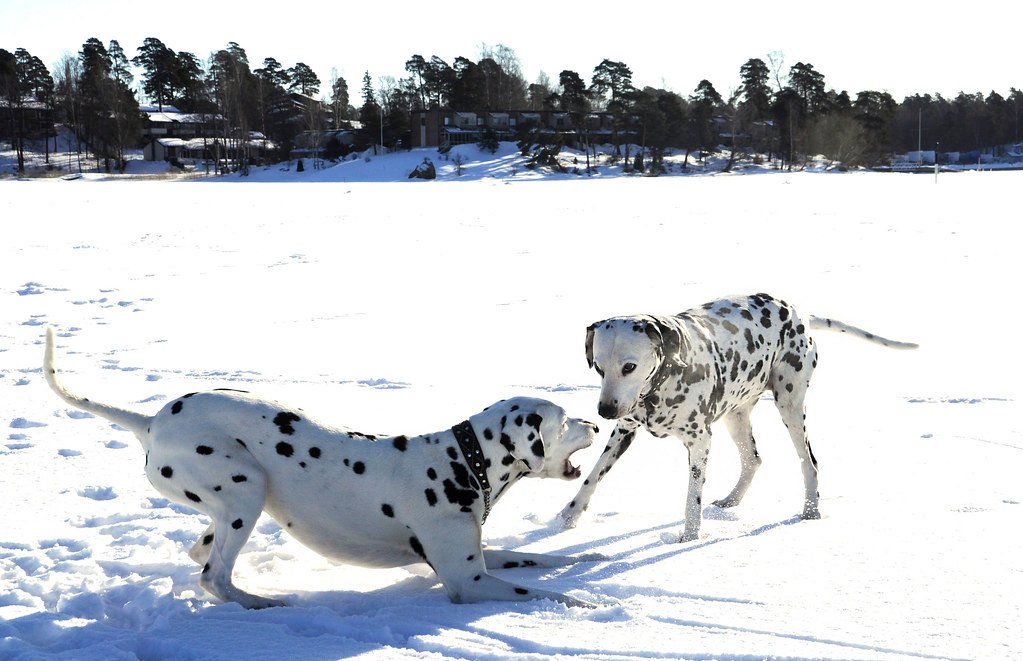
With their striking spots and boundless energy, Dalmatians are hard to ignore. But their high activity levels and need for companionship mean trouble if they’re left alone. Dalmatians get bored quickly, and a bored Dalmatian is a recipe for destruction.
Chewing, digging, and even redecorating your home are all in a day’s work for a Dalmatian seeking entertainment. Their intelligence and need for attention make them prone to acting out if they feel neglected. Consistent training, exercise, and social interaction can help, but Dalmatian owners should be prepared for some mischief.
German Shepherd

German Shepherds are known for their loyalty, intelligence, and versatility. But when left home alone, their protective instincts and high energy can lead to unwanted behaviors. These dogs need a purpose, and if they don’t have one, they’ll invent their own—often at the expense of your belongings.
Chewing, digging, and even trying to “herd” objects around the house are common for bored German Shepherds. Their powerful jaws can make quick work of furniture, doors, or shoes. Providing them with interactive toys and regular exercise can help, but they thrive best when they have a job to do.
Staffordshire Bull Terrier
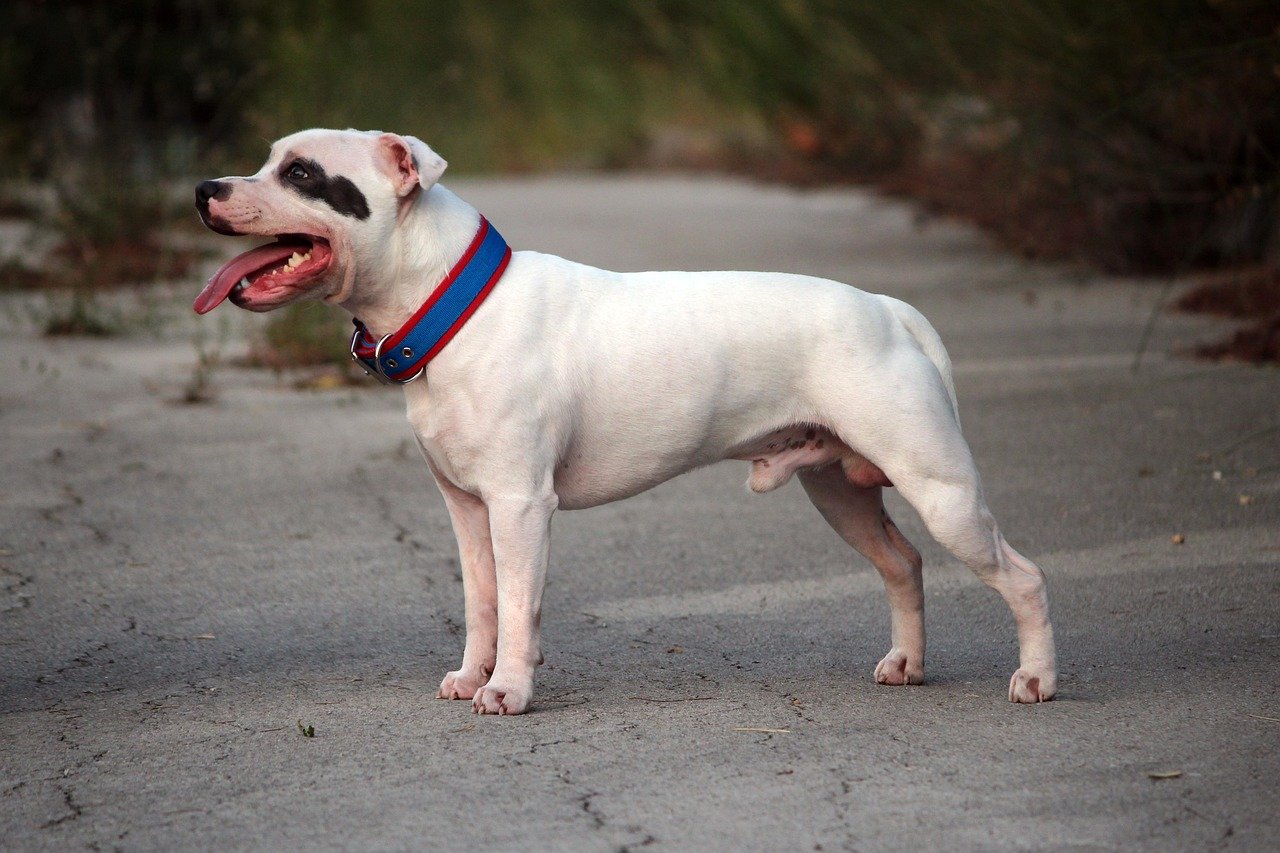
Staffordshire Bull Terriers are affectionate and loyal, but their muscular build and determination mean they can be a force of nature when bored. If left alone without something to do, they’ll chew, dig, and tear apart anything in reach. Many owners have come home to find doors scratched, pillows shredded, and even walls gnawed on.
These dogs are happiest when they have regular interaction and plenty of exercise. Staffordshire Bull Terriers need clear boundaries and engaging activities to keep their strong jaws and active minds busy. Without an outlet, their natural energy can quickly turn into destructive mayhem.
Great Dane
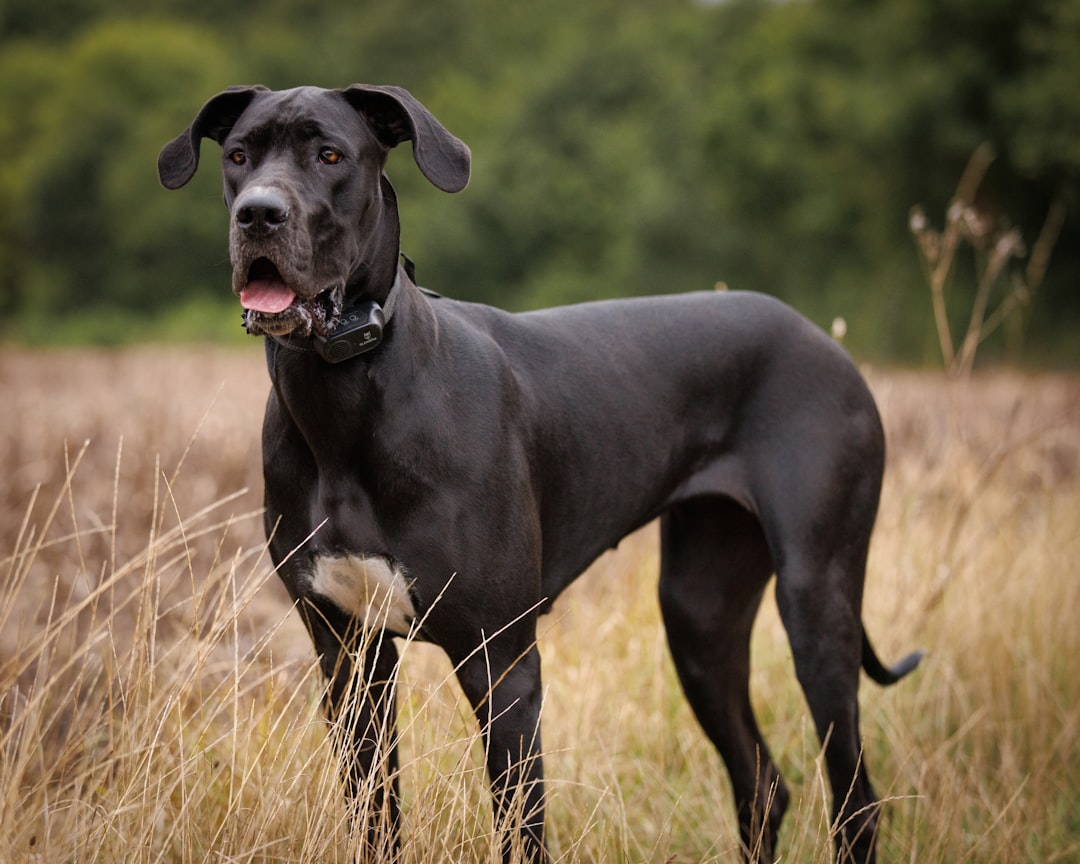
Great Danes may be gentle giants, but their size means even a little mischief can turn disastrous. When left home alone, these big dogs can unintentionally cause chaos just by moving around. Their long legs and strong bodies make it easy for them to reach countertops, knock over furniture, and chew up large objects.
Despite their calm demeanor, Great Danes can suffer from boredom and separation anxiety. When that happens, their destructive tendencies can surprise even the most prepared owner. Keeping a Great Dane entertained requires large, sturdy toys and plenty of space to move around, even when you’re not home.
American Pit Bull Terrier

American Pit Bull Terriers are strong, athletic, and eager to please, but they don’t always handle alone time well. Their powerful jaws and determination mean that when boredom strikes, nothing is safe—from shoes to furniture to door frames. They’re also known for their digging skills, which can wreak havoc on both indoor and outdoor spaces.
These dogs crave companionship and mental stimulation. Without it, their energy can turn into destructive behavior. Consistent exercise, challenging games, and interactive toys can help channel their energy in more positive ways, but owners should always be prepared for a bit of chaos with a Pit Bull left home alone.
Weimaraner

Weimaraners are sleek, elegant dogs with an intense need for activity and attention. When left alone, their anxiety and restlessness often lead to destructive behavior. Chewing, digging, and even escaping are common problems for this breed.
Their strong bonds with their humans mean they dislike being left out of the action. A lonely Weimaraner will go to great lengths to find something to do, and that usually means trouble for your belongings. These dogs require a lot of exercise, training, and companionship to stay happy and out of mischief.
While any dog can get into mischief when left alone too long, the twelve breeds on this list are especially prone to turning boredom and anxiety into full-blown destruction. Their high energy, intelligence, or deep attachment to their humans make solo time a real challenge. But with the right balance of exercise, mental stimulation, and training, even the most notorious chewers and diggers can learn to cope. If you share your home with one of these breeds, proactive care isn’t just helpful—it’s essential. Because behind the chaos is a dog that simply misses you and needs a little extra support.


