

You know that feeling when you’re apartment hunting and you spot the perfect place, only to see those dreaded words: “No loud pets allowed”? Let’s be real, many of us dog lovers have been there. You want a furry companion curled up beside you on the couch after a long day, but the thin walls and close quarters of apartment life have you second guessing.
Here’s the thing. Not all dogs are created equal when it comes to noise levels. Some breeds are naturally inclined to keep the peace, rarely lifting their voice unless absolutely necessary. Others, well, they’ve been bred for centuries to alert, howl, and make their presence known. I think understanding these differences can make or break your apartment living experience and your relationship with your neighbors.
In this article, we’re diving deep into the world of quiet versus vocal dog breeds. You’ll discover which pups are practically silent companions and which ones might have your neighbors knocking at your door. Be surprised by what you’ll learn about these fascinating breeds, their unique traits, and whether they’d thrive in your cozy urban space.
The Basenji: Africa’s Truly Barkless Wonder
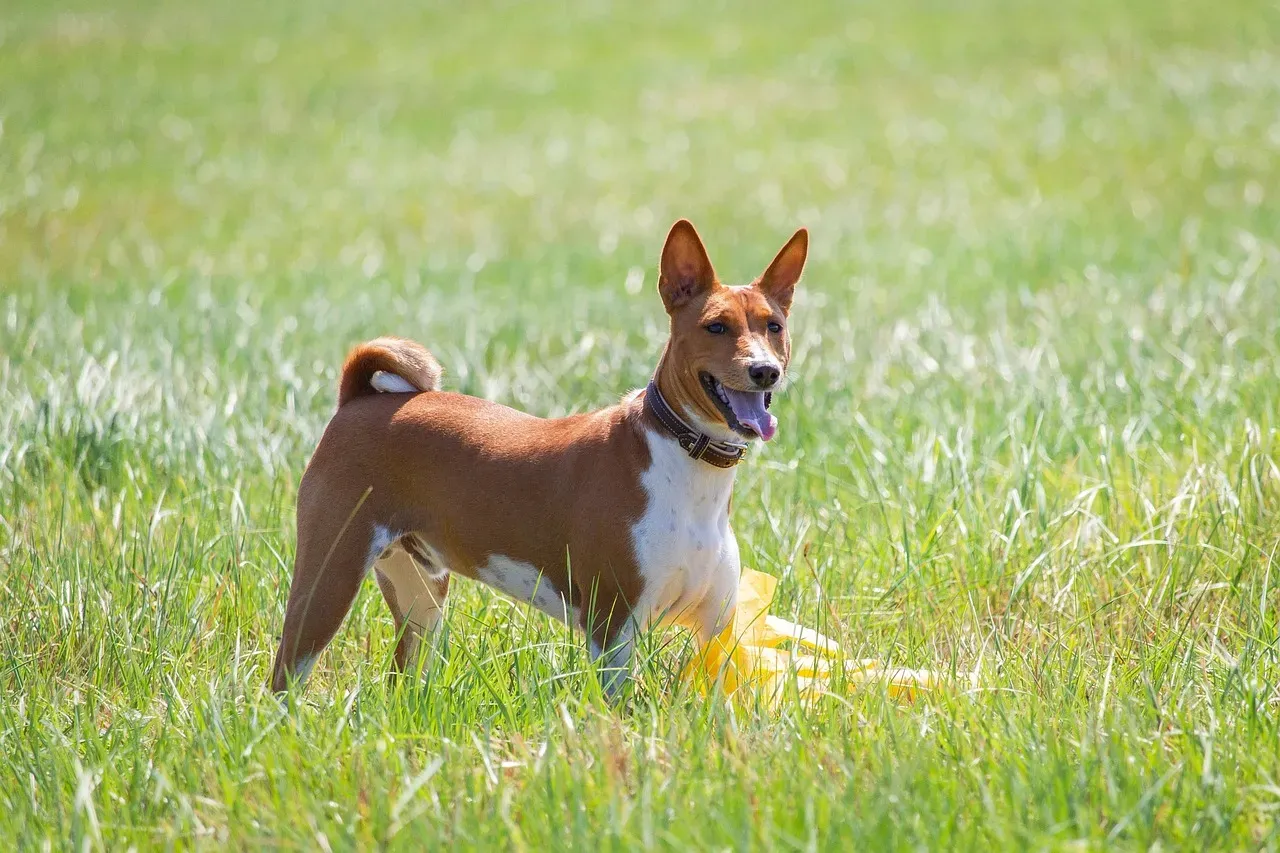
The Basenji is often nicknamed the “barkless dog” due to its uniquely shaped larynx that prevents traditional barking. Instead, they produce a distinctive yodel-like sound called a “barroo,” which is a combination of yodeling and howling. This ancient breed hails from Central Africa, where their silence was actually an advantage during hunts, allowing them to move stealthily through dense forests.
Their independent spirit can make them a bit more challenging to train than some breeds, but their quiet nature is a huge perk for apartment living. Honestly, if you’re looking for a dog that won’t disturb your neighbors, the Basenji is pretty much unmatched. While they may surprise you with yodeling or chortling sounds, these vocalizations are much quieter than a bark and add to their distinct charm.
Think about it this way: you get all the joy of dog ownership without the worry of noise complaints. Their quiet nature, combined with their small size and clean habits, makes them ideal for apartments. That said, they do need daily exercise and mental stimulation, so don’t mistake their quiet demeanor for low energy.
Cavalier King Charles Spaniel: The Gentle Cuddle Bug

If there’s a breed that embodies sweetness and tranquility, it’s the Cavalier King Charles Spaniel. Known for their sweetness and quiet demeanor, Cavalier King Charles Spaniels are unlikely to disrupt your peace with excessive barking, and these gentle souls are happy to cuddle on the couch or accompany you on a leisurely stroll.
Cavalier King Charles spaniels are often considered to be on the quiet side, and many are relatively quiet but will bark during play or when they need to be let out, making this breed a good choice for apartments with noise restrictions. They might give a polite alert bark when someone knocks at the door, but it’s hardly what you’d call disruptive.
What really sets these dogs apart is their adaptable personality. Cavalier King Charles Spaniels are known for their calm and adaptable nature, adjusting well to various environments, making them a great choice for a variety of living situations, whether in a large house or a small apartment as long as they’re getting enough attention and exercise. I know it sounds almost too good to be true, but Cavaliers genuinely live up to their reputation as one of the calmest, quietest toy breeds around.
Borzoi: The Elegant Silent Guardian
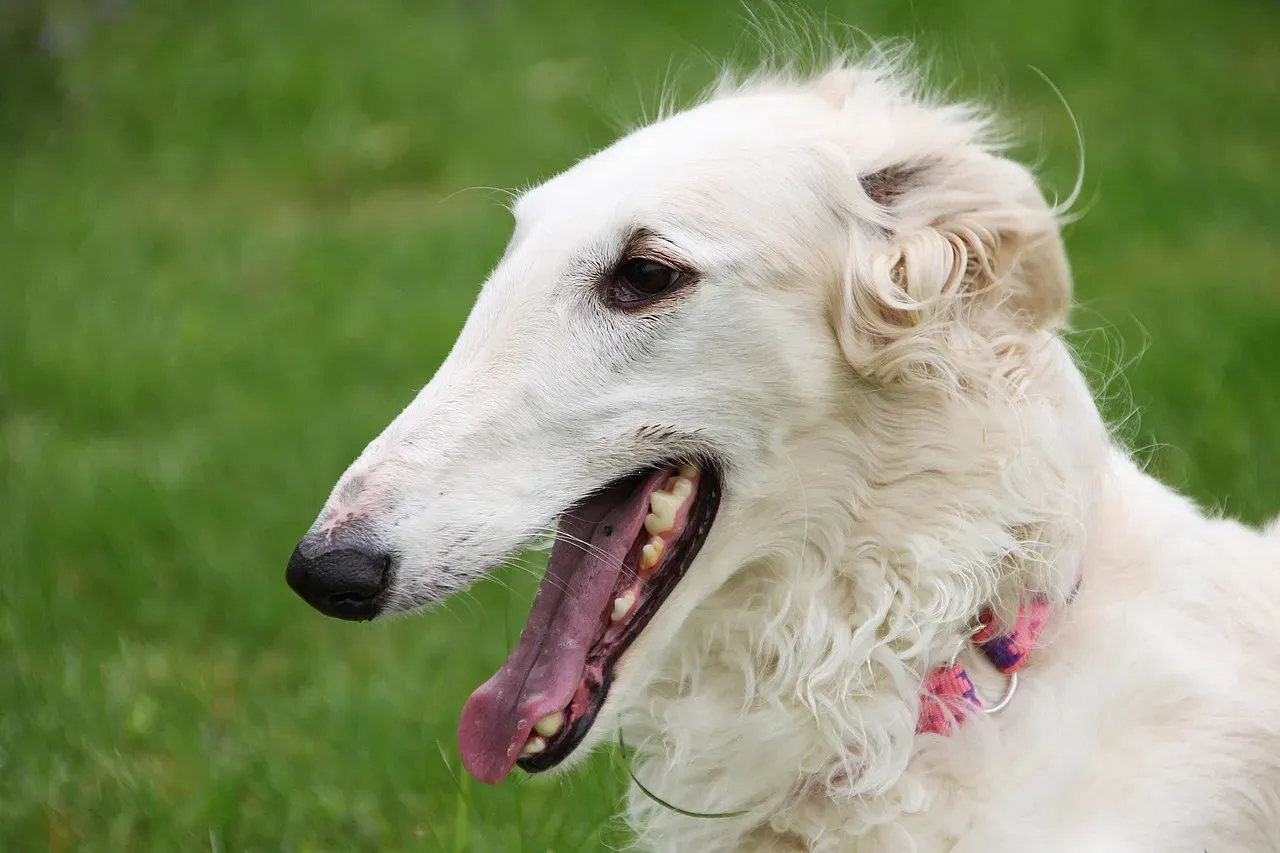
Borzoi dogs are known for being particularly quiet, rarely barking and being generally calm and gentle. These elegant sighthounds may surprise you with their peaceful nature, especially considering their larger size. Not a good watchdog, these pups won’t even bark if an intruder is approaching, which tells you everything you need about their quiet disposition.
Despite their larger size, their quiet nature and moderate exercise needs make them suitable for apartment dwellers who can accommodate a larger breed. Now, I’ll admit that housing a larger dog in an apartment takes some planning. They need space to stretch out, but they’re not demanding constant action or making noise all day long.
The Borzoi’s silence stems from their breeding history. These were aristocratic hunting dogs who relied on sight rather than sound. Their reserved, almost regal demeanor means they observe the world quietly, content to lounge gracefully when indoors. It’s hard to say for sure, but many Borzoi owners report their dogs going days without making a single sound.
French Bulldog: The Charming Couch Potato

Frenchies are one of the most popular quiet dog breeds for city living, being affectionate, low-energy, and rarely barking without cause, perfectly happy indoors with just a comfy couch and some attention. These compact little characters have taken urban living by storm, and it’s easy to see why. Their smushed faces and bat ears make them adorable, but their temperament is what truly wins hearts.
French Bulldogs don’t have the energy reserves or the inclination for excessive vocalization. They’re far more interested in snuggling up next to you while you binge watch your favorite series. Sure, they might snort, snore, or make those entertaining grunting sounds, but those aren’t disruptive to neighbors.
What makes Frenchies particularly apartment-friendly is their understanding of appropriate barking. They’re alert enough to let you know if something’s truly amiss, but they’re not reactive to every little sound or movement outside your window. Their laid-back personality combined with their quiet nature creates an ideal apartment companion.
Beagle: The Melodious Howler

Now we’re switching gears to breeds that are decidedly not quiet. Beagles were bred to howl during hunts to alert hunters of their location and prey, and they have a distinctive howl or bark and possess a wide variety of vocalizations. This isn’t a flaw in their character; it’s literally what they were designed to do.
Another factor you should be aware of before keeping a Beagle in your apartment is their barking, as in most cases, Beagles have a very loud and distinctive bark, which is something pet owners should be aware of while living in an apartment. The sound can travel remarkably far, especially in buildings with shared walls and floors.
Beagles are vocal dogs and may bark or howl, especially if they are bored or sense something intriguing, and training from an early age can help manage their barking tendencies while ensuring they have enough physical and mental stimulation to minimize excessive noise. Even with training, though, you’re fighting against generations of selective breeding. Some Beagles can learn to moderate their vocalizations, but many simply cannot help themselves when they catch an interesting scent or hear a siren passing by.
Siberian Husky: The Talkative Drama Queen
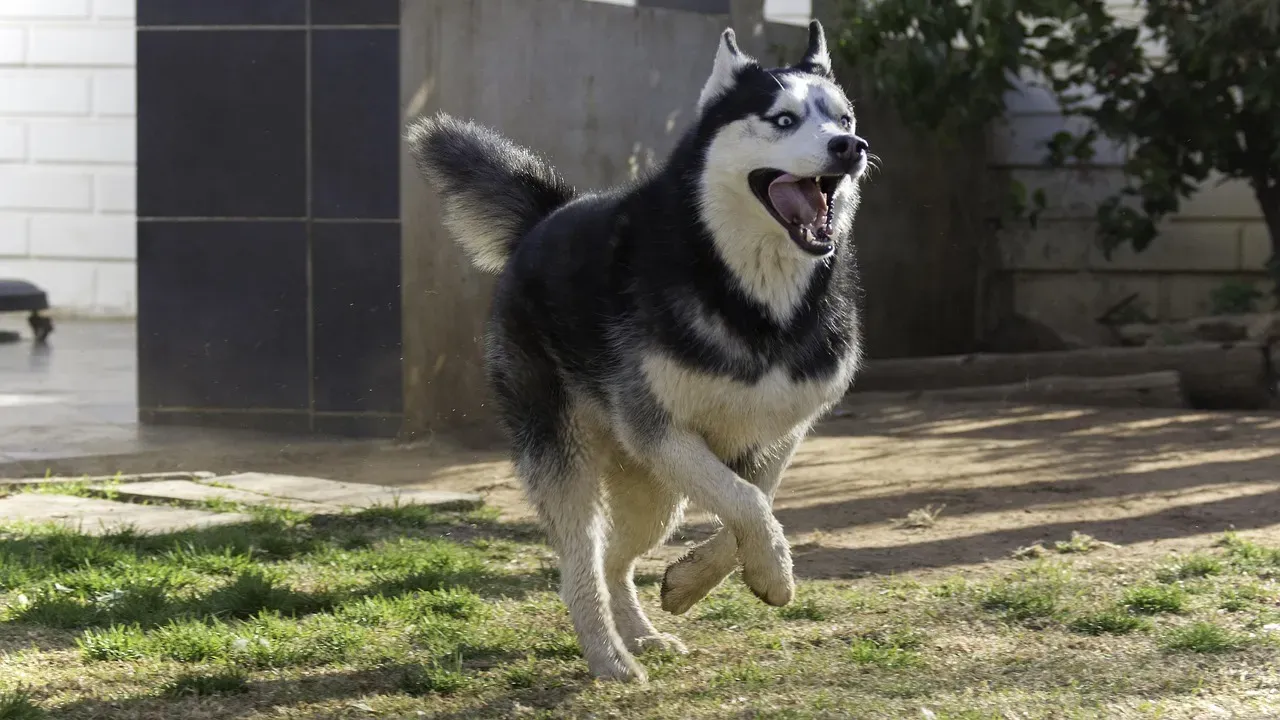
The Siberian Husky isn’t generally much of a barker, but she loves to howl, especially when she’s accompanying a siren, and also loves making other noises, like whining or even sounds that mimic certain words. If you’ve ever watched videos of Huskies “talking,” you know exactly what we’re dealing with here.
These dogs are incredibly expressive and vocal. Siberian Huskies don’t necessarily bark a lot, but they’re described as a talkative breed that will whine, howl, groan and ‘talk’ for hours, and their vocalizations are more similar to their wolf ancestors, as Huskies were sled dogs who needed communication over large distances.
Apartment living with a Husky? It’s possible, but challenging. They need massive amounts of exercise, and when they don’t get it, the vocal protests increase. Your neighbors will definitely know you have a dog. Honestly, unless you’re prepared for the noise and willing to invest serious time in training and exercise, a Husky in an apartment is asking for trouble.
Chihuahua: The Tiny Terror With Big Opinions

Don’t let their pocket-sized stature fool you. Chihuahuas may be small in size, but they are very territorial, and when they perceive something or someone as a threat, the incessant barking will begin, and given their size, the threat can be anything and everything.
Chihuahuas do live large for their comparatively small size, and their huge personalities include even bigger barks, as they bark quite a lot and are highly alert and territorial with most things triggering them. This breed is notorious among apartment dwellers for causing noise complaints despite weighing less than six pounds.
The challenge with Chihuahuas is their fearless nature combined with their anxiety. They often develop what trainers call “small dog syndrome,” where they compensate for their size with aggressive barking and territorial behavior. Training can help, but you’re working against strong instincts. These little dogs genuinely believe they’re protecting their territory from every person, dog, and leaf that passes by your apartment window.
German Shepherd: The Protective Powerhouse
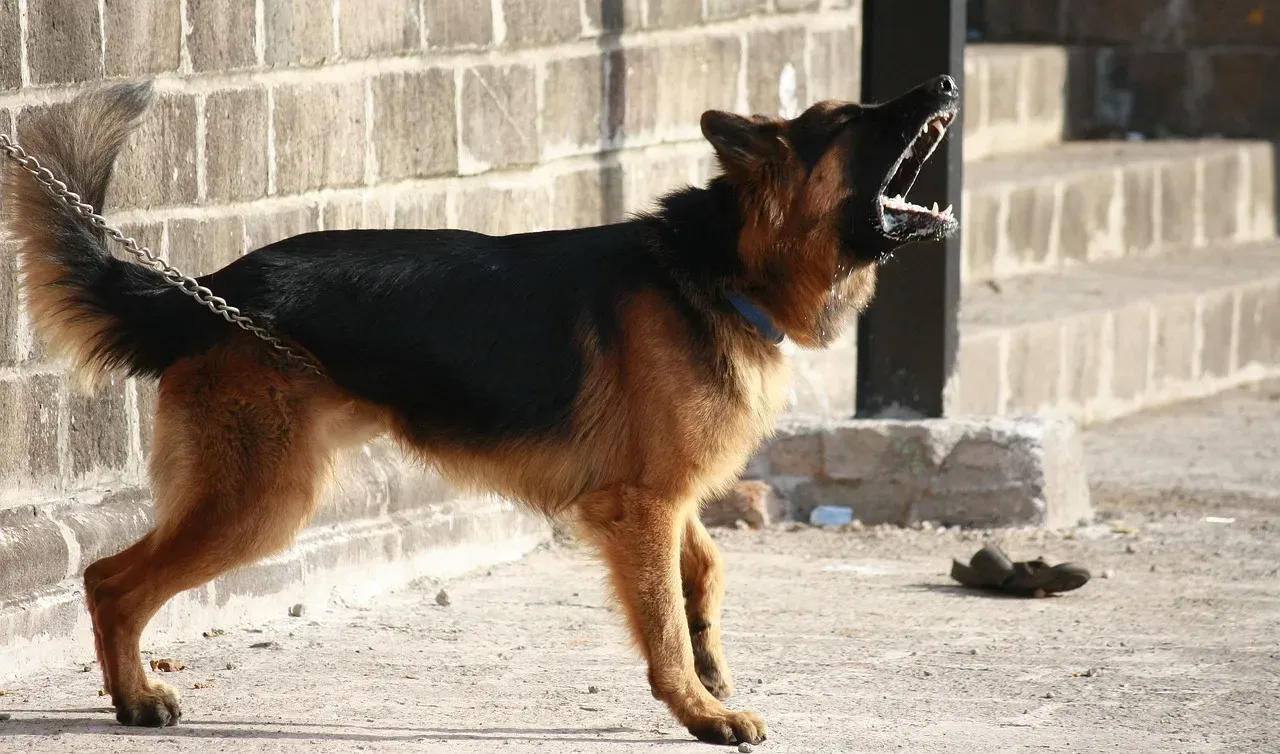
German Shepherds are generally more expressive and have a very distinctive loud bark, with a long history of working alongside humans, assisting them in herding livestock and for protection. These magnificent dogs are incredibly intelligent and loyal, but their protective instincts make them naturally vocal.
German shepherds are great guard dogs and often serve with the police or military, and they are always sure to alert you to suspicious movements or intruders with their powerful bark. In an apartment setting, this translates to barking at neighbors in the hallway, delivery people at the door, and sounds from adjacent units.
The volume alone is concerning in close quarters. German Shepherds have deep, commanding barks that carry through walls effortlessly. While they’re not constant barkers like some breeds, when they do vocalize, everyone within earshot will know about it. They need significant space, exercise, and mental stimulation, and apartment living often falls short of meeting these requirements.
Making Your Decision: Quiet Companionship or Vocal Expression?

Choosing the right dog for apartment living comes down to understanding both the breed’s natural tendencies and your own lifestyle. The quietest breeds bring peace to your home and harmony with neighbors. Dogs like the Basenji, Cavalier King Charles Spaniel, Borzoi, and French Bulldog have temperaments suited to close quarters living.
On the flip side, breeds like Beagles, Siberian Huskies, Chihuahuas, and German Shepherds possess wonderful qualities but come with vocalization challenges that can strain apartment life. It’s not that these breeds are bad choices universally; they’re simply mismatched for environments where noise is a concern.
Remember that individual personality matters too. Training, socialization, and adequate exercise can moderate some barking behaviors, but you cannot completely override centuries of breeding. Be honest with yourself about what you can handle and what your living situation realistically allows. Your future self and your neighbors will thank you for making a thoughtful choice.
What do you think? Have you had experiences with quiet or vocal breeds in your apartment? Every dog is unique, and sometimes the best apartment dog is the one that steals your heart, regardless of the noise level.


