
You’ve been there. That sinking feeling when your neighbor gives you the look. You know the one. Your dog’s barking at the mailman again, or maybe you just discovered your favorite shoes turned into chew toys while you were gone for twenty minutes.
Here’s the thing: loving dogs means accepting they don’t come pre-programmed to understand our human world. They’re trying their best, honestly. Sometimes their best just involves destroying your couch cushions or yanking your shoulder out of its socket during walks. The good news? These behaviors aren’t mysteries, and they’re absolutely fixable with patience, understanding, and the right approach. Let’s dive into the seven issues that trip up most dog owners and explore what actually works to address them.
Excessive Barking That Drives Everyone Crazy
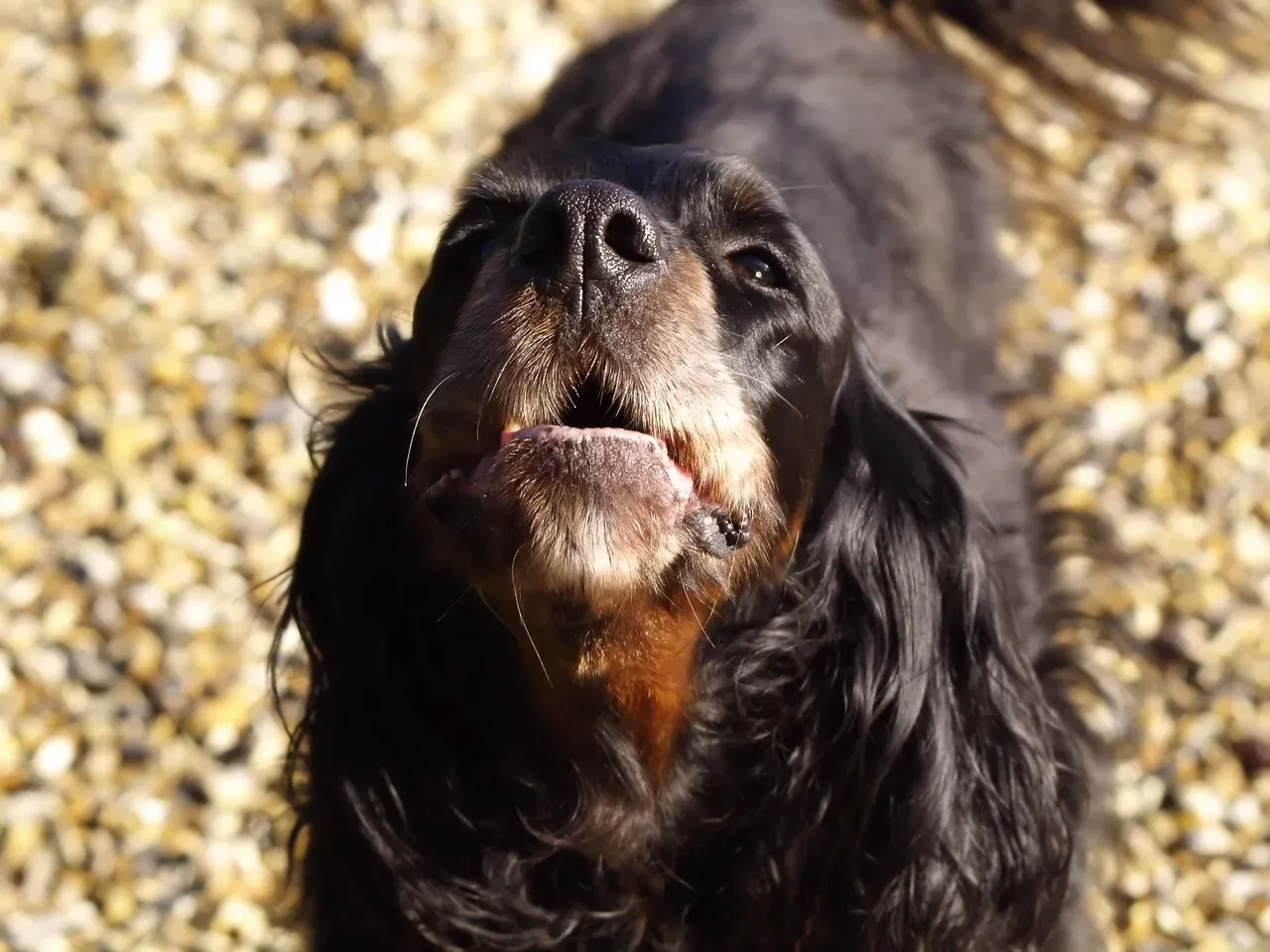
Barking is your dog’s way of expressing emotions like excitement, fear, or boredom. Think of it as their primary communication tool. Some barking is completely normal and even helpful, but when it becomes relentless, you’ve got a problem on your hands.
Dogs can bark excessively in response to people, dogs or other animals within or approaching their territories. Your dog’s territory includes the area surrounding his home and, eventually, anywhere he has explored or associates strongly with you: your car, the route you take during walks and other places where he spends a lot of time. Teaching the quiet command is one of the most effective solutions. Use a calm, firm voice to tell your dog to be “quiet” and positively reinforce correct behavior with treats and affection.
The most effective solution is to block your dog’s view of people and animals going past your home. That might mean a solid front gate or curtains on the windows, but if your dog can’t see the “intruders” they won’t feel the need to bark. For attention-seeking barking, the strategy flips completely. Ignore attention-seeking barks. Simply turn your back or walk away. If your dog discovers barking is ineffective, they’ll stop wasting their energy and try something else.
Separation Anxiety When You Leave

This one breaks my heart every time. Separation anxiety is a stress response a dog exhibits when they are away from the person (or people) they’re bonded to. A dog experiencing separation anxiety is similar to a human having a panic attack.
If your dog whines, barks, or attempts to destroy their surroundings every time you leave them, they may experience dog separation anxiety. In fact, it’s one of the most common dog behavior issues affecting 76% of American dogs. Signs include destructive behavior, excessive vocalization, and even house soiling. It’s not spite. It’s genuine distress.
Treatment requires patience and gradual desensitization. Over weeks of conditioning, you’ll increase the duration of your departures by only a few seconds each session. Once your dog can tolerate 40 minutes of separation from you, you can increase absences by larger chunks of time. Once your dog can be alone for 90 minutes without getting upset or anxious, he can probably handle four to eight hours. Tiring out your dog physically and mentally is the best tool you have for treating separation anxiety. Take your dog on a long walk and then bring out puzzle toys, long-lasting treats or other enrichment before you leave. In severe cases, medication combined with behavior modification can help significantly.
Destructive Chewing Everything in Sight

Let’s be real: discovering your brand new couch has become your dog’s personal chew toy is infuriating. It’s normal for puppies and dogs to chew on objects as they explore the world. They chew for fun, they chew for stimulation, and they chew to relieve anxiety. While chewing behavior is normal, dogs sometimes direct their chewing behavior toward inappropriate items.
Chewing can help dogs self-soothe when stressed or burn energy if they lack exercise. Dogs that are left alone for extended periods of time without mental stimulation will become bored, and may resort to chewing on interesting objects that they find around the house to pass the time. Dogs are highly social animals, and for this reason many of them suffer from separation anxiety while their people are away.
Prevention is your best friend here. Put valuable objects away until you’re confident that your dog’s chewing behavior is restricted to appropriate items. Keep shoes and clothing in a closed closest, dirty laundry in a hamper and books on shelves. Provide plenty of appropriate chew toys with different textures and tastes. If you see him licking or chewing an item he shouldn’t, say “Uh-oh,” remove the item from your dog’s mouth, and insert something that he CAN chew. Then praise him happily. Exercise before leaving the house makes a massive difference too.
Leash Pulling That Ruins Walks
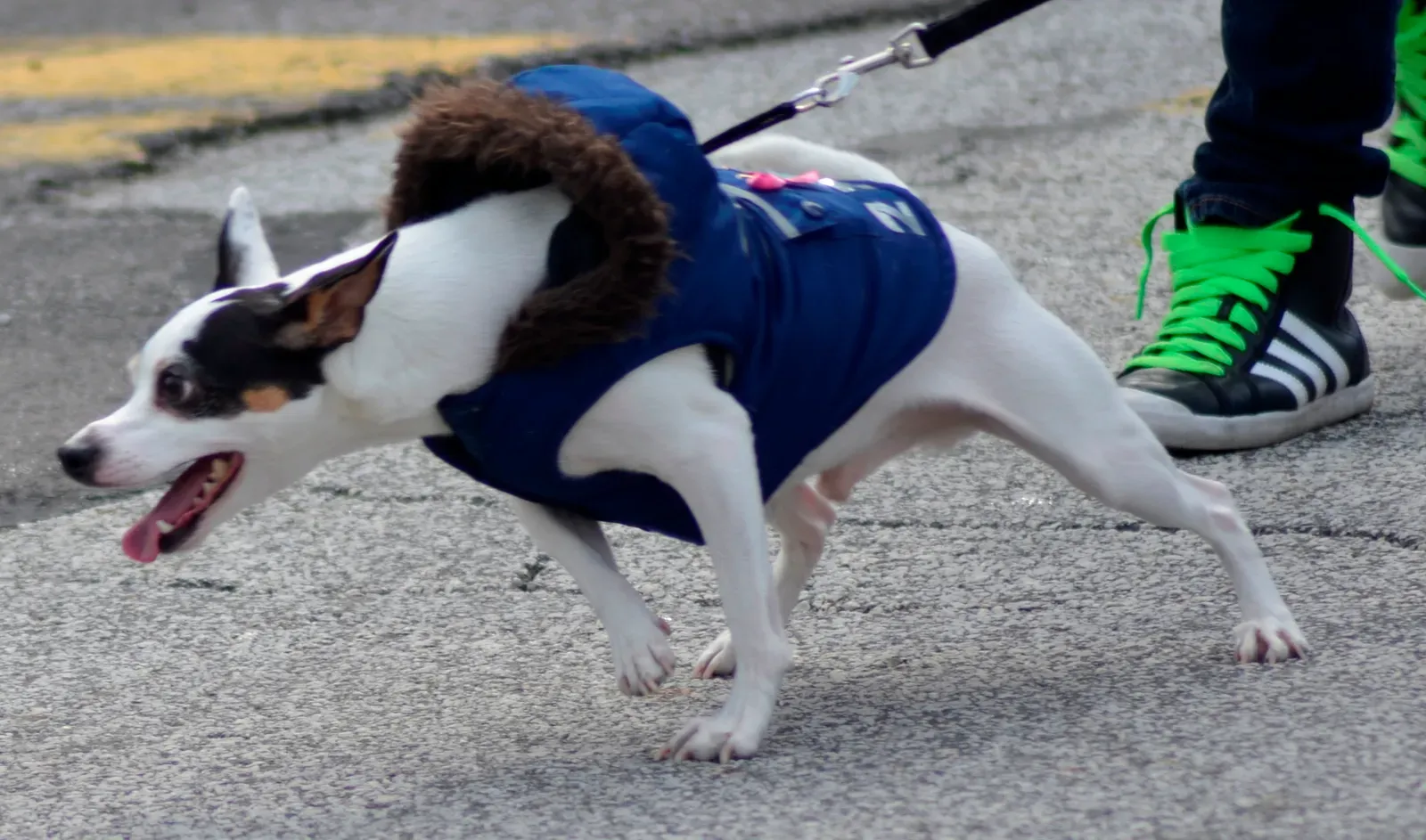
Walking your dog shouldn’t feel like you’re training for a strongman competition. Yet here you are, getting dragged down the sidewalk by a forty-pound furball who apparently thinks you’re racing to the finish line.
Pulling is a dog’s response to leash pressure. Common causes of pulling are a slow pace, a short leash, and/or the enticement of an interesting scent. Dogs naturally move faster than we walk, and the world outside smells absolutely amazing to them. They’re not being stubborn; they’re being dogs.
For intermittent pulling, immediately stop the walk and become an immovable object. When you feel the dog relieve the tension, mark it and put a treat on the ground so she returns to you for her reinforcer. When the dog pulls, call their name and start walking in the opposite direction. Mark and reward when they’re at your side. As long as the dog continues to walk with a loose leash, continue on in that new direction. Front-clip harnesses can also help tremendously by redirecting your dog’s forward momentum. Consistency is absolutely crucial here. Every single walk needs to follow the same rules.
Aggression Toward People or Other Dogs
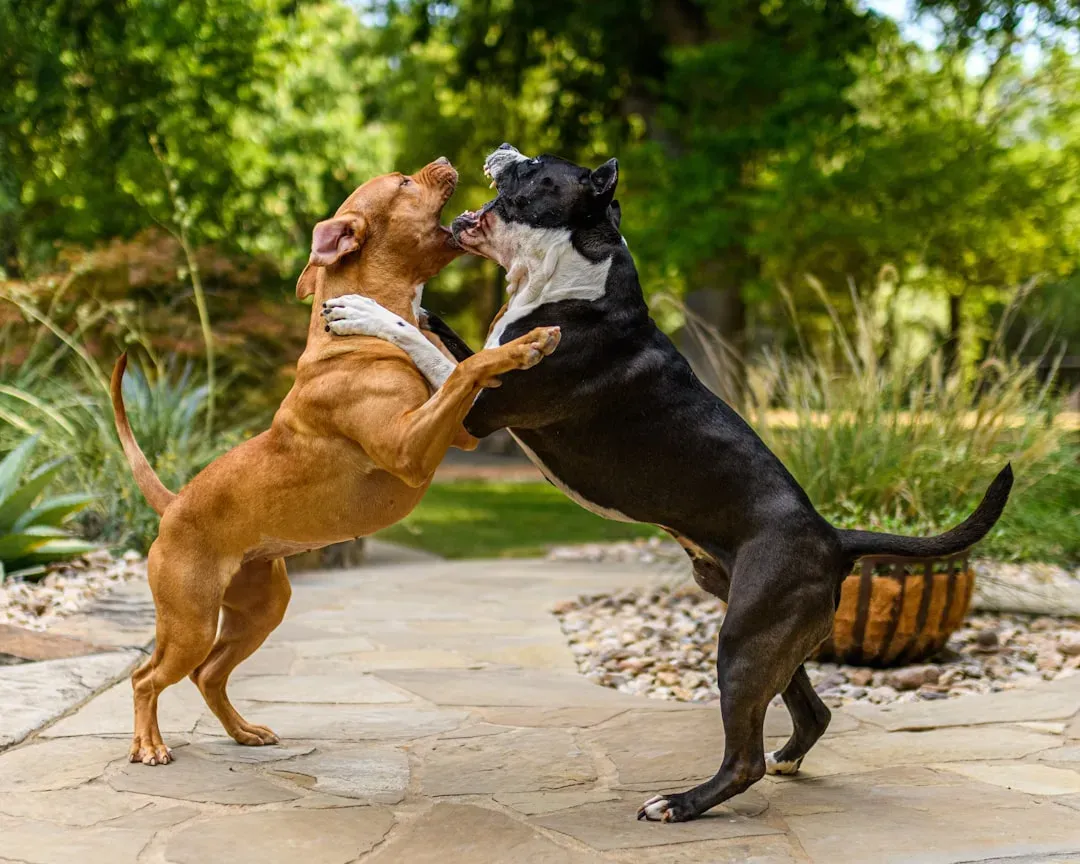
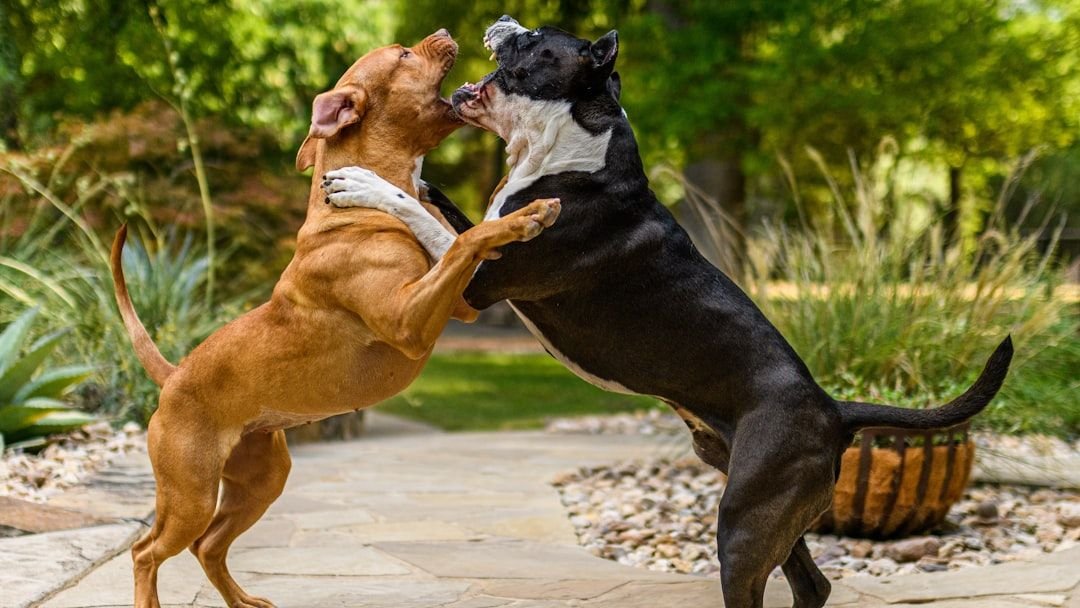
In referral practices across North America, aggression is the most common behavior problem in dogs, accounting for approximately 70% of the caseload. This is serious stuff that absolutely requires professional intervention in most cases.
Fear is the most common motivation for aggression in dogs. Fear-related aggression is aggressive behavior to ward off a perceived threat. Aggression is used to increase the distance between the dog and the frightening stimulus. There are many types of aggressive behaviors with different motivations, but fear, anxiety, uncertainty, inheritance, and previous learning are usually involved.
Never punish aggressive behavior as it can make things dramatically worse. Owners should be cautioned to avoid confrontation and punishment, which can heighten the dog’s arousal, anxiety, and fear, thus increasing the risk of aggression. Early intervention is critical. The moment you notice signs like growling, stiff body language, or snapping, contact a certified veterinary behaviorist or qualified trainer who specializes in aggression. Management strategies like avoiding triggers while working on behavior modification are essential. In some cases, medication combined with training provides the best outcome.
House Soiling Despite Training
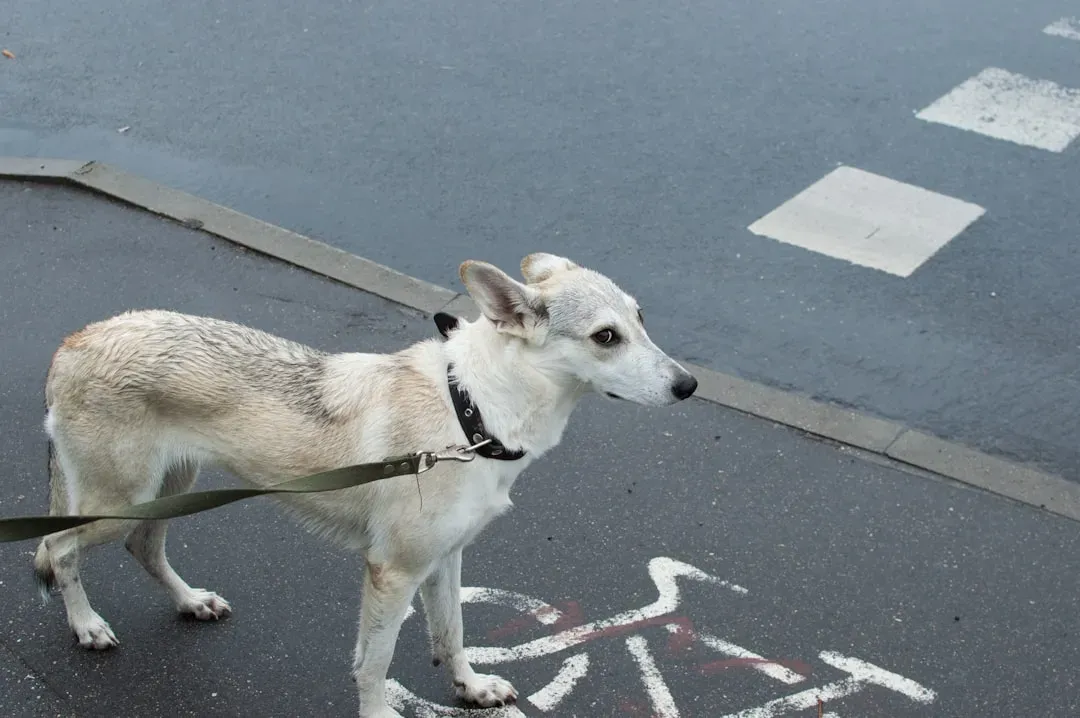
Few things are more frustrating than discovering your supposedly housetrained dog has left you a surprise on the carpet. Medical issues should always be ruled out first. Urinary tract infections, digestive problems, and other health conditions can cause accidents.
Marking behavior is urination or defecation that is used to send a social signal. For example, male dogs often lift a leg to urinate small amounts on fences, trees, or other objects. This can be an attempt to claim the area as their territory or just a way of letting other dogs know they’ve been there recently. This differs from general house soiling which often stems from incomplete training or anxiety.
Establish a consistent routine. Take your dog out first thing in the morning, after meals, before bed, and regularly throughout the day. Always praise and treat successes immediately when they happen outside. If accidents occur inside, clean them thoroughly with enzymatic cleaners to remove all scent. Never punish after the fact because dogs genuinely cannot connect past actions with current consequences. For persistent issues, crate training when you cannot supervise can help, though it’s not a solution for the underlying problem.
Jumping Up on People
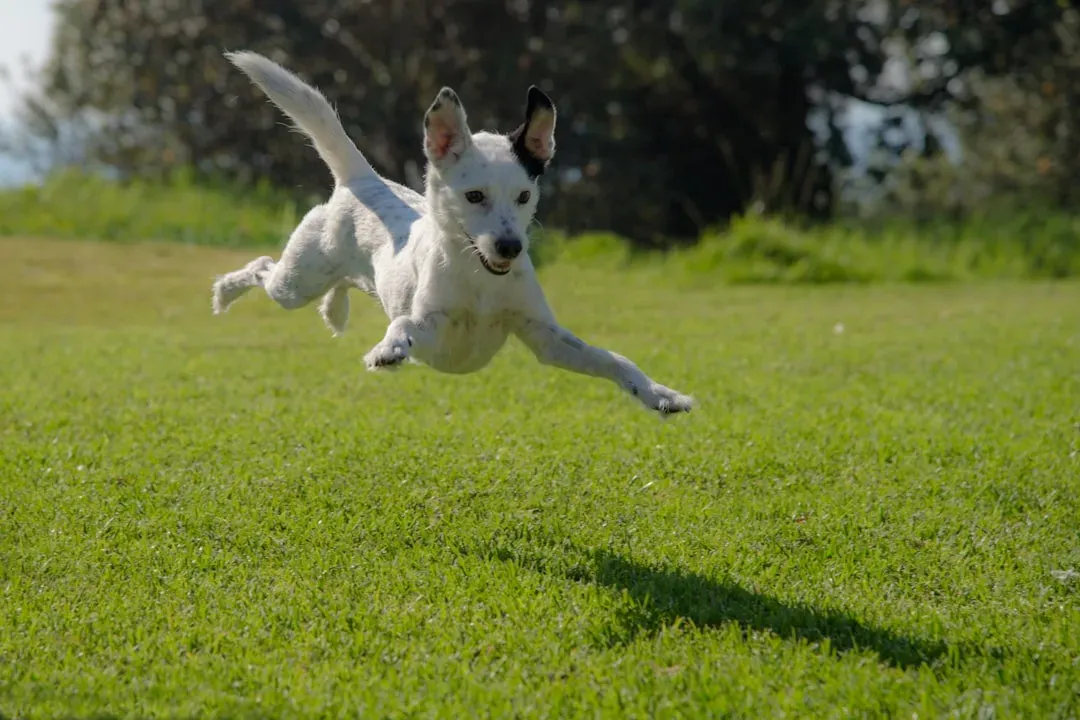
Your dog is thrilled to see you. That’s wonderful! What’s not wonderful is muddy paw prints on your white shirt or your seventy-year-old grandmother getting knocked over by an enthusiastic Labrador.
Dogs jump because it works. They get attention, even if that attention is you yelling at them to get down. To them, any attention is good attention. The solution requires everyone in your household and any visitors to be completely consistent.
Ignore the jumping entirely. Turn away, cross your arms, and refuse to make eye contact until all four paws are on the ground. The instant your dog is standing or sitting calmly, shower them with attention and treats. Teach an alternative behavior like sitting for greetings. Practice this repeatedly until sitting becomes their automatic greeting behavior. If your dog is particularly enthusiastic, keep them on a leash when guests arrive so you can prevent the jumping from being reinforced. It takes time, but consistency pays off massively.
Conclusion

These seven behavioral issues might feel overwhelming when you’re in the thick of them. I know it sounds crazy, but they’re actually opportunities to strengthen your bond with your dog and understand them better. Every single one of these problems is solvable with patience, consistency, and the right approach.
Remember that dogs aren’t giving us a hard time; they’re having a hard time understanding what we want from them. They need us to be clear, patient teachers. Progress might feel slow some days, but small improvements add up to major transformations over time. Celebrate the tiny victories along the way.
If you’re feeling stuck or overwhelmed, don’t hesitate to reach out to a certified professional dog trainer or veterinary behaviorist. There’s absolutely no shame in asking for help. Your dog deserves your best effort, and sometimes that means bringing in expert support. What challenges are you facing with your furry friend right now?


