
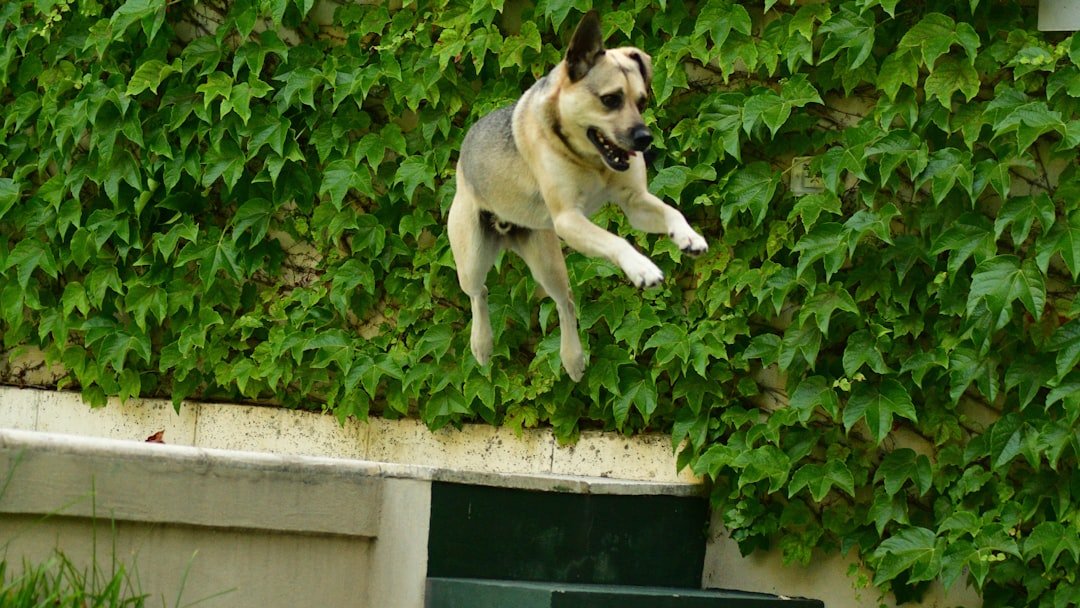
Picture this: the doorbell rings, your heart skips a beat, and before you can even reach the doorknob, you hear the familiar scramble of paws on hardwood floors. Your dog is already launching into full greeting mode, and you know what comes next. The jumping. The spinning. Maybe even a little excited peeing if you’re really unlucky. You love your furry friend to pieces, but let’s be real, explaining muddy paw prints on your mother-in-law’s white pants gets old fast.
If this sounds like your life, take a deep breath. You’re not alone, and more importantly, your dog isn’t trying to ruin your social life. They’re just being, well, a dog. The thing is, jumping on guests is one of those behaviors that seems harmless when they’re puppies but quickly becomes a problem as they grow. The good news? Once you understand why your dog does it, you can teach them a better way to say hello. Let’s dive into the seven most common reasons behind all that bouncing enthusiasm.
They’re Genuinely Thrilled to Meet Someone New
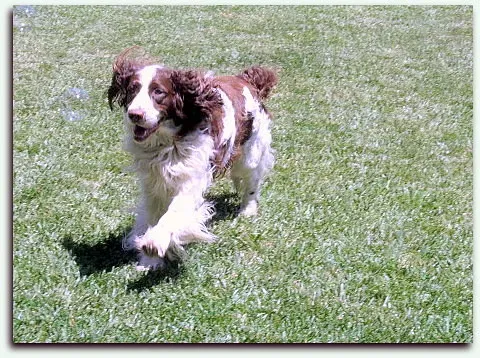
Your dog views meeting new people as fun and welcoming, often getting so ready for the excitement that they’re bursting at the seams. Think about it from their perspective. A new person means fresh smells, potential playtime, and maybe even some treats. It’s like Christmas morning every single time someone walks through your door.
Dogs naturally greet each other face-to-face, saying hello at eye level. When your dog jumps up on your guest, they’re trying to get closer to their face to properly say hi in dog language. It’s not rude to them, it’s polite. The problem is, what works in the dog world doesn’t always translate well to the human one, especially when your enthusiastic greeter weighs seventy pounds.
They’ve Learned That Jumping Gets Them Attention
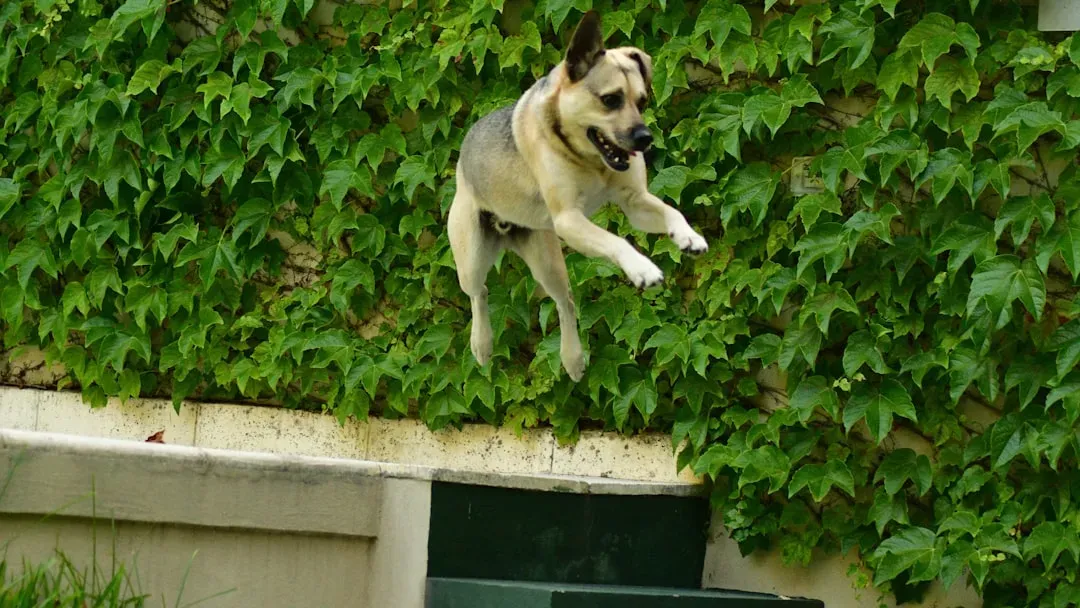
Most of the time, after dogs jump up, they receive attention from the person they jumped on, and this pattern gets repeated because jumping gave the dog an interaction. Even if that attention is you saying “no” or pushing them down, guess what? They still got what they wanted. You looked at them, you touched them, you acknowledged their existence.
If jumping results in any kind of attention, even negative attention, it reinforces the behavior because the attention doesn’t need to be positive to be reinforcing. Your dog’s brain registers this simple equation: jump equals human interaction. From their perspective, mission accomplished. This is why simply scolding a jumping dog rarely works. You’re accidentally rewarding the very behavior you’re trying to stop.
It’s Actually a Sign of Anxiety or Uncertainty
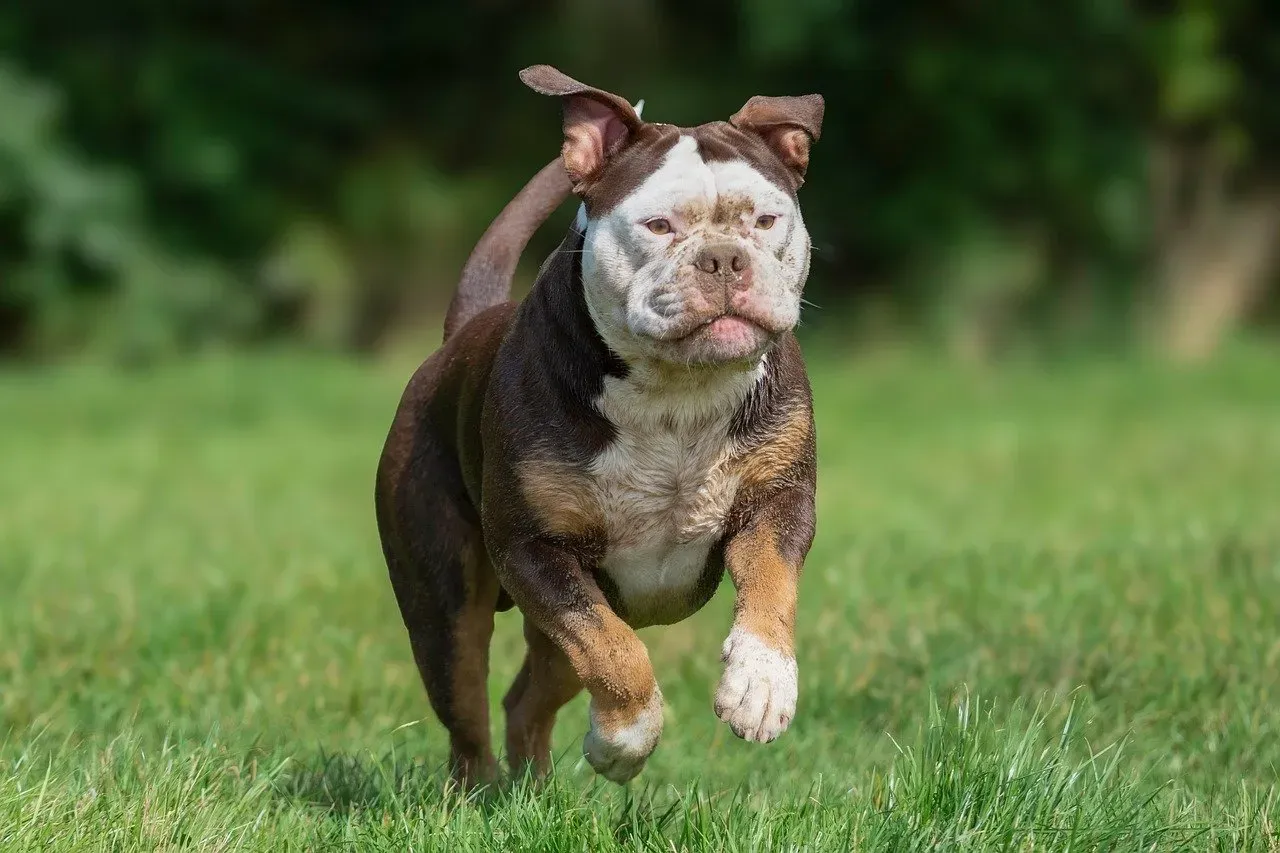
Though it may seem paradoxical, dogs lacking confidence may jump up because of underlying anxiety or conflict about the pending interaction, and for these dogs, jumping may release stress or defuse an uncomfortable situation. Not every jumping dog is a confident, happy greeter. Some dogs are actually quite nervous about meeting new people, and the jumping is their way of coping with that stress.
Watch your dog’s body language closely next time guests arrive. Signals such as leaning away, pausing, looking away, pinning ears back, lowering the head or body, or moving to the side are all signs that your dog is not certain about the interaction. If you see these signs along with jumping, your dog might be saying “I’m not sure about this person” rather than “I love this person.” Understanding this difference is crucial because the training approach needs to address the underlying anxiety, not just the jumping itself.
They’re Overstimulated and Can’t Contain Their Excitement
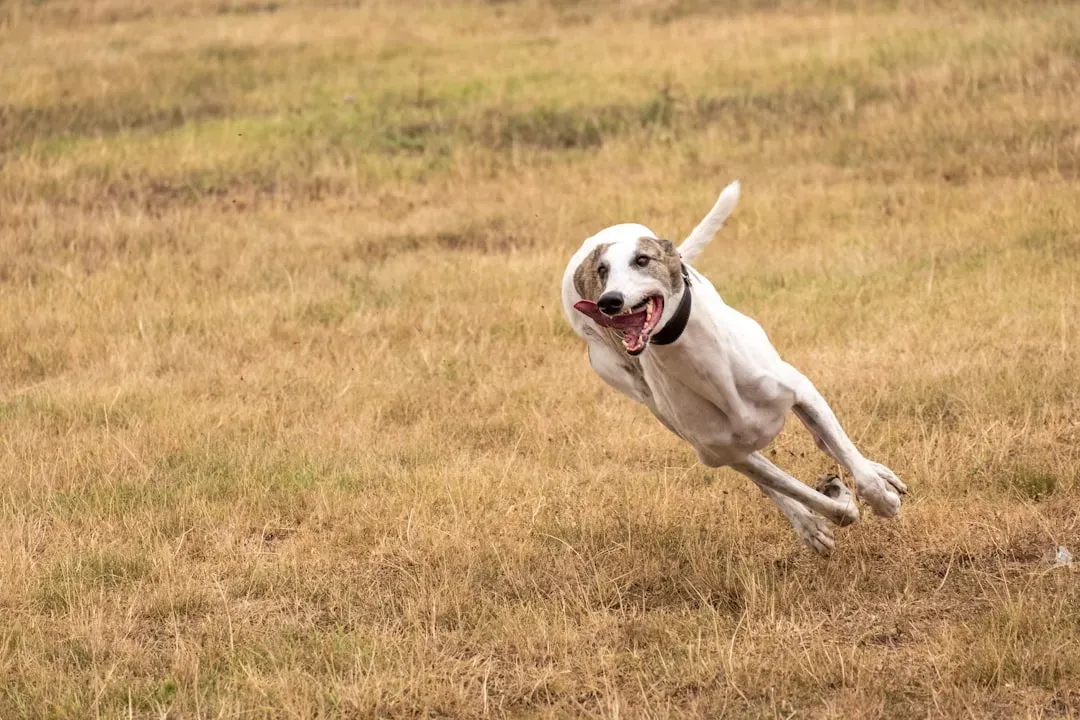
Some very playful dogs jump when they are excited or overstimulated. Dog jumping occurs most frequently in exciting, emotionally charged events, such as arriving home from work or school, when your dog has been waiting at home, probably bored. Suddenly the car pulls in and their favorite human appears. The emotional floodgates open.
In dog language, excitement is not the same as happy, and if dogs are overly excited, they’re also experiencing stress or anxiety that results in uncontrolled behaviors like jumping. It’s hard for some dogs to regulate their emotions, especially high-energy breeds or young dogs. They want to be calm, they really do, but their bodies just won’t cooperate. Teaching emotional regulation is just as important as teaching the physical behavior of not jumping.
Nobody Ever Taught Them a Better Way to Greet
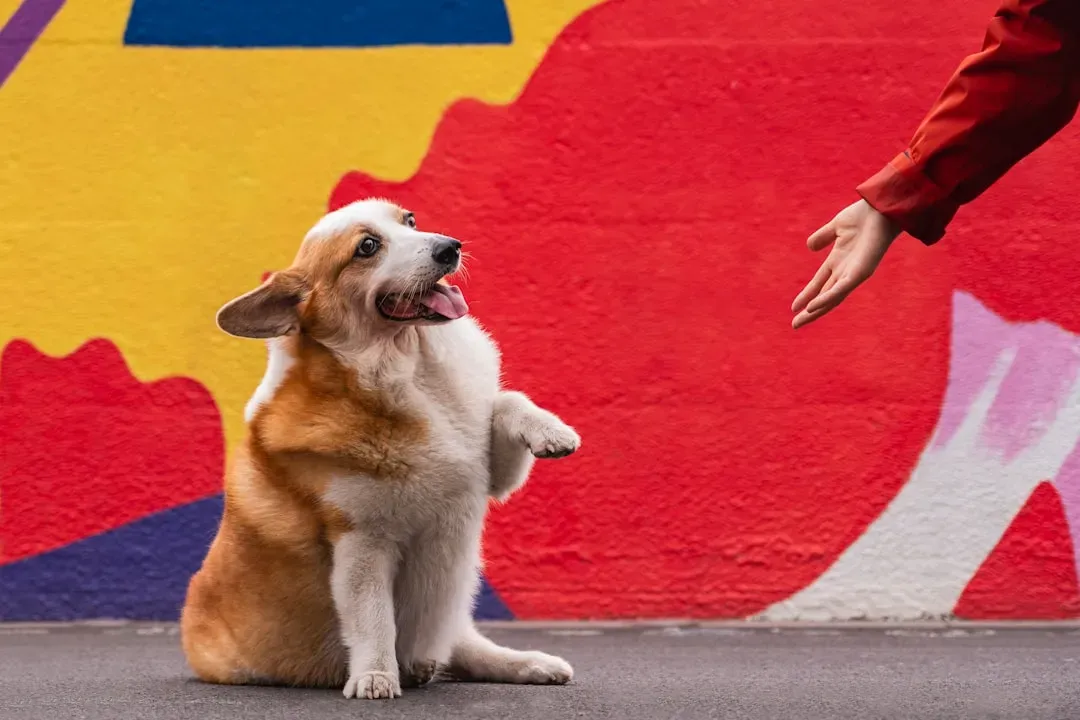
Many dogs simply don’t know that jumping is something we don’t want due to a lack of training or clear boundaries. Here’s the thing: your dog isn’t being stubborn or disrespectful. They genuinely have no idea that launching themselves at people is considered rude in human society. In their world, it’s perfectly normal.
Every person you encounter isn’t going to know the rules, and that can be frustrating for your dog who needs to be taught what to do instead, because rules like “sit” for greetings are easier than “don’t jump”. Dogs need us to show them the alternative behavior we want. You can’t expect them to read your mind. Clear, consistent training that teaches them exactly what you want instead of jumping is the key to success.
You’ve Accidentally Been Inconsistent With the Rules
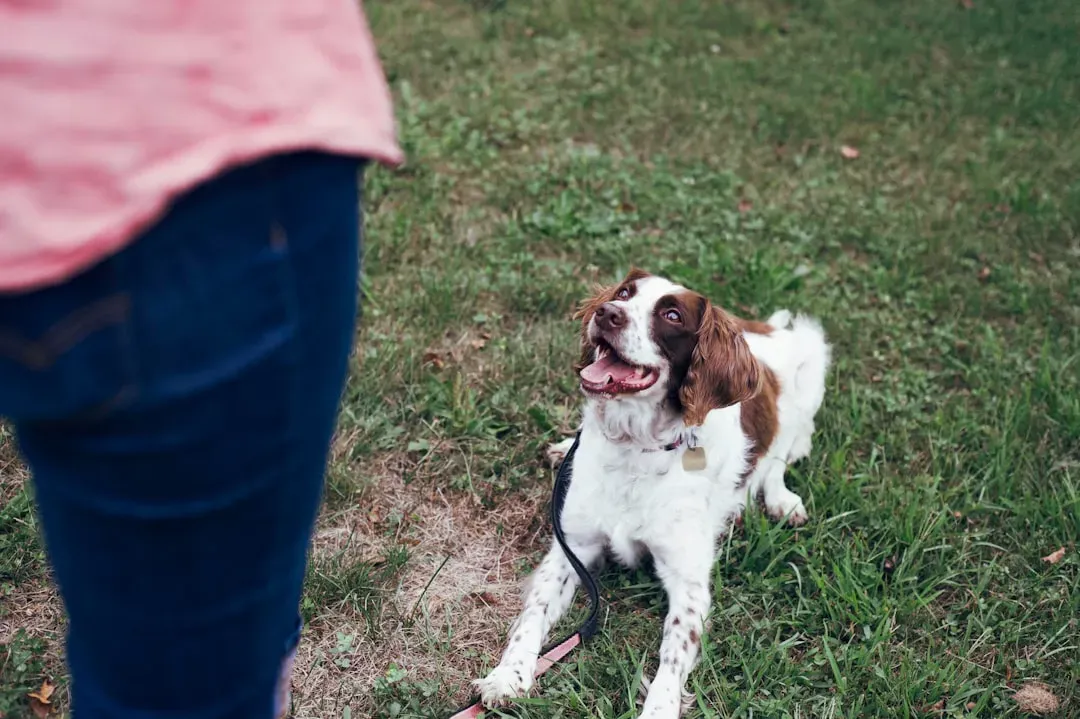
Many people are happy for their dog to jump at them but not at guests, or when wearing some clothes but not others, but by accepting or rewarding any jumping behavior, they are essentially teaching the dog that jumping at people is acceptable. Sound familiar? Maybe you let them jump when you’re wearing jeans and a t-shirt, but get upset when you’re dressed for work.
Dogs are generally poor at distinguishing between those situations when a behavior is acceptable and those when it isn’t. From your dog’s perspective, the rules keep changing randomly. One day jumping gets cuddles, the next day it gets a sharp “no.” This confusion makes the behavior harder to change because your dog never really knows what you want. Consistency truly is everything when it comes to training.
They’re Trying to Investigate Interesting Smells
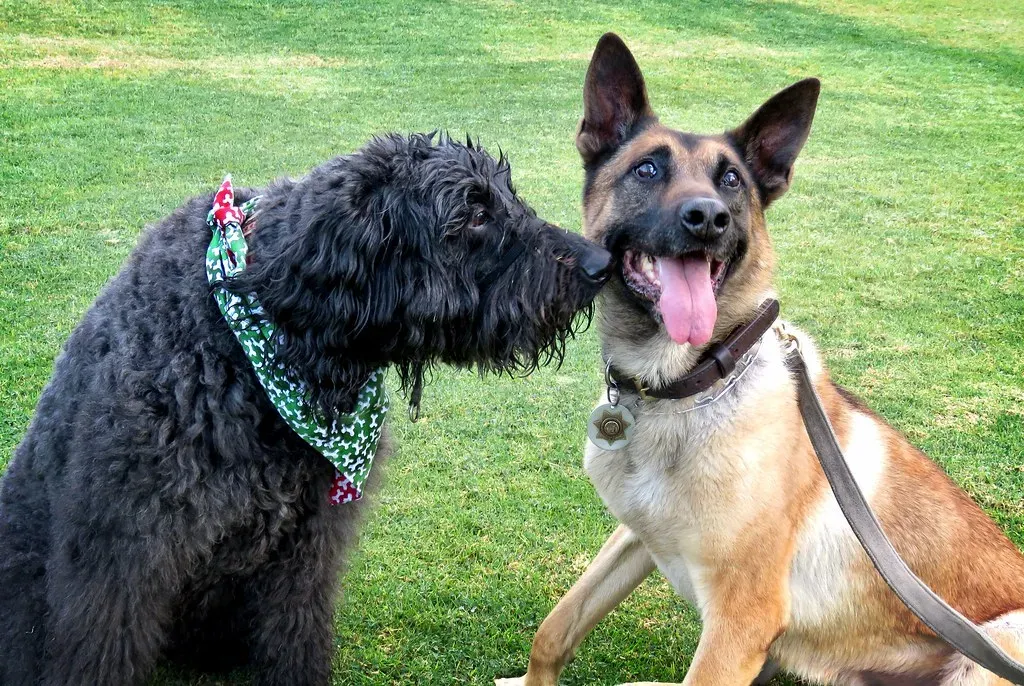
Dogs might be searching for other pets’ scents, places, or familiar smells, and with 300 million olfactory receptors, they can smell things you thought you already took care of. Your guests are walking scent libraries. They smell like their own pets, the restaurant they just left, the park they walked through, and a thousand other fascinating things.
The upper body, especially around the face and chest area, carries the strongest scents. That’s why your dog is so determined to get up there and investigate. They’re not trying to knock anyone over, they’re just following their nose to gather information. Understanding this helps us redirect that natural curiosity into more acceptable investigation behaviors, like sniffing an extended hand at ground level instead of someone’s face.
How to Stop the Jumping: Practical Solutions That Actually Work
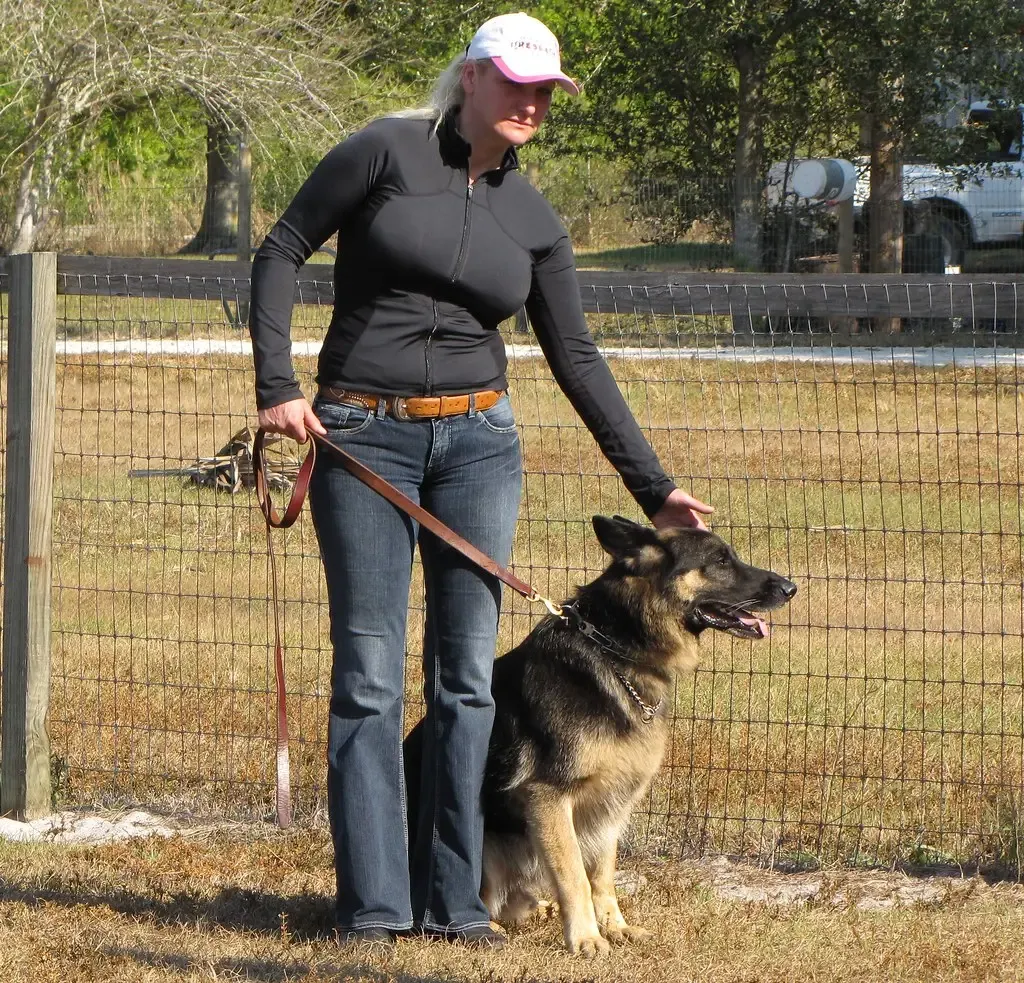
Now that we understand the why, let’s talk about the how. Stopping jumping means managing your dog so they don’t get the chance to practice jumping, as well as teaching them an alternative, more appropriate way to greet people. The first step is prevention. When guests are coming over, have treats ready by the door or keep your dog on a leash so you can control the situation.
As your dog approaches the person in the practice greeting, quickly deliver a treat before the dog even tries to jump, encouraging four paws on the floor by continuing to deliver treats. You’re essentially catching them being good before they have a chance to be naughty. Once they master keeping all four paws down, you can add a sit cue for an even calmer greeting. Practice this with family members first, then gradually introduce friendly volunteers who understand what you’re trying to accomplish.
The most important step is to stop giving your dog attention for jumping, meaning no looking at the dog, no touching the dog, no talking to the dog. When your dog is sitting or has four paws on the floor, that’s when you give praise, petting, and treats. This teaches them a clear message: calm behavior gets rewarded, jumping gets ignored. Yes, it takes patience. Yes, your guests might need to stand there awkwardly for a minute. It’s worth it.
Conclusion
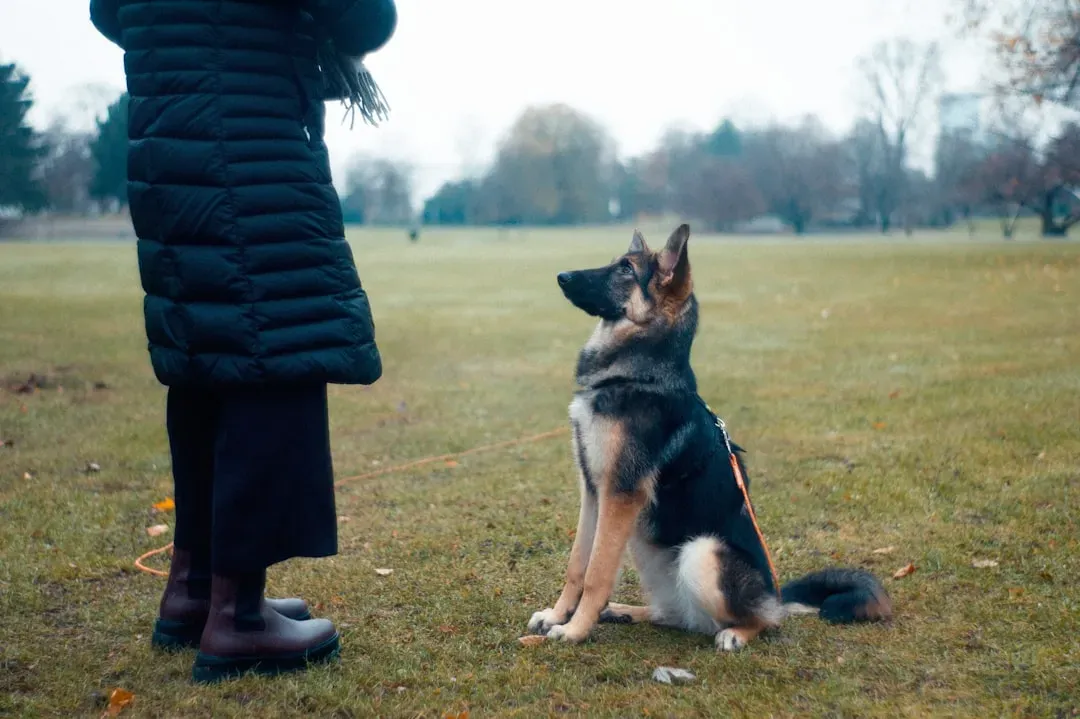
Teaching your dog not to jump on guests isn’t about squashing their joyful personality or making them less enthusiastic about meeting people. It’s about channeling that enthusiasm into something that works for everyone. Your dog can still be thrilled when guests arrive, they just express it with four paws planted firmly on the ground and maybe a nice polite sit instead of a full-body tackle.
Remember, this behavior didn’t develop overnight, and it won’t disappear overnight either. Be patient with your pup and consistent with your training. Every single interaction is a teaching opportunity. Before you know it, your guests will be commenting on how well-mannered your dog is instead of checking their clothes for paw prints.
What’s been your biggest challenge with your jumping dog? Have you found any techniques that work particularly well for your household? Every dog is different, and sometimes the best solutions come from fellow dog lovers who’ve been in the trenches with us.


