
You know that moment when your dog follows you everywhere, even to the bathroom? Some breeds just crave constant attention and affection. They want to be your shadow, your sidekick, your Velcro companion at all times.
Then there are the independent ones. The dogs that march to the beat of their own drum, that gaze into the distance with the air of royalty, that seem perfectly content curled up alone in a sunny corner. These are the breeds that were born to think for themselves, to make decisions without a human hovering over every move. They were bred for jobs that demanded self reliance, whether it was hunting in harsh terrain or guarding flocks through long, solitary nights.
Here’s the thing, though. Independence doesn’t mean a lack of love. It just looks different. These breeds form deep, quiet bonds with their people. Their loyalty runs deeper than surface level cuddles and tail wagging frenzies. So let’s dive into seven of the most independent dog breeds out there, and explore how they show affection on their own terms.
Shiba Inu: The Spirited Little Fox With a Big Personality
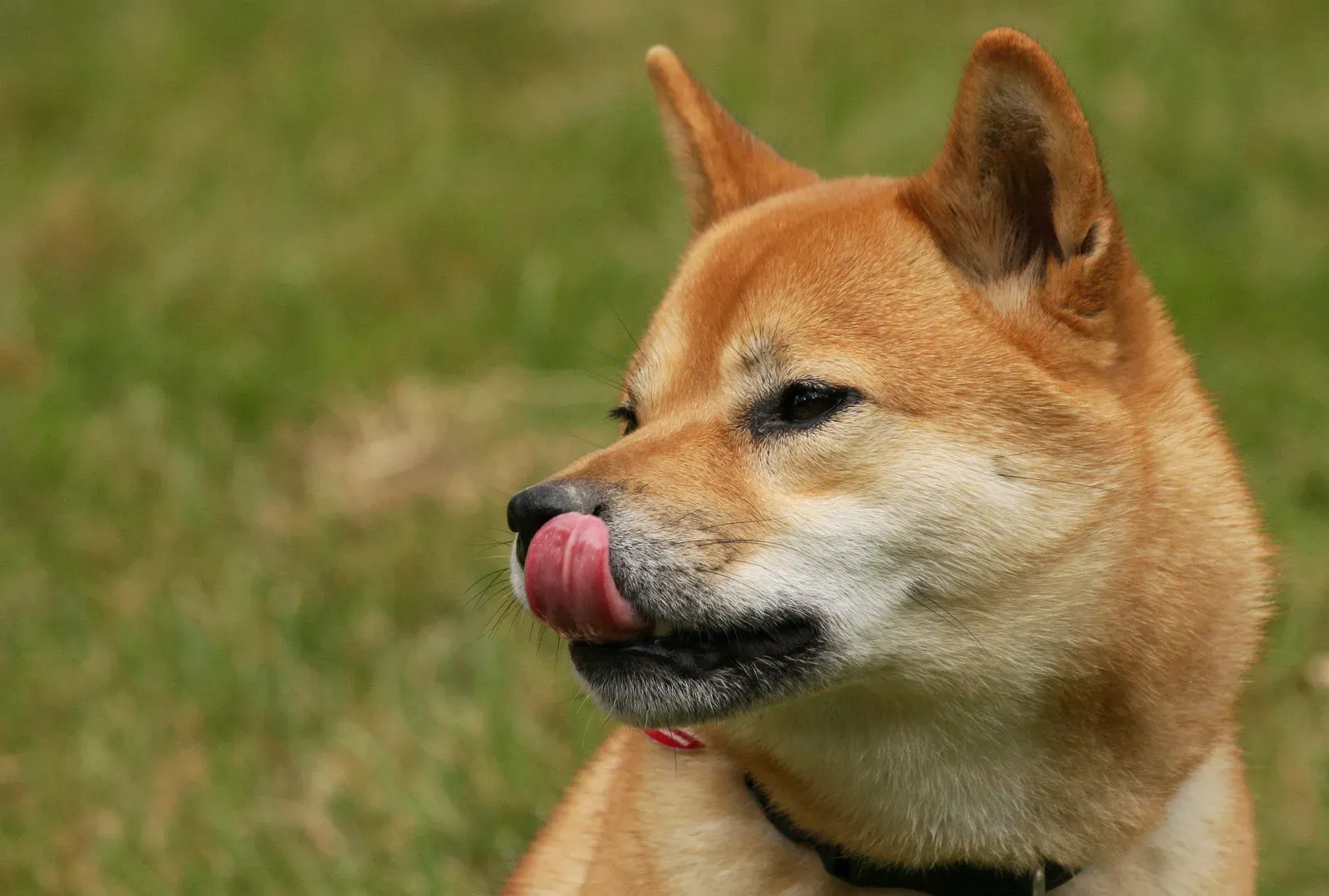
The Shiba Inu is an intelligent and strong willed dog with an almost cat like personality. Let me tell you, these small Japanese hunters are absolutely fascinating. Hailing from Japan, these dogs were originally used for hunting small game, and their spirited and confident demeanor often translates into a strong willed nature, making them less reliant on human interaction for happiness.
Picture a dog that actually enjoys its own space but still needs plenty of mental and physical stimulation. They’re independent dogs and enjoy their own space, but they’re also high energy and need outlets for their physical and mental energy, or else they can become anxious and overly vocal. It’s important to invest in quality play time with a Shiba Inu, which can include playing fetch outdoors to exert that extra energy. They’re smart, no doubt about it, but training them requires patience and creativity because honestly, they’ll only obey if they see the point. Renowned for their intelligence, Shiba Inus are quick learners. However, this intelligence comes with a stubborn streak. They may choose to ignore commands if they don’t see the value in following them.
What makes them special is their loyalty. Shiba Inus are known for forming strong bonds with their owners. However, these relationships look different than those with more affectionate breeds. They often follow their owners around the house and enjoy spending time in their company. Their love is shown through loyalty rather than overt displays of affection. They’re the kind of dog that might sit across the room rather than on your lap, but they’re always watching, always aware of where you are.
Basenji: The Barkless Companion With Ancient Roots
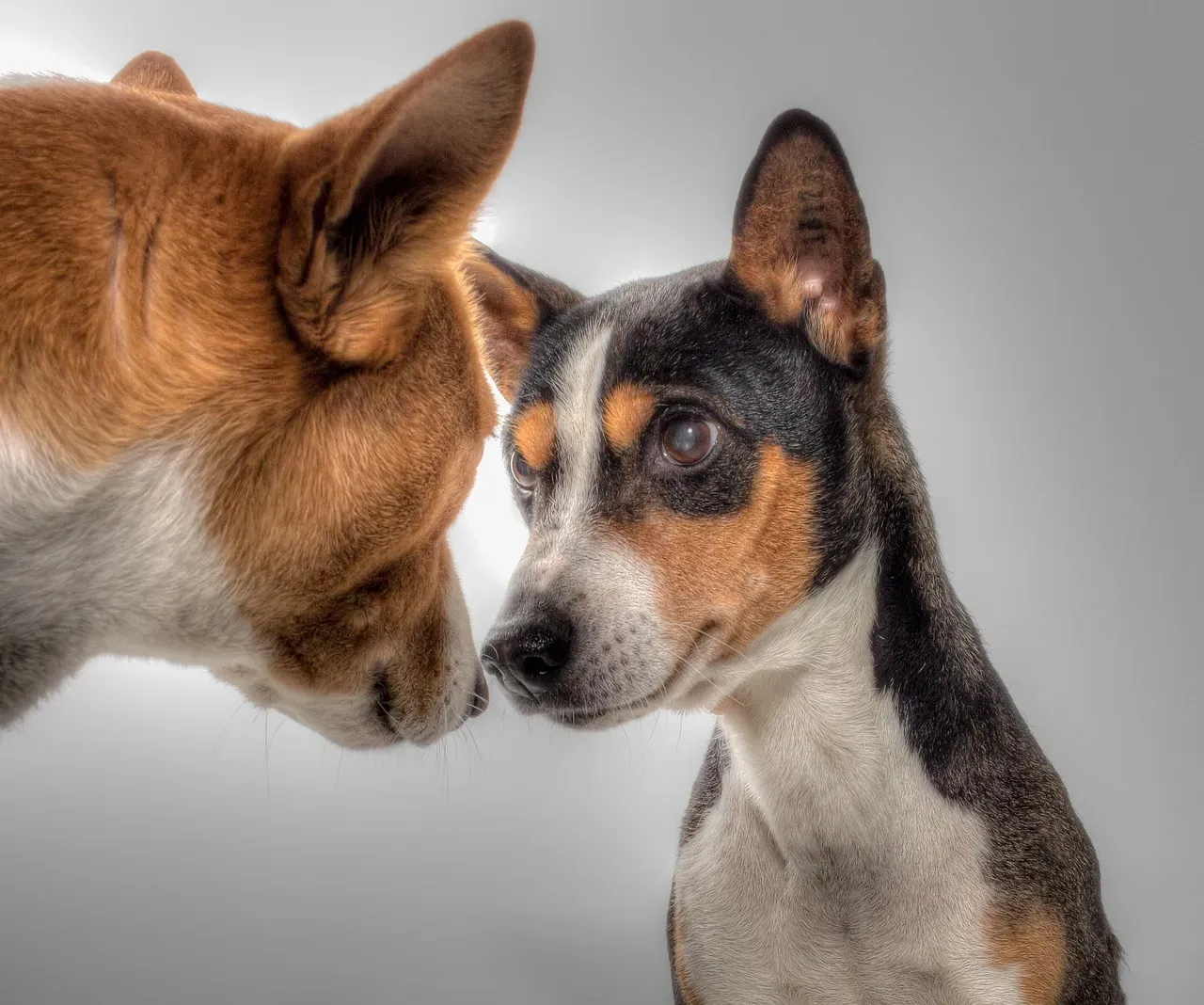
The Basenji, often called the “barkless dog,” is a small, elegant breed known for its independence and unique personality. Originating from Central Africa, this breed was initially bred for hunting, where self reliance was crucial. They’re one of the oldest breeds in existence, with roots stretching back thousands of years.
What stands out immediately is their voice, or rather, lack of traditional barking. They don’t bark, but they make their feelings known with an odd sound described as something between a chortle and a yodel. It’s amusing, honestly. The basenji can be an aloof dog, very affectionate with his family, but not outgoing to strangers. They originally hunted in packs and are usually good with other dogs if socialized while young.
They are generally independent dogs, can be wary of strangers, and are fastidious about cleanliness. Basenjis will often groom themselves like a cat! They are very intelligent, high energy, and easily bored. I think this is where people get surprised. You’d assume an independent dog wouldn’t need much attention, but Basenjis absolutely require mental stimulation to prevent destructive behaviors. Basenjis are independent thinkers known for their willful, clever, mischievous personalities. “Basenjis are smart, they’re active, and you need to understand how they learn.”
The bond with a Basenji is different. Don’t mistake a Basenji’s independence for a desire to be alone. These hunting dogs prefer to keep their owners in sight, and though they may not snuggle up on your lap, they’ll let you know when they want some attention. They watch you from across the room, content but aware.
Afghan Hound: Elegance and Aloofness Wrapped in Silk
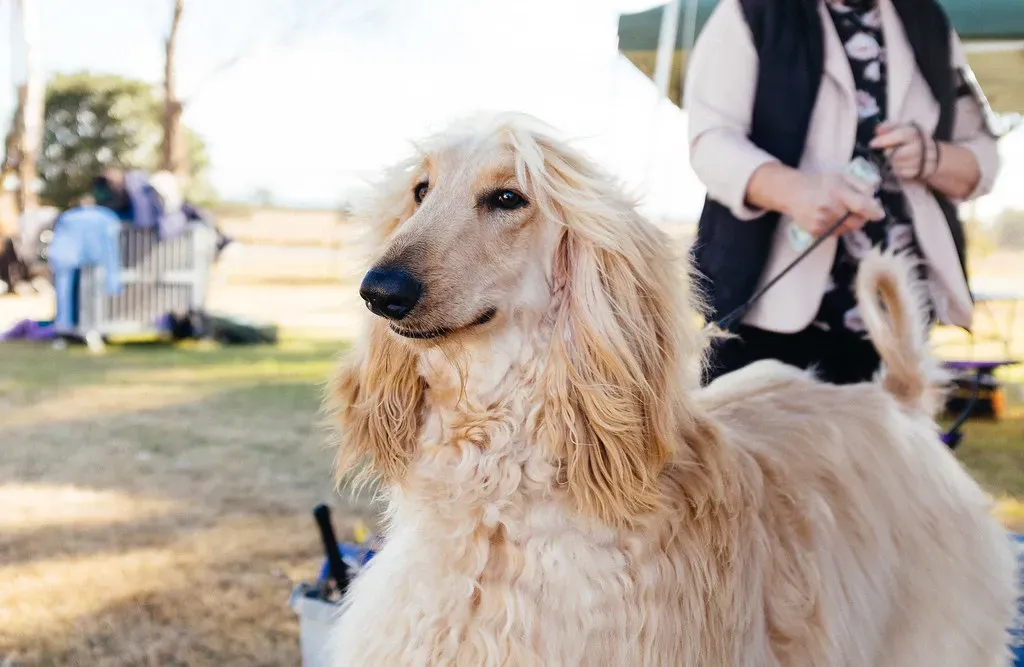
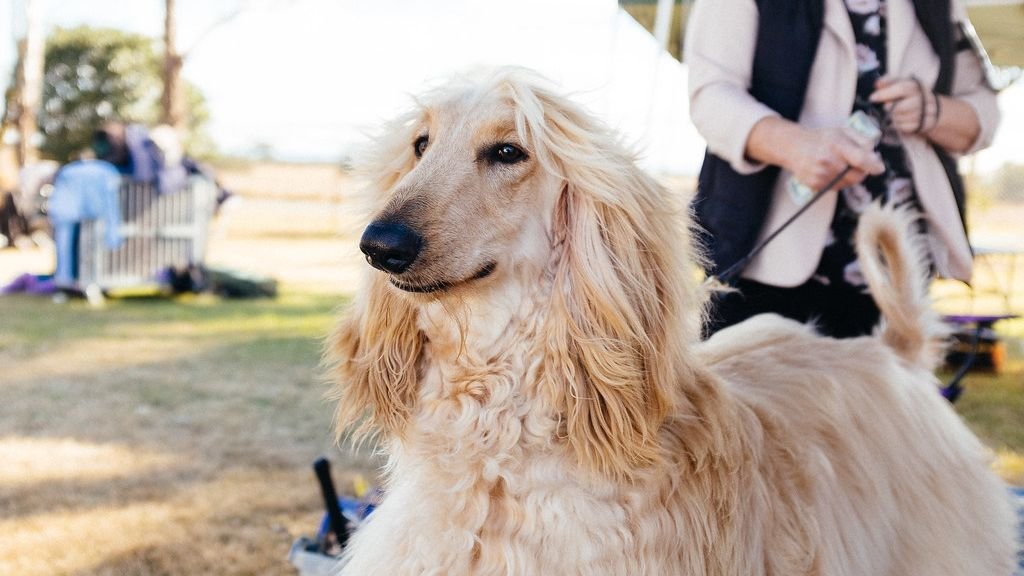
True to its origins as a hunter bred to think on its feet, the Afghan hound is strong willed and independent, aloof and self confident. A study in contradictions, the Afghan hound has been described as fiercely brave but possibly timid, flighty but sometimes quiet and lazy, dignified but clownish. There’s something almost otherworldly about an Afghan Hound.
The aloof Afghan Hound tends to bond strongly with one person, and is not often interested in the fawning of visitors. She’s independent and stubborn, but with a goofy side. They’re the aristocrats of the dog world, with flowing coats and a gaze that seems to look through you rather than at you. A mature Afghan Hound does not lavish attention on anyone, and sometimes doesn’t even want hugs or caresses. The free thinking, independent Afghan will decide for themself when they want affection, and it will be on their terms, not yours.
Here’s the beautiful part, though. Independence and indifference aside, the Afghan Hound is tender when they wish to be and can be very amusing. Often referred to as a “clown” by their affectionate family, the Afghan Hound is known to be mischievous and stories abound of this breed’s ability to steal objects from under the very noses of family members, even going so far as to open dresser drawers and snatch clothes. They have a playful side that emerges when they feel like it.
They possess a noble and aloof demeanor, showing affection in subtle, dignified ways. While not overtly demonstrative, Afghan Hounds form deep bonds with their owners, appreciating a calm and attentive presence. Training them requires patience and innovation because they’re not people pleasers by nature.
Chow Chow: The Lion Maned Guardian With Cat Like Ways
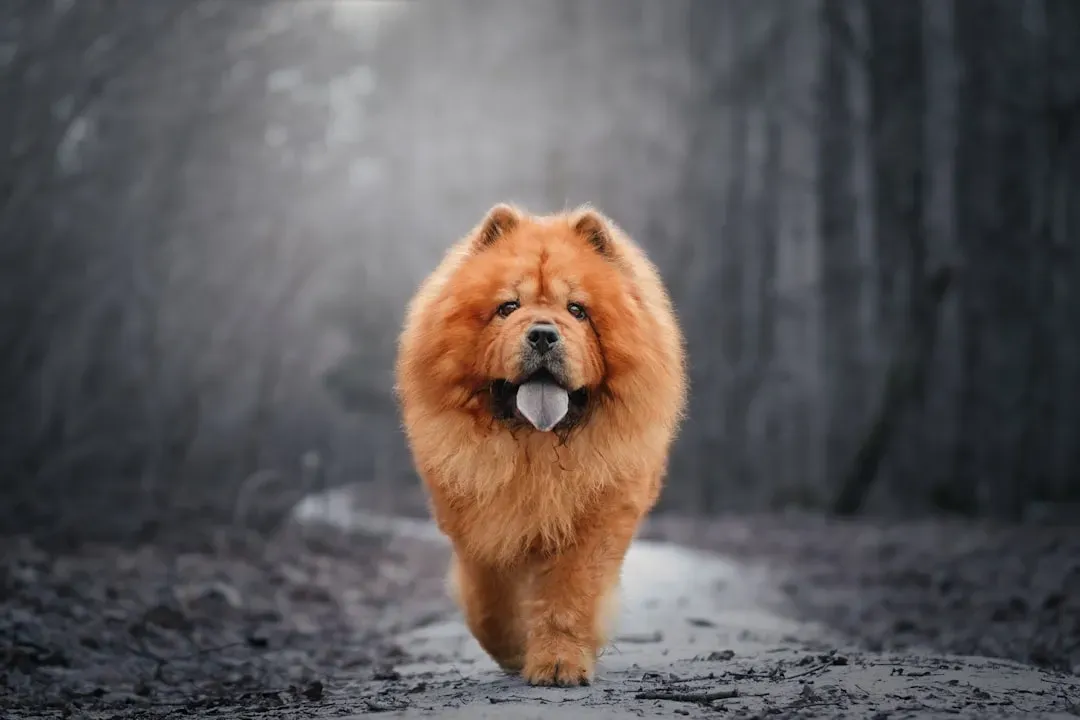
This working heritage, combined with the dogs’ calm disposition, makes the Chow Chow one of the most independent dog breeds. Though independent, Chow Chows are loyal to their family and typically bond deeply to one person. Ancient, powerful, and utterly unique, the Chow Chow stands apart from most other breeds.
Chow Chows are known for their distinctive lion like appearance and aloof nature. This ancient breed, originating in China, was historically used for guarding and pulling carts, which required a degree of independence. Chow Chows are often described as cat like in their behavior, preferring to do things on their own terms. They’re not the type of dog that rushes to greet every visitor at the door. Known for their dignified demeanor, Chow Chows do not demand constant attention, but they form strong, loyal bonds with their owners. They show their affection in a reserved manner, preferring quiet companionship to overt displays of enthusiasm.
What really sets them apart is their cleanliness. It is, however, his particular intelligence and devotion, his independence and dignity which make him unique. It is often said by Chow owners who have had years of experience with Chows, as well as with other breeds, that the Chow is perhaps the cleanest dog of all. They groom themselves meticulously, almost obsessively.
Chow Chows are fiercely loyal to their family. This loyalty often manifests as protective behavior, especially toward their home and loved ones. Their guard dog heritage means they alert their owners to unusual activity without excessive barking, making them excellent watchdogs. The bond is deep, even if it looks different from a Golden Retriever’s exuberant affection. Training requires consistency and respect for their independent nature.
Akita: The Noble Japanese Guardian of Unwavering Loyalty
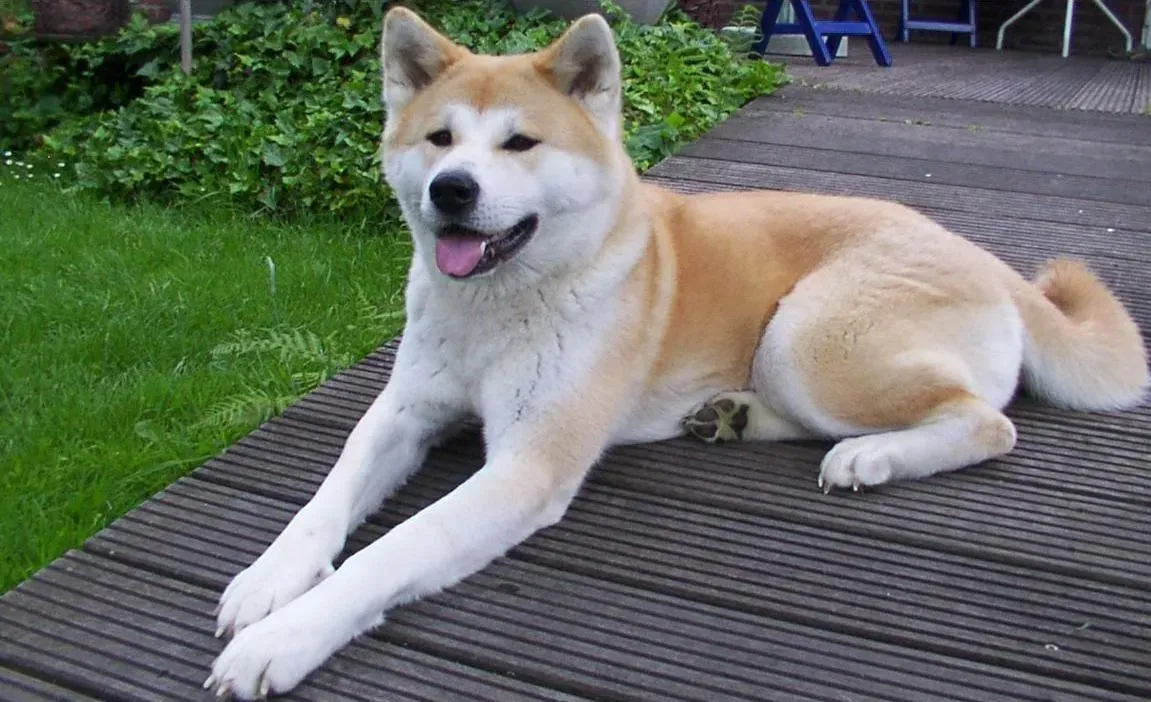
The Akita is a large and powerful breed known for its loyalty and independence. Originally bred in Japan for hunting and guarding, Akitas are incredibly self sufficient. There’s a reason the Akita has become a symbol of loyalty in Japanese culture.
Akitas are known as extremely loyal dogs who will defend their human families to the end. And while they love affection as much as the next doggo, they don’t demand it by pawing, barking, climbing up your leg or whining. Steadfast and intuitive, they are arguably the most independent breed. These elegant beauties give the impression of being able to “take it or leave it” when it comes to interaction with their humans.
Akitas thrive on routine and structure but are content to spend time alone when their humans are busy. Their independent mindset means they don’t constantly seek attention, allowing them to be dignified companions who are satisfied with their own company. They’re massive dogs with a calm presence that commands respect. Akita Inu are known for being very reserved and dignified, which makes them one of the most independent dog breeds on this list. They are large, muscular dogs with a strong sense of self.
The Akita’s history shaped their personality. Historically, they were used for hunting large game such as bears and wild boar. This required them to make quick decisions on their own, contributing to their independent demeanor today. Yet despite all this independence, they form incredibly deep bonds with their chosen person. It’s hard to say for sure, but their loyalty feels almost sacred.
Greyhound: The Gentle Speedster Who Values Downtime
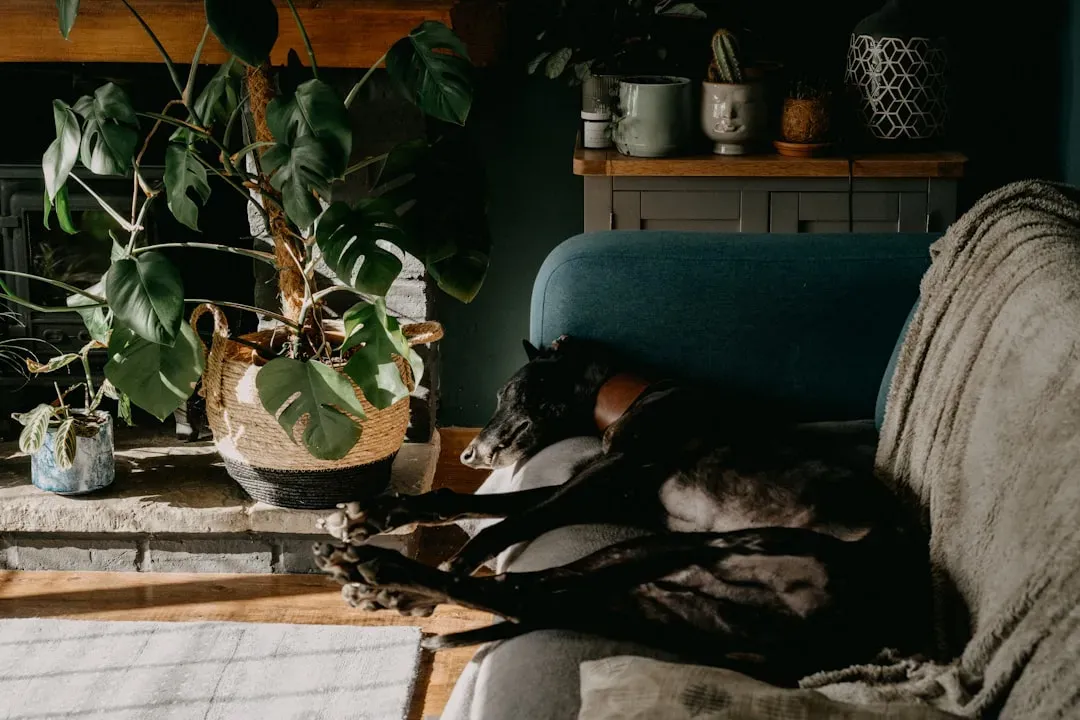
Despite their reputation as racing dogs, Greyhounds are surprisingly independent and low maintenance in a home environment. Known for their speed and agility, they were originally bred for hunting. However, their calm demeanor makes them excellent couch companions. Greyhounds enjoy a good sprint but are also content to lounge around for most of the day. It might surprise you to learn that one of the fastest dog breeds is also one of the most laid back.
Greyhounds are independent and calm, with a reputation for their elegance and the ability to be content alone. They do bond closely with their owners, but they don’t require as much attention as many other breeds out there. They’re perfectly happy being couch potatoes for hours after a good run. People often assume racing dogs are hyperactive, but that’s not the Greyhound’s personality at all.
Their independence shows in their quiet confidence. They don’t need to be entertained constantly or reassured that you still love them. They know. An independent dog is comfortable and confident without constant interaction from a human companion, and they often do well as a single pet. That said, independent dogs have love and loyalty to give, they just might express it differently than other dog breeds. For example, they might prefer to lie in the corner while you’re watching TV on the couch instead of cuddling up next you.
Greyhounds are sensitive souls despite their athletic build. They appreciate gentle handling and calm environments, making them wonderful companions for quieter households.
Alaskan Malamute: The Arctic Worker With a Strong Sense of Self
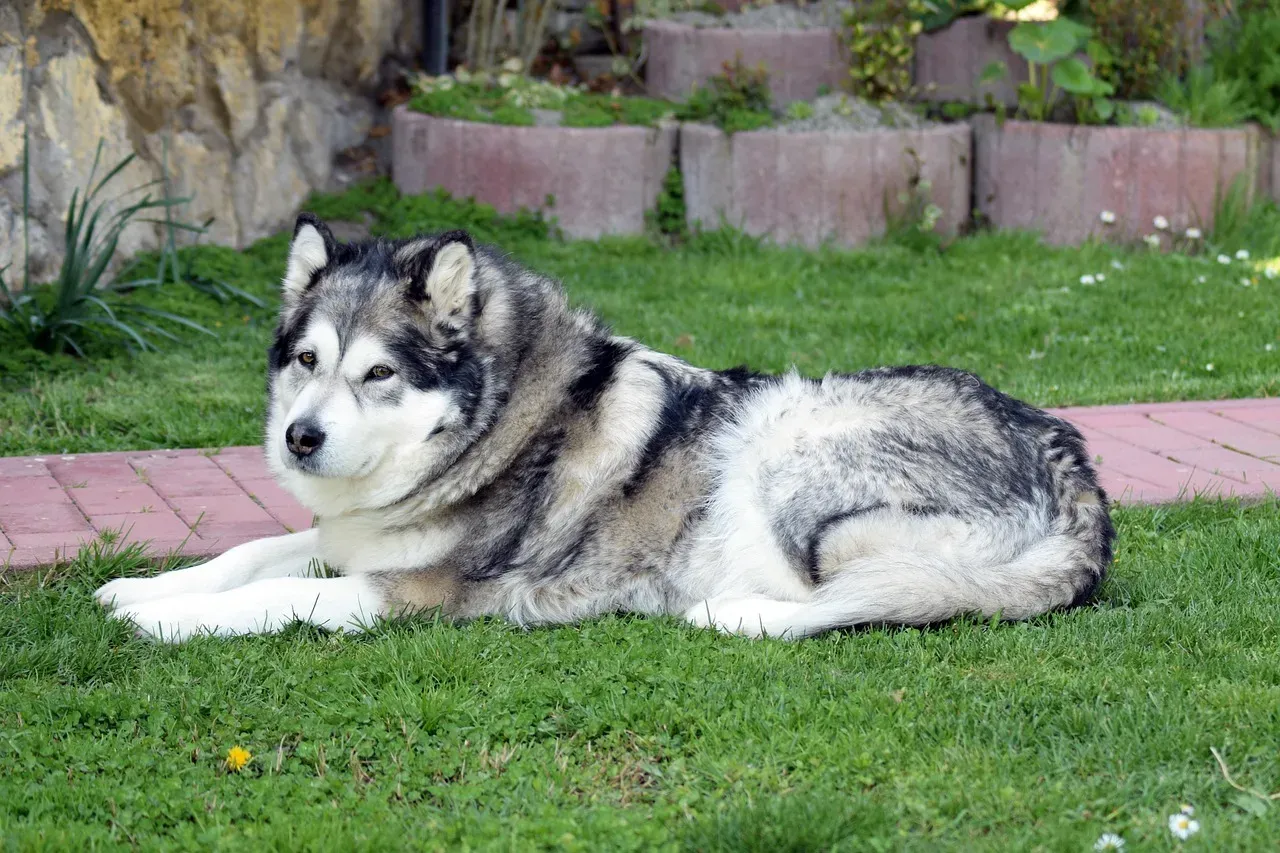
Used for dog sledding and hauling in cold environs, the fact that these hard working, heavy coated large dogs have been welcomed into warm, cozy family life hasn’t changed their personalities from self contained and the opposite of needy. Preferring to hang out on the floor unless they’re outdoors, the Malamute’s quiet temperament is soothing and peaceful. These powerful northern dogs were built to survive in some of the harshest conditions on Earth.
The Alaskan Malamute originated in Alaska and is the largest of the Arctic sled dogs. They are strong dogs built for performing in harsh winter climates. They love their families and are fond of people, but they are also independent and strong willed. This, paired with their high intelligence, can sometimes come across as stubborn. They’re dignified, calm, and utterly capable of entertaining themselves.
What makes Malamutes fascinating is their pack mentality combined with their independence. This large working dog was and still is used for sledding and carting. They originate in the harsh winter environments of the far north and their independence makes them effective workers. Because of their origin, they have temperaments that are somewhat primitive compared to other modern breeds. They appreciate companionship but don’t require constant reassurance.
One of the facts about Alaskan Malamutes is that they are easily bored, so you have to be careful when you leave them alone. But, they won’t mind a little bit of alone time. They need mental stimulation and physical activity but they’re perfectly capable of occupying themselves when necessary. Their affection is steady and reliable, like the dogs themselves.
Conclusion
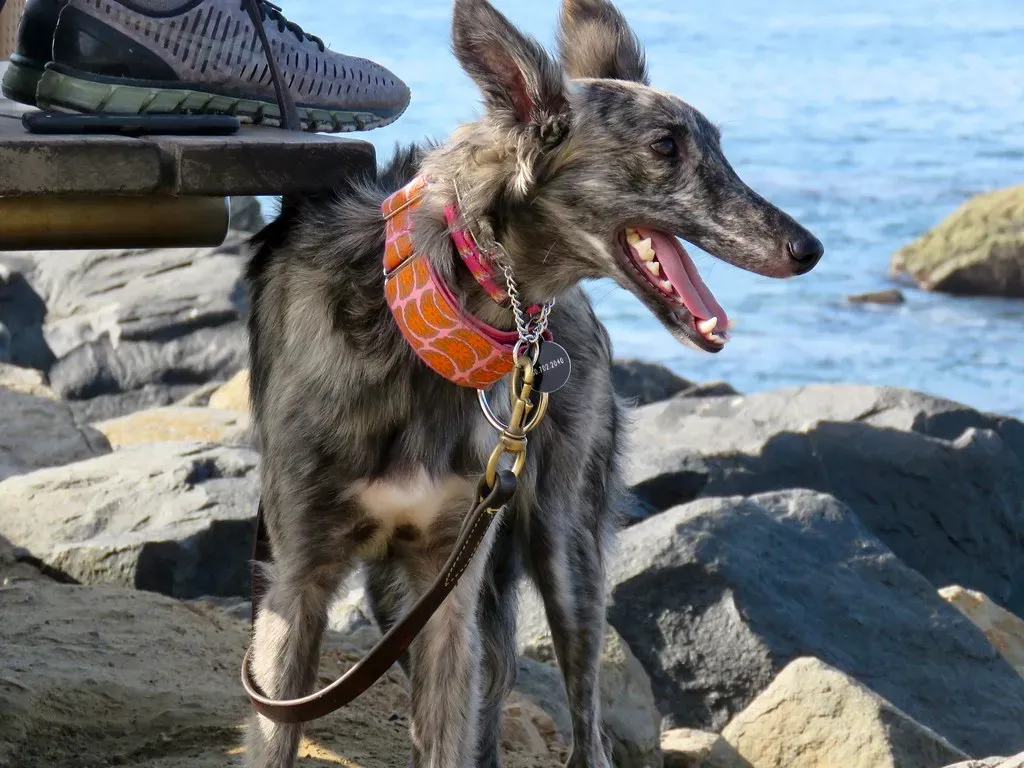
Independence in dogs isn’t about coldness or detachment. It’s about confidence, self assurance, and a different way of showing love. These seven breeds, from the spirited Shiba Inu to the gentle Greyhound, all share one beautiful trait: they trust themselves enough to give you space, and they trust you enough to know the bond is still there.
Independent dog breeds aren’t known to show clingy or needy behaviors, but they still need attention and affection. Never mistake independence for lack of love. These dogs form some of the deepest bonds you’ll ever experience. Their loyalty isn’t loud or showy. It’s quiet, steady, and profound.
If you’re the kind of person who values a dog that respects your space, that doesn’t need constant validation, that can entertain itself while you work from home, one of these breeds might be your perfect match. They’ll lie across the room instead of on your feet, but their eyes will follow you everywhere. They’ll greet you with calm dignity instead of hysterical joy, but their whole world revolves around you.
So what do you think? Could you appreciate a dog that loves you on their own terms? Tell us in the comments.


