

Ever tried to call your dog inside during a rainstorm, only to watch them stand stubbornly in the mud, nose in the air, pretending they didn’t hear you? Welcome to the club! Some dogs just have minds of their own. As much as we adore their quirky personalities, certain breeds are famously independent — and, let’s be honest, can turn even the most patient owner into a head-scratcher. But don’t worry, you’re not alone. Let’s dive into the world of the nine most stubborn dog breeds to train, with practical tips that’ll help you love them even more—even on days when you feel like you’re negotiating with a tiny, furry lawyer.
Afghan Hound: The Glamorous Rebel
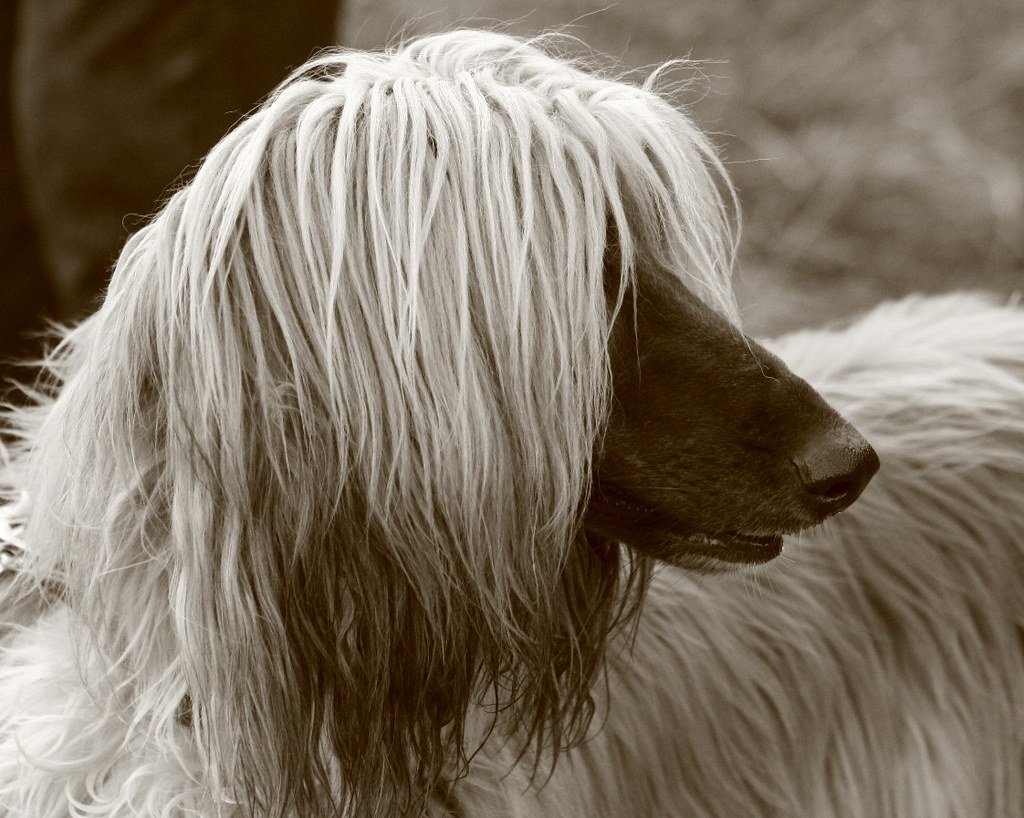
Afghan Hounds are the supermodels of the dog world—elegant, aloof, and oh-so-stubborn. Their independent streak isn’t just a rumor; centuries of selective breeding for hunting solo in Afghanistan means they love to think for themselves. You may find that your Afghan Hound listens only when it suits them, especially if there’s something more interesting around.
Training an Afghan Hound requires patience, gentle encouragement, and a sense of humor. They respond best to short, upbeat training sessions and plenty of positive reinforcement. If you notice your Afghan ignoring commands, it’s not always defiance—they just get bored easily. Keeping things fun and unpredictable is the secret to winning their cooperation.
Basenji: The Barkless Trickster
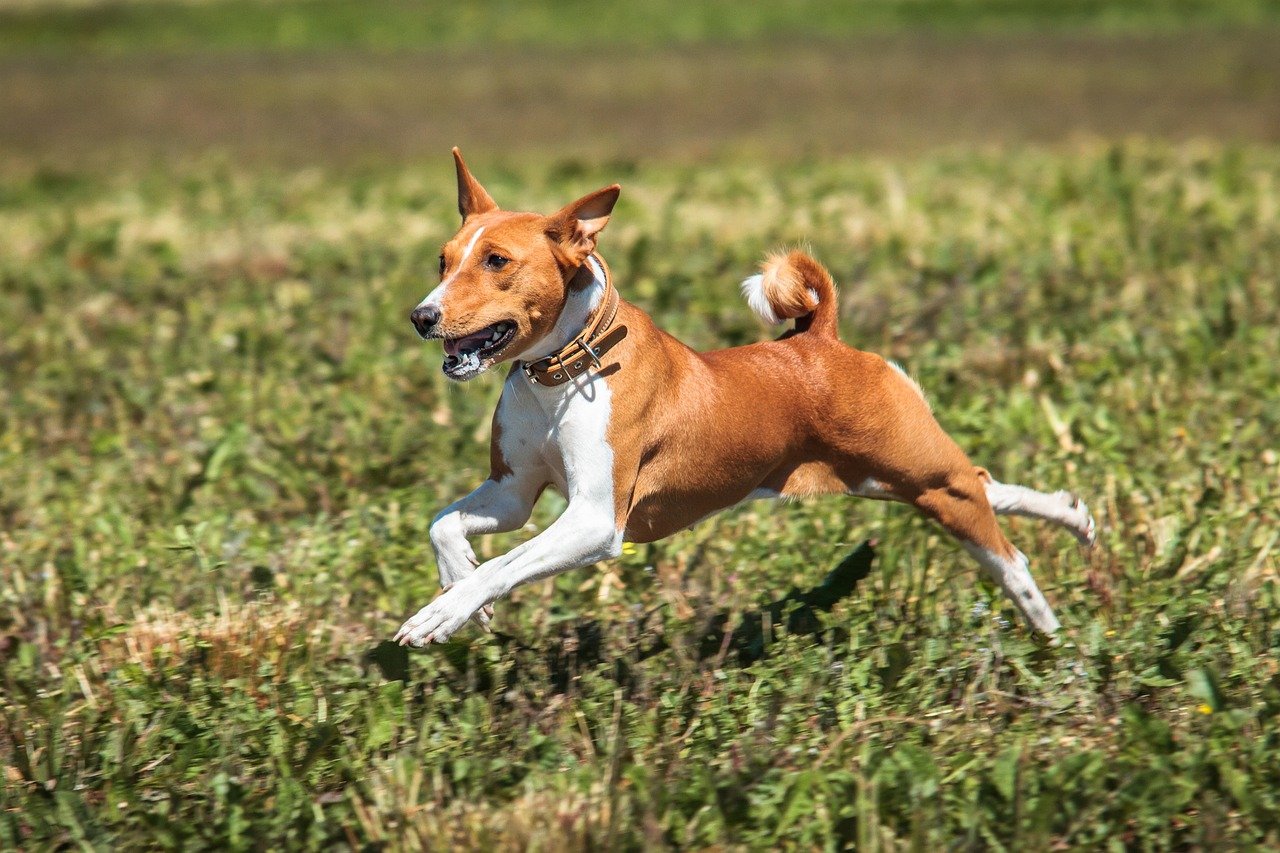
Basenjis are famous for not barking, but don’t let that fool you into thinking they’re easy to handle. These little escape artists are clever, persistent, and fiercely independent. If you’ve ever watched a Basenji “pretend” not to hear you, then suddenly race past with your socks, you know what I mean.
Their stubbornness often shows when routines get too repetitive. Basenjis need mental stimulation and variety, or they’ll create their own fun—usually at your expense. Use puzzle toys, change up your walking routes, and always keep training lighthearted. If they start to look bored, switch tactics before they decide you aren’t worth listening to!
Bulldog: The Lovable Couch Potato
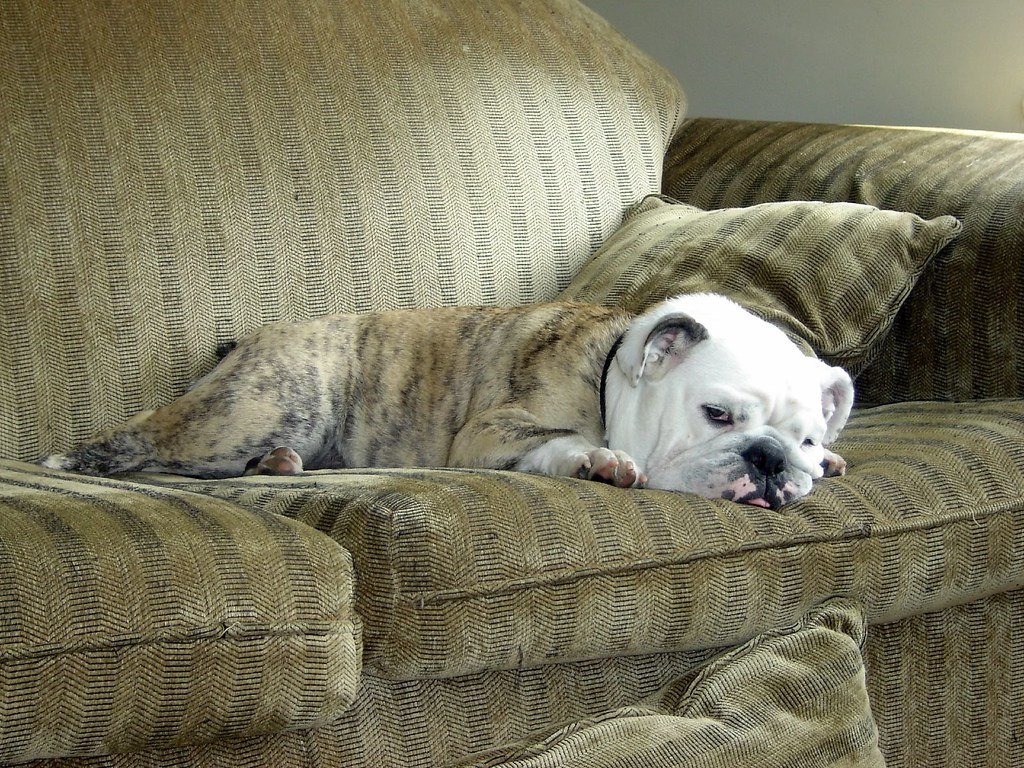
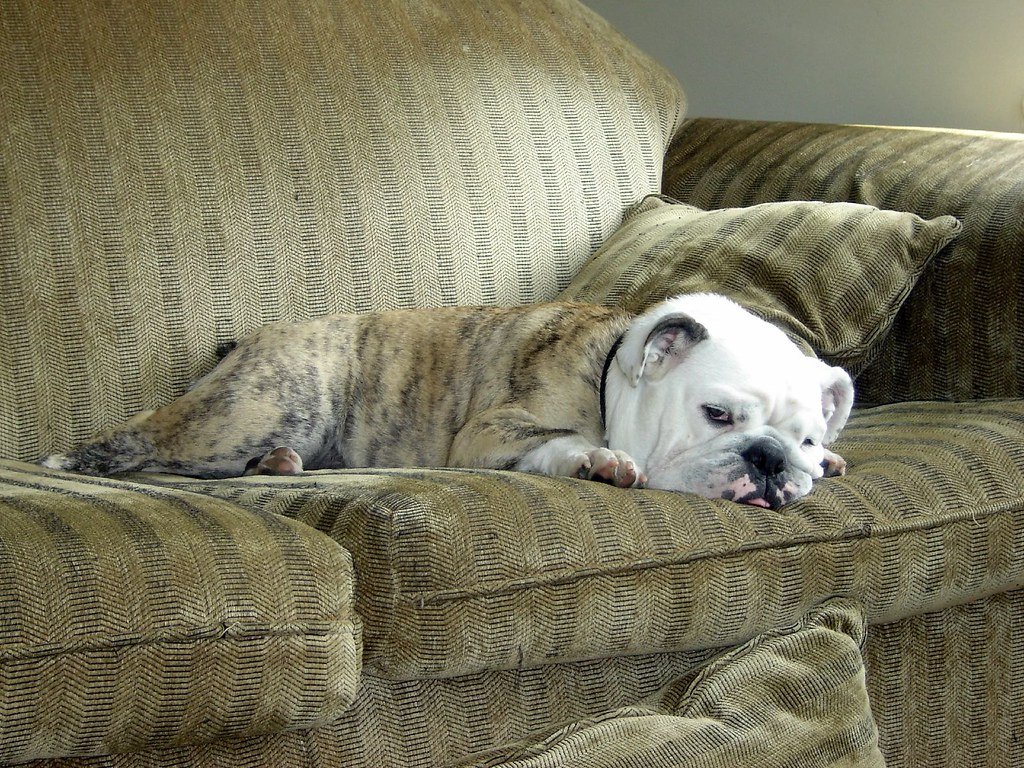
Bulldogs are sweet, affectionate, and built like tanks—but they’re also notorious for their stubborn streaks. If a Bulldog decides they don’t want to do something, you’ll have a hard time convincing them otherwise. I’ve seen Bulldogs plop down in the middle of a walk and refuse to budge until bribed with a treat.
Their stubbornness isn’t defiance; it’s more about their laid-back attitude. Consistent, gentle encouragement—and lots of patience—work wonders. Watch for signs of overheating or discomfort, as Bulldogs can be prone to health issues, especially in hot weather. Always keep training sessions short, positive, and end on a high note.
Chow Chow: The Fiercely Proud Aristocrat
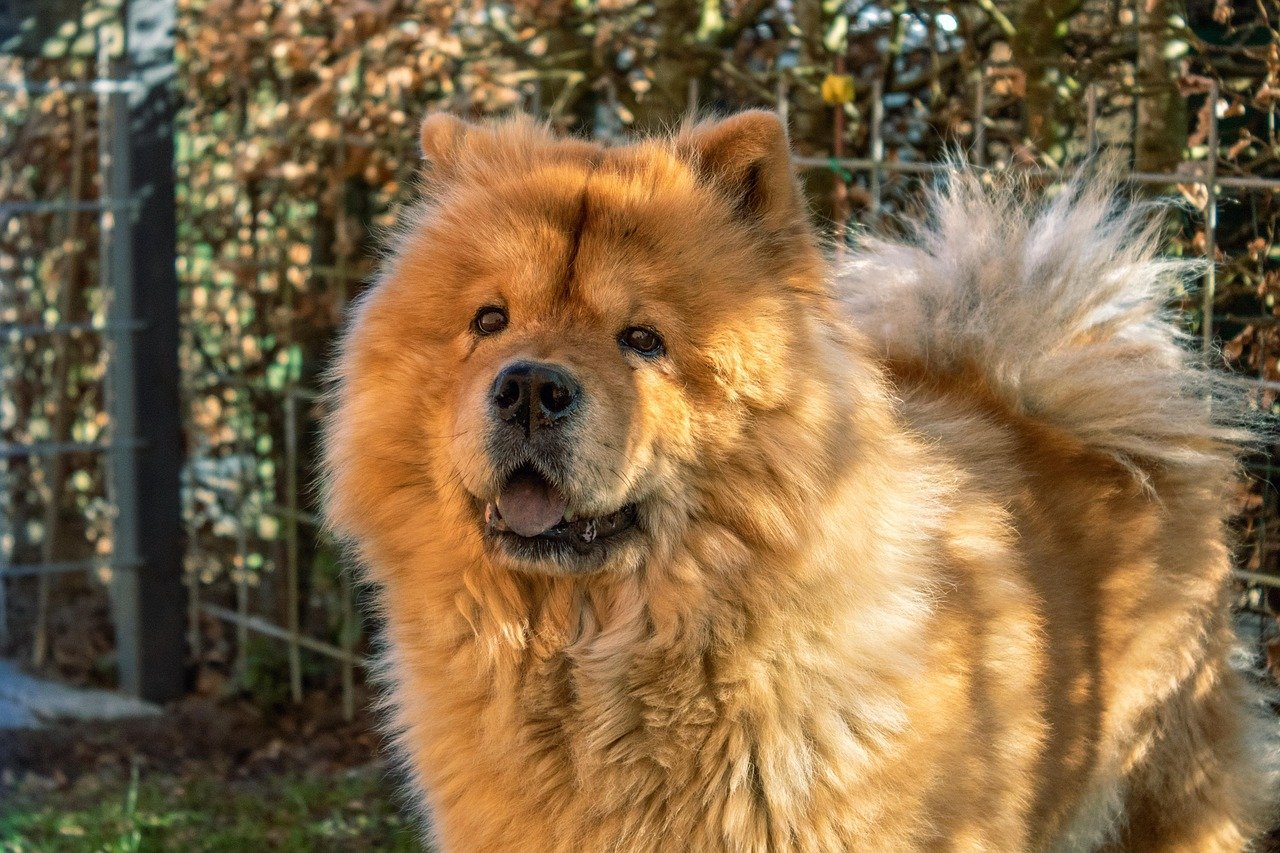
Chow Chows look like adorable teddy bears, but underneath that fluff lies a proud, independent thinker. They’re known for their loyalty to family but may ignore commands from anyone they don’t respect. It’s not unusual for a Chow to calmly stare you down when you call them, as if weighing whether your request is worth their attention.
Building trust is key with Chows. Start socialization and training early, and always use firm but kind leadership. Keep an eye out for body language cues—tail up, ears forward means they’re alert and may challenge your authority. Never use harsh methods; patience and positive rewards are your best allies.
Jack Russell Terrier: The Energetic Dynamo
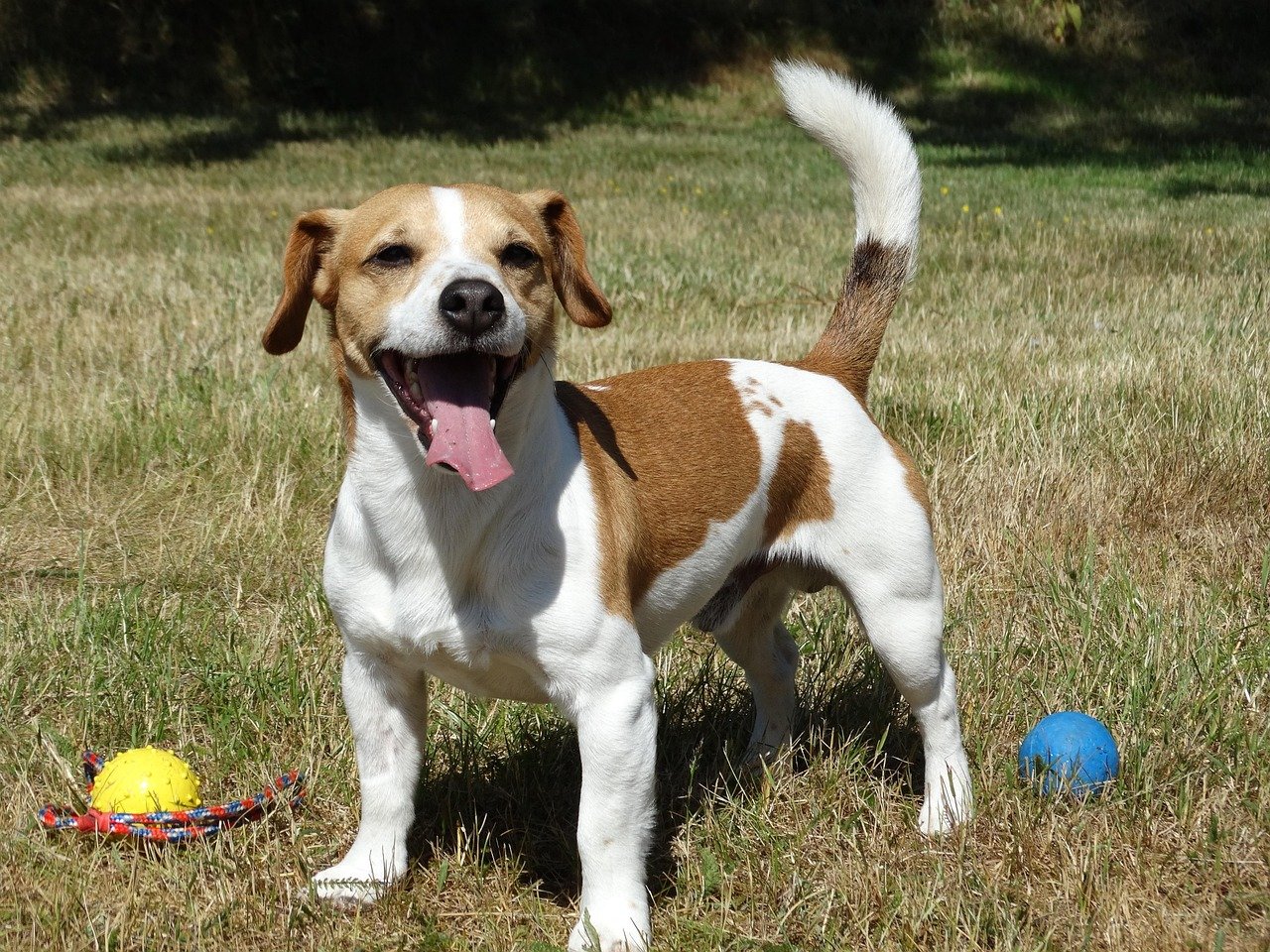
Jack Russells are tiny, explosive bundles of energy with minds as quick as their feet. Their stubbornness often comes from sheer enthusiasm and a need for constant stimulation. If you don’t give them a job, they’ll invent one—like digging up your flowerbeds or chasing every squirrel in sight.
To manage their stubborn side, channel their energy into agility training or games that tap into their natural hunting drive. Short, fun sessions keep them focused. Be on the lookout for signs of frustration, like excessive barking or destructive behavior. A tired Jack Russell is a well-behaved one!
Shiba Inu: The Foxy Escape Artist
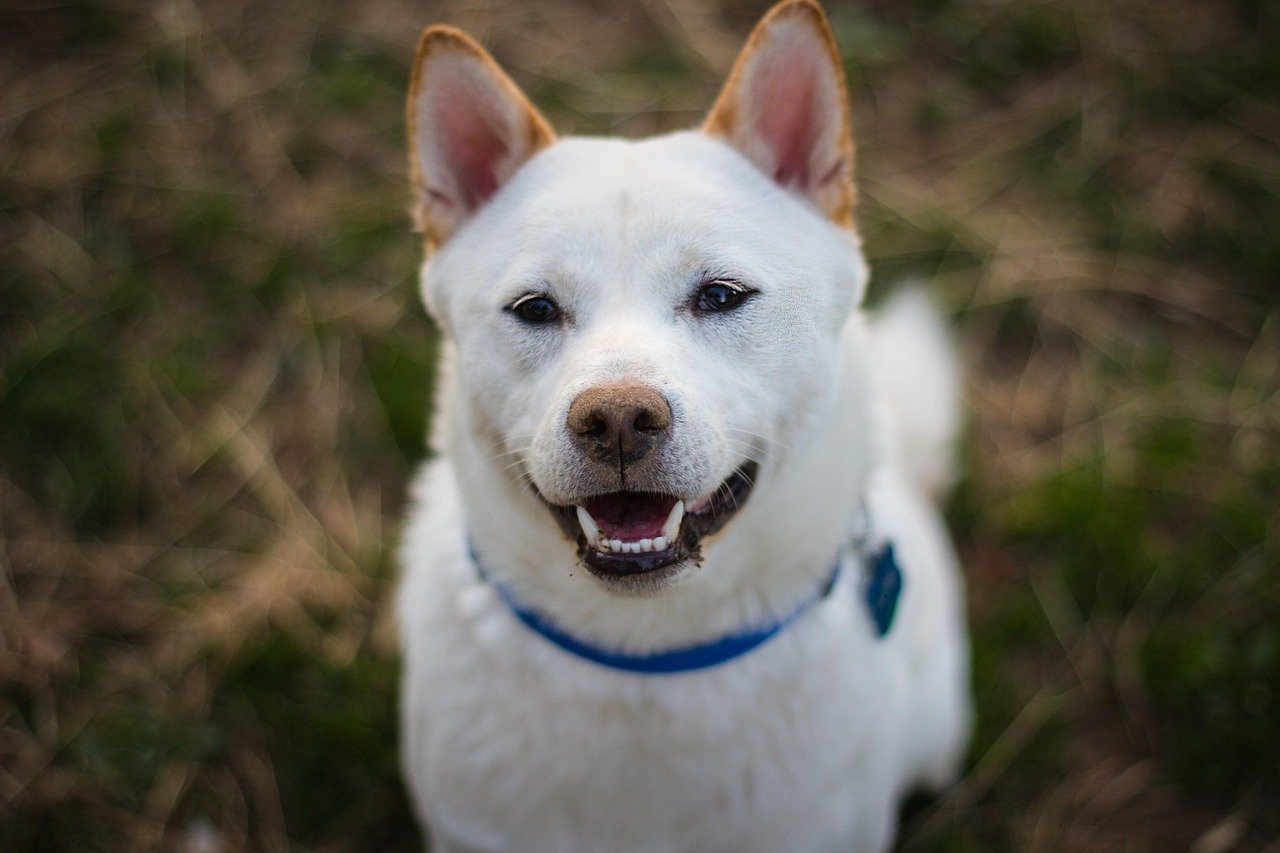
Shiba Inus are as cunning as they are cute, with a reputation for being one of the most “cat-like” dog breeds. They’re great at pretending not to hear you, especially if they’re sniffing something intriguing or plotting their next great escape. If you’ve ever tried to train a Shiba, you know it’s like negotiating with a toddler who just learned the word “no.”
Consistency is critical with Shibas. Use clear boundaries, plenty of praise, and never let them off-leash in unsecured areas—they’re famous for ignoring recall commands. If they get bored, they’ll find their own entertainment, so keep training sessions varied and rewarding.
Beagle: The Nose on Legs
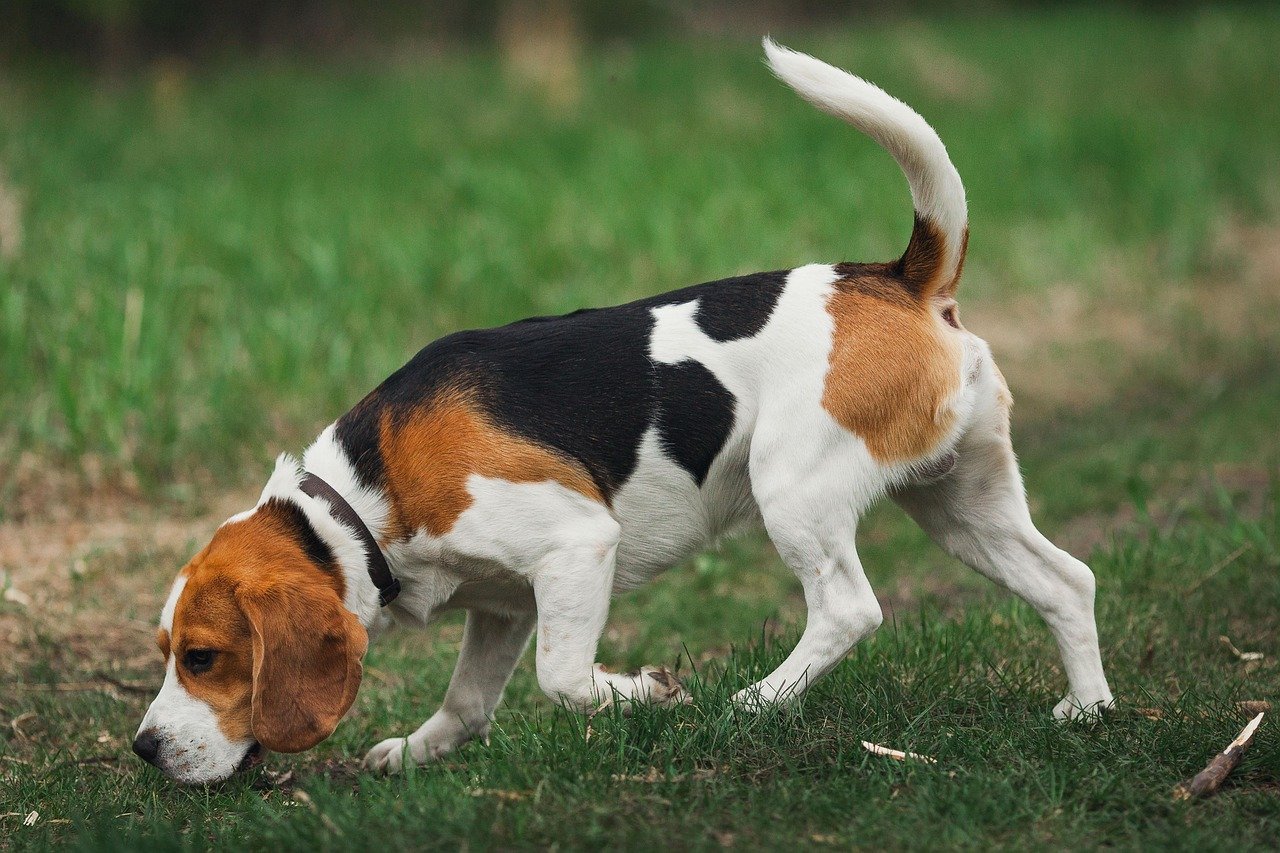
Beagles are lovable, merry, and driven by their noses—a blessing and a curse when it comes to training. Once a Beagle catches a scent, good luck getting their attention back. It’s not stubbornness for the sake of it; their instincts just take over.
To train a Beagle, use treats, toys, and lots of praise to keep them motivated. Work in distraction-free environments at first, gradually increasing the challenge as they improve. Keep an eye out for signs of boredom or frustration, and switch up activities to maintain their interest.
Dachshund: The Brave Little Digging Machine
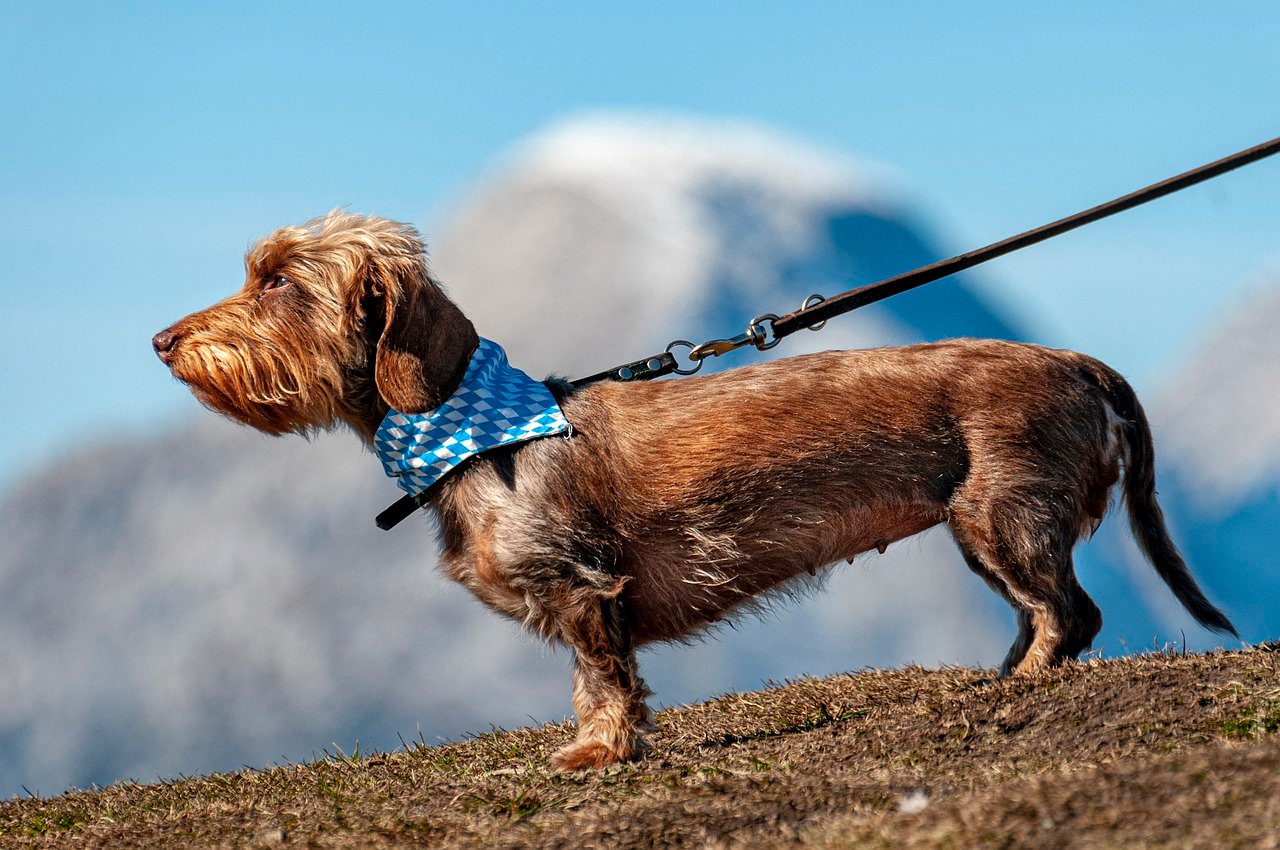
Dachshunds may look cute and harmless, but their stubbornness is legendary. Bred to hunt badgers, these little dogs have a fierce independent streak. If a Dachshund decides to ignore you, they’ll dig in (sometimes literally!) and refuse to budge.
Short, frequent training sessions work best. Use positive reinforcement, especially treats and affection. Watch for signs of anxiety or frustration, like excessive barking or chewing. Dachsies need plenty of mental stimulation to keep them from inventing their own mischief at home.
Siberian Husky: The Free-Spirited Adventurer
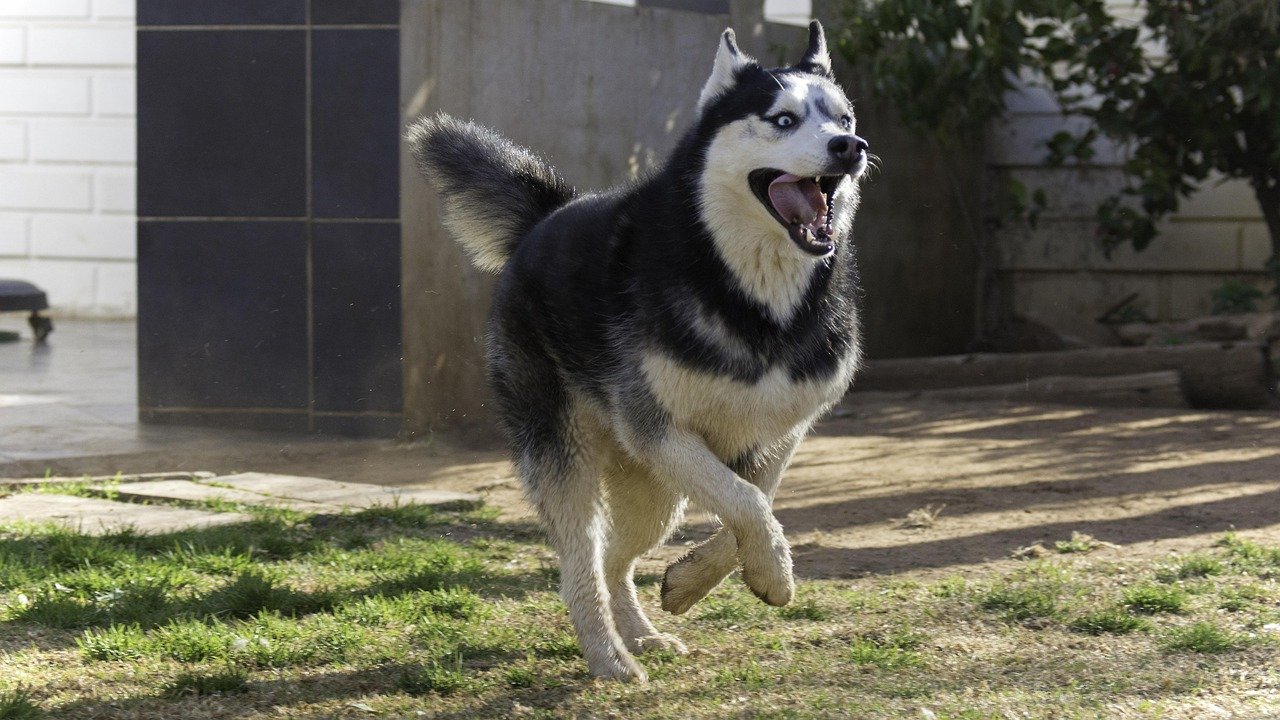
Huskies are the poster dogs for stubbornness with a side of mischief. Their intelligence and independence come from generations of pulling sleds across frozen landscapes. If you don’t keep them mentally and physically challenged, they’ll entertain themselves—often by escaping fences or howling at the moon.
Training Huskies requires creativity and a good sense of humor. Use varied activities, lots of exercise, and high-value rewards to keep them interested. Look for signs of restlessness, like digging or chewing, and address them with more structured play and training sessions.
That’s the full list of the nine most stubborn dog breeds to train.
Esther is from India; the heartbeat of South Asia, holding a Master’s degree in Zoology and a postgraduate diploma in Animal Welfare. Her enthusiasm for animal welfare drives her passion and dedication to working for animals, ensuring their well-being, and advocating for their rights. With a solid academic background and hands-on experience, she is committed to making a positive impact in the field of animal welfare. In her free time, she enjoys embroidery and sewing. As a Chennaite from Tamil Nadu, Esther loves Bharathanatyam, an Indian classical dance form.


