
You’ve probably seen it happen. Someone meets your dog at the park, reaches out for a pat, and your pup calmly turns away. Suddenly, there’s that awkward silence followed by the inevitable comment: “Is your dog… friendly?” And you find yourself scrambling to explain that yes, your dog absolutely loves you, they’re just not that into strangers.
Here’s the thing – nearly half the misunderstandings people have about certain dog breeds boil down to one giant, unfair label: aloof. We’ve been using that word as if it means unloving, detached, or somehow broken. Honestly, that couldn’t be further from the truth. These dogs aren’t cold. They’re just speaking a different language. Let’s dive in and decode it together.
Where the “Aloof” Label Actually Comes From
Picture a cat. Dignified, selective, unbothered by strangers, but deeply bonded to the people it trusts. Now imagine a dog with a similar personality. Some dogs are fiercely independent, with a streak of confidence that makes them stand out from the usual clingy, people-pleasing pups. They don’t constantly beg for attention and are perfectly happy doing their own thing. But don’t mistake their aloof nature for a lack of love – they just show it differently.
This reserved personality isn’t a flaw. It has roots in history. The least affectionate breeds were often developed to be hunting or guard dogs, which explains their desire for independence – and for a job. Think about a Chow Chow standing guard in ancient China, or an Akita patrolling the cold mountains of Japan. These dogs were literally bred to work independently, away from crowds, relying on their own judgment. Of course they don’t rush up to strangers for belly rubs.
Some dogs are naturally aloof due to their genetic makeup and breed characteristics. Many working breeds, particularly those developed for independent tasks like livestock guarding or hunting, tend to show more reserved personalities. It’s not emotional distance. It’s centuries of purposeful breeding coming through in every calm, watchful gaze.
How These Dogs Actually Show Love (You’re Probably Missing It)
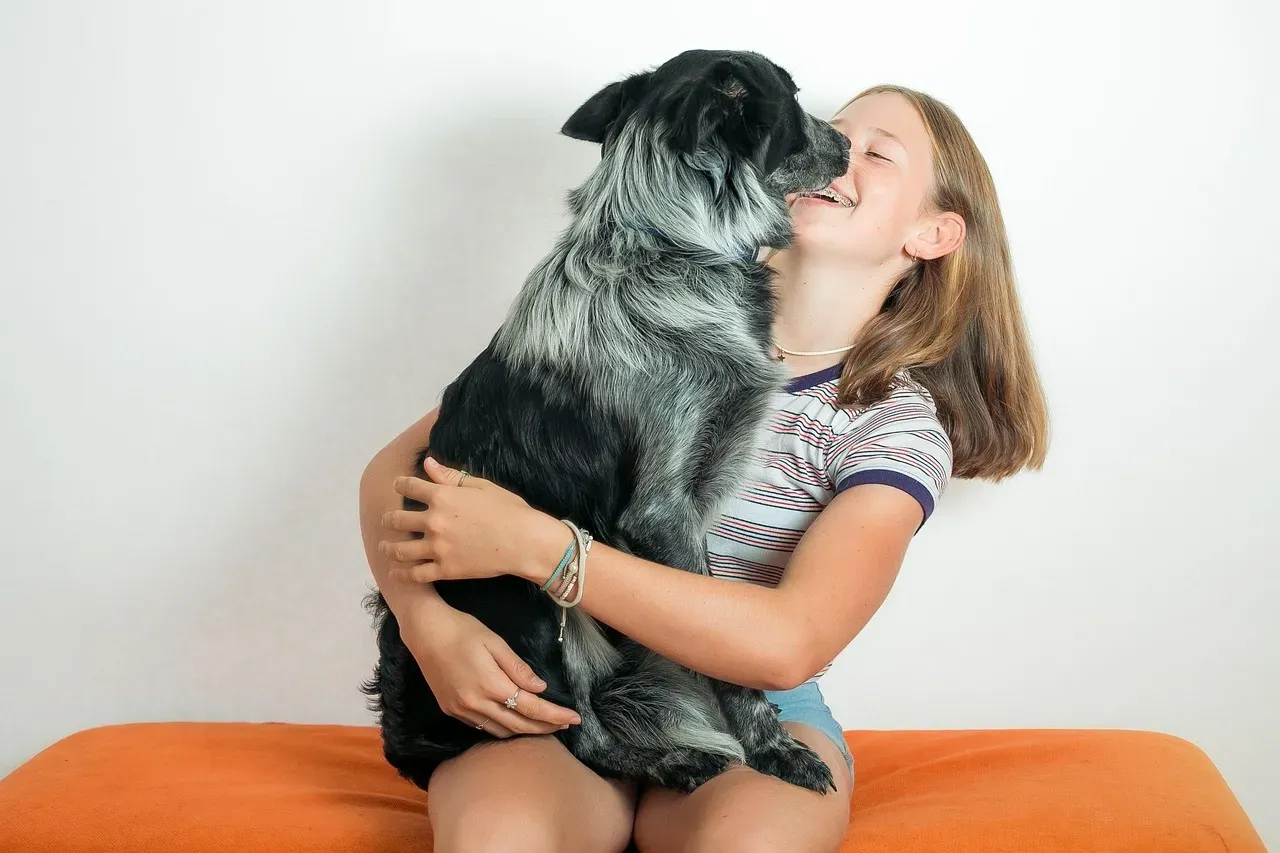
I think this is where the real magic is – and where so many dog owners feel genuinely seen once they understand it. Some dogs are more expressive, showing their affection with full-body wiggles and slobbery kisses. Others are more subtle, showing love through loyalty, presence, and protection. Neither is more or less real. They’re simply different dialects of the same emotion.
They might lie at your feet or at the end of the bed instead of cuddling close. They might stand between you and a potential threat, even just a noisy delivery truck, keeping watch. They may prefer to observe from a slight distance but still check in using eye contact or a small tail wag. They may not be physically clingy, but they’re steadfast, loyal, and protective.
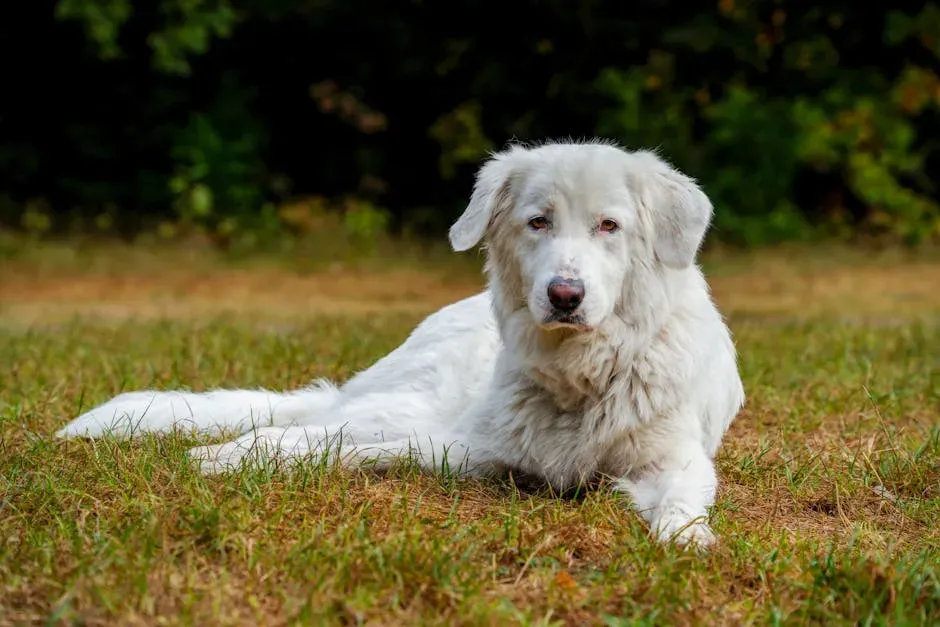
Think of it like a quiet person in your life who never gushes over you but always shows up when it counts. Breeds like Great Pyrenees, Mastiffs, and Anatolian Shepherds typically express love through vigilance. They may rest a short distance away so they can keep watch, check the perimeter, or place themselves between you and something that seems unusual. Their protectiveness comes from deep attachment, not aloofness. That’s love. Deep, reliable, unwavering love.
Meet the Breeds Most Misunderstood as Cold
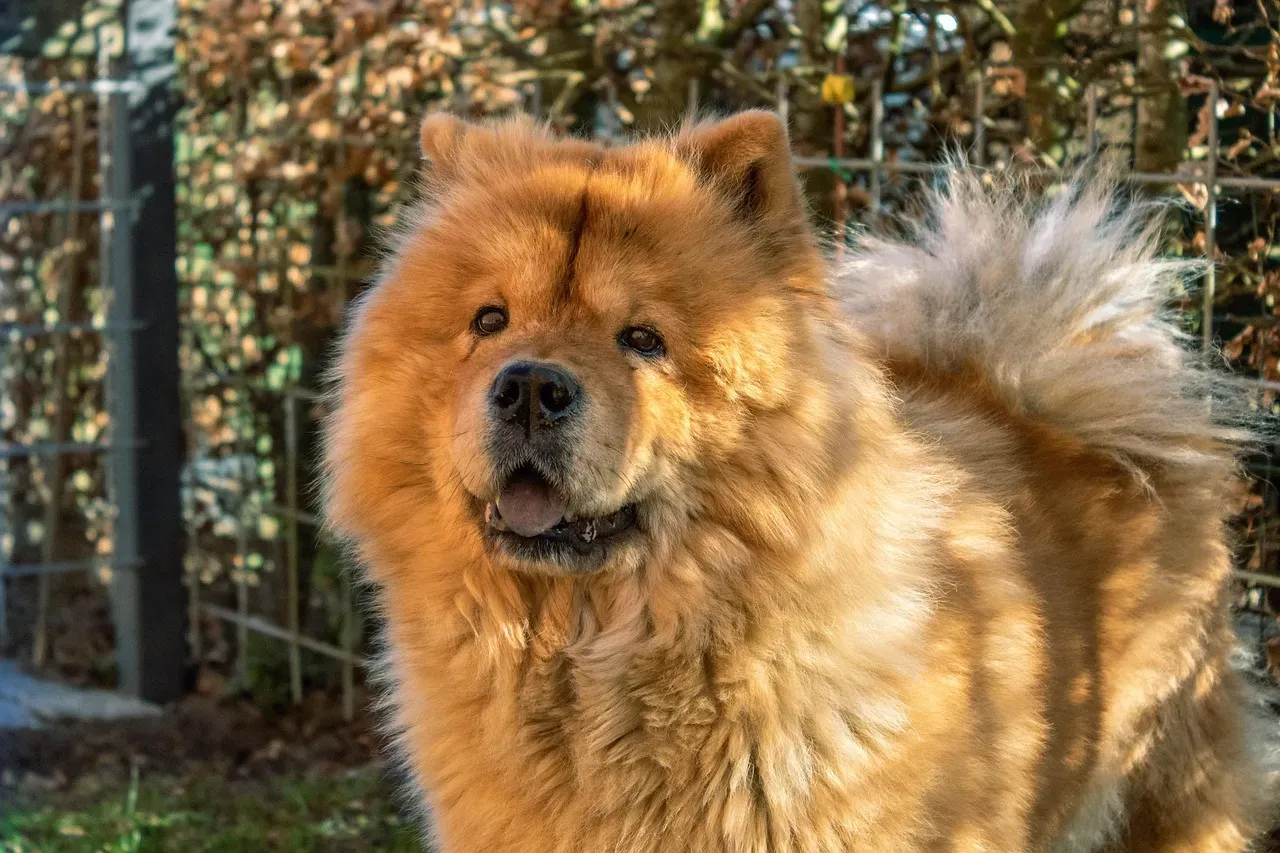
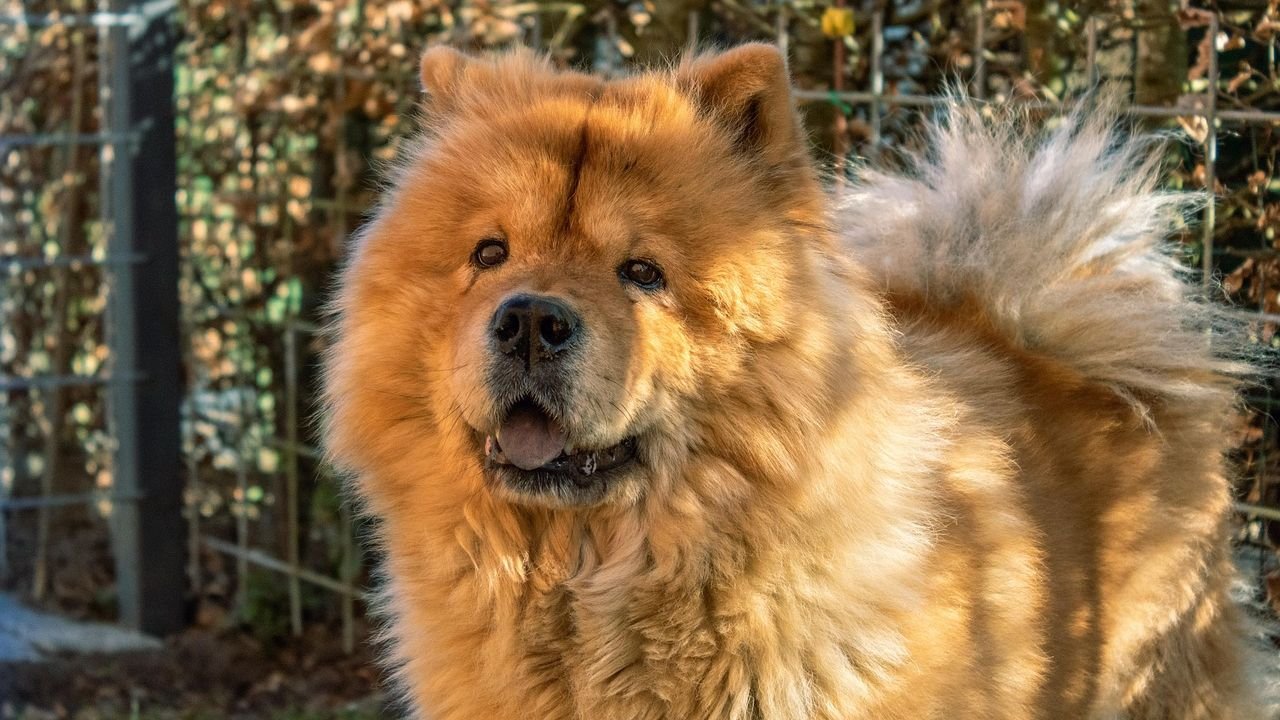
Let’s be real – some breeds get a worse reputation than they deserve. Take the Chow Chow. Chow Chows are working dogs from China, known for their distinctive blue-black tongues and thick fur. They’re popular companions and actually quite devoted to their owners. However, they’re also stubborn and reserved around strangers, and can be aggressive without proper socialization and training. Proper training makes all the difference here.
Then there’s the Shiba Inu. Shiba Inus are small to medium-sized dogs known for their spirited and independent nature. Originating from Japan, these dogs are incredibly alert and can be very cautious around new people and environments. Shiba Inus are very intelligent and can learn commands quickly, but their independent streak can make them appear aloof. Despite this, they are deeply affectionate with their families, showing loyalty and love in a reserved manner.
The Akita is another one worth understanding. While they form tight-knit bonds with their human family members, Akitas are typically reserved or even uncomfortable around people they don’t know. Early and consistent socialization is important for this breed, which does best with experienced pet parents. And the Afghan Hound? Dignified and alert, Afghans often seem to have their attention distracted by almost anything else, and are unlikely to squirm themselves into a pretzel when you come home from work. Getting and giving love is on their terms. Honestly, I find that kind of admirable.
Reading the Signs: Behavioral Cues That Tell You Your Dog Loves You
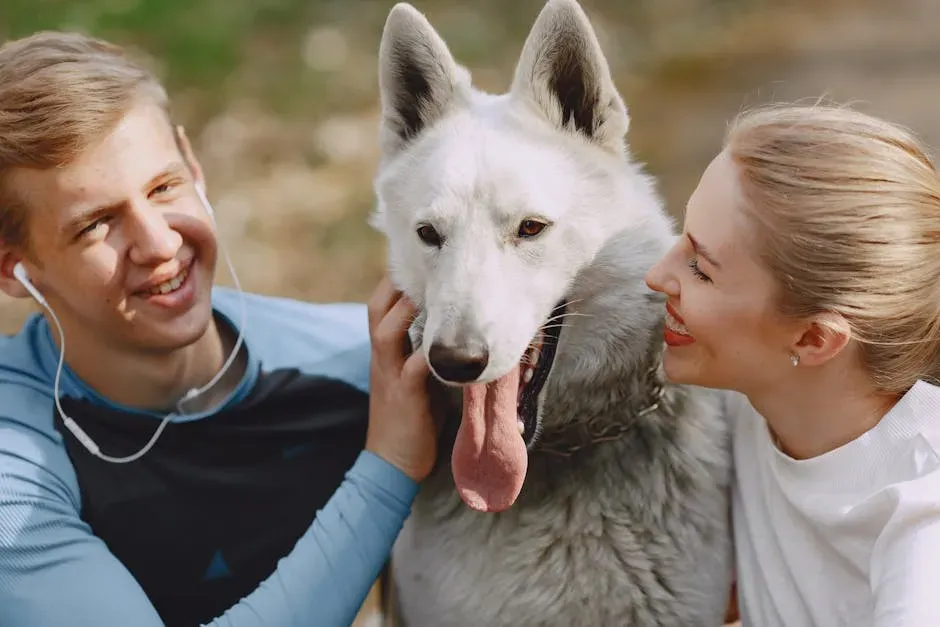
Once you know what to look for, the signs are everywhere – and they’re genuinely heartwarming. You can watch for certain behaviors or body language cues to gauge your dog’s mood. Some favorite tell-tale signs for a happy dog include a big stretch, a hearty play-bow, a relaxed tail wag with a loose gait as they walk toward you, leaning or pressing against you, and soft eyes and ears.
It’s hard to say for sure when you first get one of these breeds, but small moments are deeply meaningful. Not all signs of love are obvious. For example, when your dog is sleeping and chooses to lie on their back, that can indicate feelings of comfort and safety. A dog exposing its belly is literally making itself vulnerable – that’s enormous trust, quietly offered.
Akitas carry quiet dignity, assessing every scene like guardians. Independence is real, but so is the need for consistent, respectful guidance. They take comfort in routines, steady rules, and calm body language more than gushing affection. So if your Akita casually leans a shoulder into your leg for a fraction of a second, know that it meant everything. Don’t miss it.
How to Bond Deeper and Care Better for an Independent Dog
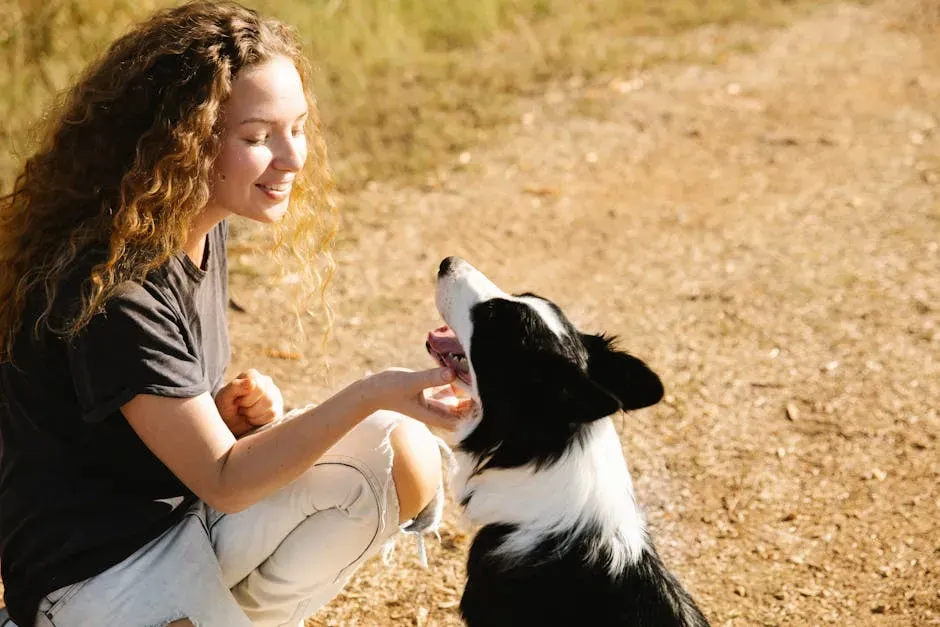
Independent dogs have love and loyalty to give – they just might express it differently than other dog breeds. For example, they might prefer to lie in the corner while you’re watching TV on the couch instead of cuddling up next to you. The worst thing you can do is chase that connection by forcing it. Let it come to you instead.
Respect their space, avoid forcing interaction, and let them approach you on their terms. Use positive reinforcement when they do choose to engage, and maintain consistent, predictable behavior to help build trust over time. Routine is your best friend here. These dogs are deeply comforted by predictability – same feeding times, same walking routes, same calm energy from you.
Early socialization is also genuinely critical, not optional. The greatest window of learning in a dog’s life starts around 3 weeks of age and closes between 16 and 20 weeks. This period allows puppies to be exposed to a wide variety of sights, sounds, smells, and sensations without becoming fearful. Puppies who miss out on these experiences may never learn to be comfortable around unfamiliar things, paving the way for anxiety, fear, and aggression later on in life. It’s not about making your reserved dog into a social butterfly. It’s about giving them a safe, confident foundation to stand on. Reward good behavior with treats, praise, or play. Independent breeds respond well to positive reinforcement as it makes training more enjoyable for them.
Conclusion: Every Dog Loves – Just Learn Their Language
The “aloof” label has done a quiet disservice to some of the most loyal, fascinating, deeply devoted dogs in existence. While the expression of affection may differ, all dogs have the capacity to form meaningful relationships with their human companions. The moment you stop expecting your Chow Chow to act like a Labrador, everything changes.
The key is to understand your dog’s breed tendencies and personality. An independent breed may still crave connection – just in quieter ways. Recognizing that difference helps you show love in a way your dog understands. That quiet, steady gaze your dog fixes on you from across the room? That’s devotion. That calm presence right outside the bathroom door? That’s love in its most dignified form.
There’s something almost poetic about a dog who chooses you – not out of anxious need, but out of genuine, considered loyalty. Despite their independent nature, these dogs can form strong and loyal bonds with their owners. They may not require constant attention, but they value companionship and can be affectionate in their own way. Once you understand that, your whole relationship transforms.
So, have you been reading your dog’s love language all along without realizing it? We’d love to hear your story – drop it in the comments below!


