

You’ve probably heard it before. Someone at the dog park, maybe a well-meaning neighbor, tells you that you need to be the alpha. That your dog is trying to dominate you. That if you let them walk through the door first or eat before you do, they’ll think they’re in charge.
Let me tell you something. That advice? It’s rooted in outdated science that’s been thoroughly debunked. The whole alpha dog theory came from flawed studies of captive wolves in the 1940s, animals that were forced together in stressful, unnatural conditions. Your dog isn’t plotting a household coup. They’re just trying to understand you in a language they don’t speak. So let’s dive into why this myth persists and what really works when it comes to raising a happy, well-adjusted dog.
Where the Alpha Myth Came From

The alpha dog theory stems from studies of captive wolves conducted in the 1930s and 1940s by Swiss animal behaviorist Rudolph Schenkel, who concluded that wolves in a pack fight to gain dominance. Schenkel observed wolves captured from different areas, unrelated and placed into a completely unknown, controlled environment where they had no choice but to interact with each other. The problem? In the wild, researchers have found that most wolf packs are simply families, led by a breeding pair, and bloody duels for supremacy are rare.
As David Mech stated in his study of wild wolves, attempting to apply information about the behavior of unrelated captive wolves to the familial structure of natural packs is analogous to trying to draw inferences about human family dynamics by studying humans in refugee camps. Think about that for a second. Would you study people in a prison and then apply those behaviors to how families operate at home? Of course not. Yet that’s exactly what happened with dogs, and the myth stuck around for decades.
Why Dogs Aren’t Wolves Anyway

Here’s the thing. Even if the wolf studies had been accurate, which they weren’t, dogs still aren’t wolves. Despite being members of the same species, wolves, even human-reared wolves, are behaviorally distinct from domestic dogs, especially when it comes to human beings. Dogs have been living alongside humans for thousands of years. They’ve evolved to read our facial expressions, understand our gestures, and cooperate with us in ways wolves simply don’t.
Trying to apply conclusions about wolf behavior to our understanding of dog behavior is simply an exercise in futility, guaranteed to lead to inappropriate and ineffective training methods. Your dog pulling on the leash isn’t trying to dominate you. When a dog pushes by you at the door, he wasn’t trying to dominate; he was simply excited to get outside. They’re just being a dog, responding to what’s rewarding or exciting in that moment.
What Modern Science Tells Us About Dogs

So if dominance isn’t the answer, what is? The science is clear. Dogs trained using only positive reinforcement are more obedient than dogs trained with punishment. Dogs whose owners used punishment were more likely to have behaviour problems such as fear and aggression.
Trainers have discovered that the use of negative reinforcement and positive punishment actually slow a dog’s progress, because they damage its confidence and, more importantly, its relationship with a handler. Honestly, when you think about it, this makes total sense. Would you learn better from someone who yelled at you every time you made a mistake, or from someone who encouraged you and showed you the right way to do things? Dogs feel the same way.
Positive reinforcement training builds trust, while training methods that create confusion, fear, or pain may still change behavior, but typically at the cost of trust and emotional well-being. The goal isn’t just obedience. It’s a relationship built on mutual respect and understanding.
How Trust-Based Training Actually Works
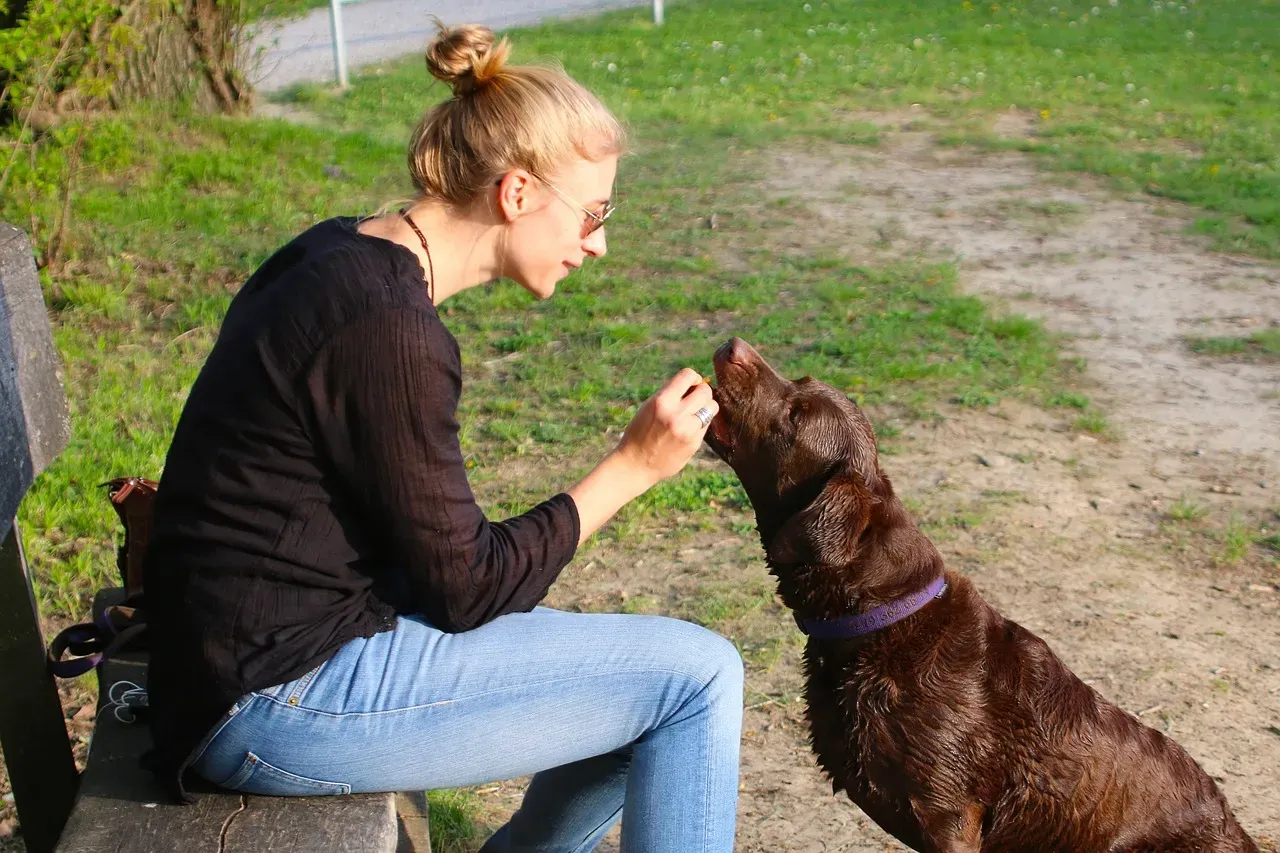
Positive reinforcement training involves rewarding the dog for correct choices like sitting, staying, or coming when called, building confidence alongside motivation because the dog learns what to do, not just what to avoid doing. It’s really that straightforward. When your dog does something you like, you reward them with treats, praise, toys, or whatever makes their tail wag.
Techniques that rely on fear or discomfort might suppress behaviour temporarily, but they damage trust and can increase anxiety, while the focus should be on communication, reinforcement, and collaboration between dog and guardian. I’ve seen dogs transform when their owners switch from dominance-based methods to positive training. The change isn’t just in behavior. It’s in their entire demeanor. They become more confident, more engaged, and honestly, happier.
When dogs are allowed to make choices rather than being coerced, the emotional tone of the experience changes dramatically, helping them rewire fear-based reactions into voluntary engagement. Picture this. Instead of forcing your nervous dog to approach a stranger, you give them the option to investigate on their own terms. That autonomy signals safety to their brain.
Reading Your Dog’s Real Signals

One of the most important shifts in modern dog training is understanding that behavior is communication. Your dog isn’t being stubborn or dominant when they refuse to come when called. Maybe they’re scared. Maybe they’re overwhelmed. Maybe the reward you’re offering just isn’t worth it to them in that moment.
Predictability is everything for dogs; when they know what earns a reward and what doesn’t, they relax and focus, but when they don’t, they get anxious, and that’s when behavioral issues can spiral out of control. Think about the last time you were in a confusing situation where you didn’t know what was expected of you. Stressful, right? Dogs experience that same anxiety when training is inconsistent or punishment-based.
Pay attention to what your dog is telling you. Are their ears back? Are they avoiding eye contact? Lip licking, yawning when they’re not tired, these are stress signals. If your dog is a counter-surfer or jumps up on house guests, it’s not because they want to be the alpha, it’s because that behavior has been reinforced in some way, there is food on the counter, or they get attention every time they jump up.
Building a Relationship That Lasts
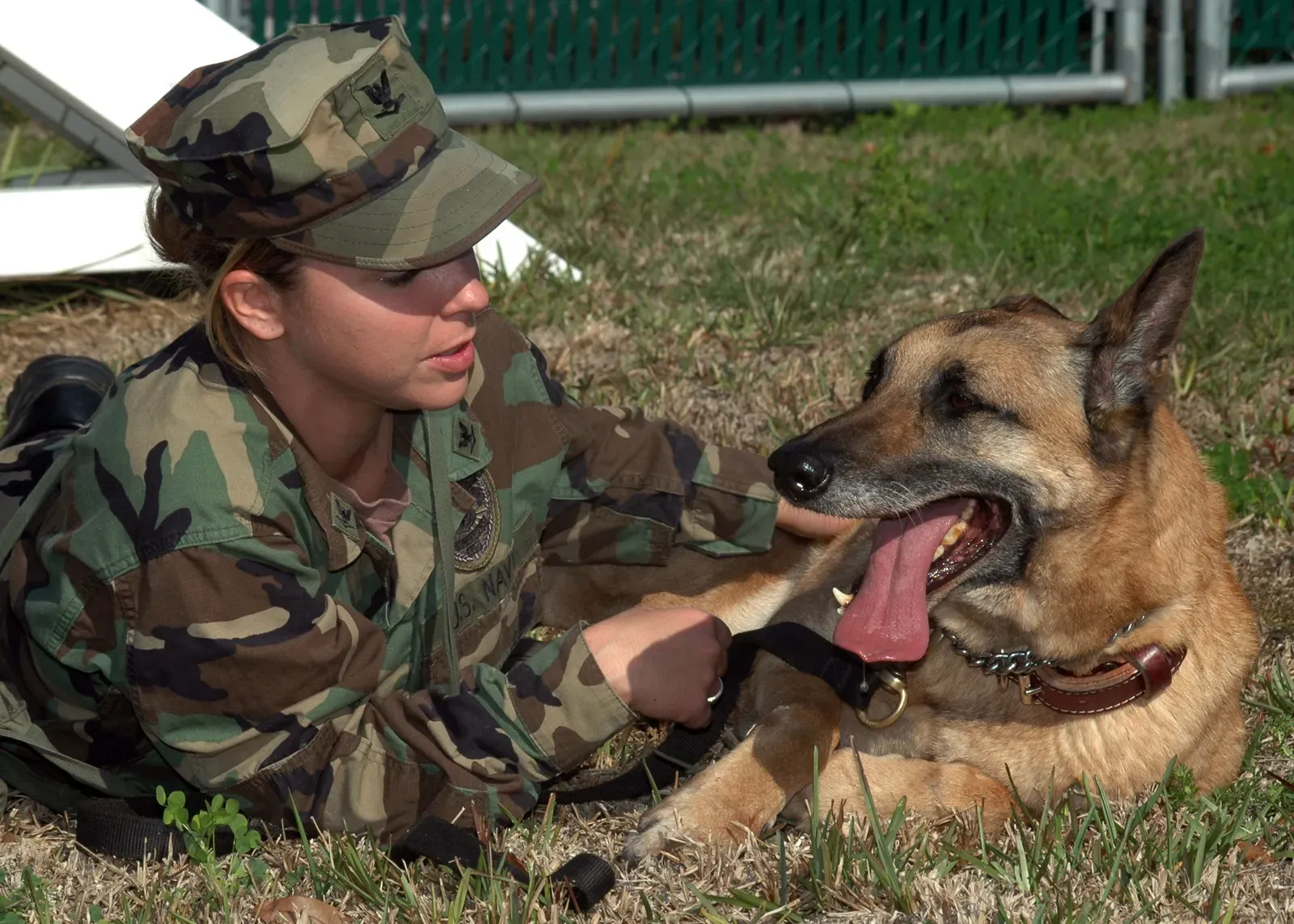
Here’s what I’ve learned from years of working with dogs and their humans. The strongest bonds aren’t built on dominance. They’re built on trust, patience, and clear communication. Research shows that reward-based methods are more effective at promoting long-term learning and creating a strong, trusting bond between dogs and their owners.
Modern trainers agree that positive reinforcement is the most effective, ethical, and sustainable approach because it builds trust instead of fear and leads to better long-term results. This isn’t just about being nice. It’s about what actually works. Dogs trained with positive methods learn faster, retain what they learn better, and develop fewer behavioral problems down the line.
Dogs that receive too much correction, especially the harsh physical correction and mean-spirited scoldings, begin to retreat from trying new things. You end up with a dog who’s shut down, afraid to take initiative, constantly worried about making a mistake. Is that really the relationship you want with your best friend?
Conclusion
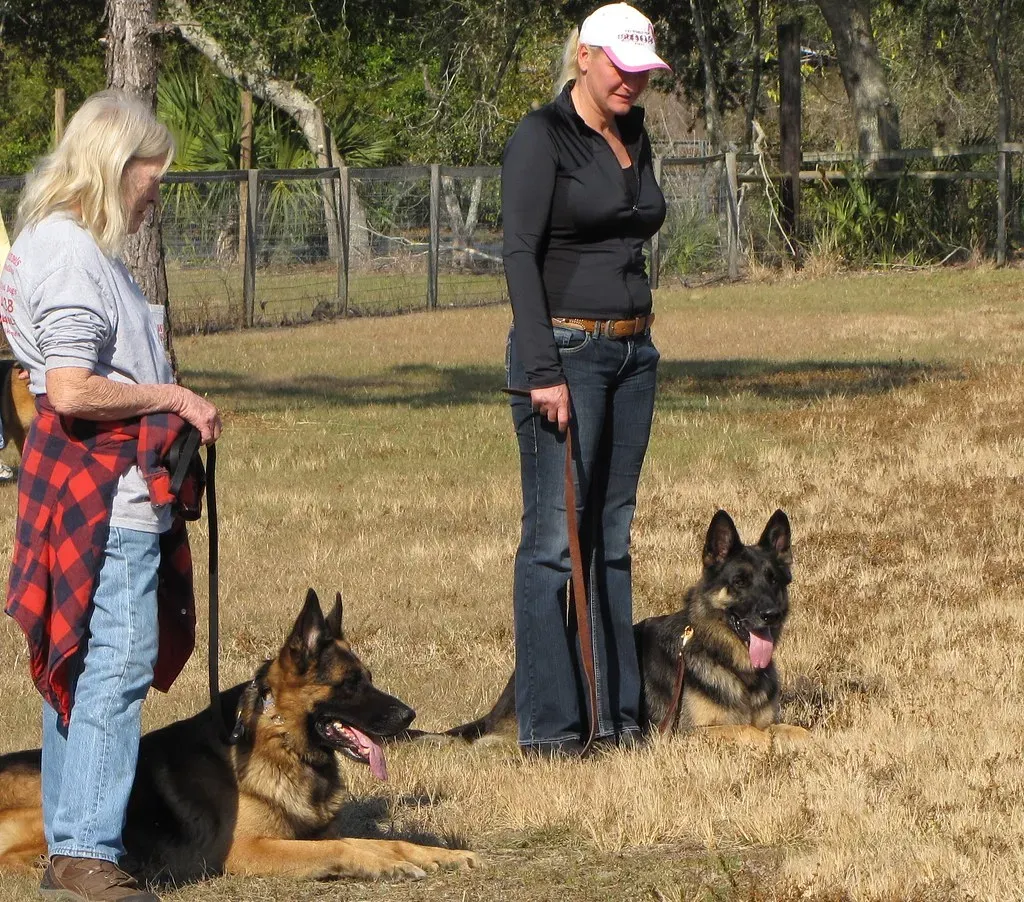
The alpha myth has done real damage to countless dogs and their relationships with humans. It’s time we left it behind where it belongs, in the dustbin of outdated science. Your dog doesn’t need you to dominate them. They need you to guide them with kindness, consistency, and respect.
Experts and research agree that reward-based dog training builds trust, reduces stress, and creates lasting behavior far better than dominance methods. So the next time someone tells you to be the alpha, you can smile and let them know there’s a better way. A way that honors the incredible bond we share with these animals who’ve chosen to share their lives with us.
What’s your experience been with different training methods? Have you seen the difference that trust-based training can make?


