
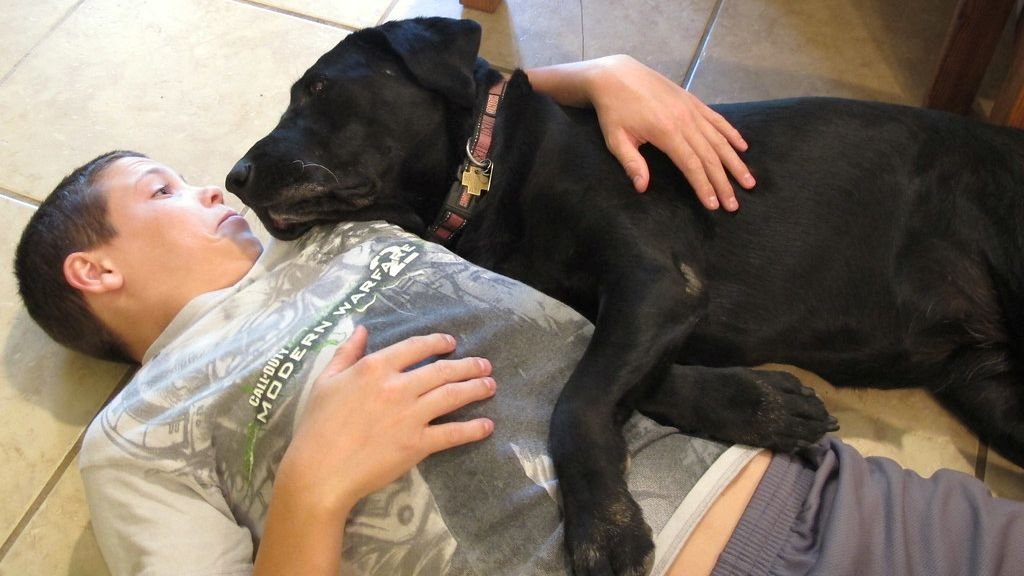
There’s a moment almost every dog owner knows. You come home after a long, draining day, you open the door, and there they are – tail going wild, whole body wiggling, eyes bright with pure, unfiltered joy. No judgment. No agenda. Just love.
It hits differently every single time, doesn’t it?
Here’s the thing though: that homecoming greeting is just the tip of the iceberg. Your dog is actually speaking to you all day long in a rich, layered language most of us only half understand. Some signals are bold and impossible to miss. Others are so quiet and subtle you’d walk right past them without a second thought. Learning to read all of it? That’s where the magic happens. Let’s dive in.
The Power of the Gaze: When Your Dog Looks at You with Soft Eyes
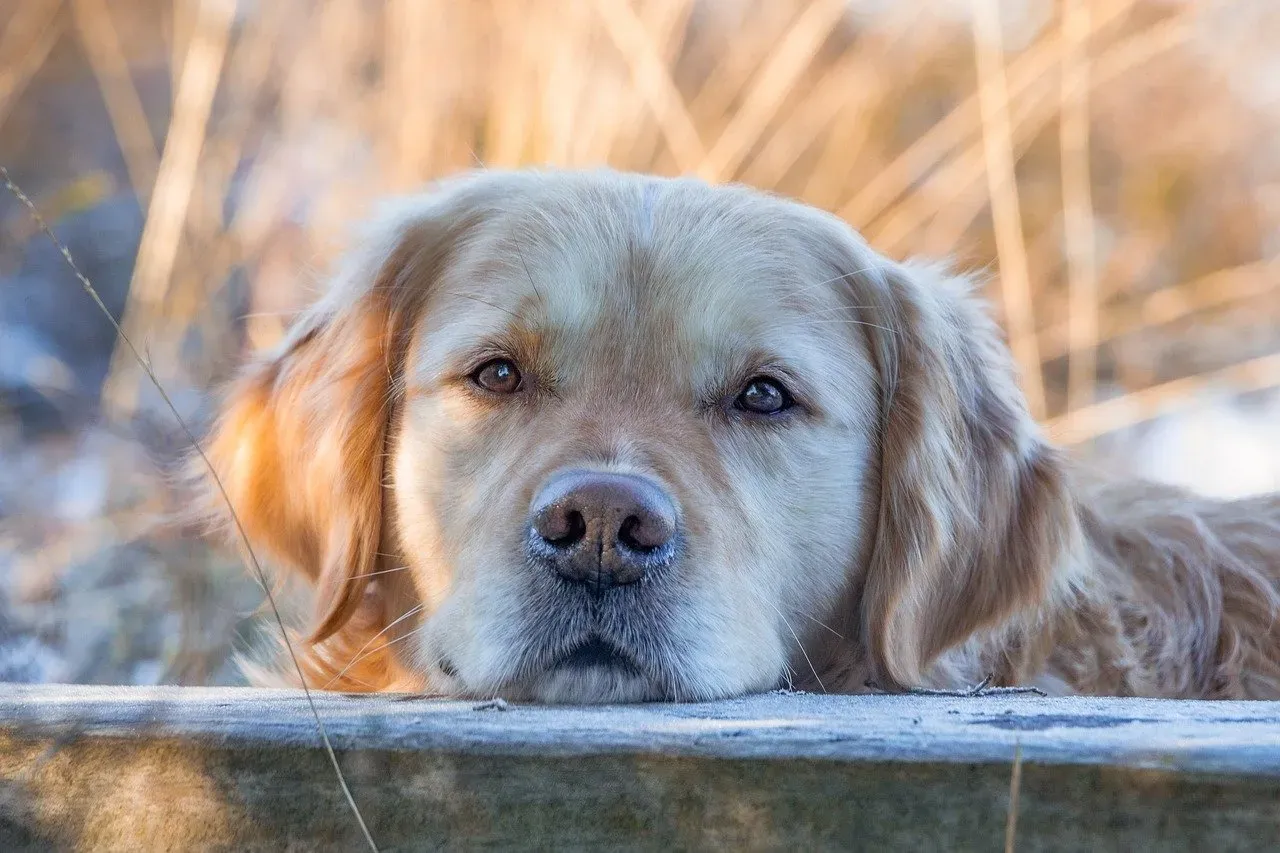
Think about the last time your dog caught your eye from across the room and held it for just a beat longer than usual. Soft, warm, unhurried. That wasn’t random. Studies show that domesticated dogs have learned to use eye contact differently than their wild ancestors, and soft eye contact is a special way that dogs communicate with us, the same way humans connect with each other. It’s genuinely intimate, the canine version of a long, meaningful look between two people who trust each other deeply.
Studies from universities such as the University of Tokyo and Duke University show that when dogs and humans look into each other’s eyes, oxytocin levels spike in both, creating a positive feedback loop that cements their bond. So that warm, fuzzy feeling you get when your dog gazes at you? It’s completely real and backed by science. You’re both getting a hit of the love hormone at the exact same moment.
Soft eye contact builds trust. In canine communication, long, hard stares are signs of dominance or threat, so gentle, relaxed gazes from your dog are always affectionate. The distinction matters. A hard, unblinking stare from a dog you don’t know is a warning. A soft, drowsy gaze from your own pup curled up next to you on the sofa? That’s pure devotion in visual form.
Honestly, I think this is one of the most overlooked love signals there is. We’re all so focused on the dramatic tail wags and the jumping that we sometimes miss this quieter, deeper form of connection happening right in front of us. Next time your dog holds your gaze gently, hold it back. You might be surprised how much that simple moment means to both of you.
The Full Body Wiggle and What That Tail Is Really Saying
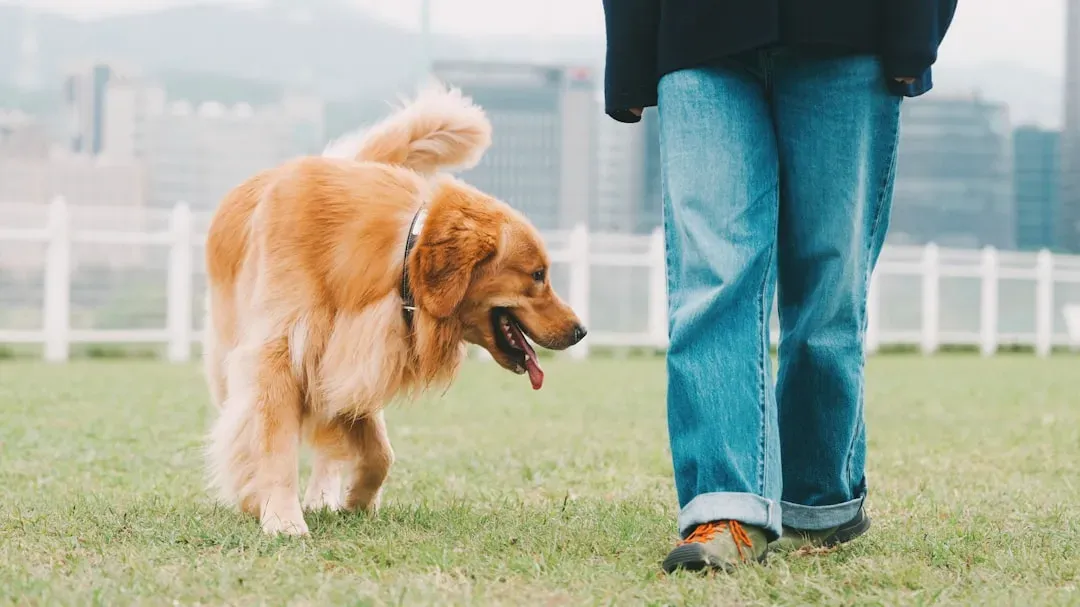
Dogs wear their hearts on their sleeves, and a full-body wiggle is a telltale sign that your pup is head-over-heels in love, as they simply can’t contain their excitement. If you’ve ever had a dog greet you with their entire back half swaying like a pendulum that’s gone rogue, you already know this feeling firsthand. It’s one of the most infectious displays of pure joy in the animal kingdom.
Here’s where people get tripped up though. A wagging tail isn’t just a silly, happy metronome, it’s one of your dog’s biggest communication tools. A loose, full-body, side-to-side wag usually means your pup is relaxed, excited, and thrilled to see you. The key word there is “loose.” Everything about the movement matters, not just that the tail is moving at all.
Research published in the journal Current Biology found that happy dogs tend to wag their tail more to the right from the dog’s point of view, while a less happy dog will have a more left-dominated wag. That’s a mind-bending detail most people have never even heard of. Think of it like a compass reading your dog’s emotional state. A vertical, tight tail accompanied by a narrow wag can be a sign that the dog is not feeling well, or is perhaps stressed or offensive.
So the next time your dog greets you, look at the whole picture. Loose hips, wide wagging tail, wiggly body? That’s love in motion. It’s your dog’s entire being saying “you came back and I am so glad.”
The Gift of Trust: When Your Dog Brings You Their Treasured Things
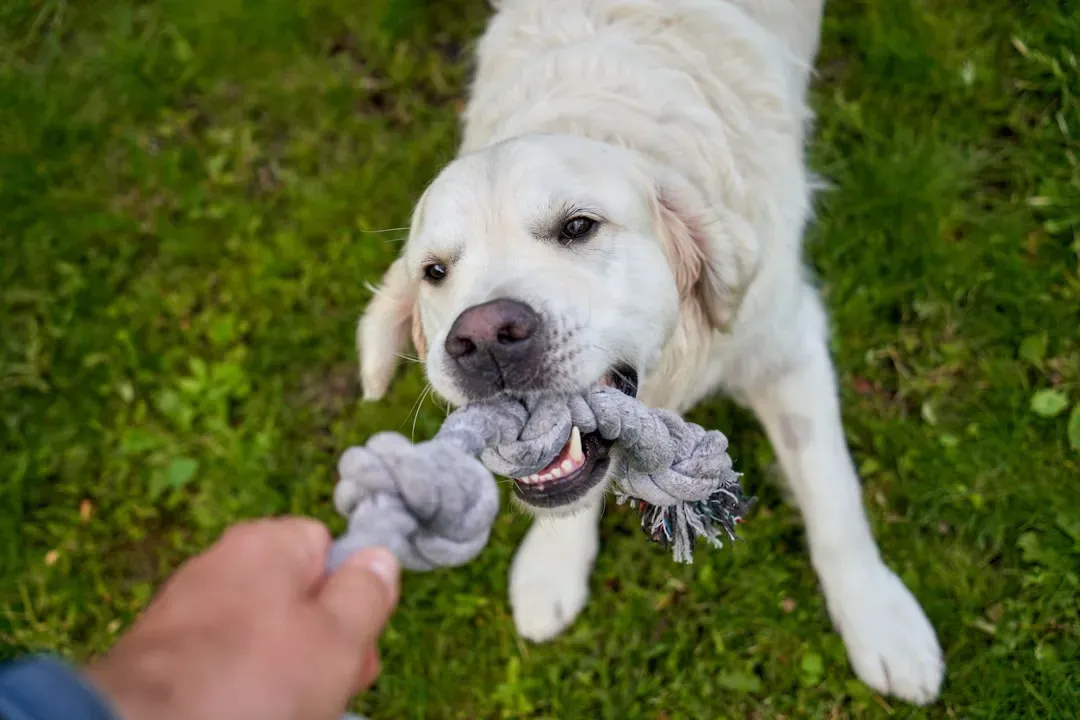
Picture this: you’re sitting on the couch and your dog trots over proudly, drops their favorite squeaky toy right at your feet, and looks up at you with bright, expectant eyes. It seems cute. Honestly, it is adorable. But it’s also something much more meaningful than most people realize. Dogs will often give gifts to the leaders of their pack to show affection, respect, and trust. They can be possessive of their belongings, so trusting you with their favorite toys could be their way of expressing their faith in you to take care of their treasured items for them.
You know your dog loves you if they bring you their favorite toy. This behavior is an invitation to play and a sign of affection, and it shows they trust you with their prized possessions and that they enjoy spending time with you. Think of it like a toddler handing their most beloved stuffed animal to someone they adore. It’s vulnerability and affection wrapped together in one gesture.
When dogs present toys or other prized objects, they’re inviting interaction and sharing comfort. This gesture is also a sign of pride, greeting, and a desire for fun bonding moments. When your dog does this, the best thing you can do is receive the gift warmly. Take it, say something kind, and if you can, play with them. Playtime with your dog strengthens your bond and provides them with much-needed exercise, so take them up on the offer when you can.
The Lean, the Shadow, and the Science of Staying Close
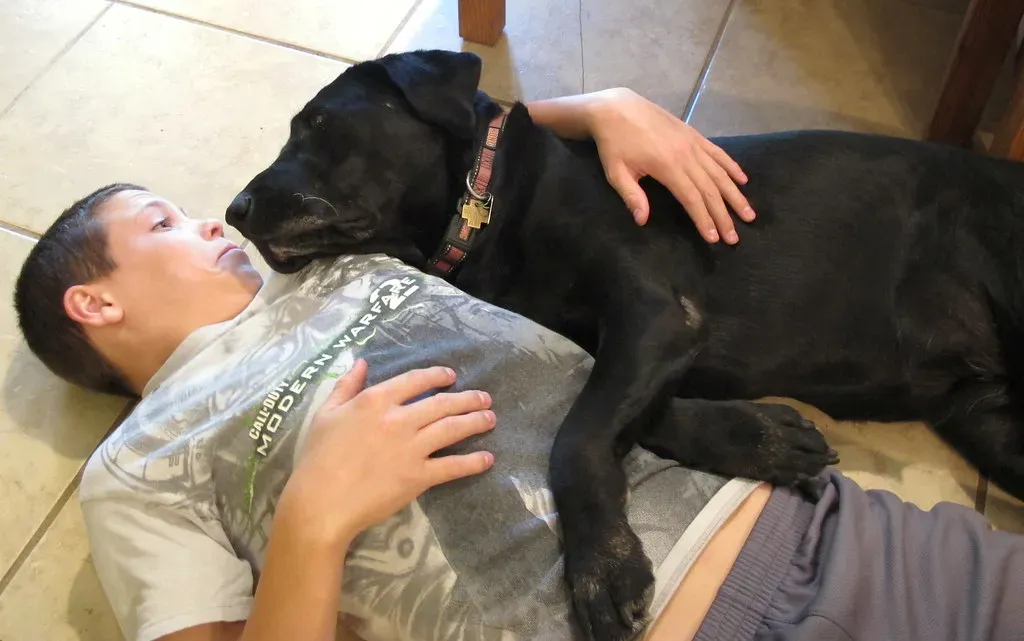
When dogs lean their full weight against you, it signifies complete trust. This means your dog sees you as a protector. Your dog may do this for comfort, but when they lean against you, it is the equivalent of a full-body hug. It’s one of those behaviors that feels so simple, so easy to overlook, and yet it carries an enormous emotional weight if you know what you’re looking at.
Dogs find reassurance in physical proximity, making leaning a subtle but precious love gesture. Dogs also lean for support during moments of insecurity such as loud noises or new settings, trusting you as their emotional anchor. The next time a thunderstorm rolls in and your dog presses themselves quietly against your leg, know that you are their entire sense of safety in that moment. That’s not a small thing.
If your dog follows you everywhere, kitchen, bathroom, hallway, you name it, they’re saying “you’re my safe place.” Shadowing is a sign of trust and attachment, not clinginess, and many dogs simply feel happiest being wherever their person is. Some people find this behavior mildly amusing. I think it’s one of the purest expressions of devotion that exists. This “Velcro dog” behavior is a profound sign of attachment and trust, as dogs are naturally pack-oriented and feel safest when their trusted human is nearby.
If you want to nurture this closeness without accidentally encouraging anxiety, try building in structured moments of calm togetherness. Sit with your dog, pet them gently, let them settle. Adding mental enrichment activities like puzzle toys and scent games can satisfy follower dogs and prevent boredom, keeping that bond strong and healthy.
Licks, Sighs, and the Quiet Language of Contentment
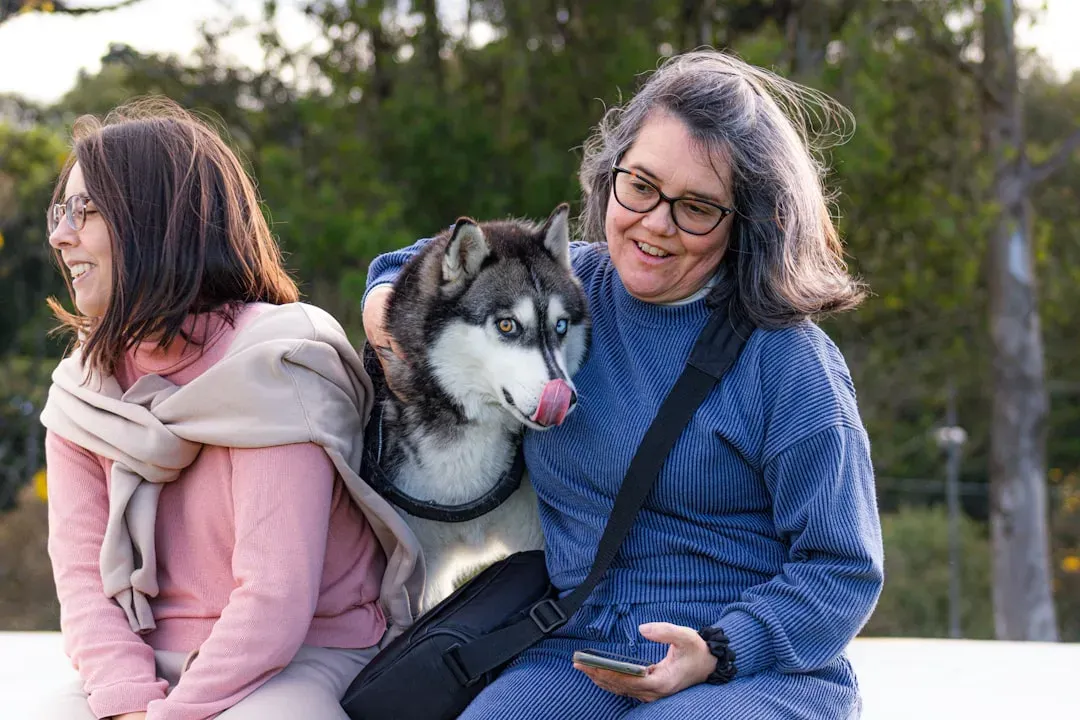
Licking is one of your dog’s earliest bonding behaviors. Puppies lick their mothers, and adult dogs lick each other for grooming, reassurance, or affection. When they lick you, they’re engaging in that same instinctive bonding practice. It’s ancient, it’s deeply wired, and it’s directed at the people they feel most connected to. Yes, there’s sometimes a “you taste interesting” element thrown in too, but mostly it’s love.
While humans may interpret licking as a sign of love, it serves multiple purposes in the canine world. Mother dogs lick their puppies to clean them, stimulate digestion, and convey comfort. When directed at humans, licking can be a sign of trust, submission, or a desire for attention. Context always matters. A slow, gentle lick while your dog is calm and relaxed beside you? That’s pure affection.
Then there are the sounds. Soft vocalizations like sighs and groans are signs of contentment in dogs. If your dog snuggles up to you and sighs, it means they feel safe and comfortable by your side. There’s something profoundly moving about a dog settling in beside you and letting out one of those long, slow, satisfied exhales. It’s the canine equivalent of “I am exactly where I want to be.”
Dogs who are emotionally attached to their owners love their owners’ scents and anything that has their smell on it. If your dog raids your shoe pile or laundry basket for items that smell like you, it may be because they just love you and want to be reminded of you wherever they go. It sounds funny, maybe even a little gross, but it is honestly one of the most touching things a dog can do. You are their comfort object. Their home base. Their favorite smell in all the world.
Conclusion: Your Dog Has Been Telling You All Along
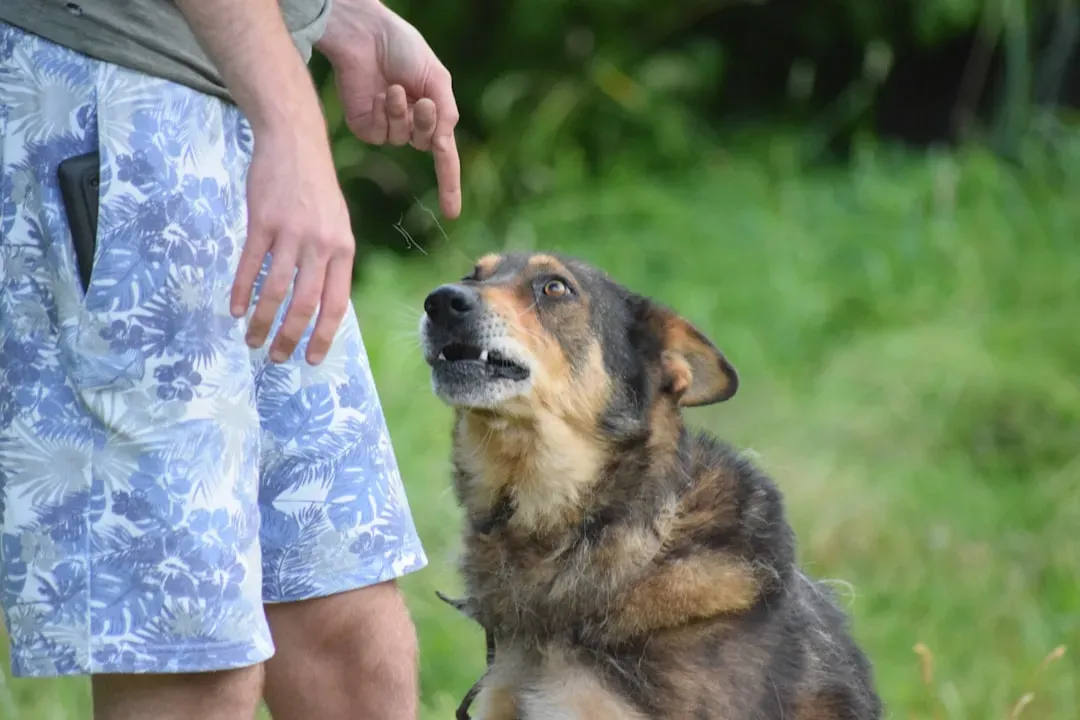
Here’s what I find most beautiful about all of this. Your dog has never needed words. They’ve been communicating their love to you every single day through gazes and wiggles, through gifts and sighs, through the way they press their warm body against your leg without being asked. Of all the amazing attributes a dog has, the ability to communicate may be the most impressive. Dogs communicate with us all day long, and whether we know it or not, we’re talking right back to them through a variety of verbal and nonverbal cues.
Recognising these signs helps you understand your dog’s needs and strengthens your bond. You also play an important role in how that affection is returned. Simple actions like gentle touch, calm praise, and spending quality time together show your dog that you value them. The more fluent you become in their language, the deeper and richer the relationship gets. It’s a two-way conversation that’s been happening for thousands of years between our two species.
So slow down. Watch closely. The dog at your feet right now is probably saying something beautiful, and you have everything you need to understand it. What signal from your dog surprised you the most? Tell us in the comments, we’d love to hear your story.


