
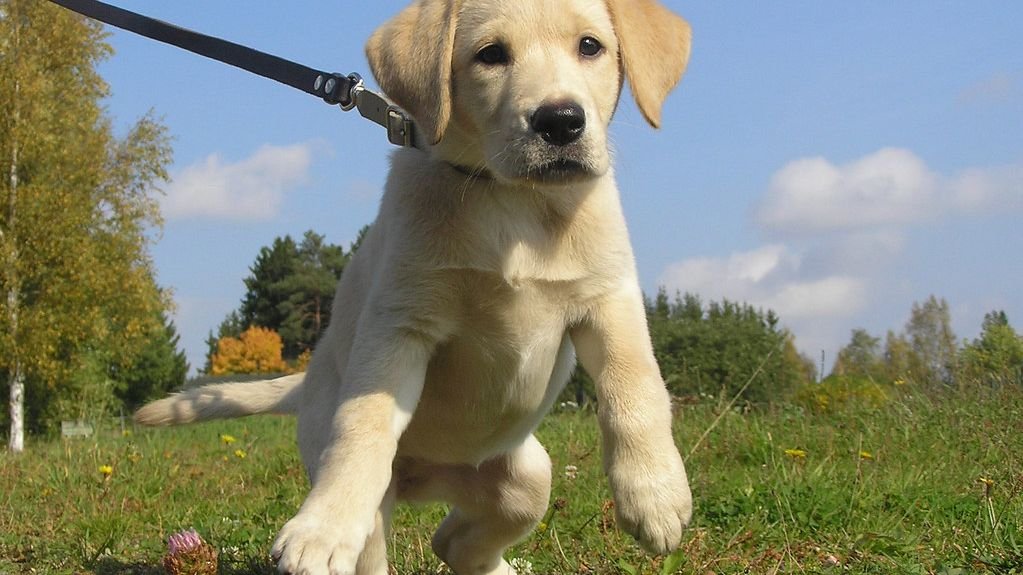
Picture this: You’re walking down the sidewalk with your dog, both of you relaxed, tails wagging (well, maybe just theirs). The leash hangs loose like a gentle connection rather than a tug of war rope. Sounds dreamy, right? For so many dog lovers, though, walks feel more like chaotic wrestling matches than peaceful bonding time. Here’s the thing: walking your dog isn’t just about exercise. It’s about connection, mental stimulation, and letting your pup experience the world.
Yet we often make simple mistakes that turn this beautiful ritual into something stressful for both ends of the leash. Maybe you’ve felt the frustration of being dragged toward every squirrel, or perhaps your pup seems anxious instead of excited when the leash comes out. The good news? Most of these issues are completely fixable once you know what to look for. Let’s get started, and trust me, your walks are about to get so much better.
Using the Wrong Equipment for Your Dog
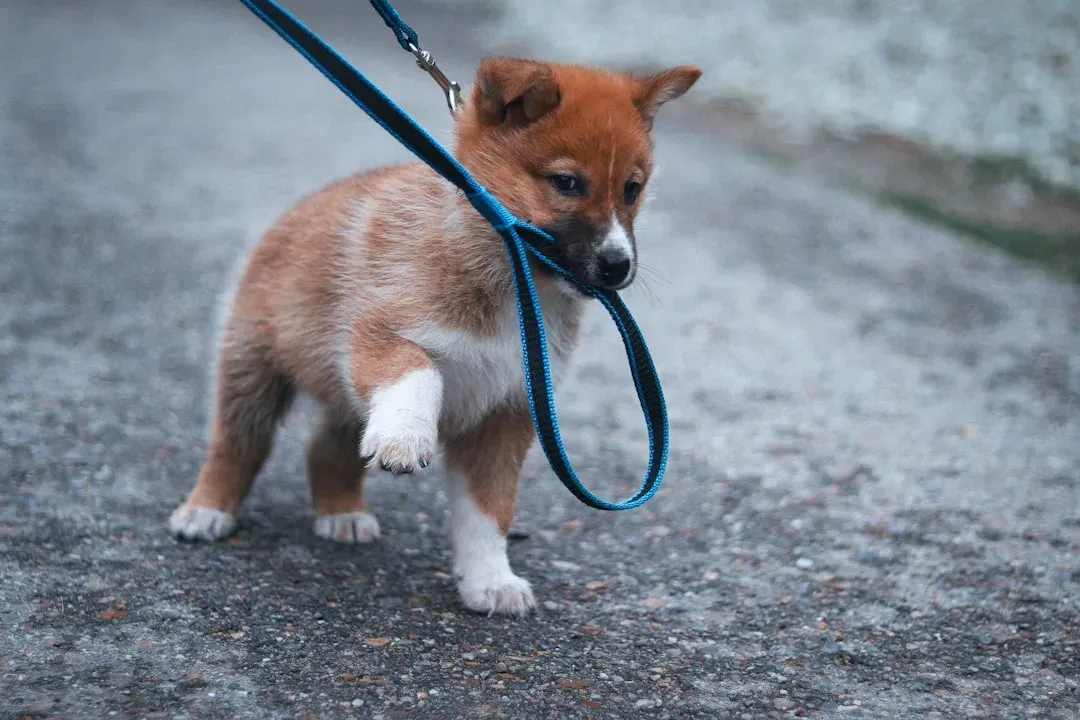
Collars are associated with the following issues: A risk of strangulation (from the collar getting caught on things) and neck injury due to the pressure it puts on the dog’s neck. I’ve seen it happen more times than I’d like to admit: a sweet dog pulling so hard they’re practically gagging themselves, while their owner struggles to maintain control. It’s heartbreaking, honestly.
Harnesses are gentler on your dog’s neck. The pressure of a leash being yanked on a collar can cause physical harm to your dog, whether you’re pulling or they are. If your pup has a problem with pulling, a shoulder harness can reduce strain on their neck, and special head harnesses can help control their poor on-leash behavior.
Retractable leashes should also be avoided. Not only do they reward your dog for pulling, but they also make it easy to get tangled up with people and other obstacles. Think about it: when your dog pulls and gets rewarded with more leash length, you’re accidentally teaching them that pulling works.
Skipping Proper Leash Training
Walking on a leash doesn’t come naturally to dogs. Leash-walking is a human need that dogs need to learn, not something they’re born understanding. This is where so many of us go wrong. We assume our furry friend will just figure it out, and then we’re surprised when they don’t.
Dogs pull because it works – they pull, we follow. Untraining a leash puller is a challenge because you’re competing with muscle memory; dogs get used to the idea that tension around their neck means forward progress. The solution isn’t yanking them back. Positive reinforcement (rewarding your dog with treats for being at your side) works much better.
Start in a distraction-free environment, like your backyard or a quiet room. Practice short sessions where you reward your dog every few steps for walking beside you without pulling. It takes patience, but the payoff is enormous.
Being Glued to Your Phone During Walks
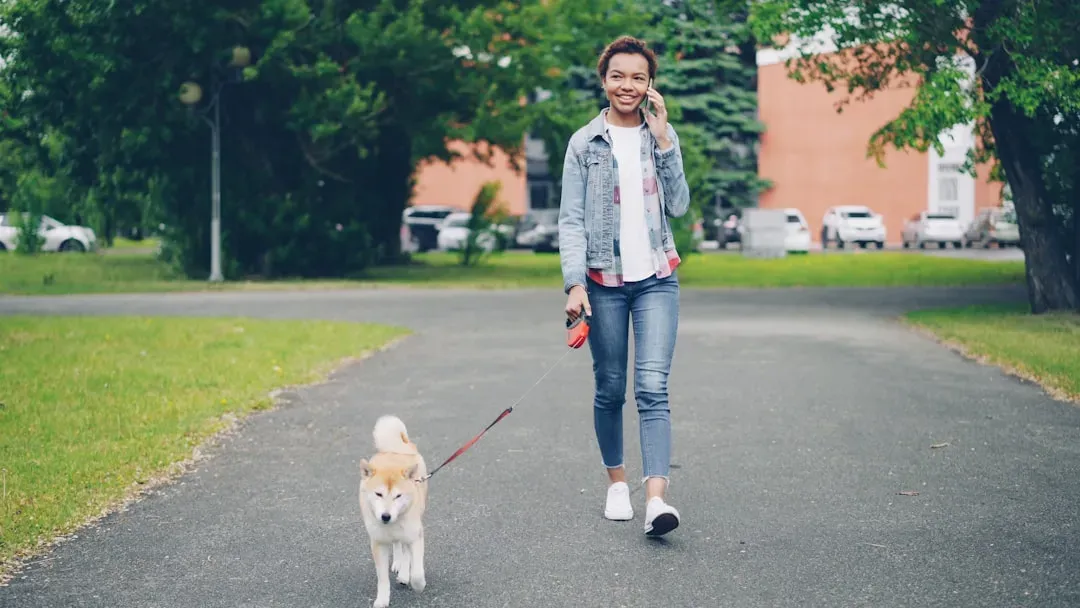
Let’s be real: we’re all guilty of this one sometimes. Multiple daily walks can get monotonous and it seems okay to bury your nose in your phone while your dog does his business, but in doing so you miss an excellent opportunity to connect with him. Experiencing the great outdoors should be a shared adventure in which the two of you encounter the world as a team.
When you’re not mindful of what’s going on with your dog during a walk, you might miss potential hazards on the horizon. Imagine what could happen if you’re engrossed in your phone and holding the dog leash loosely when your dog spots a nervous cat on the road ahead!
Focusing on your dog is crucial. Make sure your cellphone isn’t a distraction. If you’re texting or on the phone, you may not see the squirrel dart across the road that your pup may lunge for, or notice other potentially hazardous situations. Your attention protects both of you and strengthens your bond in ways you might not even realize.
Rushing Through Every Walk Without Sniff Time
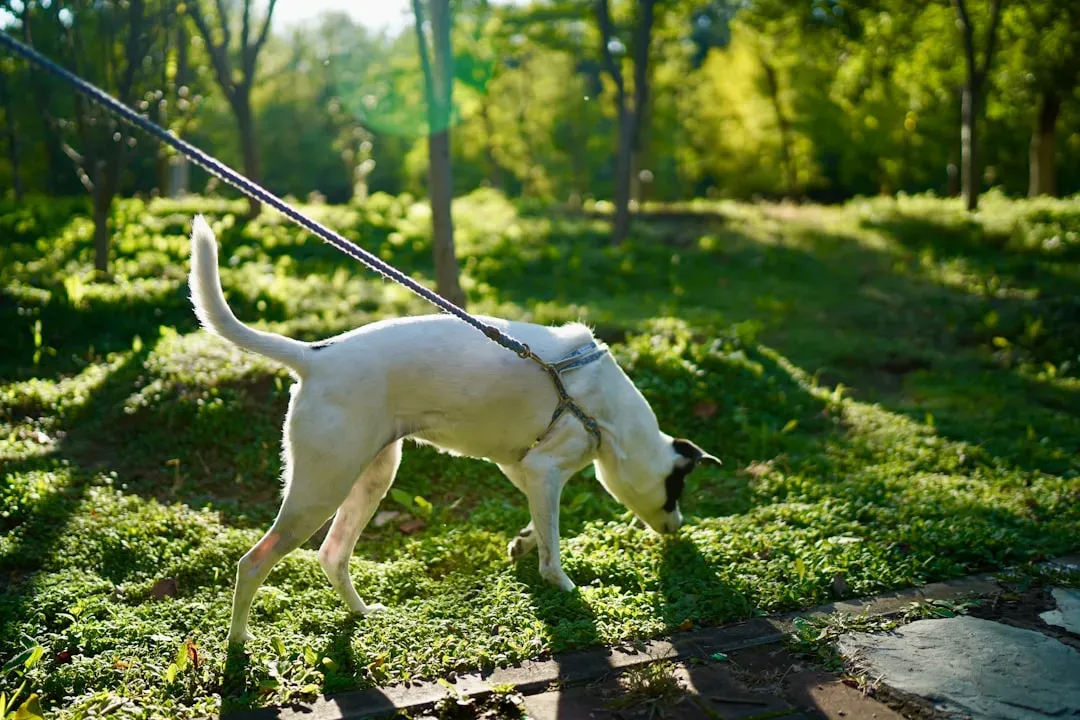
Sniffing is your dog’s way of reading the morning news. Each smell tells them who’s been in the area, what’s happening in the neighborhood, and even the emotional state of other dogs who’ve passed by. Think about how much you’d hate if someone snatched your morning coffee away mid sip. That’s what it feels like to dogs when we constantly yank them away from interesting smells.
Dogs have up to 300 million olfactory receptors in their noses, compared to our mere 6 million. Just 20 seconds of sniffing can be as mentally stimulating for them as a 20-minute walk. Mind blown, right?
Leash walks are recreational times for your dog – a chance to catch up on neighborhood goings-on by sniffing and marking. Requiring that your dog maintain a strict heel on a short leash with no opportunity to sniff and explore the environment turns a pleasant stroll into a military exercise. Your dog should be able to move freely during walks.
Ignoring Weather Conditions and Temperature
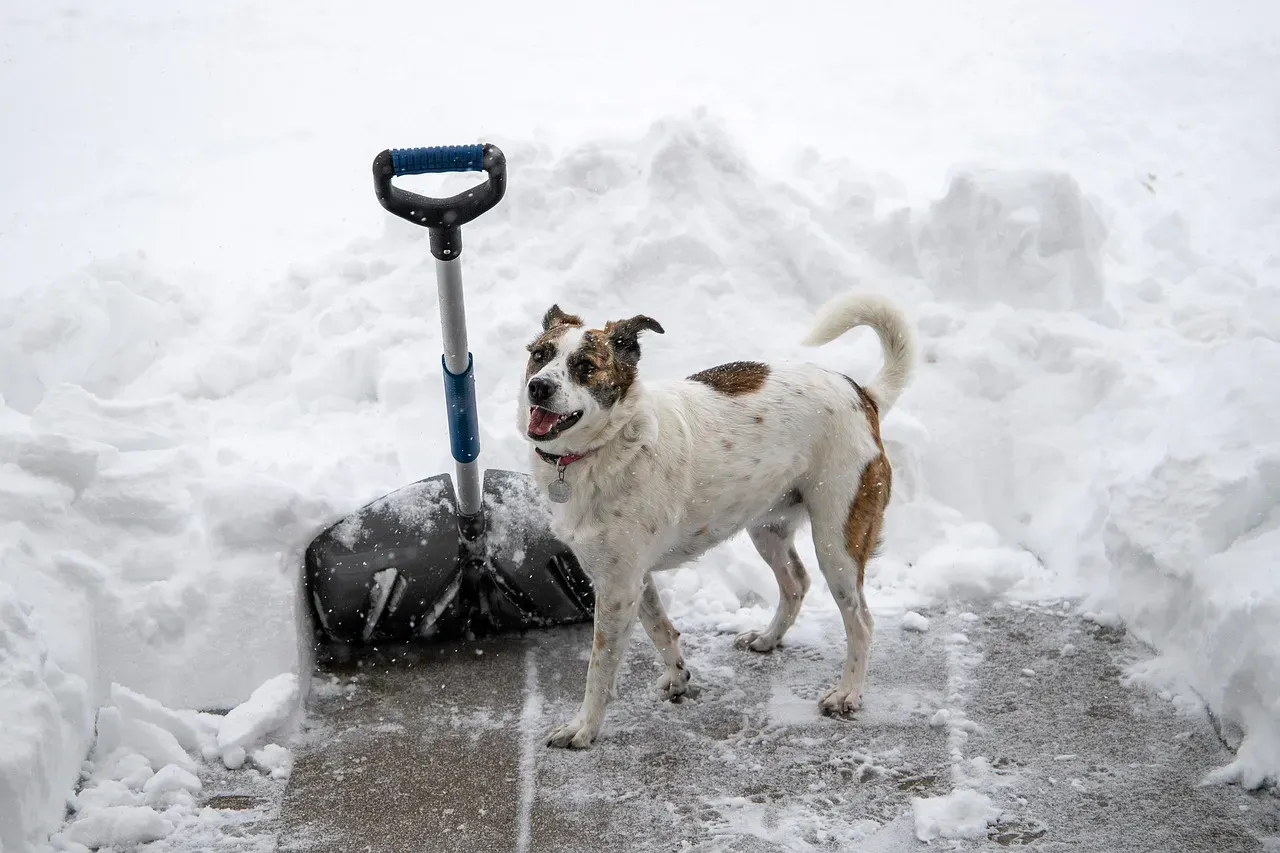
A dog’s tolerance to heat and cold differs based on their size, body condition, hair coat, health status, and other factors. If possible, consider timing walks to avoid the hottest part of the day during warm weather and the coldest times of the day during cold weather. I know it sounds obvious, but you’d be surprised how many of us forget this.
Hot sidewalks, roads, and other surfaces can burn a dog’s paw pads, and walking in the grass may be the best option on extremely hot days. Here’s a simple test: place your hand on the pavement for seven seconds. If it’s too hot for you, it’s too hot for your dog’s paws.
Smaller breeds, breeds with thin or very short hair coats, and very young and very old dogs are more likely to have a hard time with cold weather. Watch for signs like shivering, lifting paws repeatedly, or reluctance to keep moving. These are your dog’s way of telling you they need protection or a shorter route.
Forgetting to Vary Your Walking Routes
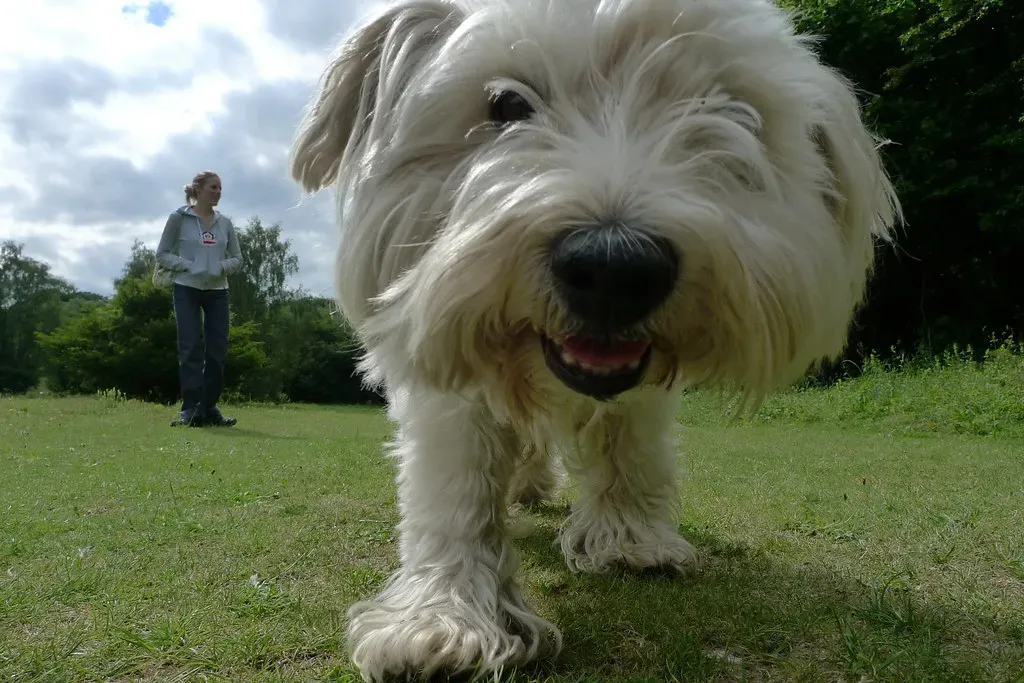
If you walk your dog on the same route every day, they might become bored and uninterested in their walks. Varying the route not only stimulates their curiosity but also helps them become familiar with the surrounding environment. This can be valuable if your dog ever gets lost.
Think of it this way: would you want to watch the same movie every single day? Your dog craves novelty just like you do. Different routes mean new smells, new sights, and new mental challenges that keep their brain engaged and happy. Plus, it’s honestly more interesting for you too.
Try exploring a new neighborhood once or twice a week. Visit a different park. Walk your usual route in reverse. These small changes can transform a mundane routine into an exciting adventure that both of you actually look forward to.
Allowing Bad Leash Manners to Become Habits
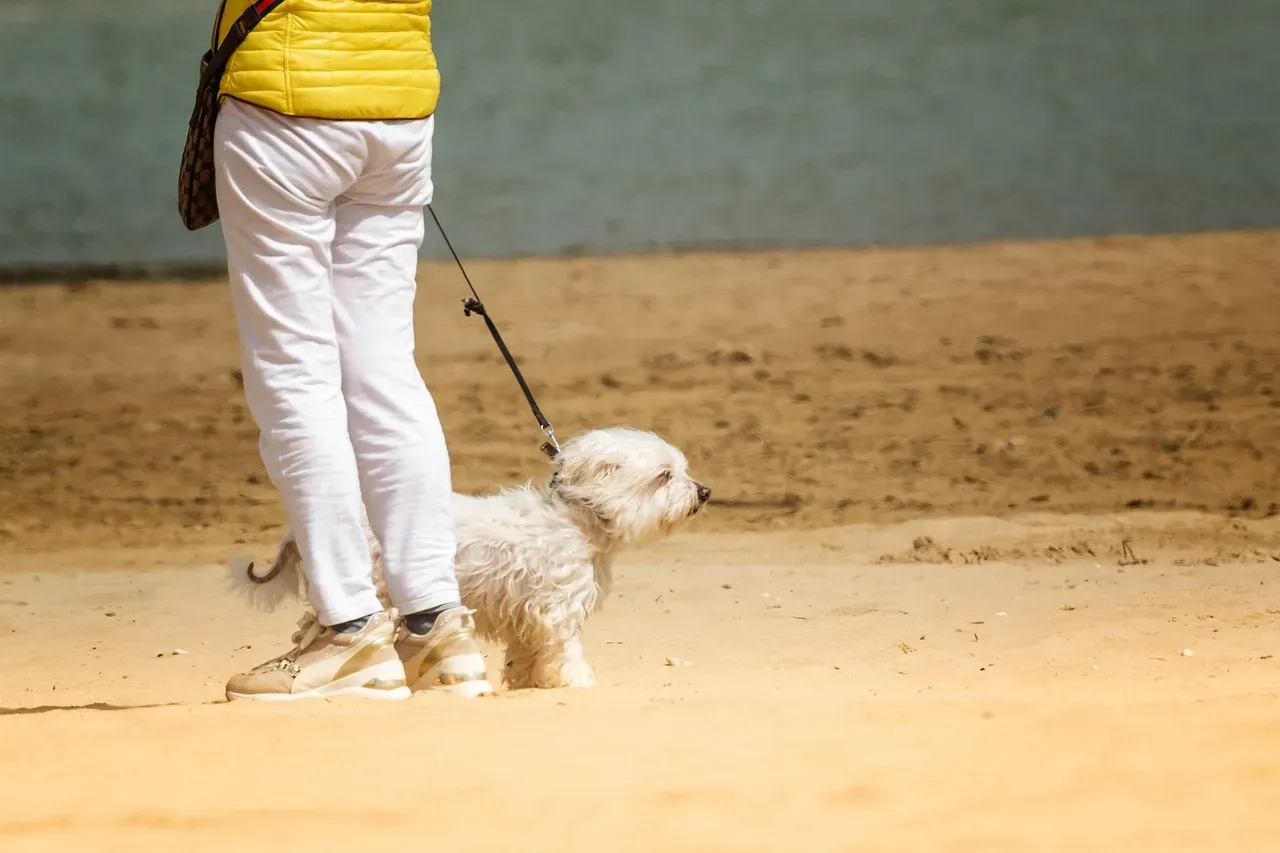
Ignoring unwanted behaviors on walks, like barking at other dogs or disobeying common commands, can cause those habits to become ingrained and harder to fix over time. I get it. Sometimes it feels easier to just let things slide, especially when you’re tired or in a hurry. That little bark at the neighbor’s dog seems harmless enough, right?
Wrong. Instead of hoping the behavior will stop on its own, take proactive steps like these to correct it: Teaching heel exercises for excessive barking. Practicing and perfecting typical dog commands like “leave it,” “sit,” and “drop it.” Rewarding your dog with treats and praise when they get things right.
Consistency is everything here. Every walk is a training opportunity, whether you realize it or not. Your dog is always learning something, so make sure you’re teaching them what you actually want them to know. The effort you put in now will save you years of frustration later.
Conclusion
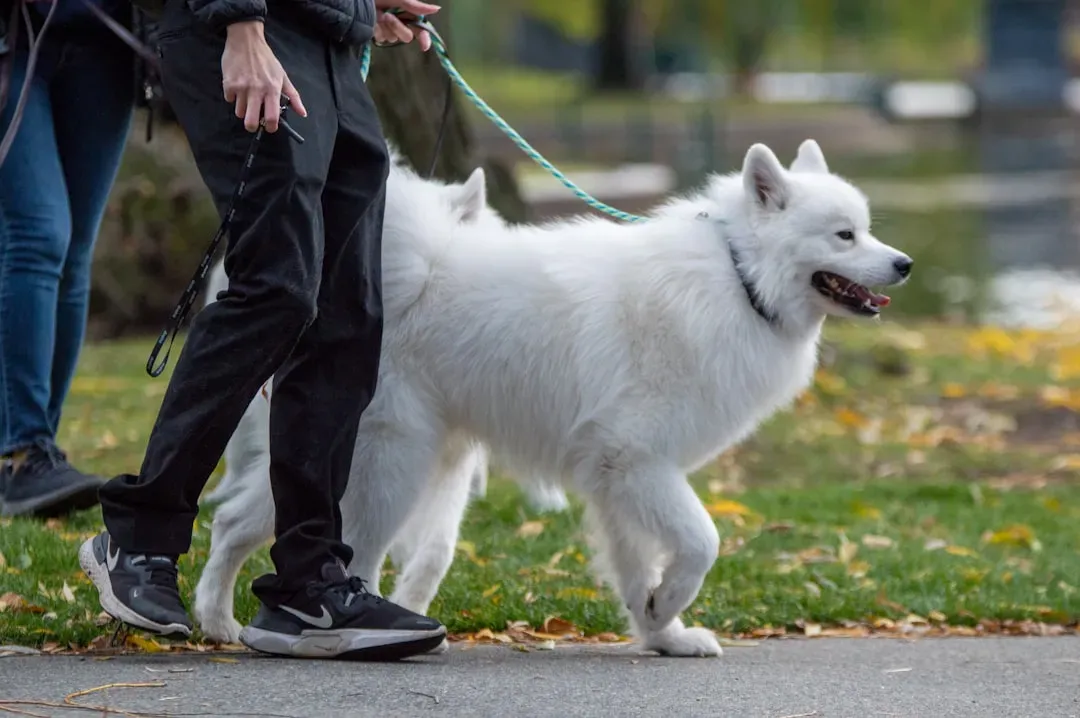
Dog walking should be one of the highlights of your day, not something you dread. When you fix these common mistakes, you’re not just making walks easier. You’re building trust, strengthening your bond, and giving your dog the mental and physical stimulation they desperately need to be happy and healthy.
Start with just one or two changes. Maybe switch to a harness this week, then work on putting your phone away next week. Small improvements add up to major transformations. Your dog doesn’t need perfection; they just need your attention, your patience, and your willingness to learn together.
What’s the biggest challenge you face during walks with your pup? Think about it, and remember that every expert dog walker once struggled with the exact same issues. You’ve got this.


