
Growing older brings unique joys and challenges, though one thing remains constant throughout our lives: the extraordinary healing power of a furry companion. Whether you’re enjoying retirement, navigating health changes, or simply seeking deeper connection, the right therapy dog can transform daily life in ways both profound and practical. These remarkable animals don’t just offer companionship; they provide purpose, comfort, and unconditional love precisely when we need it most.
Research confirms what many of us already know in our hearts. Studies suggest pet owners are significantly less likely to consider themselves lonely compared to non-pet owners, particularly among adults over sixty. The benefits extend far beyond emotional support, too. Dog ownership can also reduce our stress levels and blood pressure, and lower our risk of death due to heart disease. Taking care of a dog helps us stick to a healthy routine and exercise daily. Let’s explore the most wonderful therapy dog breeds that could become your perfect companion in this chapter of life.
The Gentle Giants: Labrador Retrievers
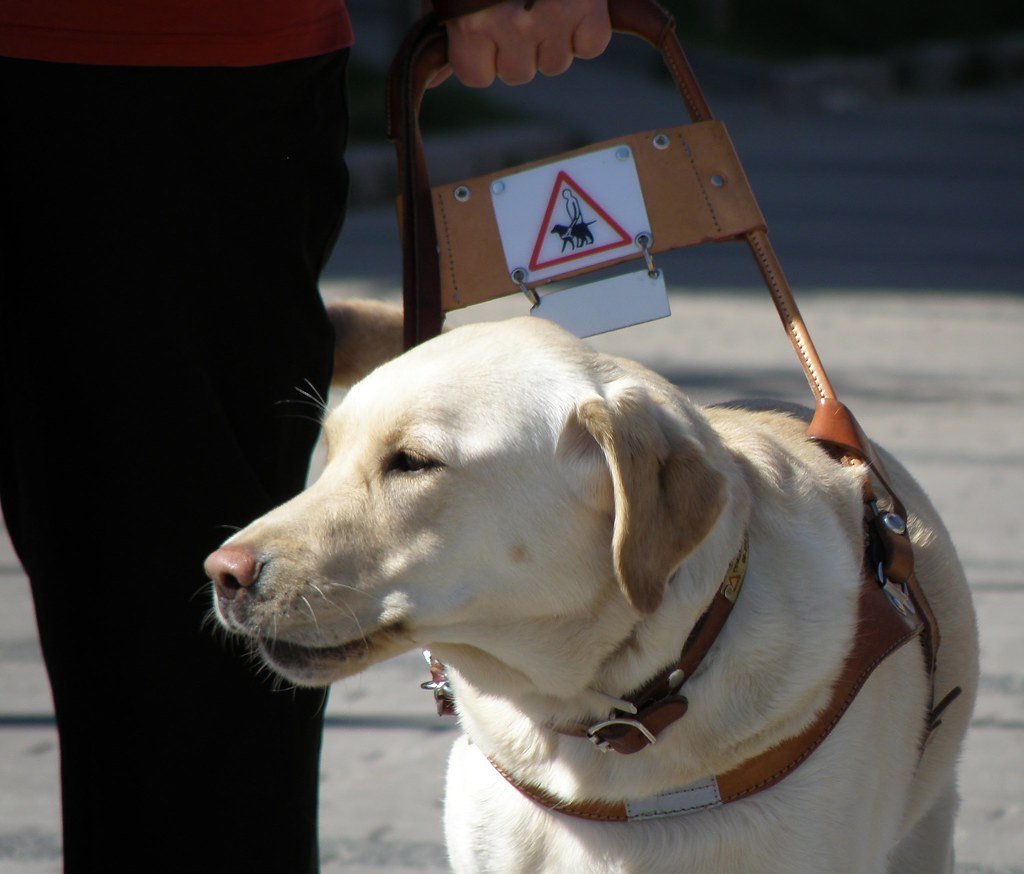
Labrador retrievers are arguably the most popular choice when it comes to therapy dogs. These dogs are also the most popular breed of service dogs, meaning they possess qualities that would be beneficial to those seeking out pet therapy. Their remarkable intuition allows them to sense when you need comfort most. Picture coming home after a difficult medical appointment to find your Lab waiting with that characteristic tail wag and knowing eyes.
Labs are good-natured and versatile dogs, genuinely caring and striving to please those they are providing support for. These dogs are also relatively laid back, so they’re perfect for social aspects as well! The set of personality traits that a Labrador retriever can offer make them an ideal dog breed used to provide support and comfort to those engaging in pet therapy. Their size makes them sturdy enough for mobility support, yet they’re gentle enough never to overwhelm. Labs adapt beautifully to apartment living or spacious homes, making them suitable regardless of your living situation.
Golden Hearts: Golden Retrievers
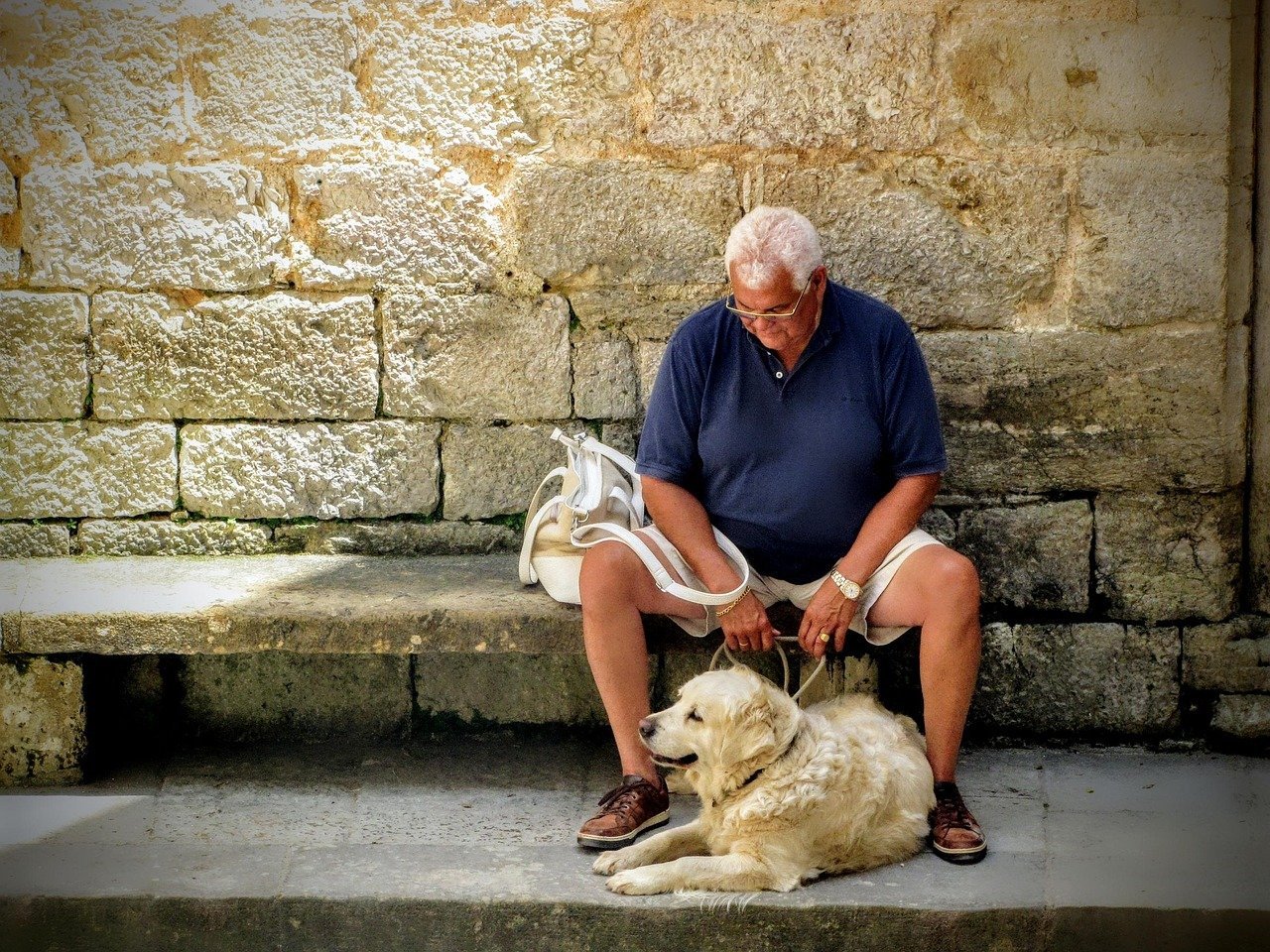
Since they have a sixth sense of human emotions, Golden Retrievers are fantastic therapy dogs. They stick by your side and will be there for you when you need them. These magnificent dogs seem to understand sadness, joy, and everything in between with remarkable sensitivity. When loneliness creeps in during quiet afternoons, a Golden Retriever instinctively knows to rest their head on your lap.
Golden Retrievers are another top contender to be the best therapy dogs, carrying a similar demeanour to the Labrador Retriever. A Golden Retriever is also an extremely comforting dog, and they have even been used to help people, especially children, recovering from trauma after tragedy. Because of this, a Golden Retriever may be most suited to those who need pet therapy within a family, particularly one with children. Their flowing coats do require regular brushing, but many find this grooming routine meditative and bonding. The gentle rhythm of brushing can become a cherished daily ritual.
Intelligence Meets Hypoallergenic: Standard Poodles
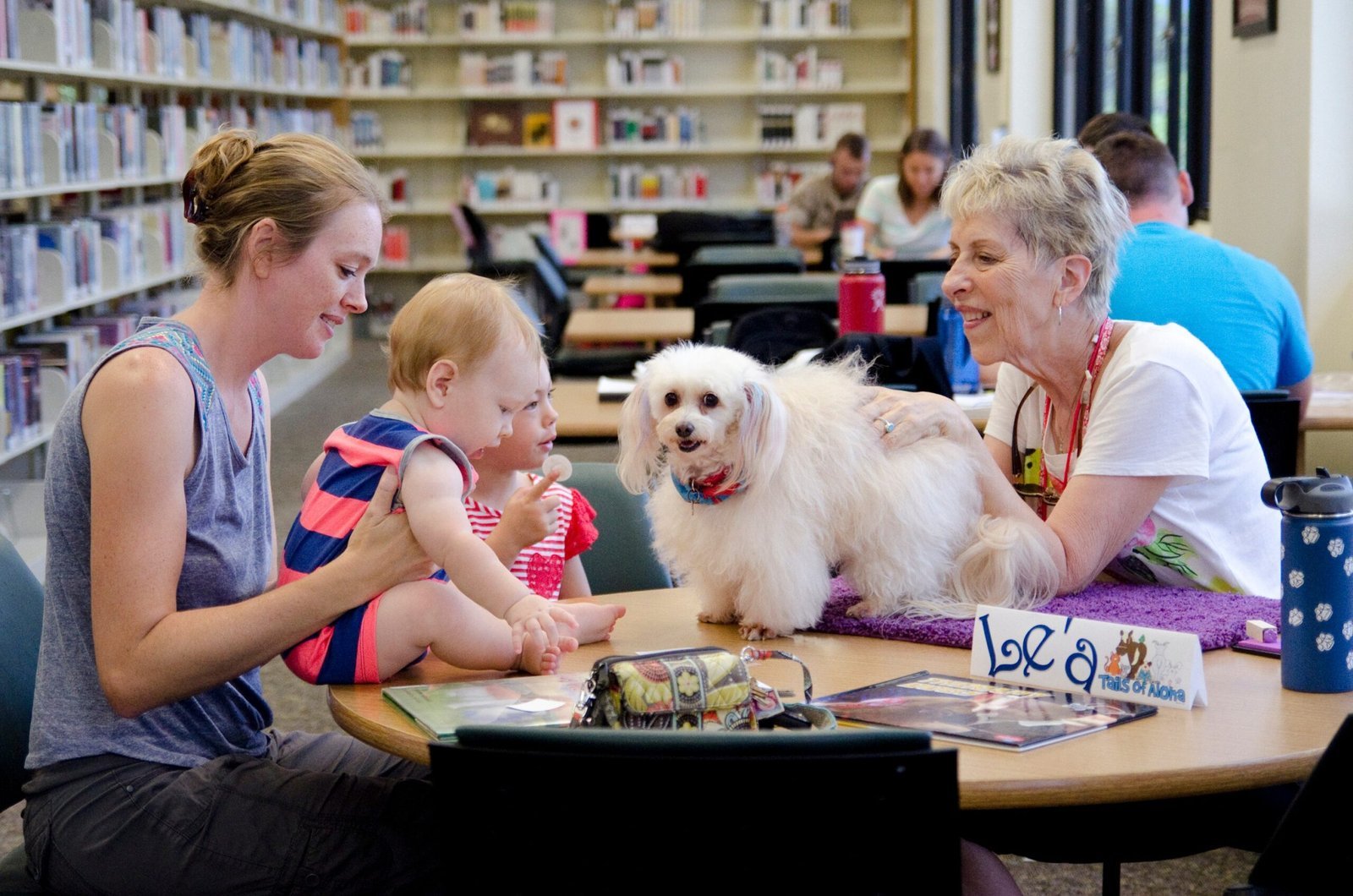
Don’t let their elegant appearance fool you into thinking Poodles are merely decorative. Poodles may seem like an unlikely choice for therapy dogs, but they area very intelligent dog breed, and their eager-to-please personality is a definite standout in a therapy setting. The poodle has high concentration levels which allows for adequate training in providing therapy. Overall, the confidence, persistence, and courage that poodles enable makes them a great therapy dog. Their hypoallergenic coats make them perfect for seniors with allergies or respiratory sensitivities.
Standard Poodles don’t shed much, which helps some seniors with breathing problems. Their curly coats trap allergens instead of spreading them around your home. These dogs are incredibly smart. They can learn to operate light switches, retrieve specific items from different rooms, or even sort medications. While they require professional grooming, their intelligence and adaptability make them exceptional companions for seniors who appreciate a thinking dog.
Compact Comfort: Cavalier King Charles Spaniels
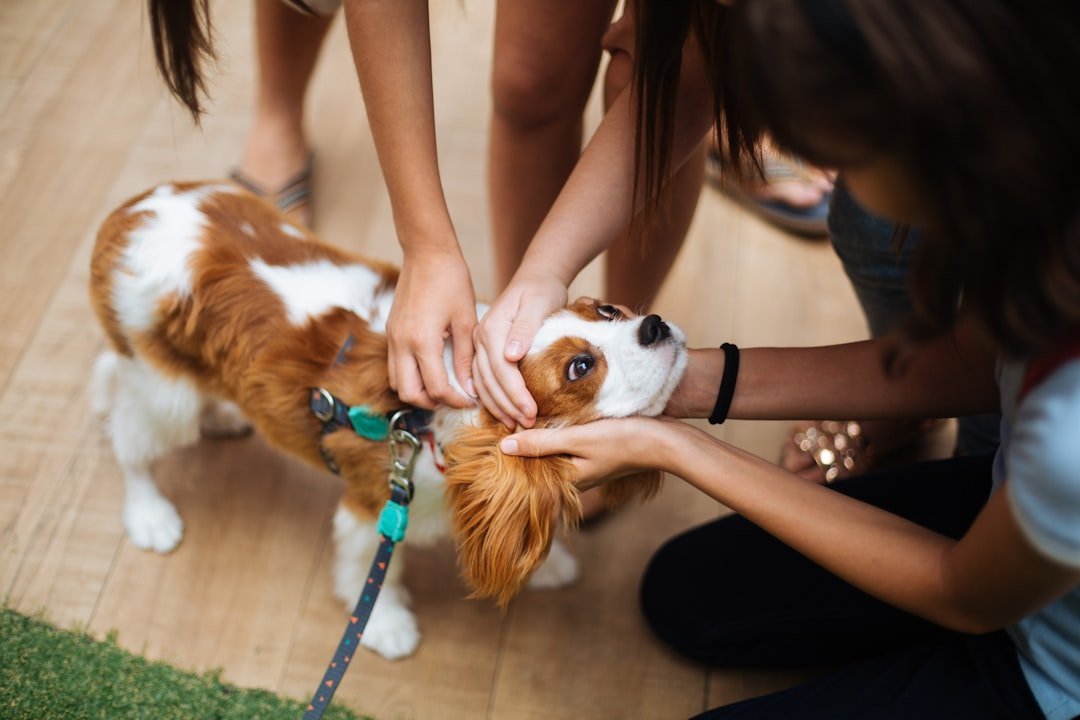
This adaptable pup willingly fits right into anyone’s lifestyle – including that of a senior pet parent! Cavaliers can be both a cuddle buddy one day and an adventurous companion the next; they just follow their pet parent’s lead. This breed is laidback, intelligent, and quiet. Welcoming to people of all ages and other pets, cheerful Cavaliers have an easy time making friends. These small spaniels possess hearts far bigger than their diminutive frames suggest.
The Cavalier King Charles Spaniel is one of the best small dogs for older adults. These dogs are gentle, affectionate, and love spending time with their owners. While they enjoy walks and playtime, they do not have high exercise requirements, making them suitable to individuals who cannot commit to long periods of activity. Their expressive eyes and sweet disposition make every interaction feel special. They’re equally content snuggling during movie marathons or accompanying you on gentle neighborhood strolls.
Loyal Lap Dogs: Shih Tzus

A solid little dog weighing up to 16 pounds, the Shih Tzu requires minimal exercise and is content living in apartments. Shih Tzu owners say the breed is “happy, even-tempered, and eager to please,” and they get along well with other dogs and with children. These regal little dogs carry themselves with dignity while maintaining hearts full of devotion. Their compact size makes them ideal for seniors who prefer smaller companions that won’t accidentally knock them over.
Their flowing coats can be kept long for elegance or trimmed short for easier maintenance. The Shih Tzu is another great dog for older adults. These dogs are friendly, calm, and adapt well to indoor living. They’re perfectly content to spend hours by your side, whether you’re reading, watching television, or simply enjoying peaceful moments together.
Cheerful Companions: Havanese
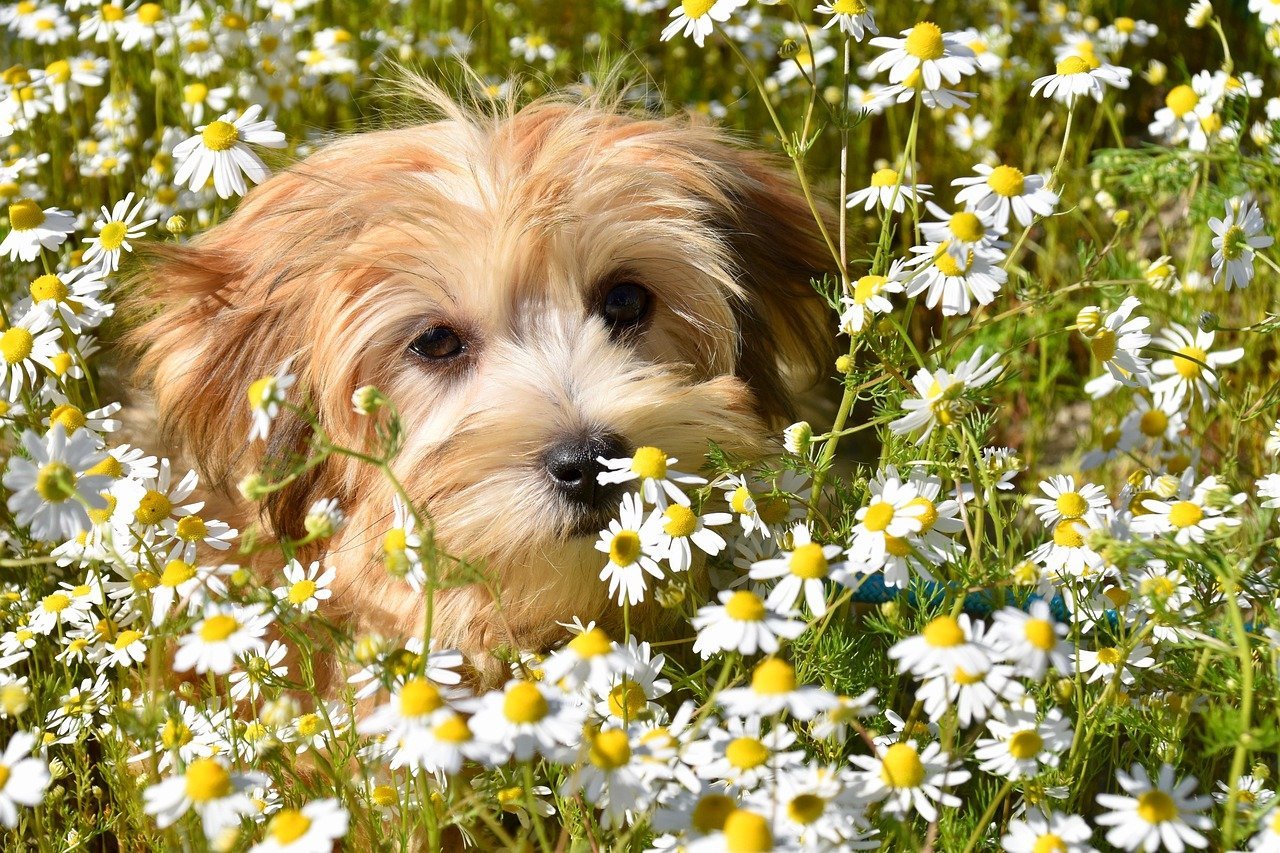
The only breed native to Cuba, the Havanese is a cheerful, quiet little dog described as “happy, loving, intelligent, social, and accommodating” by the breed club. They’re content to stay inside and snuggle with their humans and will play patiently with children. Havanese don’t require much exercise but are happy to take occasional short walks. These delightful dogs bring sunshine into any room with their bouncing gait and sparkling personalities.
Their silk-like coats and expressive eyes make them irresistible, while their adaptable nature means they adjust beautifully to your energy levels. Some days they’ll be your exercise companion, other days your perfect couch potato. Their intelligence shines through in how quickly they learn your routines and preferences, often anticipating your needs before you voice them.
Gentle Racers: Greyhounds
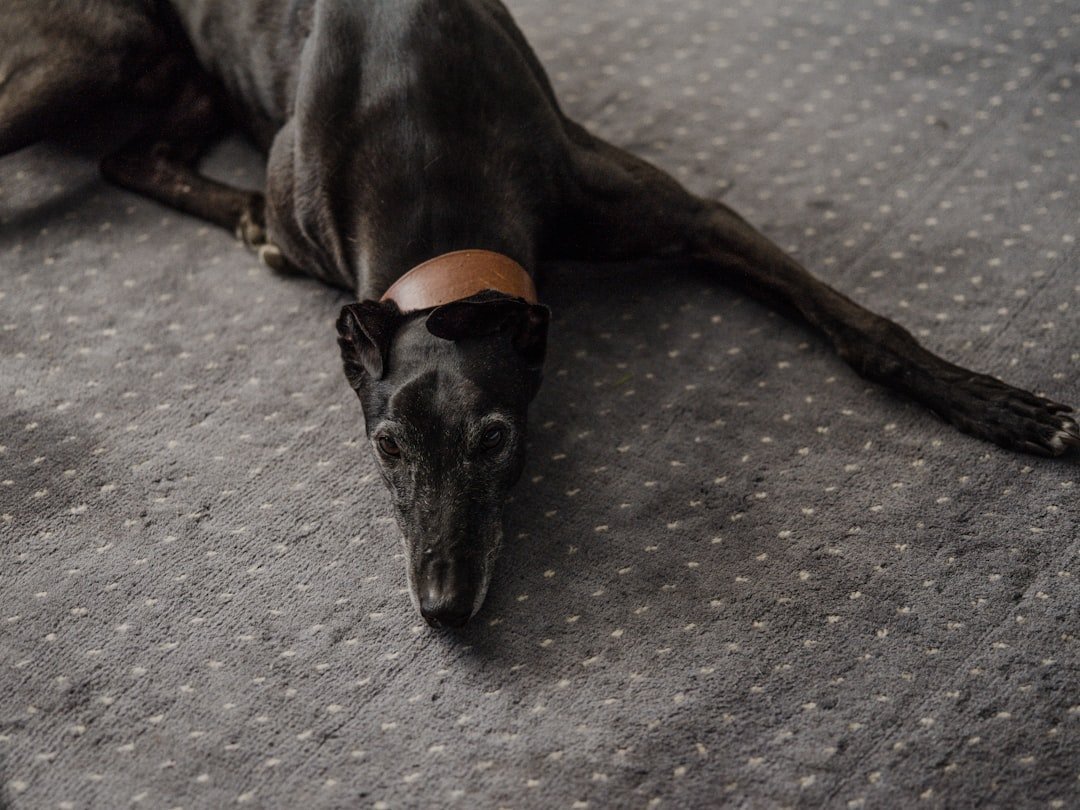
Due to their laid-back demeanour, greyhounds can be a great choice for individuals looking for therapy dog breeds with a soothing presence. Their quiet and graceful nature can have a calming effect on people, making them wonderful, calm therapy dogs for various settings. These elegant hounds might surprise you with their couch potato tendencies. Despite their racing background, retired Greyhounds are remarkably gentle and prefer lounging to lengthy exercise sessions.
These long, often brindled babies are gentle giants and perfect for seniors who have a fenced backyard, good for a daily stretch of the legs. The perfect day for a greyhound? A walk followed by lounging around with their owner. Their short coats require minimal grooming, and their calm demeanor makes them excellent apartment dogs. Many describe them as large cats due to their independent yet affectionate nature.
Gentle Watchdogs: Miniature Schnauzers
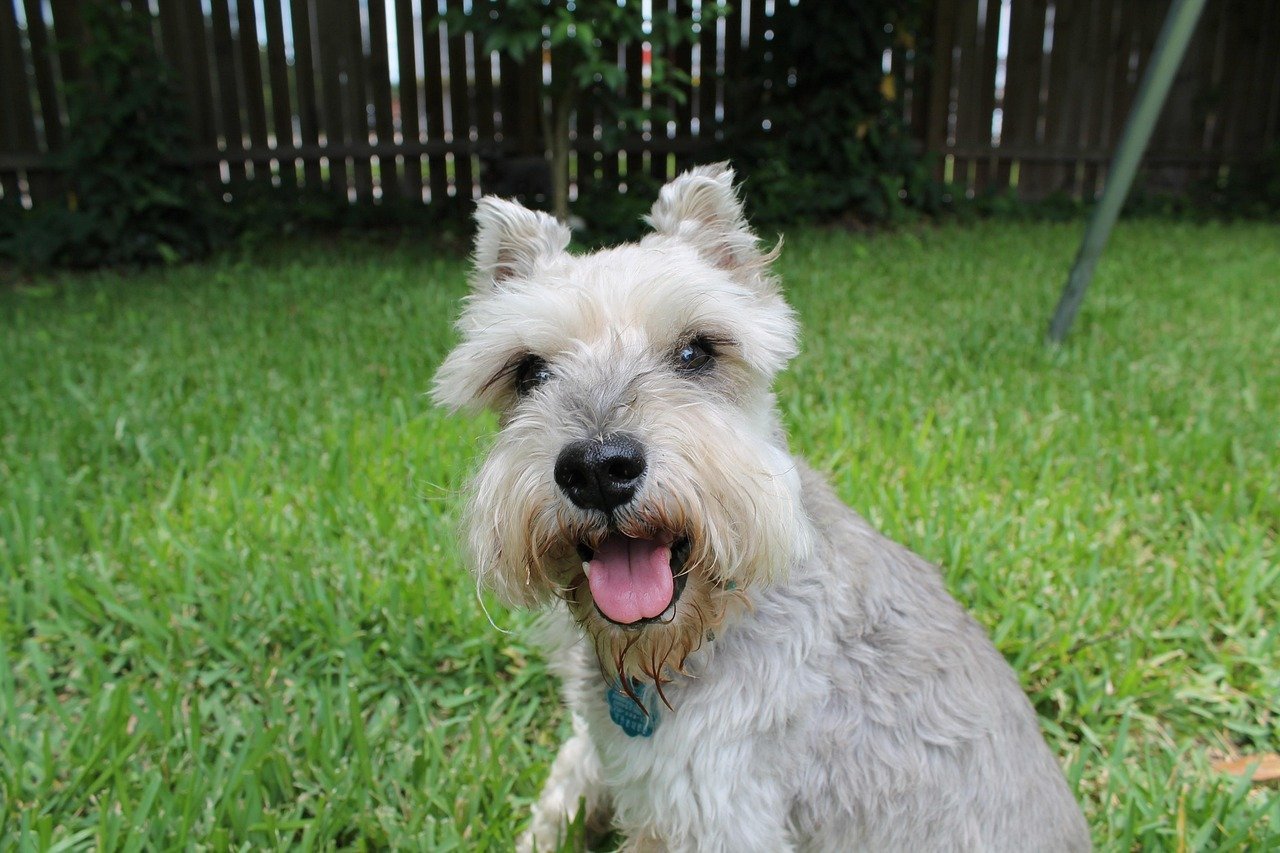
The Miniature Schnauzer is a great dog breed because they’re trainable, smart and loving. They are good with small children and will show you all the affection in the world. Friendly is this dog’s middle name. These bearded beauties combine loyalty with intelligence, creating companions who genuinely care about your wellbeing while maintaining their own delightful personalities.
This breed has a strong, outgoing, and friendly personality. Family oriented and protective over the ones they love, Miniature Schnauzers are alert dogs who watch over the house. Plus, these furry friends are obedient and quick to learn when it comes to training. Their hypoallergenic coats and moderate size make them practical choices, while their expressive eyebrows and distinguished whiskers never fail to bring smiles. They offer gentle security without being aggressive, alerting you to visitors while remaining welcoming to friends and family.
Conclusion
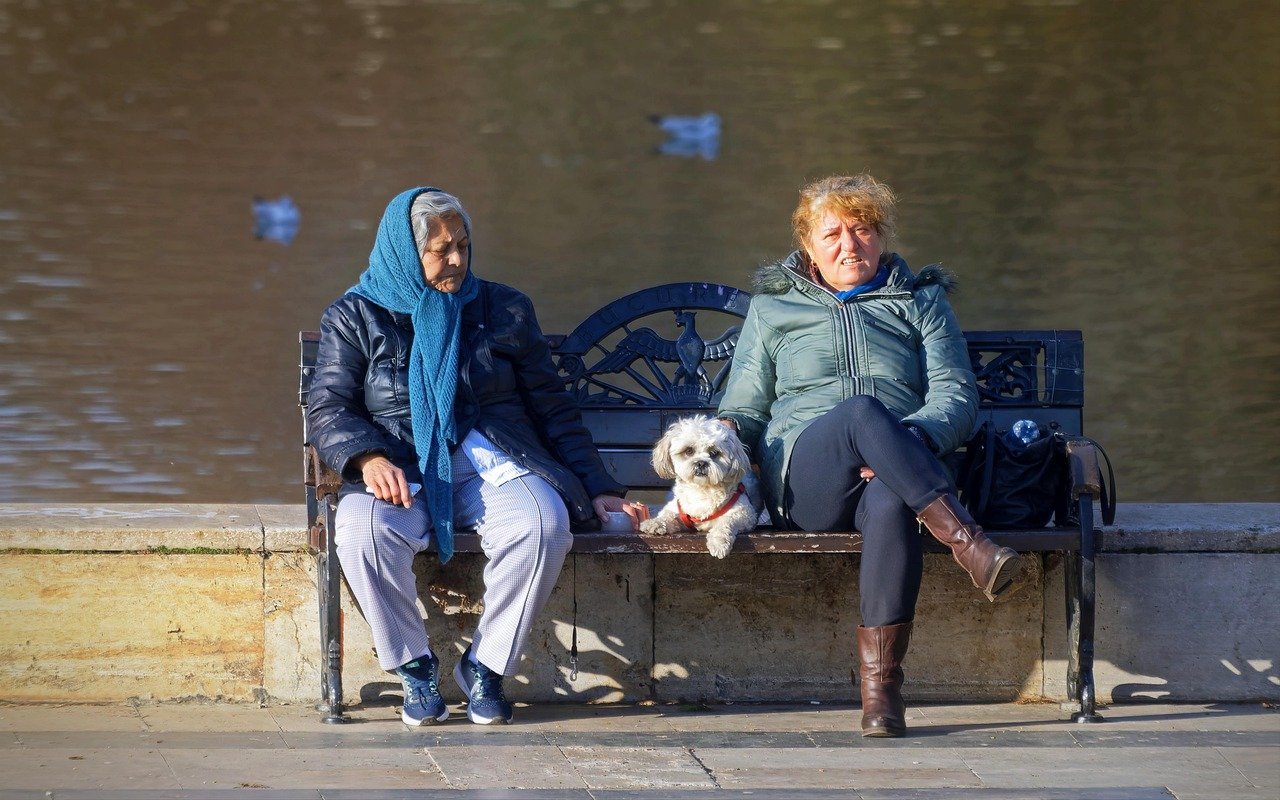
Finding the perfect therapy dog breed after sixty isn’t about choosing the most popular option; it’s about discovering which furry friend will complement your lifestyle, health needs, and heart. The implementation and success of the Pet Therapy could have a great emotional and social impact, bringing relief to patients and their family members, and the right companion can transform ordinary days into extraordinary ones.
Whether you’re drawn to the steady devotion of a Labrador, the intuitive gentleness of a Golden Retriever, or the compact charm of a Cavalier King Charles Spaniel, remember that individual personality matters more than breed characteristics alone. The best therapy dog is the one whose eyes meet yours and whose spirit connects with your own. These remarkable animals don’t just live with us; they teach us about unconditional love, present-moment awareness, and the healing power of simple companionship. What kind of furry therapist do you think would suit your golden years best?


