

Picture this: You walk through your front door after work, expecting the usual enthusiastic greeting from your beloved Border Collie, Max. Instead, you find your sofa turned into modern art, with stuffing artfully arranged across the living room. The television remote has been carefully dismantled, and your favorite running shoes have been relocated to the backyard, buried with archaeological precision. This isn’t destruction. This is intelligence left unchallenged, creativity without purpose.
Honestly, owning a brilliant dog is like having a toddler with the physical capabilities of an Olympic athlete and the problem-solving skills of a master escape artist. Border collies consistently ranked as the top intelligent breed, with their remarkable problem-solving abilities, quick learning, and unwavering work ethic. Yet many owners discover that their genius companion’s greatest strength can also be their most challenging weakness.
The journey with an overly intelligent dog is filled with both extraordinary moments of connection and periods of sheer exhaustion. Let’s explore what it truly means to share your life with a four-legged Einstein.
When Intelligence Becomes a Double-Edged Sword

Having a smart dog “is like having a very smart kid,” as they’re always into something and will get into trouble if they’re bored. The same mental agility that allows your German Shepherd to learn complex commands in mere repetitions also enables them to figure out how to open cabinet doors, unlock gates, and devise elaborate schemes to access forbidden treats.
While a smart dog will learn everything that you want them to know, they will also learn everything that they can get away with, requiring much more time “civilizing” your clever dog. Your Poodle might master advanced obedience commands within days, but they’ll also master the art of manipulating you for extra dinner portions with those soulful, intelligent eyes.
These dogs notice patterns faster than you realize you’re creating them. They learn your routines, predict your behavior, and sometimes seem to understand your intentions before you’ve fully formed them yourself.
The Mental Stimulation Marathon

While incredibly intelligent, Border Collies are not suited for every household, as their high energy levels and mental stimulation needs can become overwhelming for inexperienced or inactive owners, potentially leading to bored and problematic behaviors. This challenge extends beyond just Border Collies to virtually all highly intelligent breeds.
Breeds such as Border Collies, German Shepherds, and Poodles are among the breeds who are most likely to get in trouble when bored, making “a tired dog is a happy dog” absolutely true. The mental exhaustion from puzzle toys, training sessions, and problem-solving activities often proves more effective than physical exercise alone.
Creating an enrichment routine becomes a full-time job. Mental stimulation for dogs enriches their lives differently than physical exercise, keeping their brains focused and challenged, preventing boredom and destructive behavior. Think interactive feeders, rotation of puzzle toys, and daily training challenges that evolve as your dog masters each level.
Training Triumphs and Tribulations

If your main focus is training new behaviors like agility or trick training, smart dogs will require fewer repetitions, but if your focus is having an easy-to-live-with pet dog, smart dogs will often take more work, as teaching commands is not the difficult part of dog training.
With their keen observation and quick mental connections, intelligent dogs can pick up unintended behaviors, noticing inconsistencies or loopholes in training routines and exploiting these, requiring careful, consistent reinforcement. Your Australian Shepherd might learn to sit perfectly during training sessions but refuse to comply when you’re distracted or inconsistent with rewards.
Training smart dogs demands creativity, energy, and flexibility from the owner, as generic methods often fail, requiring personalized training that suits their unique intellectual and energetic needs. Success comes from staying one step ahead of their problem-solving abilities.
The Destructive Genius Phenomenon

A Doberman will get bored and destroy your sofa and vase collection if left alone for extended periods, while a Border collie bred to work all day will be miserable without opportunities to work or exercise. This destructive behavior isn’t spite or disobedience.
Destruction is one of the clearest indicators of boredom in dogs that lack stimulation, including chewing furniture, shredding household items, or digging elaborate tunnel systems in the backyard, as this behavior stems from instinct rather than spite.
Many destructive behaviors including chewing, stealing, and digging are normal exploratory behaviors that arise when dogs are unsupervised and not otherwise engaged, requiring regular routines with sufficient reward training, exercise, and social enrichment. The key lies in channeling their intelligence productively before problems arise.
The Exercise Equation Goes Beyond Physical
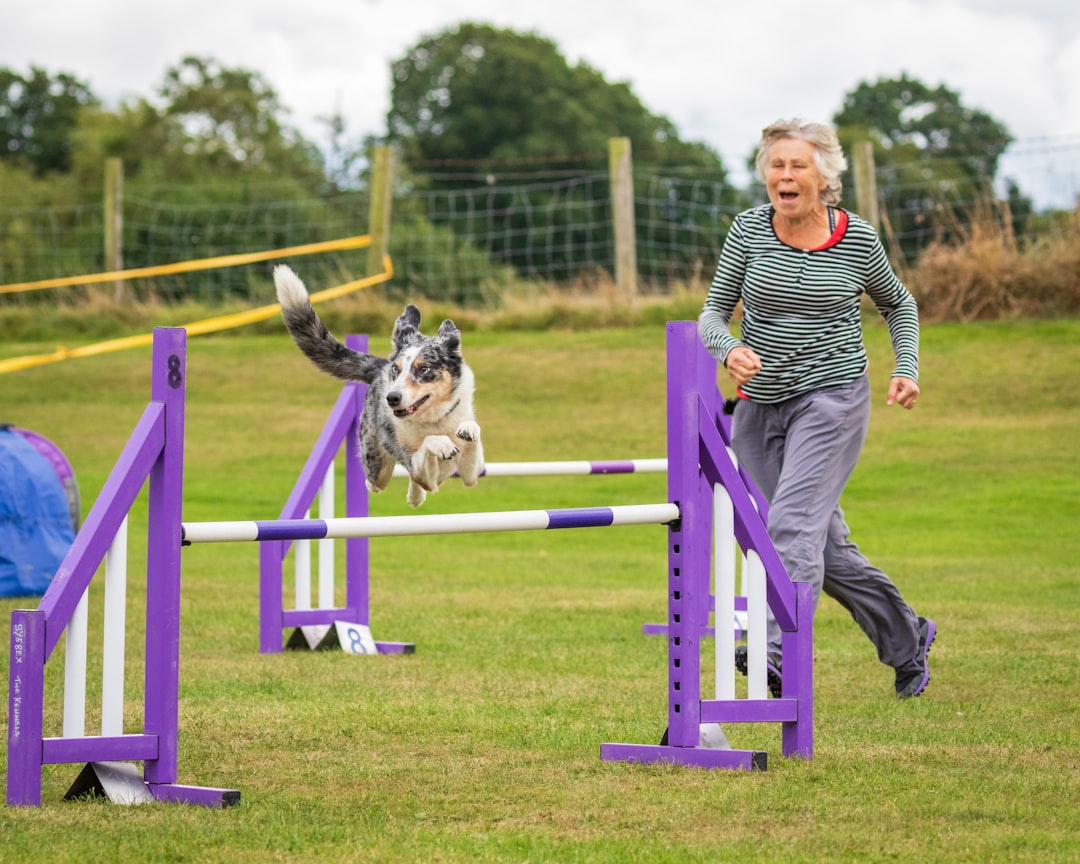
Many highly intelligent breeds are also very energetic, with Border Collies requiring 1-2 hours of exercise daily to stay happy and balanced, as insufficient physical activity makes training sessions difficult by not priming their minds to focus effectively.
Physical exhaustion alone won’t satisfy an intelligent dog’s needs. Mental stimulation not only relieves boredom but also helps relieve stress and allows your dog’s personality to shine through. These dogs crave jobs, challenges, and purposes that engage both their bodies and minds simultaneously.
Consider activities like agility training, scent work, or even teaching your dog to help with household chores. The satisfaction they derive from problem-solving and completing tasks provides the mental fulfillment that simple fetch games cannot match.
Reading Your Brilliant Companion

Dogs rarely hide their emotions, and when boredom strikes, their behavior changes in ways that are easy to spot once you know what to look for, though these signs are commonly misinterpreted as disobedience when they’re actually signals that mental and emotional needs aren’t being met.
Intelligent dogs develop subtle communication patterns that go beyond basic body language. They might bring you specific toys to indicate desired activities, pace in particular patterns to express frustration, or demonstrate selective hearing when they find your requests unstimulating compared to more interesting environmental distractions.
Learning to recognize these behavioral cues early prevents escalation into problematic behaviors. Recognizing these behavioral signs is the first step, allowing owners to begin addressing boredom with structured enrichment and stimulation strategies.
The Social Intelligence Factor

Golden Retrievers’ ability to understand tone and emotion often makes them feel like mind readers with fur, combining emotional intelligence with strong learning drives. This emotional awareness extends across many intelligent breeds, creating dogs who seem almost human in their understanding of family dynamics.
These dogs often become emotional barometers for their households, sensing tension, excitement, or changes before family members recognize them themselves. Their intelligence allows them to adapt their behavior to different family members’ moods and needs, making them incredibly intuitive companions.
However, this emotional intelligence can also create anxiety when they sense distress they cannot solve. Providing outlets for their natural desire to “help” and “work” becomes crucial for their psychological wellbeing.
Creating the Perfect Challenge Environment

Owners of smart dogs know they always need new challenges, as they get bored easily, which sometimes leads to destructive behavior, requiring curious, active minds to stay engaged. Creating variety becomes essential for maintaining their interest and preventing behavioral issues.
These breeds flourish when their minds stay active through games, puzzles, and training sessions paired with ample physical exercise. Rotation of activities, increasing difficulty levels, and introducing novel challenges keeps their brilliant minds engaged and satisfied.
Consider puzzle feeders, hide-and-seek games, new walking routes, and regular introduction of unfamiliar but safe objects for investigation. The cup game and similar problem-solving activities enhance dogs’ problem-solving skills while keeping their brains active and attentive. The goal is creating an environment where learning and discovery happen naturally throughout their day.
Conclusion

Living with an overly intelligent dog means embracing a relationship that demands as much from you as it gives back. These remarkable companions challenge us to become better trainers, more creative problem-solvers, and more attentive partners. Training highly intelligent dogs is a rewarding but demanding journey, requiring dedicated, adaptive approaches, but with patience, creativity, and understanding of their unique capabilities, owners can channel their dog’s intelligence into fulfilling activities that nurture lifelong partnerships.
The blessing lies in sharing your life with a creature whose intelligence creates an almost telepathic bond, whose problem-solving abilities amaze you daily, and whose eagerness to learn makes every training session an adventure. The burden exists in the constant need for mental stimulation, the creative energy required to stay ahead of their schemes, and the responsibility of providing outlets worthy of their brilliant minds.
What do you think about the unique challenges and rewards of living with canine geniuses? Have you experienced the delightful frustrations of outsmarting your overly intelligent companion? Tell us in the comments.


