

You already know it in your gut. That surge of warmth when your dog runs to the door the second they hear your key in the lock. That inexplicable calm that washes over you when they rest their chin on your lap after a brutal day. It feels like love. Honestly, it is love. The remarkable thing? Science agrees with you completely, and the evidence is far more extraordinary than most people realize.
This is not just about feelings and fuzzy moments. Researchers have spent decades uncovering the real, measurable biology underneath that connection, and what they have found will genuinely surprise you. Let’s dive in.
An Ancient Partnership Written Into Our DNA

Long before there were cities, farms, or even agriculture, there were dogs living alongside us. Evidence suggests that around 30,000 years ago, during the last ice age, a now-extinct population of grey wolves began the process of domestication, and genetic studies indicate that all modern dogs descend from this one common ancestor. Think about that. Your dog’s lineage traces back to a world of glaciers and hunter-gatherers.
It is thought that wolves were drawn to human campsites by the smell of cooking meat and the easy pickings of discarded scraps. Eventually they began to guard the area from predators and even helped with hunting large animals. Over time, some of these wolves began sticking around, treating the camps as part of their own territory, and the friendlier, less aggressive wolves may have been tolerated by humans. In other words, this bond wasn’t forced. It was mutual from the very beginning.
The key phase in domestication appears to have been changes in social behaviour and its corresponding oxytocin receptor genes and neural-related genes. What that means in plain language is this: dogs were literally rewired, at a genetic level, to bond with us. No other species on the planet can claim that.
The Love Hormone That Flows Both Ways

Uploaded by palnatoke, CC BY-SA 2.0)
Here is where things get genuinely mind-blowing. When you look into your dog’s eyes, something chemical happens in both of your bodies simultaneously. Research supports the existence of a self-perpetuating oxytocin-mediated positive loop in human-dog relationships that is similar to that of human mother-infant relations, where human-dog interaction through gazing behavior brought on social rewarding effects due to oxytocin release in both humans and dogs.
Oxytocin, known as the “love hormone,” is that seemingly magical chemical we usually associate with baby-parent bonding. It turns out that oxytocin also plays a major role in humans’ relationships with dogs. You are literally experiencing the same hormonal rush a new parent feels when looking at their newborn, just by gazing at your dog across the room.
When humans and dogs gaze lovingly into one another’s eyes, each of their brains secretes oxytocin, a hormone linked to maternal bonding and trust. The human and dog relationship is the only case in which it has been observed at work between two different species. No other animal, not even a chimpanzee, shares this specific biological loop with us. That is not a small thing.
Your Dog Is Reading You More Closely Than You Think

Let’s be real for a moment. We all suspect our dogs know when we’re sad, stressed, or quietly falling apart on the inside. Turns out, we’re right. Research shows that dogs indeed perceive differences in human emotion and behave differently depending on their owner’s emotional state. Dogs gazed and jumped less often and were less compliant with commands when learning from a sad owner. By contrast, dogs with happy owners performed better at new tasks than dogs with sad or neutral owners.
New research suggests that the smell of human stress affects dogs’ emotions as well as their decisions, leading them to make more pessimistic choices. The study was the result of a partnership between the University of Bristol, Cardiff University and the British charity Medical Detection Dogs. Your dog can literally smell your anxiety. That’s extraordinary, and slightly humbling.
Research demonstrates that dogs can extract and integrate bimodal sensory emotional information, and discriminate between positive and negative emotions from both humans and dogs. They are picking up cues from your face, your voice, and your scent all at once, processing them together into a complete emotional picture of you. Think of them as the world’s most devoted emotional detective.
The Very Real Health Benefits You Are Getting From This Bond
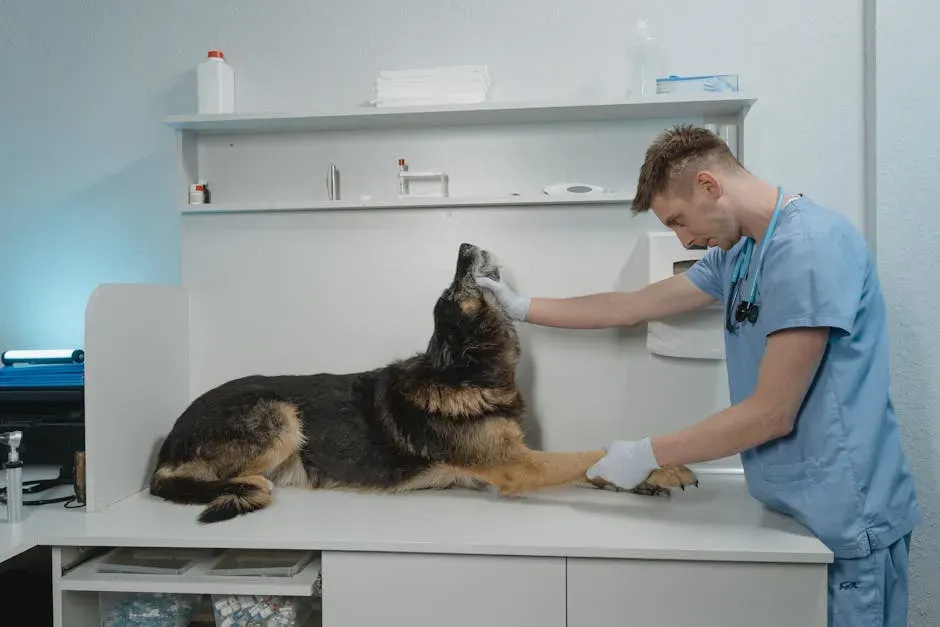
Spending time with your dog is not just emotionally rewarding. It is genuinely, measurably good for your body. Interacting with animals has been shown to decrease levels of cortisol, a stress-related hormone, and lower blood pressure. Other studies have found that animals can reduce loneliness, increase feelings of social support, and boost your mood.
Research from the American Heart Association suggests that dog ownership correlates with lower blood pressure, reduced cholesterol levels, and a decreased risk of heart disease. Your evening walks and lazy couch cuddles are doing more than you know. Research shows that just 15 minutes with a therapy dog can lower blood pressure, reduce heart rate, and significantly decrease anxiety levels.
Dogs specifically have been proven to reduce stress, anxiety and depression, ease loneliness, encourage exercise, and improve your overall health. It’s hard to say for sure exactly how much of this is the dog versus the lifestyle that comes with having one, but the results consistently point in one direction. Owning a dog is genuinely good medicine.
Your Brain Actually Treats Your Dog Like Family
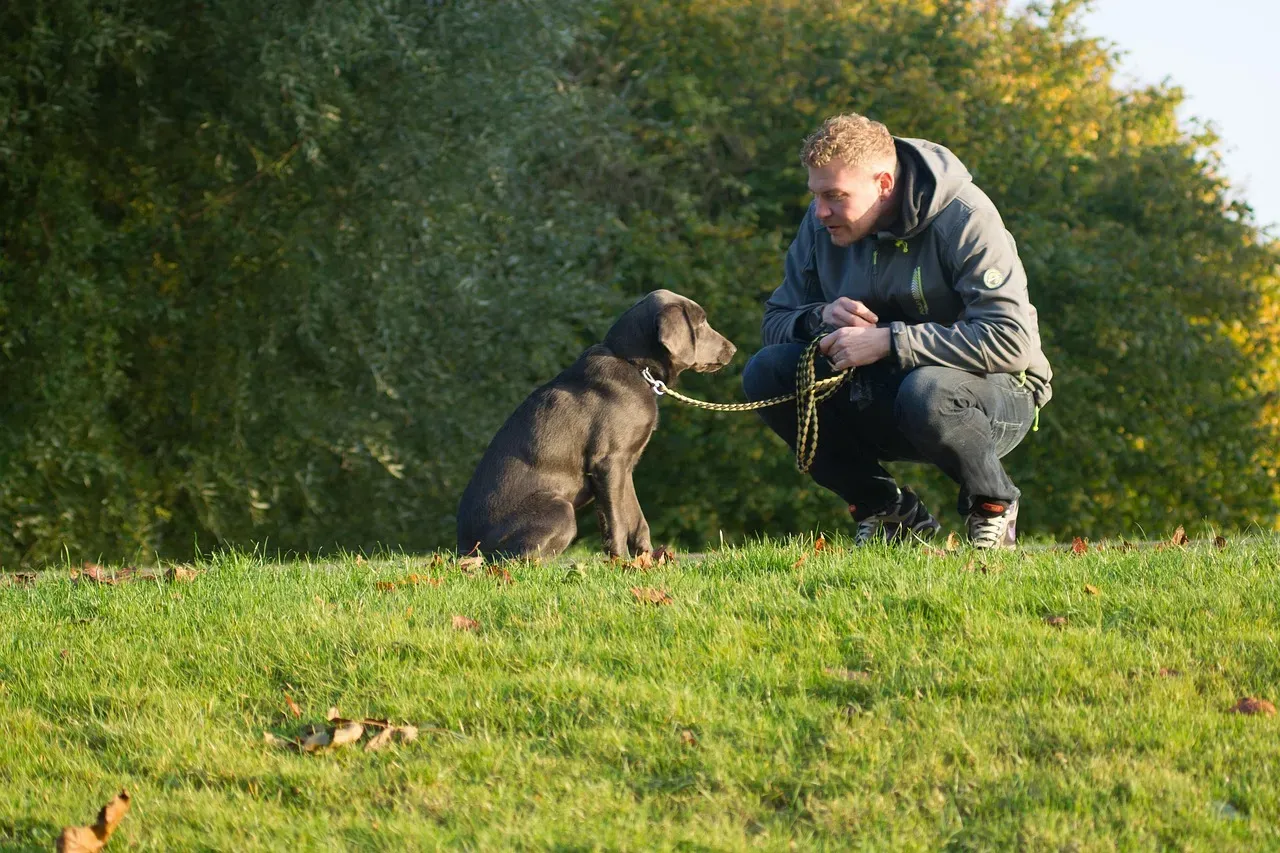
If you have ever told someone your dog is basically your child and watched them give you that politely doubtful look, science is firmly on your side. Functional magnetic resonance imaging studies showed that the presentation of both human and dog family members’ faces activated the same brain region in owners. Interestingly, these brain areas are known to interact with the oxytocin system. A more recent study also confirmed the activation of a common network of brain regions involved in emotion, reward, affiliation, and social cognition both when mothers viewed images of their child and their dog.
Psychologists believe that the relationship between human and canine is a bidirectional attachment bond, which resembles that of the typical human caretaker and infant relationship, and shows all of the usual hallmarks of a typical bond. That explains so much, doesn’t it? The worry when they are unwell. The grief when we lose them. The pure joy in their happiness.
This suggests human-dog bond formation uses similar brain networks to maternal bonding and provides evidence for an oxytocin-mediated role of the amygdala in the association between human-dog interactions and health. Your dog is not a pet you happen to love. They occupy a neurological space in your brain that your mind reserves for your most precious relationships.
Conclusion: A Bond Worth Protecting and Nurturing Every Day

There is something profoundly comforting about knowing the love you feel for your dog is not one-sided sentiment. It is biology. It is history. It is tens of thousands of years of two species choosing each other, again and again, and evolving together because of it.
The science tells us our dogs feel our emotions, mirror our stress, respond to our happiness, and experience a genuine hormonal bond when they look at us. That soft gaze from across the room isn’t just cute. It is one of the most remarkable interspecies connections in all of nature.
So the next time someone raises an eyebrow when you say your dog truly understands you, just smile. Because honestly, the research backs you up completely. What is one thing your dog does that makes you feel truly, undeniably seen? We would love to hear about it in the comments.


