
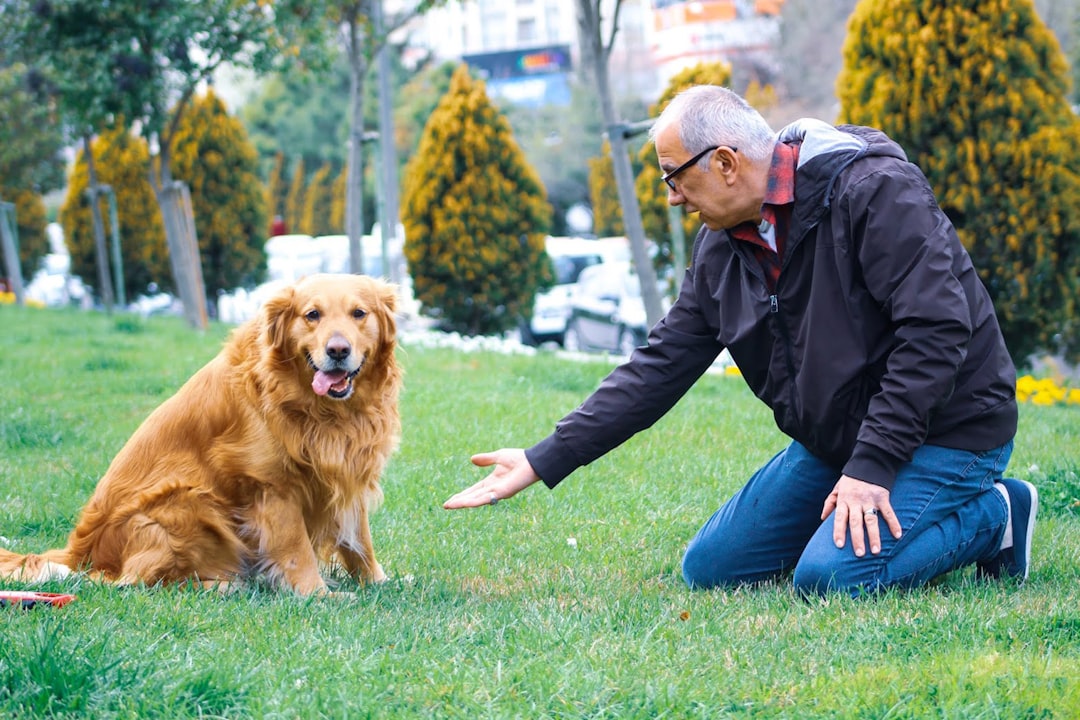
Imagine the excitement of bringing a new furry friend into your life—a wagging tail, a soft nose nudging your hand, eyes sparkling with trust. For many older adults, adding a dog to their home can be a source of endless love and companionship. But there’s one surprising mistake that happens all too often: picking the wrong breed, based on looks or nostalgia, while overlooking what really matters—compatibility with your lifestyle, health, and energy level. The results can be overwhelming, sometimes even heartbreaking. Let’s take a closer look at the hidden pitfalls and how to make sure your next canine companion is truly the best fit for you.
Overestimating Physical Capabilities
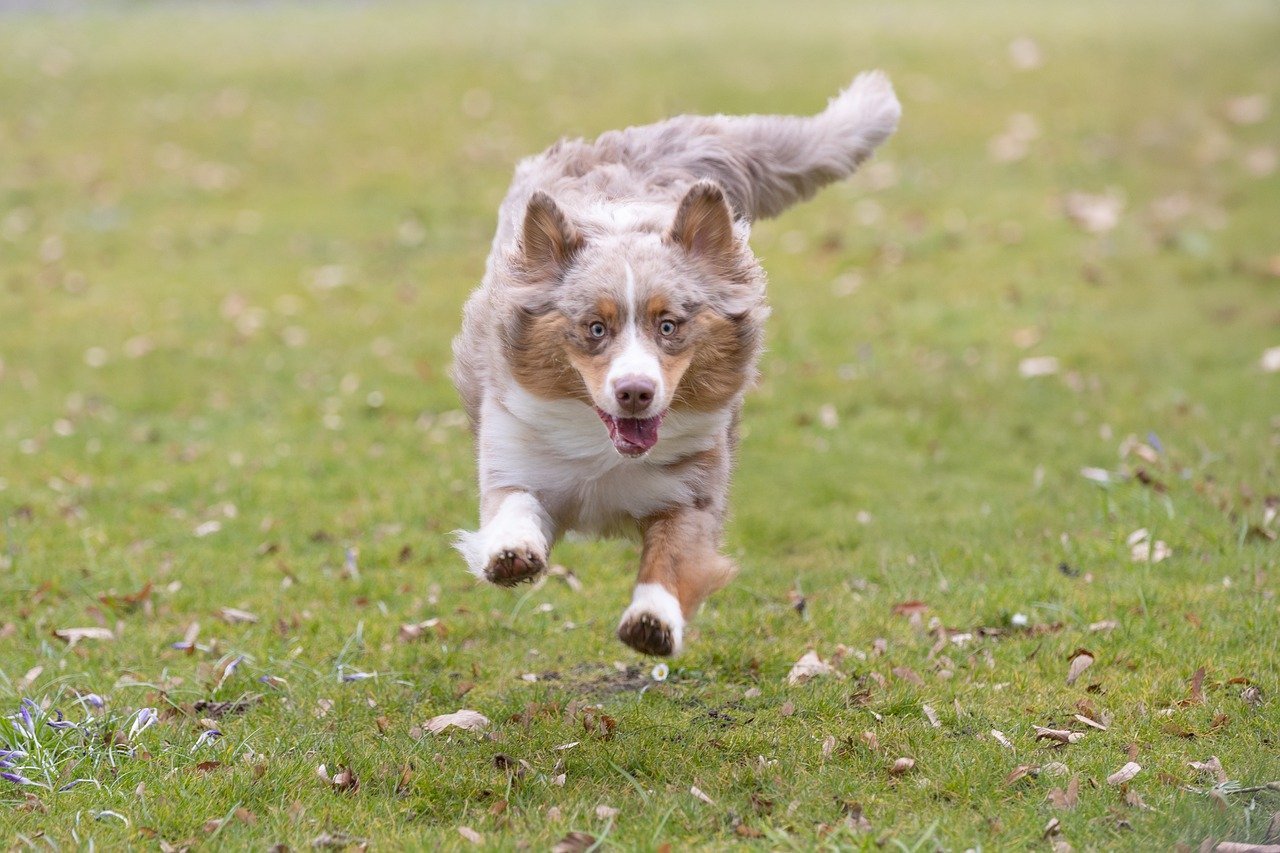
Many older adults fondly remember running around the yard with energetic dogs in their youth. That memory can make it tempting to choose an active breed now, underestimating how much energy and stamina those dogs truly require. High-energy breeds like Border Collies or Huskies need hours of intense exercise and mental stimulation every single day. If you’re not able to provide that, both you and the dog can suffer—leading to frustration, destructive behavior, and even health issues.
It’s easy to forget that our bodies change as we age, and so do our daily routines. Tasks like brisk walks, bending down to pick up toys, or even managing a strong leash puller become more challenging. The compatibility mistake here is assuming you can keep up with a young, energetic pup when what you really need is a companion that matches your current pace. It’s not about giving up on activity, but about finding balance and joy without strain.
Choosing Based on Appearance, Not Temperament

We’ve all fallen in love with a dog’s soulful eyes or fluffy fur at first sight. But selecting a breed based solely on looks is a common trap. Breeds like Dalmatians or Jack Russell Terriers are undeniably adorable, but their personalities are often mismatched with a quieter, slower lifestyle. These dogs can be stubborn, highly energetic, or even prone to anxiety if not given enough stimulation.
Temperament matters so much more than appearance. A gentle, calm dog may look less exciting on the outside, but will likely bring more happiness and harmony into your home. It’s a little like picking a house—sure, the color and design catch your eye, but it’s the feeling inside that makes it home. Taking the time to research and meet different breeds can help you find a better fit for your temperament and daily life.
Ignoring Grooming and Health Maintenance Needs

Some breeds, like Poodles or Shih Tzus, may seem perfect because of their size and friendly nature. But their coats require regular grooming, which can mean expensive trips to the groomer or hours of brushing at home. For older adults with arthritis or limited mobility, this task quickly becomes overwhelming. Neglecting grooming needs can lead to tangles, skin problems, and discomfort for your dog.
Health maintenance goes beyond just grooming—it’s about understanding any breed-specific issues that might arise. Large breeds may be prone to joint problems, while small breeds can have dental issues. Choosing a breed with manageable grooming and health needs means less stress and more enjoyment for both you and your pet. It’s about making life easier, not adding more chores to your day.
Forgetting About Size and Strength Differences

Size matters, especially when it comes to handling a dog daily. Big dogs are impressive, but they can also be a handful—literally. A strong Labrador or German Shepherd might accidentally knock you over or pull too hard on the leash. Even medium-sized dogs can be surprisingly powerful when excited. This physical mismatch can lead to accidents, injuries, or an inability to provide proper care.
On the flip side, toy breeds can be fragile, making them less suited for households where stability or balance is a concern. The best approach is to find a breed that’s manageable for your strength and mobility. If you have trouble with stairs or lifting, a dog that’s too large or too small might not be the right choice. It’s about finding a pup that fits your arms, your home, and your life.
Overlooking the Importance of Training Needs

Every dog needs training, but some breeds require a lot more patience and consistency than others. Working breeds like Belgian Malinois or Australian Shepherds are highly intelligent but can become bored and destructive if not mentally challenged. For older adults, committing to daily training sessions or managing behavioral quirks can quickly become exhausting.
It’s a common mistake to assume all dogs will naturally adapt to your routine. In reality, some breeds are more independent or stubborn, making training harder for those without the time or energy to invest. Opting for breeds known for their easygoing nature and willingness to please—like Cavaliers or Bichon Frises—can make the adjustment so much smoother. Think of it as choosing a puzzle that fits your skill level; you want a challenge, but not a struggle.
Underestimating Lifespan and Long-Term Commitment
Bringing a dog into your home is a long-term commitment, sometimes lasting 15 years or more. Many older adults overlook how their own needs and circumstances may change over time. Puppies are adorable, but they require years of care, training, and energy. As we age, our health and mobility can shift, and managing a young or demanding dog may become more difficult than expected.
It’s wise to consider adopting an older dog whose temperament and needs are already established. Senior dogs often make wonderful companions—they’re usually calmer, require less exercise, and are grateful for a loving home. Thinking ahead about the future, and planning for any changes, is a kindness to both yourself and your future furry friend.
Not Consulting Family or Support Networks
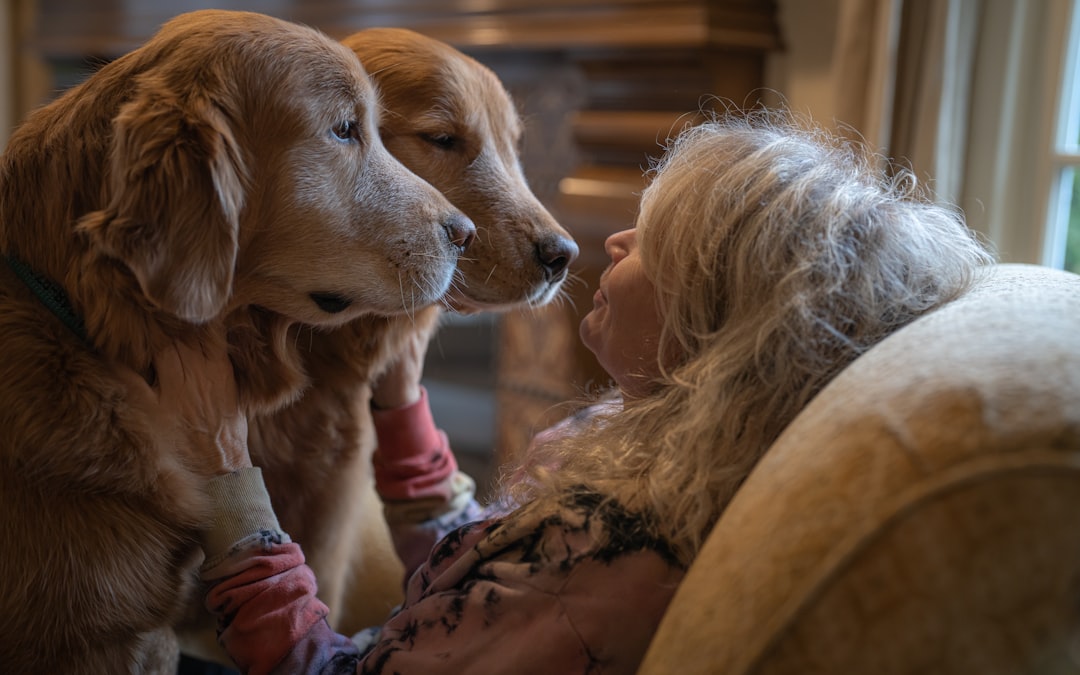
Choosing a dog is rarely a solo decision, even if you live alone. Family, friends, and support networks can play a major role in helping with care, especially if you experience health challenges or need to travel. Many older adults forget to involve loved ones in the decision-making process, only to find themselves isolated or overwhelmed later on.
Discussing your plans with close contacts can help you assess what breeds or dogs might fit best into your shared routines. Will someone be able to walk the dog if you’re unable? Are there allergies or fears to consider? Planning ahead with your support network means you’ll have help when you need it, and your dog will always have someone to rely on.
Ignoring Rescue and Adoption Options

Many people assume that only purebred puppies are suitable companions, but rescue and adoption centers are filled with wonderful dogs of all ages, sizes, and temperaments. Older adults sometimes overlook these options due to misconceptions about rescue dogs being “damaged” or “difficult.” In reality, many rescue dogs are loving, gentle, and grateful for a second chance.
Adopting from a shelter or rescue group often means you can find dogs whose personalities and needs are already known, making compatibility easier to assess. Volunteers can help match you with a dog that fits your lifestyle and abilities. Plus, giving a home to a dog in need is a deeply rewarding experience. It’s a chance to change a life—and maybe even your own—in ways you never expected.
Many older adults choose a dog based on looks or nostalgia, overlooking the crucial factor of compatibility with their current lifestyle. The result? A mismatch that can lead to stress for both the dog and the owner. Energy level, grooming needs, size, and temperament should all align with your daily routine and physical capabilities. Choosing a breed that complements—not complicates—your life ensures a more joyful, manageable bond. When older adults prioritize compatibility over trend or memory, they’re far more likely to find a loyal companion who brings comfort, companionship, and ease into their golden years.


