

Have you ever scrolled through your feed and been swept away by adorable, picture-perfect pups? Those big soulful eyes, fluffy coats, and quirky antics—it’s easy to believe these social media star breeds are all cuddles and kisses. But behind every viral video and heart-melting selfie, there’s a real dog with real needs, quirks, and sometimes, shadows we don’t see online. As a lifelong dog lover (and someone who’s cleaned up more messes than I care to count), let me pull back the curtain on twelve beloved breeds and the hidden sides that every caring owner should know.
French Bulldog: The Charming Diva
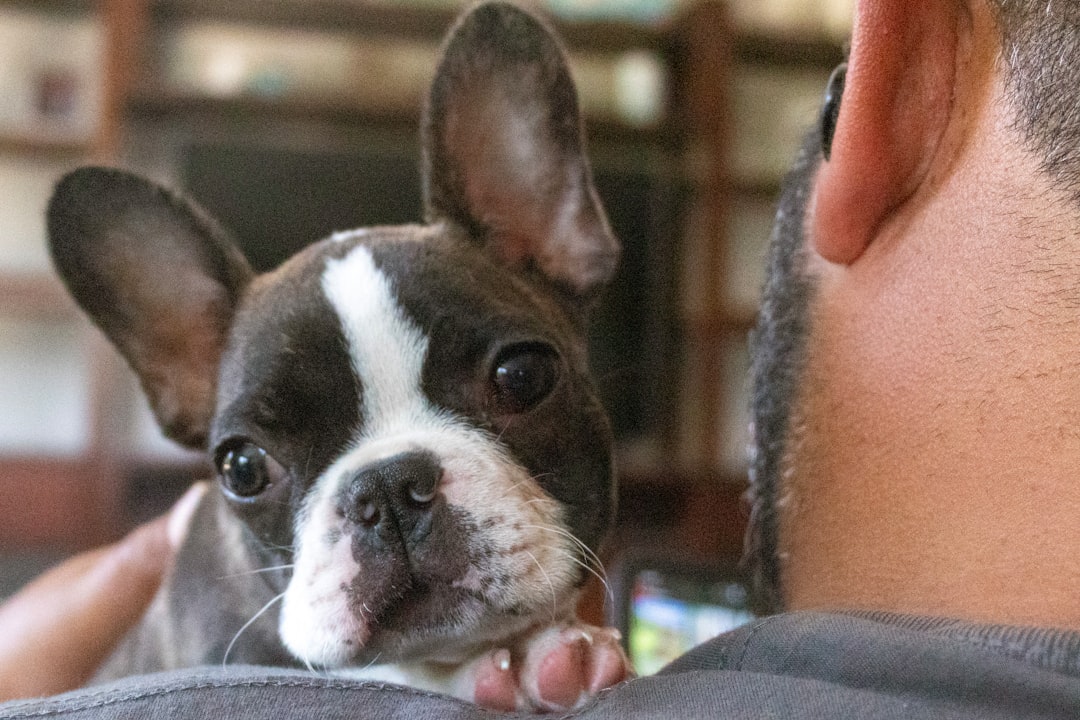
Frenchies might look like little clowns, but their stubborn streak can surprise new owners. Training isn’t always a breeze—they often act like they know better, and sometimes they just do their own thing, no matter how many treats you wave. Patience and consistency are your best friends here.
Health-wise, those adorable flat faces come with a cost. French Bulldogs are prone to breathing problems, overheating, and even snoring fits that can rattle the windows. If your Frenchie sounds like a tiny tractor at night, it’s time for a vet check to rule out serious issues.
Siberian Husky: The Escape Artist
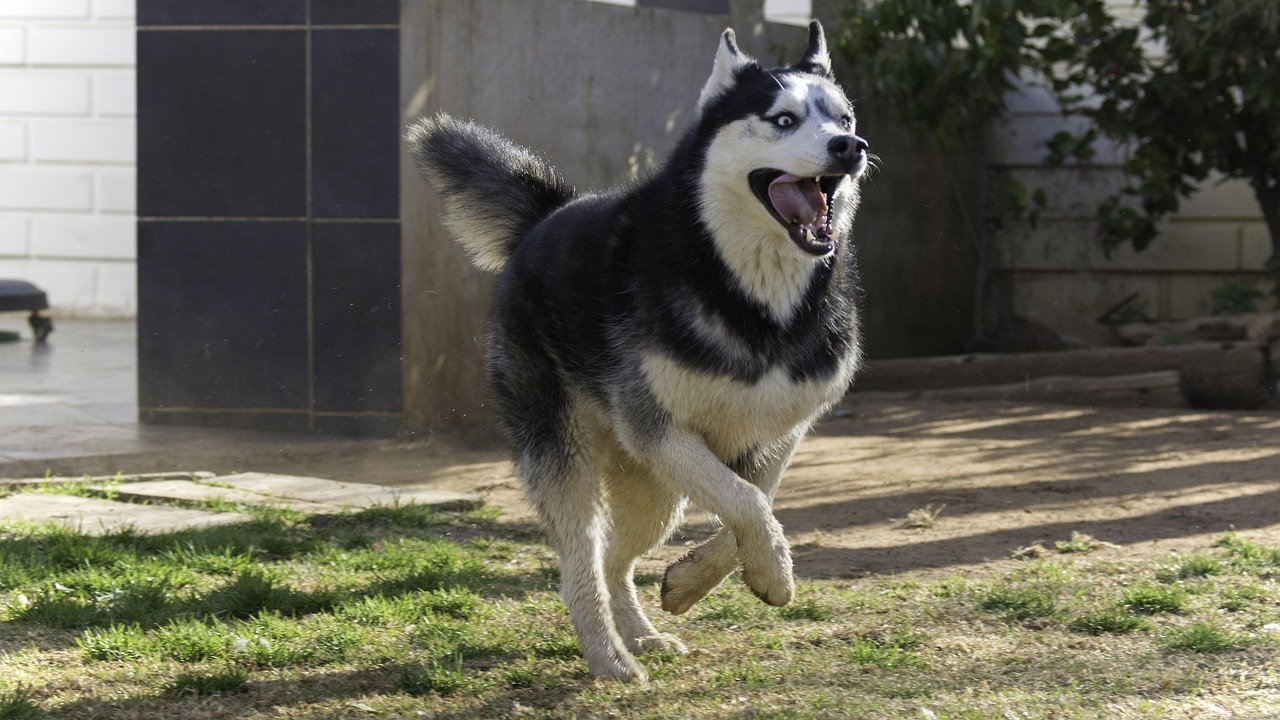
Huskies are gorgeous and goofy, but their wanderlust is legendary. A bored Husky can jump fences, dig tunnels, or open doors just for fun. If they don’t get enough exercise, you might find your living room redecorated by their own paws.
They’re also heavy shedders, with fur that seems to multiply overnight. If you’re not ready for daily brushing and vacuuming, be prepared for “Husky glitter” on every surface—especially in spring and fall.
Chihuahua: The Tiny Tornado

Don’t let their size fool you. Chihuahuas can be fiercely protective, even nippy, especially if they’re not properly socialized. It’s easy to baby them, but these little dogs need boundaries just like the big guys.
They’re also prone to dental problems and fragile bones. A tumble off the couch or skipping tooth care can lead to pain and expensive vet visits. Gentle handling and regular dental checks are musts.
Border Collie: The Workaholic
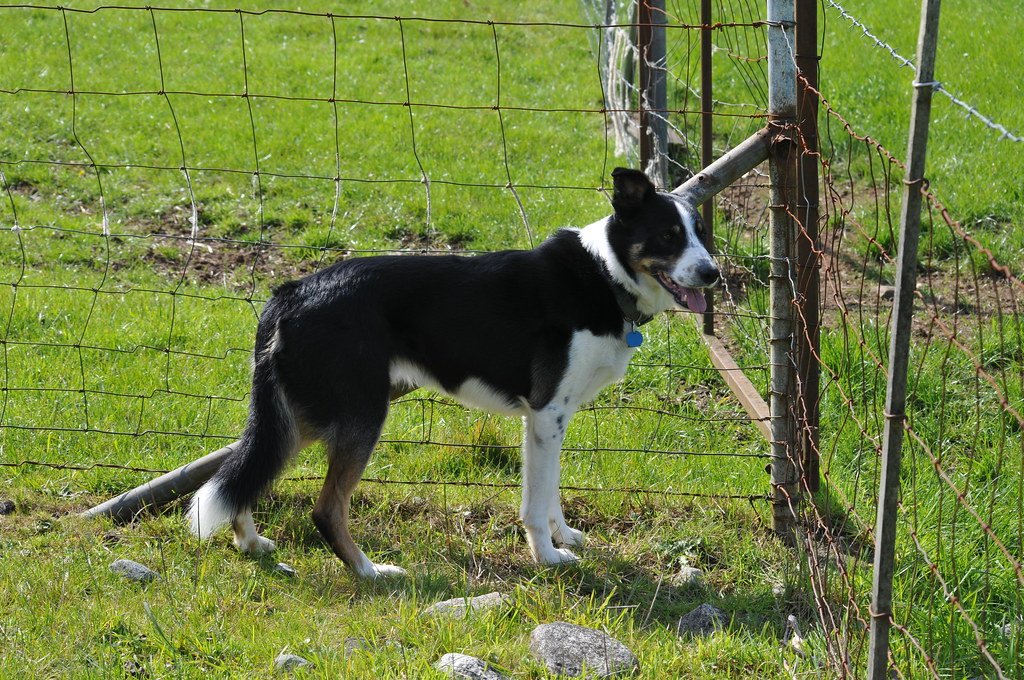
Border Collies are brainiacs bursting with energy. Without enough physical and mental stimulation, they’ll invent their own jobs—sometimes herding the kids, or worse, chasing cars. A bored Collie is a recipe for mischief.
Obsessive behaviors like tail-chasing or staring at shadows can creep in if their minds aren’t kept busy. Puzzle toys, agility, and regular training keep them healthy and happy.
Pug: The Lovable Couch Potato

Pugs win hearts with their snuggly personalities, but they’re prone to obesity and breathing problems. Their love for snacks and naps means owners need to monitor their diets and encourage gentle exercise.
Watch for signs like noisy breathing, coughing, or overheating during play. Keep walks short in hot weather, and never ignore labored breathing—it can quickly become an emergency.
Dalmatian: The Spotted Dynamo
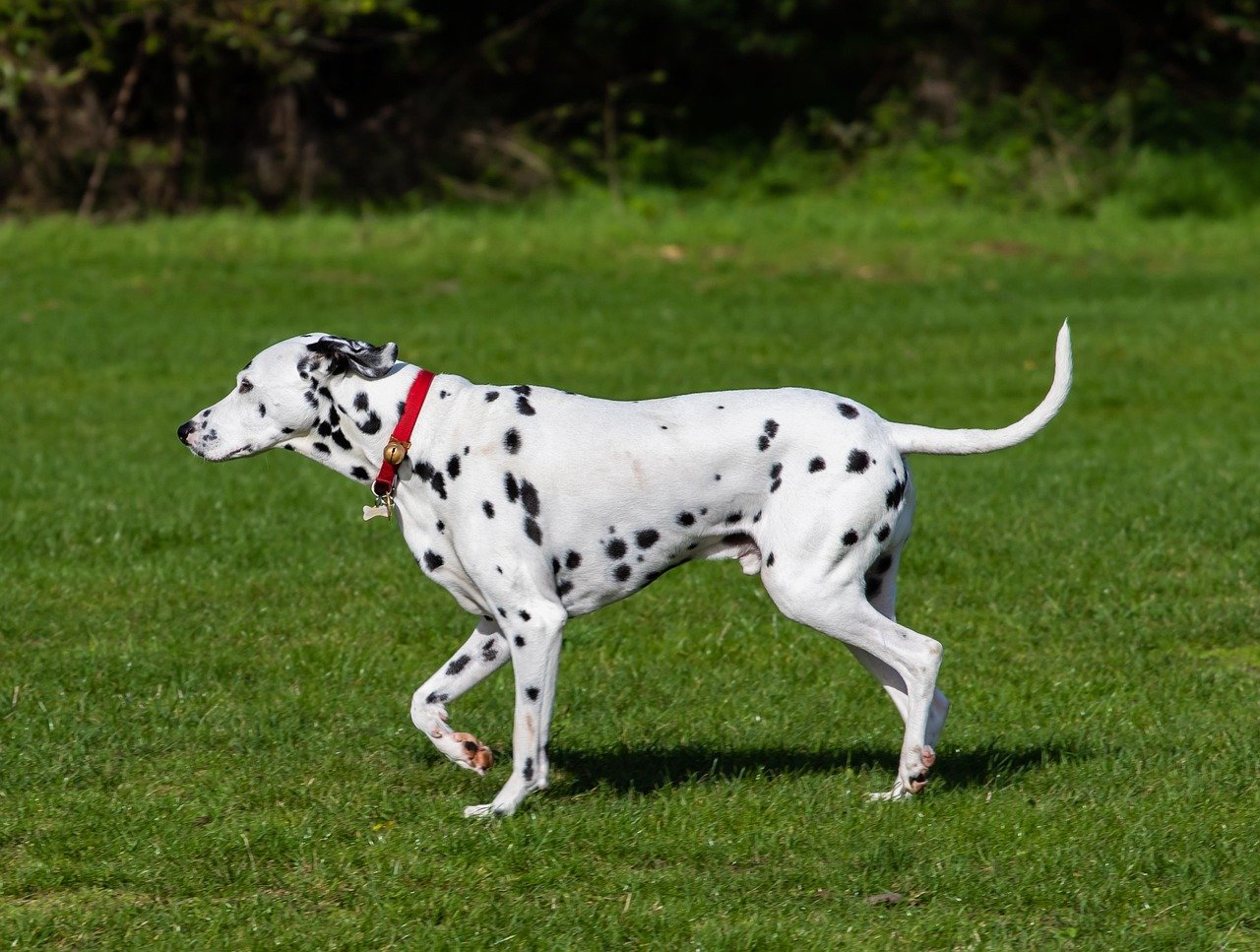
Dalmatians are born athletes with energy to spare, but they can be high-strung and destructive if left alone too long. Chewed shoes, shredded pillows, and wild zoomies aren’t uncommon in a bored Dal.
They’re also prone to deafness and urinary stones. Regular hearing checks and a careful diet are crucial for their well-being. Listening and learning about their unique needs goes a long way.
Shih Tzu: The Royal Highness
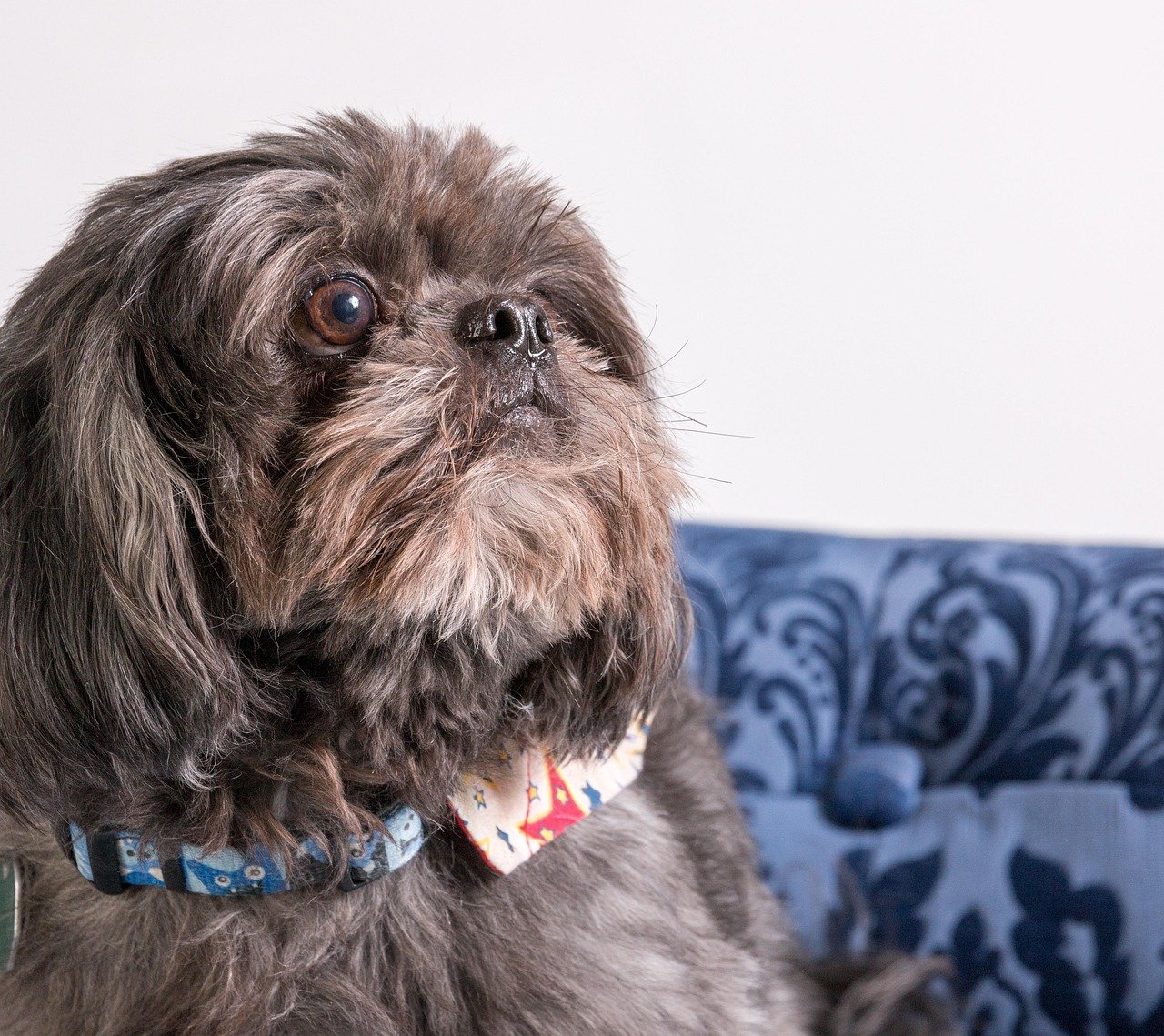
Shih Tzus often act like little monarchs, and if you let them rule the house, they quickly develop bratty habits. Early training and consistent rules keep their royal tendencies in check.
Their long coats need daily brushing to prevent painful mats. Neglecting grooming can lead to skin infections, so a regular spa routine is more than just a beauty regimen.
Australian Shepherd: The Overachiever
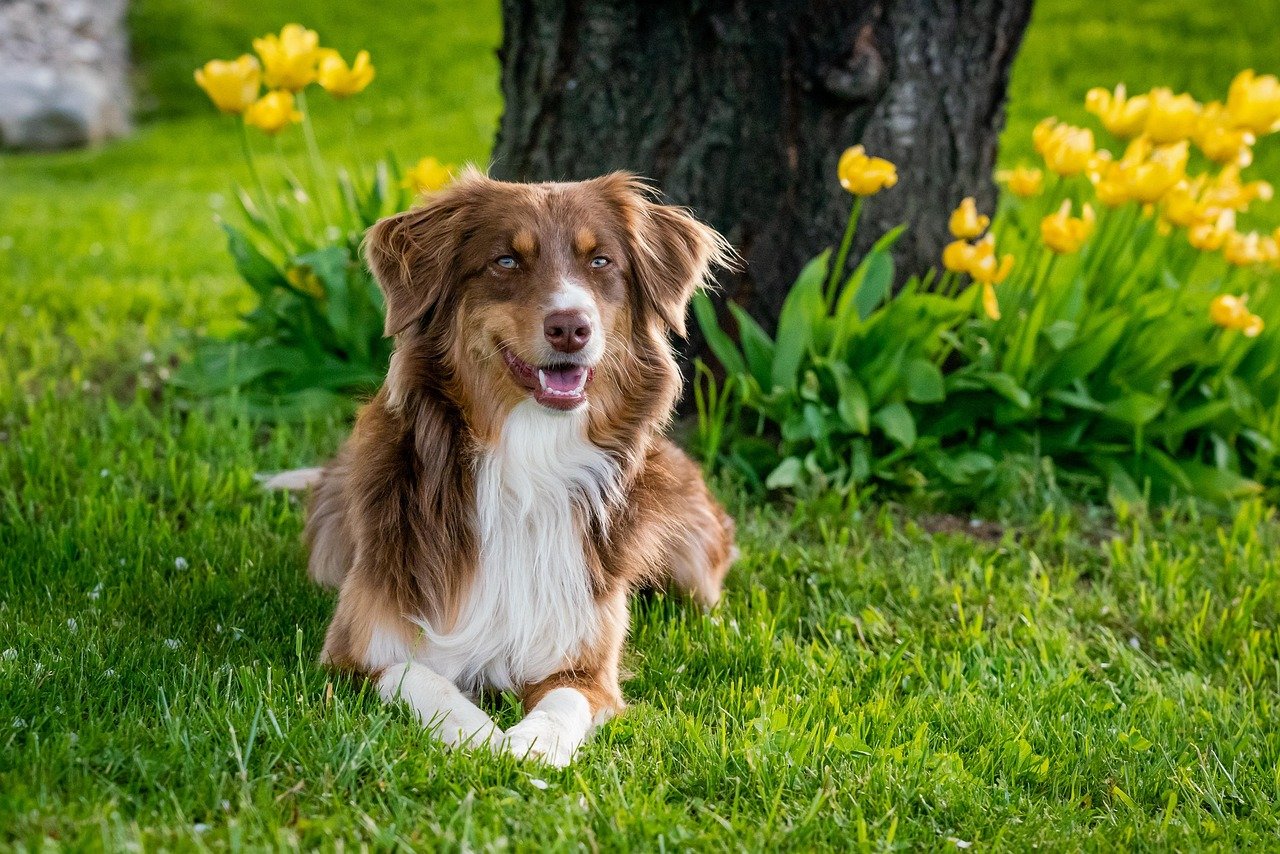
Aussies are eager to please but can become anxious or destructive if they don’t have a job. Herding kids, nipping at heels, or barking non-stop are cries for more stimulation.
Mental games, agility, and lots of playtime are lifesavers for this breed. Watch for signs of stress, like pacing or chewing, and step in with positive outlets for their boundless energy.
Cavalier King Charles Spaniel: The Heartbreaker

Cavaliers are affectionate lap dogs, but their open hearts come with a downside. They’re heartbreakingly prone to heart disease and neurological issues. Early vet screening and monitoring for coughing or fainting spells are key.
Their sweet nature means they don’t like being left alone. Separation anxiety can lead to barking, chewing, or even depression, so companionship is a must for these gentle souls.
Golden Retriever: The Friendly Shadow
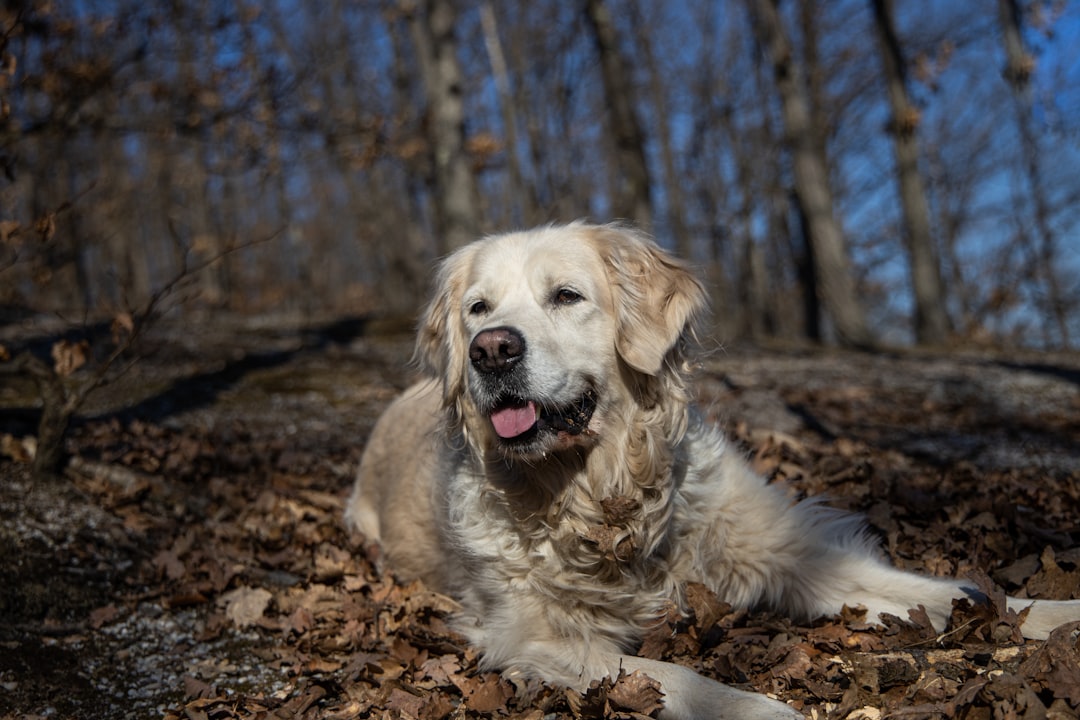
Golden Retrievers are social butterflies, but they need as much mental stimulation as they do cuddles. Without enough exercise or training, they might chew up your favorite shoes or dig up the backyard.
Watch for signs of joint pain or limping—Goldens are prone to hip dysplasia and arthritis. Keeping them at a healthy weight and scheduling regular checkups helps prevent long-term issues.
Pomeranian: The Fluffy Firecracker
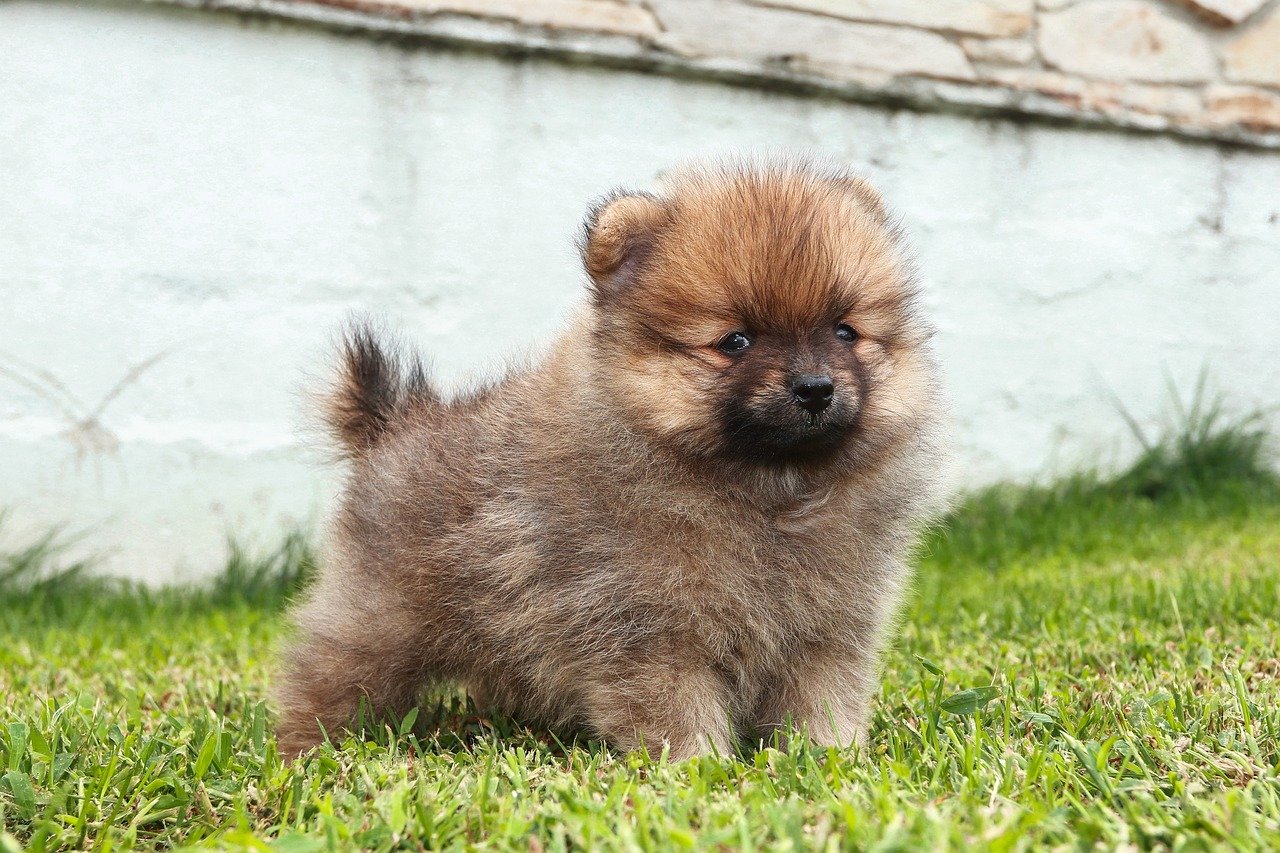
Poms are tiny but have personalities bigger than most rooms. Their barking can surprise—and annoy—neighbors, especially if not managed early. Socialization and gentle training help keep their confidence from turning into bossiness.
Dental issues and tracheal collapse are common in this breed. If your Pom starts coughing or seems reluctant to eat, a vet visit is in order. Treat their little bodies with extra care.
Bulldog: The Gentle Giant With Hidden Health Woes

Bulldogs are lovable “couch potatoes” but can suffer from a laundry list of health problems—breathing difficulties, skin infections, and joint pain. Watch for signs like wheezing, limping, or red, itchy skin.
Their stubbornness can make training a slow process. Short, positive sessions and lots of encouragement work best. Keep a close eye on their weight, and never ignore any changes in their breathing or mobility.
Conclusion
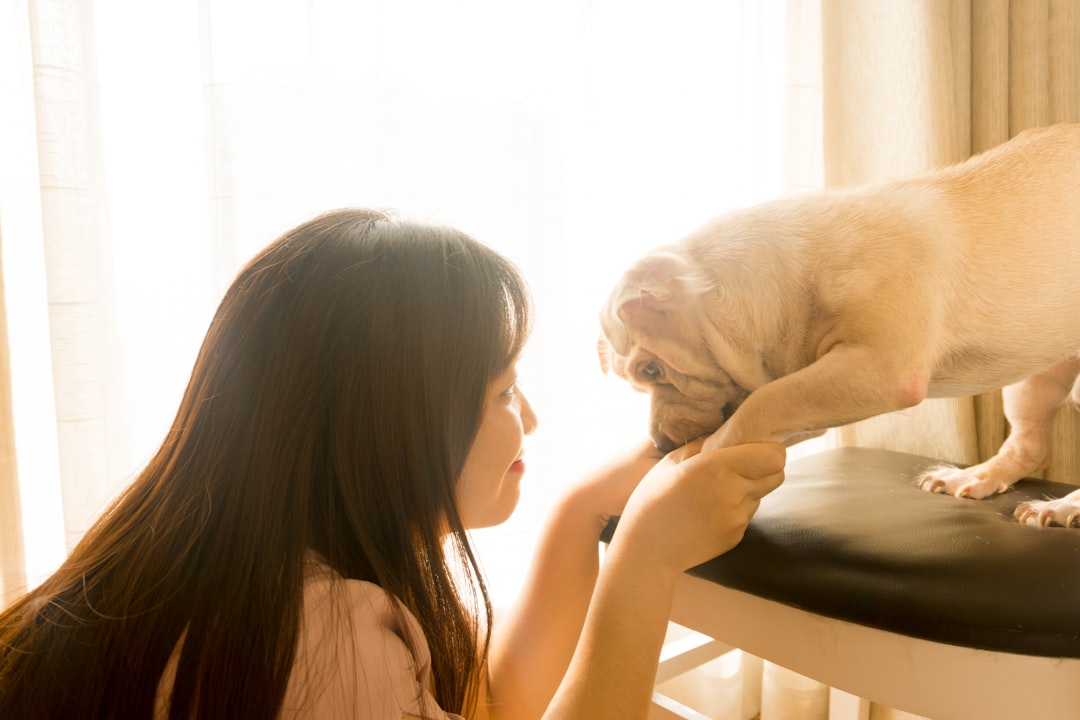
Every breed has its quirks and challenges, no matter how flawless they look on Instagram. Understanding what’s behind those adorable faces helps us give our dogs the love and care they truly need. Which of these surprising facts made you rethink what it means to be a dog parent?


