

Designer dog breeds have captured the heart of many dog enthusiasts around the globe. With their unique appearances and charming names, it’s no wonder they have become so popular. However, beneath their appealing exterior lies a world that isn’t always as glamorous as it seems. This article delves into the often overlooked aspects of designer dog breeds, shedding light on the complexities and challenges they bring.
What Are Designer Dog Breeds?
Designer dog breeds, sometimes referred to as hybrid dogs, are the result of crossing two purebred dogs. These combinations are often aimed at achieving a pet with the best traits of both breeds. Popular examples include the Labradoodle, a mix between a Labrador Retriever and a Poodle, and the Puggle, a cross between a Pug and a Beagle. The idea of mixing breeds is not new, but it has gained significant traction in recent years. While these breeds can offer unique benefits, the reality of their existence is not always as simple as it appears.
The concept of designer dogs often plays into the idea of exclusivity and personalization, much like tailored clothing or custom-made cars. People are drawn to owning something unique and special. However, breeding two different dog breeds doesn’t always guarantee the best of both worlds. Sometimes, the resulting puppies can inherit the less desirable traits of both parent breeds. This unpredictability is a key aspect of the dark side of designer dog breeds.
The Allure of Uniqueness

One of the primary reasons people are drawn to designer dog breeds is their sense of individuality. Each dog can have a distinct appearance, making them stand out from the traditional purebred dogs. This uniqueness is often amplified by imaginative names and marketing strategies that make them sound even more appealing. It’s like having a one-of-a-kind piece of art, something that no one else has.
However, the allure of uniqueness can sometimes overshadow the potential downsides. Owners may find themselves dealing with unexpected health or behavioral issues that arise from the genetic mix. Just because a dog looks different doesn’t mean it will have a perfect personality or be free from hereditary problems. The pursuit of uniqueness can sometimes lead to challenges that owners are not prepared for, turning the dream of owning a designer dog into a complicated reality.
Health Concerns and Genetic Disorders
Designer dog breeds are often marketed as healthier alternatives to purebreds, thanks to the genetic diversity that crossbreeding is supposed to bring. Unfortunately, this isn’t always the case. Many designer dogs suffer from the same genetic disorders that affect their purebred parents. For instance, a Labradoodle might inherit hip dysplasia from its Labrador parent or progressive retinal atrophy from its Poodle parent.
Moreover, the rapid rise in demand for designer dogs has led to irresponsible breeding practices. Breeders sometimes prioritize appearance over health, resulting in puppies that may look adorable but are plagued with health issues. These problems can lead to expensive veterinary bills and emotional distress for the owners, adding a layer of complexity to the seemingly simple choice of adopting a designer breed.
Ethical Breeding Practices

The popularity of designer dog breeds has spurred a rise in breeding operations, but not all of these are ethical. Some breeders are more interested in making a profit than ensuring the health and well-being of the dogs. Puppy mills and backyard breeders often cut corners, ignoring the importance of genetic testing and proper breeding practices. This can result in puppies that are born with significant health issues or behavioral problems.
Ethical breeding requires a deep understanding of genetics and a commitment to the welfare of the animals involved. Responsible breeders invest time, effort, and resources into ensuring the health of their dogs. They perform necessary health screenings and provide proper care for both the parent dogs and puppies. As potential dog owners, it’s crucial to research breeders thoroughly and ask the right questions to avoid supporting unethical breeding practices.
Behavioral Challenges

While designer dogs can be adorable and charming, they may also present unexpected behavioral challenges. Each breed has its own set of characteristics and temperaments, and mixing them doesn’t always yield predictable results. A Labradoodle, for example, might inherit the gentle nature of a Labrador but also the high energy of a Poodle, requiring more exercise and stimulation than anticipated.
Behavioral issues can also arise from the lack of understanding of the dog’s needs. Owners may be drawn to a designer breed’s appearance without fully comprehending the demands of their temperament. This can lead to frustration for both the dog and the owner, as unmet needs can manifest in destructive behaviors or anxiety. Proper training, socialization, and understanding of the dog’s background are essential to mitigate these challenges.
The Impact on Purebred Dogs
The rise of designer dog breeds has also impacted traditional purebred dogs. Many people are choosing hybrids over purebred dogs, believing them to be healthier or more fashionable. This shift in preference can lead to a decline in the popularity and preservation of certain purebred breeds, which could have long-term effects on their existence.
Moreover, the focus on designer breeds can overshadow the importance of adopting from shelters and rescues. Purebred dogs, along with mixed breeds, are often available for adoption and can make wonderful companions. By only focusing on designer breeds, potential dog owners might miss out on the opportunity to provide a loving home to a dog in need.
Cost Considerations

Designer dog breeds are often associated with high price tags. The allure of owning a unique, hybrid dog can lead to people paying substantial sums for puppies. While some might argue that the cost is justified by the novelty or exclusiveness, it’s essential to consider the long-term financial implications. Designer dogs can come with hidden costs, such as frequent vet visits, specialized diets, or behavioral training.
Additionally, the high price of designer dogs can fuel unethical breeding practices. Breeders who prioritize profit over the well-being of the animals may cut corners to produce more puppies quickly. This can result in a cycle of health and behavioral issues that ultimately cost the owner more than anticipated. It’s crucial to weigh the initial cost against potential long-term expenses and ethical considerations.
The Importance of Informed Decisions
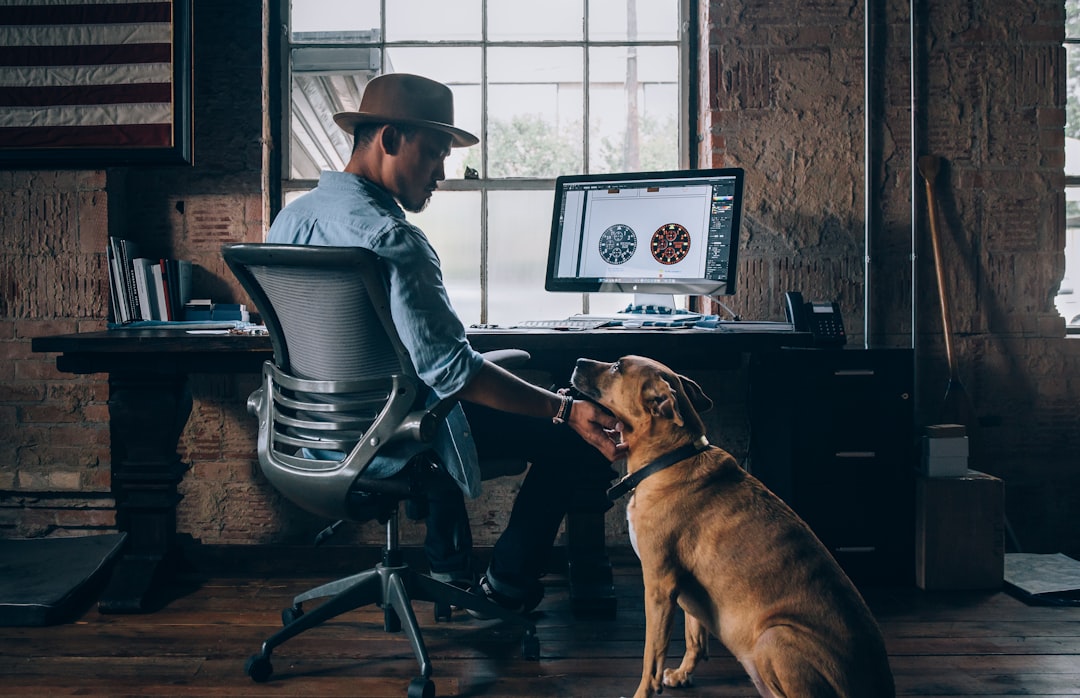
In the end, the decision to bring a designer dog breed into your home should be made with careful consideration and research. Understanding both the benefits and challenges of these breeds is crucial to making an informed choice. Potential owners should educate themselves about the specific needs and characteristics of the designer breed they are interested in, as well as the reputation of the breeder.
It’s also important to consider alternatives, such as adopting from a shelter or rescue. Many wonderful dogs are waiting for homes, and they can provide the same love and companionship as a designer breed. By making informed decisions, potential dog owners can ensure they are prepared for the responsibilities and joys of pet ownership, while also promoting ethical practices within the dog breeding community.
Born and bred in South Africa, a Capetonian at heart. Amy-Leigh’s love for nature and animals was inherited from her Dad. He loves taking the family on road trips to experience nature at its finest; Amy-Leigh’s favourite being whale watching in Hermanus and spotting Kudu along the West Coast. Amy-Leigh holds a BA in English Literature and Communication Studies.


