
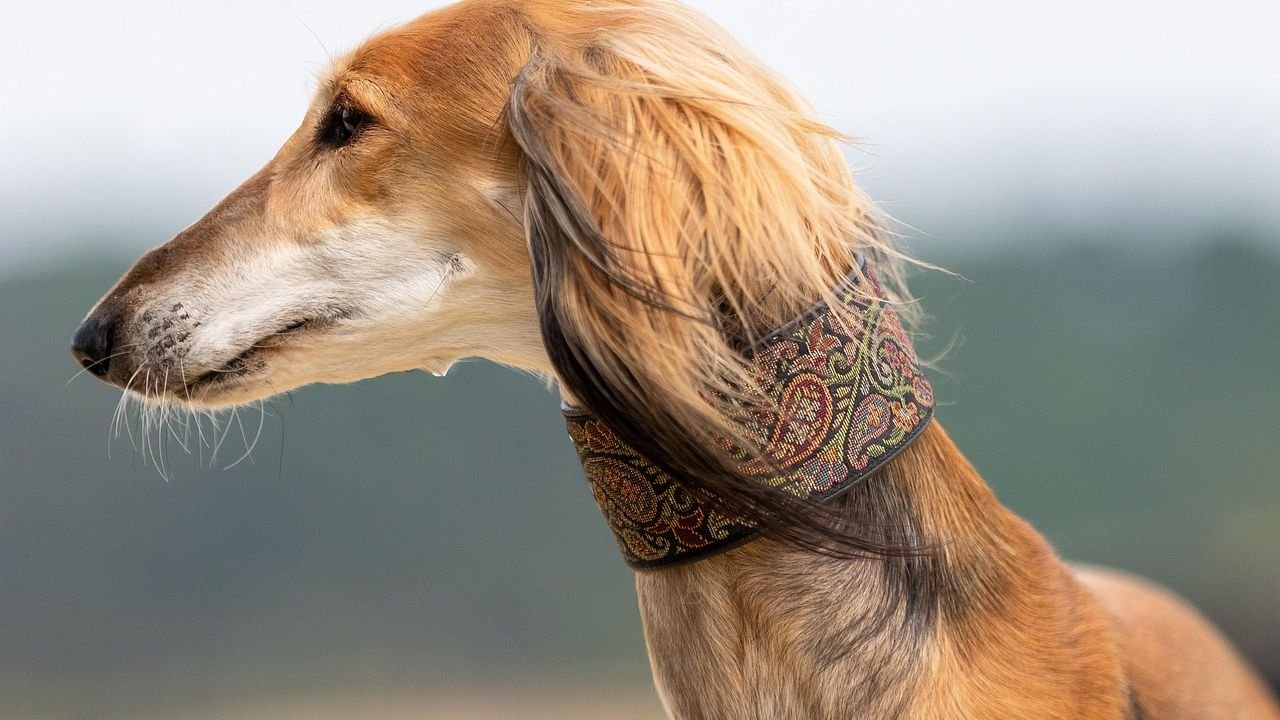
Ever wonder why some dogs thrive in the scorching heat of the American Southwest while others wilt at the first sign of summer? The desert climate can be brutal, with temperatures soaring past 110°F and intense sun beating down for hours at a stretch. Yet certain breeds seem almost designed for this harsh environment.
Let’s be real here. Not every pup is equipped to handle life in places like Arizona, New Mexico, or Southern California. Some dogs have evolved over thousands of years in hot, dry climates, giving them natural advantages that make the blazing Southwest feel like home. Their physical traits and temperaments reflect generations of adaptation to extreme conditions. So let’s dive in and discover which breeds are genuinely built for desert living.
The Chihuahua: Mexico’s Desert-Born Icon
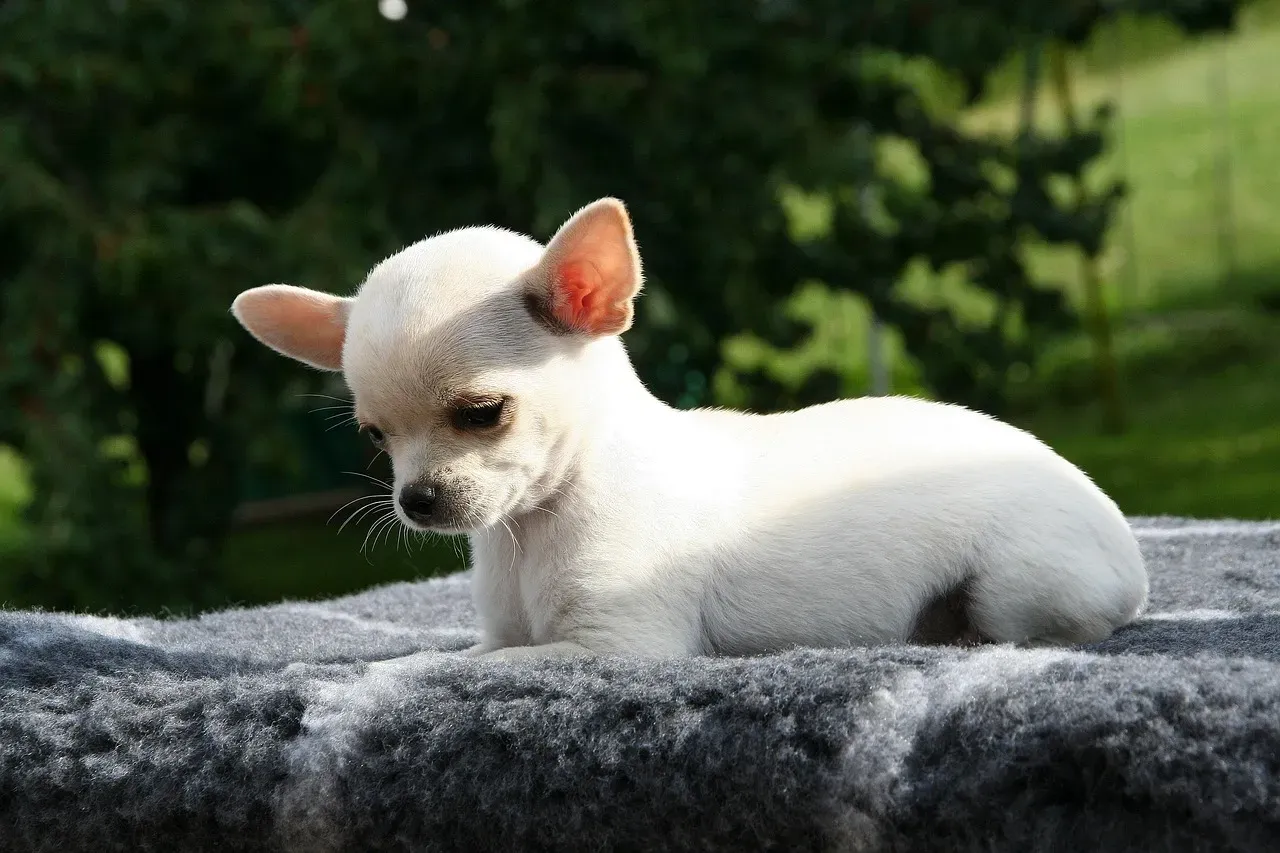
Originating in the Mexican desert, the Chihuahua is a national symbol of Mexico with a lineage dating back to the ancient kingdoms of pre-Columbian times. Think about it. These tiny dogs survived and thrived in one of the harshest environments on Earth long before air conditioning existed. Their diminutive size plays a crucial role in heat management.
Due to its small size, its body does not produce a lot of heat, and without a thick layer of fur to trap the heat, Chihuahuas can survive in hot climates pretty well. Plus, those large upright ears aren’t just adorable. Their large erect ears disperse excess heat. It’s like having built-in cooling fans attached to their heads.
I know it sounds crazy, but this breed that weighs as little as two pounds has more desert survival instincts than dogs ten times their size. This 2-to-5-pound dog with large erect ears and a thin coat seeks warmth and needs a sweater and a warm lap when the temperature drops. These pint-sized powerhouses genuinely prefer warmth over cold, making them ideal for Southwest living where winter rarely gets extreme.
A study based on sequencing of ancient dog genomes, published in 2020, suggests that this pre-colonial ancestry survives in two Mexican breeds, to the extent of about 4% in the Chihuahua. Other studies have suggested that the pre-colonial ancestry of the Chihuahua may be as high as 70%. That genetic connection to ancient Mexican dogs means their desert adaptation runs deep in their DNA.
The Xoloitzcuintli: Ancient Hairless Wonder
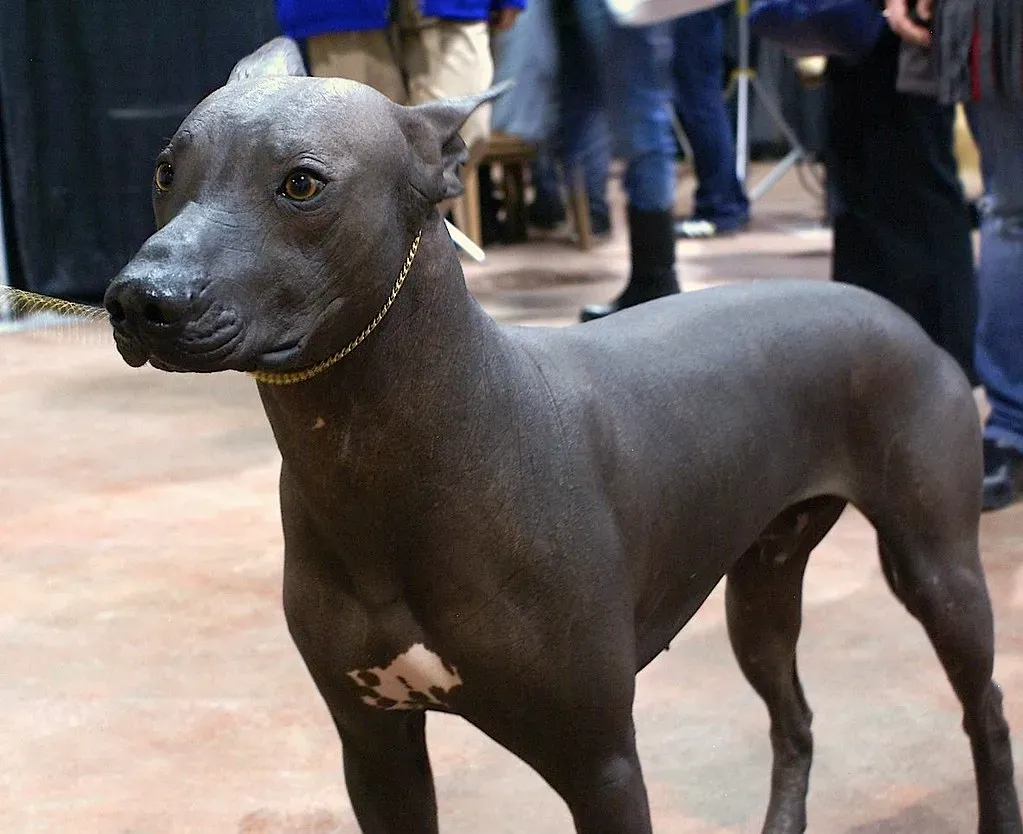
The 3,000-year-old Xoloitzcuintli (pronounced “show-low-eats-QUEENT-lee”), the ancient Aztec dog of the gods, is today a loving companion and vigilant watchdog. Here’s the thing about hairless dogs. When you don’t have fur trapping heat against your body, staying cool becomes significantly easier. The Xolo, as it’s commonly called, comes in three sizes and both hairless and coated varieties.
Xoloitzcuintli is a dog that can survive in hot weather conditions since it has minimal to no hair. This might seem like an obvious advantage, yet the adaptation goes beyond just lacking fur. Their skin has evolved to handle direct sun exposure better than many other breeds. Still, owners need to be cautious about sunburn protection during extended outdoor time.
Originating in tropical regions, the breed is unsuited to living outdoors in colder temperate or northern climates, and is best regarded as an indoor dog. That tropical origin makes them perfectly suited for the hot Southwest. The Xoloitzcuintli is now known to be one of the world’s oldest and rarest breeds, with statues identical to the hairless variety dating back over 3,000 years. These dogs have had millennia to perfect their heat tolerance.
Honestly, the Xolo represents one of the purest examples of natural selection at work. The breed developed without heavy human intervention for appearance, meaning their physical traits emerged from survival necessity rather than aesthetic preference. This ancient breed offers modern Southwest residents a living connection to pre-Columbian times while providing excellent companionship in extreme heat.
The Australian Cattle Dog: Outback Survivor
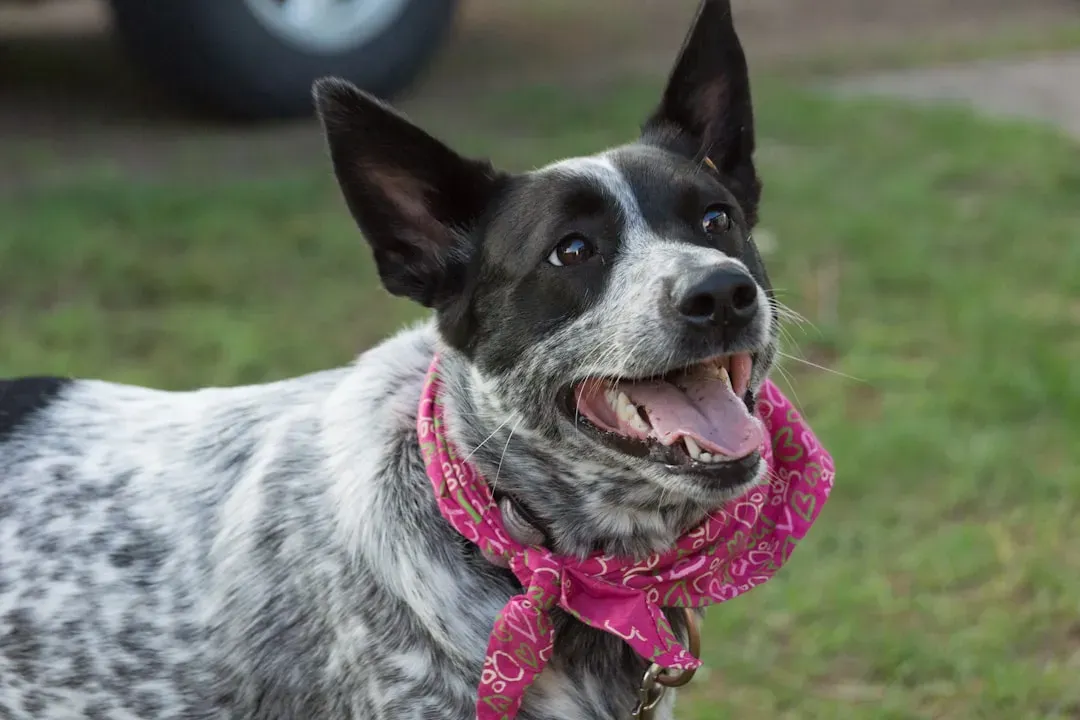
Hailing from hot weather Australia, the Australian Cattle Dog is related to the Dingo in the outback and is accustomed to working in hot weather. You might wonder how a dog bred for herding cattle in the Australian wilderness translates to Southwest living. The answer lies in their remarkable physical adaptations and genetic heritage.
The Australian Cattle Dog has tight, weather-resistant skin and a dense double coat that deflects heat and dust. Its compact, muscular body makes movement efficient on rough, dry ground. That double coat might seem counterintuitive for hot weather, yet it actually provides insulation from both heat and cold, similar to how desert peoples wear layers even in extreme heat.
This breed contains actual Dingo DNA, which contributes to its endurance and survival instincts in dry climates. That wild dog ancestry gives them a serious edge when it comes to thriving in harsh conditions. Selective breeding created a dog that conserves water through efficient respiration and energy output. They can tolerate long hours in the sun without showing visible fatigue.
These working dogs were specifically developed to manage cattle across vast Australian outback stations where shade was scarce and water sources spread far apart. Their natural toughness and heat tolerance make them exceptional companions for active Southwest residents who enjoy outdoor adventures even when temperatures climb. Just make sure they get plenty of exercise and mental stimulation to keep them happy.
The Basenji: Africa’s Barkless Desert Hunter
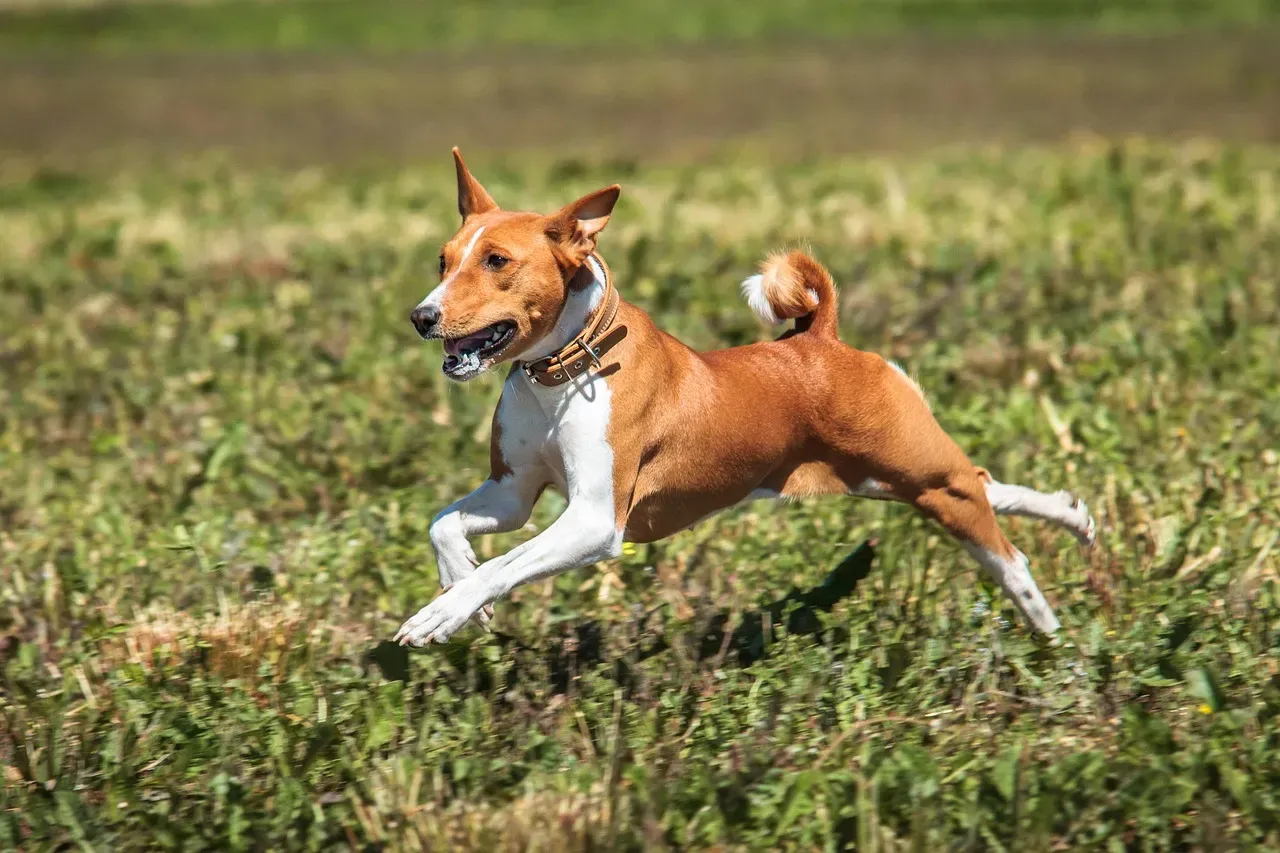
Basenjis are small hunting dogs first brought from interior Africa and given to the pharaohs of Ancient Egypt. This breed hails from Central Africa, where scorching temperatures and limited water defined daily life. Because the breed originates in the Congo, they’re naturally designed to tolerate hot weather. Their compact build and short coat help them regulate temperature efficiently.
With an ancestry that has survived in the harsh deserts of the African climate for centuries, it’s, therefore, no surprise that Basenjis is genetically capable of coping with hot climates. These dogs developed over thousands of years in conditions remarkably similar to the American Southwest. The breed’s short, fine coat is chestnut red, black, tricolor, or brindle with white legs and feet. Small erect ears help keep the dog cool in hot weather.
Some people feel the large ears may help to dissipate heat. Those prominent ears function like radiators, allowing excess body heat to escape efficiently. One unique characteristic of Basenjis is their catlike grooming behavior, which keeps their coat clean and helps remove dirt that could trap heat against their skin.
This breed might be perfect for Southwest living, though they absolutely despise rain and cold weather. Conversely, Basenjis can’t tolerate cold weather, and absolutely hate the rain. If you live somewhere that’s hot and dry most of the year, the Basenji will feel right at home. Their intelligence and independence make them fascinating companions, though training requires patience and consistency.
The Carolina Dog: America’s Primitive Survivor
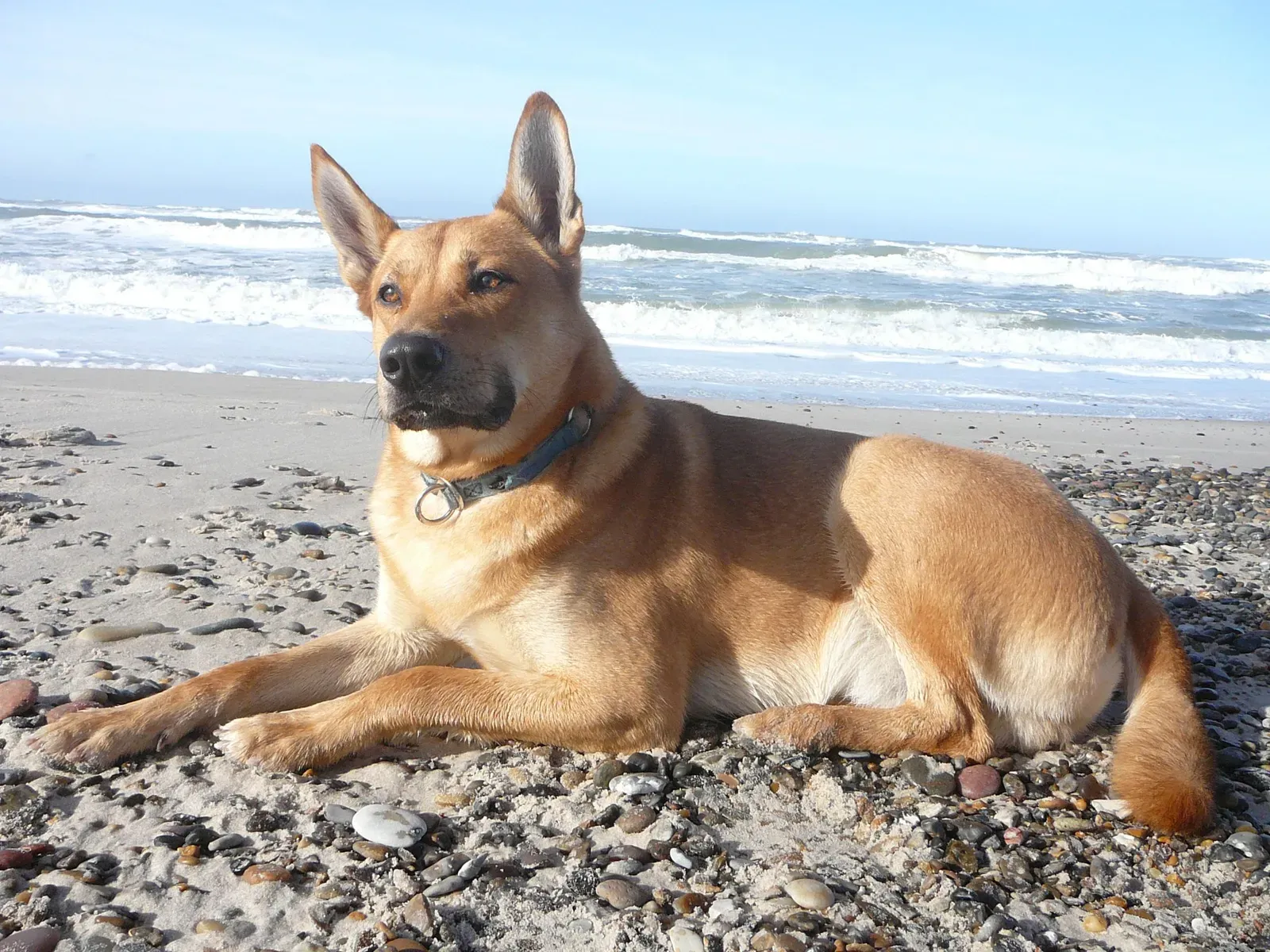
The Carolina dog, also known as a yellow dog, yaller dog, American dingo, or Dixie dingo, is a breed of medium-sized dog occasionally found feral in the Southeastern United States, especially in isolated stretches of longleaf pines and cypress swamps. This rare breed might surprise you as a desert dog candidate, yet their primitive nature and adaptability make them excellent heat handlers.
Climate tolerance spans wide ranges due to their southeastern origins. They handle heat better than cold-weather breeds like the Siberian Husky. Moreover, some breeds have evolved in regions with hot climates, equipping them with natural adaptations to thrive in warm weather conditions. These breeds have developed unique features such as hairless or short coats, as well as physiological traits that aid in heat tolerance.
DNA evidence links them to prehistoric Asian dogs that crossed land bridges with early humans, making them living fossils of canine evolution. That ancient lineage means they’ve survived without modern conveniences for potentially thousands of years. Their natural selection gave them resilience that many modern breeds simply lack.
What really sets Carolina Dogs apart is their pack-oriented nature and remarkable survival instincts. Over time, the feral dogs along the Georgia/South Carolina border became very well adapted to their environment. These dogs became the unique type now known as a Carolina Dog. They developed behavioral and biological features that are unknown in any other canine population. Their resourcefulness and heat tolerance translate beautifully to Southwest desert environments where adaptability equals survival.
The Saluki: Middle Eastern Speed Demon
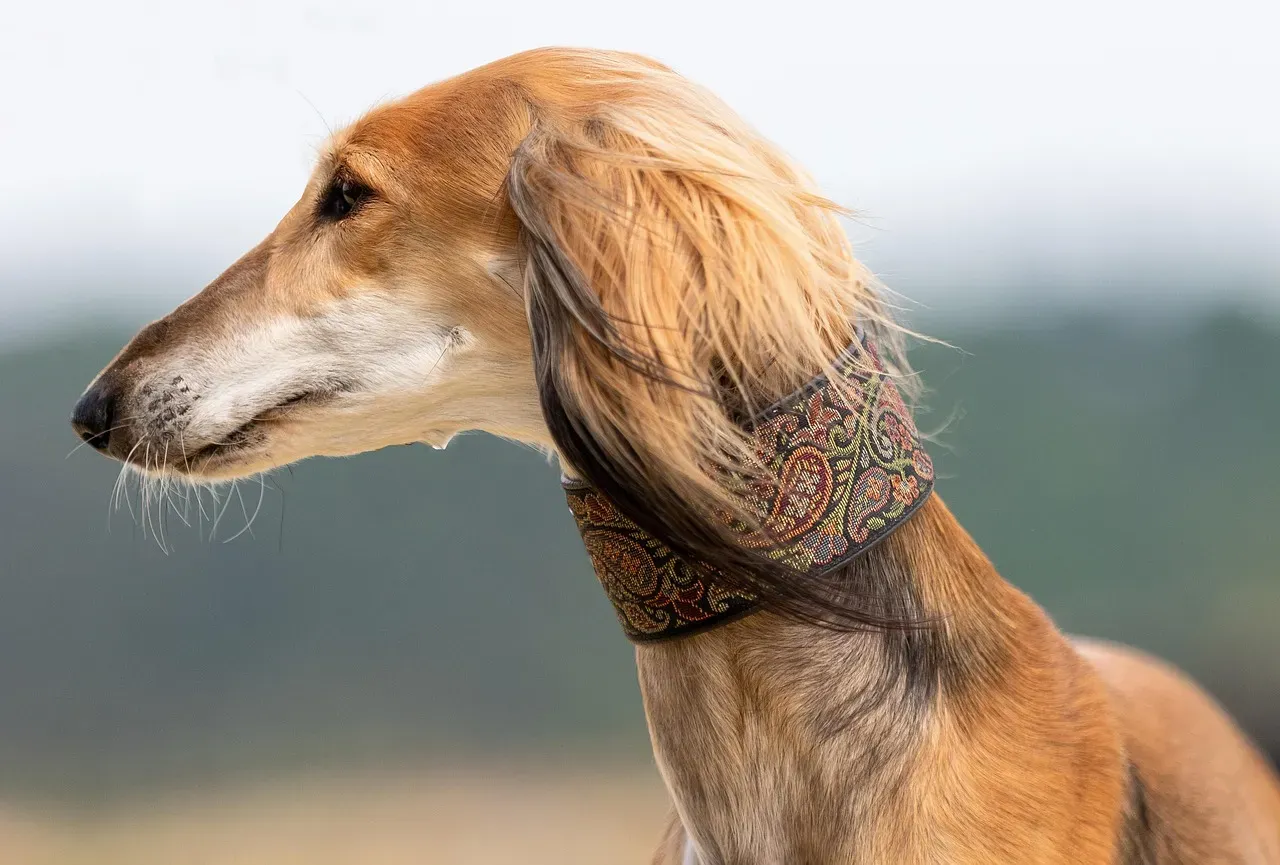
The Saluki, one of the oldest dog breeds, is well-adapted to desert life. Originally bred in the Middle East for hunting, they have a slender build and long legs, which help keep them cool and enable them to move swiftly over hot sand. When you think about dogs built specifically for desert conditions, the Saluki represents the gold standard.
Like most sighthounds, the Saluki is slim and elegant, and has a short, silky coat that allows air to circulate rather than trapping it as an insulating layer. Salukis also have an inbuilt cooling system that makes them superior to many other breeds – they have more sweat glands in their paws, which enables them to dissipate heat. That’s seriously impressive engineering from Mother Nature.
Salukis are one of the oldest dog breeds in the world, with their history dating back to at least 7,000 BC. They were originally bred in the Middle East, where they were used for hunting gazelle and other small game in hot desert climates. Salukis are known for their speed and endurance, and they are able to run for long distances at high speeds. Their short, fine coat does not trap heat, which helps them to stay cool in hot weather.
These elegant sighthounds combine beauty with function in ways few breeds can match. Their lean physique, minimal body fat, and exceptional cardiovascular efficiency allow them to perform at peak levels even when temperatures soar. For Southwest residents seeking an athletic companion that won’t wilt in summer heat, the Saluki delivers both grace and endurance. They require significant exercise though, so sedentary owners might find them challenging.
Conclusion
The Southwest’s desert climate demands more from our canine companions than temperate regions ever could. These six breeds bring thousands of years of natural adaptation to the table, offering modern dog lovers proven solutions for hot-climate living. From the tiny Chihuahua to the elegant Saluki, each breed demonstrates unique physiological advantages developed through generations of desert survival.
Here’s what really matters though. Even heat-adapted breeds need proper care during extreme temperatures. Always provide shade, fresh water, and limit outdoor activities during peak heat hours. Desert-adapted doesn’t mean invincible. These remarkable dogs thrive in the Southwest not despite the heat, but because their bodies evolved specifically to handle it.
Which of these ancient breeds surprised you most? Have you encountered any of them thriving in your Southwest neighborhood? Share your experiences in the comments below.


