
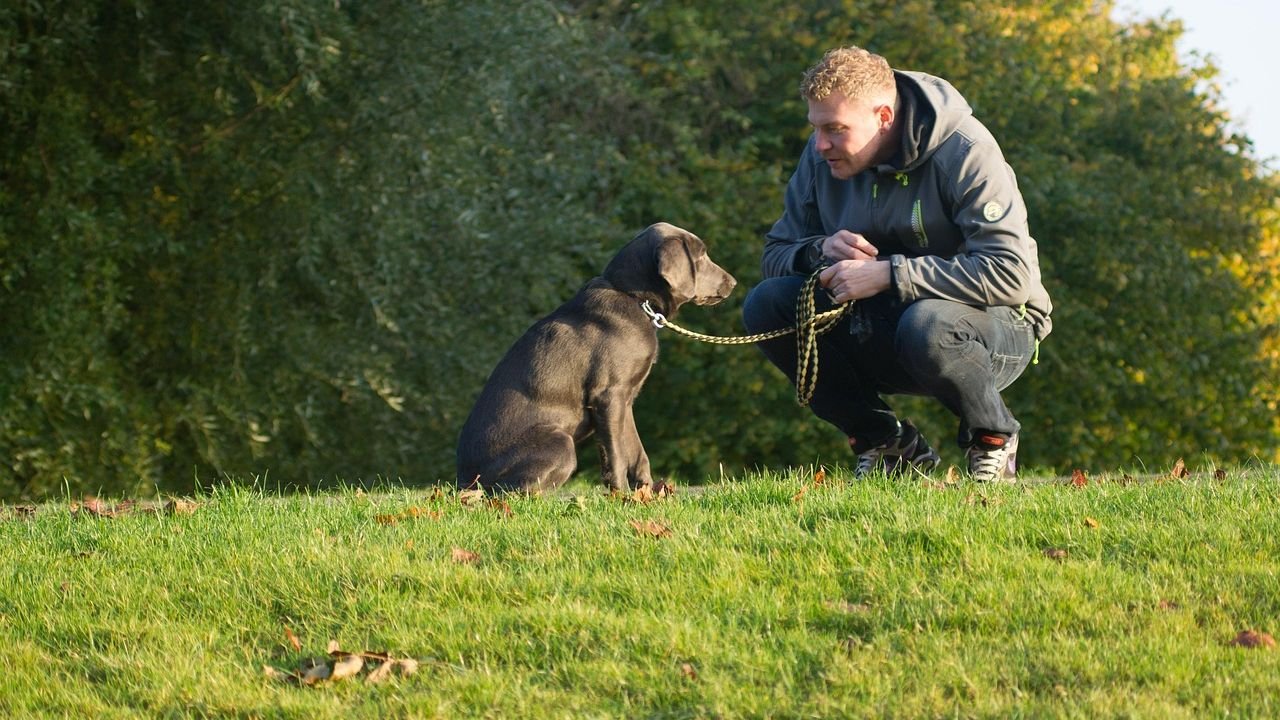
Picture this: you’ve just come home after a long day, and your dog bolts to the door, wiggles uncontrollably, and drops a toy at your feet. Is that dog “challenging your authority”? Is that a power move? Of course not. That’s a living creature deeply bonded to you, just thrilled you walked through the door.
Yet for decades, millions of dog owners were told to respond to moments like this with dominance, control, and force. They were taught their dog was plotting to take over the household and that the only way to stop it was to be the “alpha.” It sounds almost laughable now. Almost. The truth is, that philosophy caused real harm, and understanding why matters more than ever. Let’s dive in.
Where Did the “Alpha Dog” Myth Even Come From?

Here’s a wild piece of history most dog lovers don’t know: the entire idea of the “alpha” dog wasn’t even based on dogs. Back in the 1940s, a Swiss animal behaviorist named Rudolph Schenkel was observing wolves in captivity and noticed something striking – these wolves seemed to be constantly fighting for dominance, with clear “alpha” leaders emerging through aggressive confrontations. The problem? These were captive, unrelated wolves crammed together in an artificial environment, not a natural family unit.
Those early studies were based on groups of captive wolves forced to form artificial groups and share the same territory and resources, which inevitably led them to compete over these resources through aggression. Think about it like this: if you locked strangers from different cities together in one house with limited food, you’d probably get chaos too. That wouldn’t tell you much about how real families operate.
Enter David Mech, a wildlife biologist who initially helped popularize the alpha theory through his 1970 book “The Wolf: Ecology and Behavior of an Endangered Species.” For years, this book became the bible of wolf behavior, and its ideas bled directly into dog training. By the 1990s, Mech himself disavowed the alpha wolf idea, publicly stating that his earlier conclusions were incorrect and even asked publishers to stop printing his original book. The man who helped start the myth tried to end it. Sadly, the myth outlived the correction.
Why Your Dog Is Not Trying to Take Over Your Life

The idea that we need to be “alpha” or dominant over our dogs has been around for decades, but modern science shows that this approach is not only outdated but can be detrimental to a dog’s well-being. Let’s be real: your dog stealing your spot on the sofa is not a political coup. It’s a warm spot on a comfy surface.
The scientific community has moved away from dominance theory as a primary explanation for canine aggression, recognizing that aggression is now seen as a multifaceted issue, most often rooted in fear, anxiety, or confusion rather than a desire to assert dominance. In other words, that growling dog at the food bowl? Probably scared, not strategic.
In reality, truly dominant dogs are calm and confident. They have very few behavior problems and do not need to use aggression to get what they want. It is the fearful and insecure dogs that exhibit the aggressive behaviors. Once you see your dog’s behavior through that lens, everything changes. You stop fighting and start listening.
The Real Damage Dominance Training Does to Your Dog

Training based on dominance often involves forceful or confrontational techniques, like leash corrections, “alpha rolls,” or even scolding and intimidation – and studies have shown that these methods can lead to increased stress, anxiety, and even aggression in dogs. Honestly, that’s heartbreaking to read, especially knowing how many owners used these methods with the best of intentions.
Dogs trained using aversive training methods were found to be 15 times more likely to show symptoms of stress than those who were trained using positive reinforcement. Fifteen times more stressed. That’s not a small difference – that’s a completely different emotional life for your dog.
Dominance-based training can lead to negative outcomes such as fear, anxiety, and aggression in dogs. It employs intimidating techniques that can erode the trust and bond between dogs and their owners. Think of it like a friendship built on fear of consequences versus one built on warmth and reliability. One of those relationships is fragile and hollow. The other is something truly beautiful.
What Partnership Training Actually Looks Like in Real Life
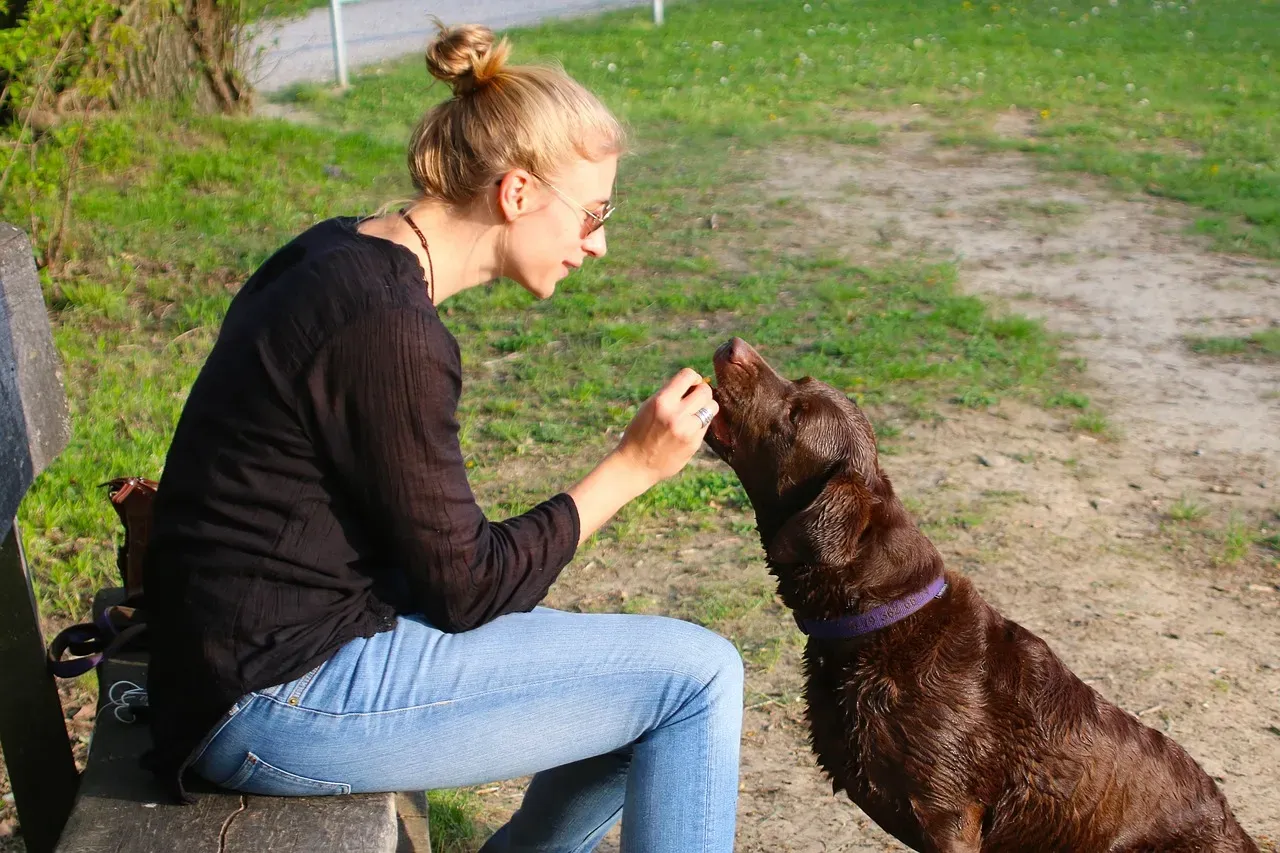
Positive reinforcement focuses on teaching dogs what to do rather than what not to do, making learning a safe, enjoyable process. That sounds simple, but the shift in mindset is genuinely profound. Instead of waiting to catch your dog doing something wrong, you start noticing every small right thing they do.
When dogs receive a treat or praise, their brains release dopamine, a neurotransmitter associated with pleasure, reward, and motivation. Over time, the behavior that leads to this pleasurable outcome becomes more ingrained, thanks to these neurochemical pathways. Basically, you’re not bribing your dog. You’re building habits through chemistry. Pretty cool when you think about it.
Dogs trained with positive reinforcement were quicker to learn new tasks and commands compared to those trained with punishment-based methods. Additionally, dogs trained with positive reinforcement retained the learned behaviors for longer periods, indicating a stronger and more lasting learning effect. Faster results. Happier dog. Stronger bond. There really isn’t a downside here.
Building a Bond That Actually Lasts
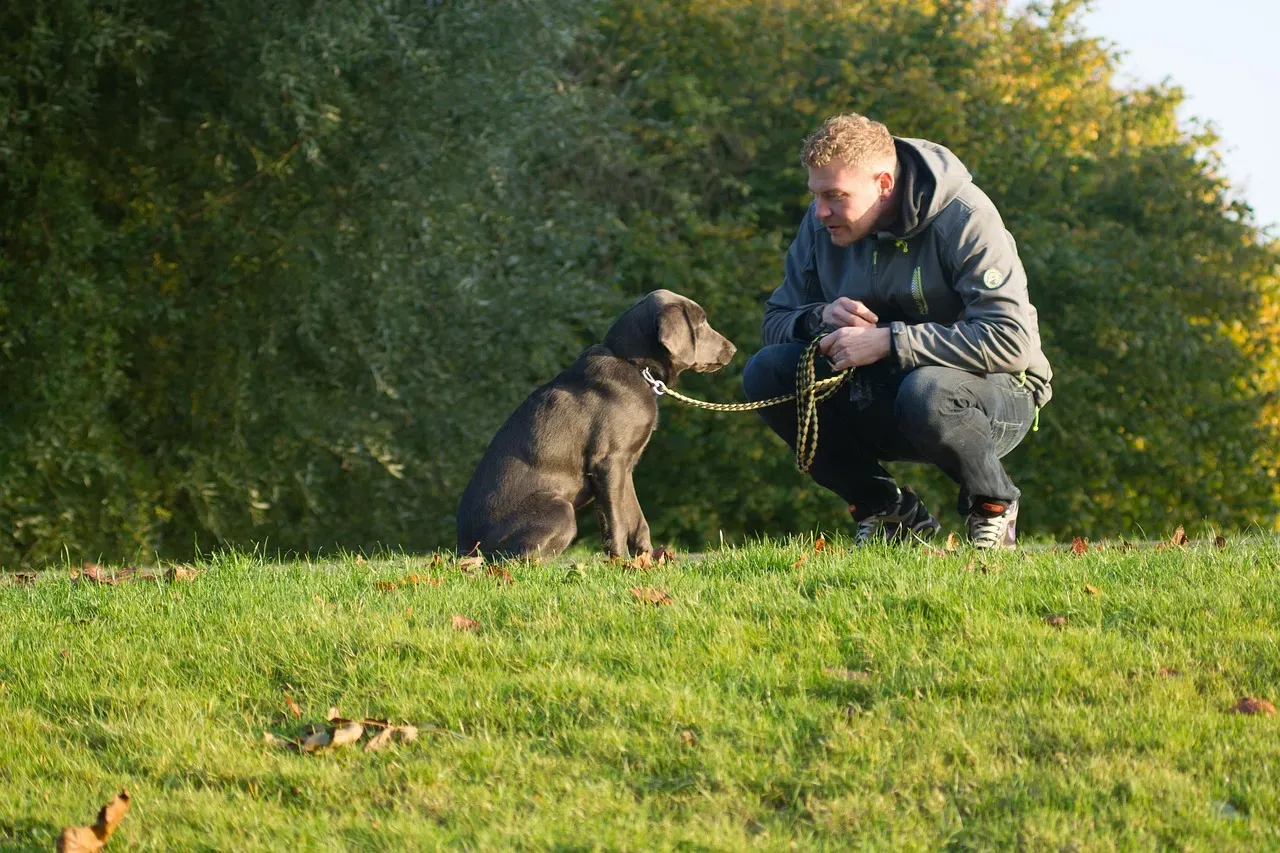
Dogs are motivated to live alongside us. They seek out interactions with humans, look for help from humans, and observe our social cues. This is the part I find most moving about dogs. They’re not your adversary. They came pre-wired to connect with you. The relationship you build with them is entirely your choice to shape.
Positive reinforcement fosters a stronger bond between dog and owner, built on trust and mutual respect. When training sessions focus on rewarding desired behaviors, dogs are more likely to view their owners as sources of positive experiences rather than fear or discomfort. Imagine your dog seeing you walk into a room and feeling genuine joy, not apprehension. That’s the goal.
Trust is the foundation of a good relationship with any animal. When we use positive reinforcement, we show our dogs that they’re safe with us, that we’re consistent and kind, and that they can rely on us for guidance. That’s not weakness. That’s leadership that actually works – the kind that doesn’t need fear to hold it up.
Conclusion: Your Dog Deserves a Partner, Not a Boss

The science is settled. The debate is over. Dominance theory is a relic of the past that has no place in modern dog training. It has been debunked by decades of research and replaced by methods that respect dogs as intelligent, sentient beings capable of learning through positive reinforcement.
If you’ve used dominance-based methods in the past, please let go of any guilt. Most of us were taught that way. What matters now is what you do next. Instead of fear-based training, learn what actually motivates your dog and use this to create a relationship based on trust, using science-based strategies such as positive reinforcement, desensitization, and counter-conditioning.
Your dog is not your subordinate. They’re your companion, your shadow on walks, your comfort on hard days, your reason to come home. They deserve a relationship built on kindness, clarity, and trust. Start there, and everything else will follow. What kind of partner do you want to be to your dog? Share your thoughts in the comments below.


