

Retirement opens the door to so many possibilities. More time, more freedom, and a chance to finally slow down. Yet for some people who enter this stage of life, it can bring unexpected emptiness too. The house feels quieter. Social circles sometimes shrink. Daily routines lose their rhythm.
Here’s something worth considering: a dog might be one of the most meaningful companions you could invite into this new chapter. Not just for the wagging tail or those soulful eyes, though those certainly help. I’m talking about something deeper. Let’s explore what happens when someone over sixty opens their heart and home to a four-legged friend.
Easing Loneliness in Ways That Truly Matter
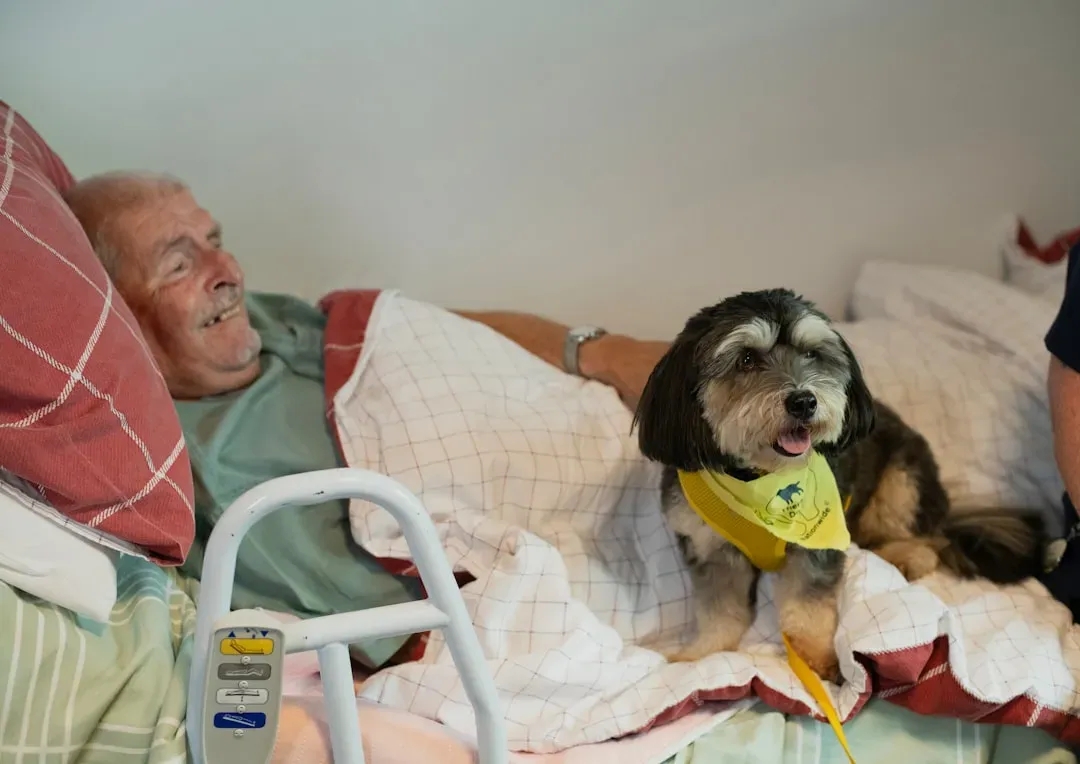
Research shows that those living with pets were 36% less likely than non-pet owners to report loneliness, even after adjusting for other factors. That’s not just feel-good fluff. It’s real science backing up what dog lovers have always known in their bones.
I think what strikes me most is how immediate this effect can be. A dog doesn’t judge whether you had a successful career or worry about your bank account. They’re present in a way that cuts through isolation like nothing else. When you’re caring for another living being, feeding them, walking them, simply being with them, you step outside yourself.
Loneliness isn’t just about being alone. It’s about feeling disconnected. Senior dogs typically exude a calm and appreciative demeanor, forming deep connections with their adopters and displaying a level of gratitude and loyalty that is palpable. That bond becomes your anchor.
Finding Purpose Through Daily Routines
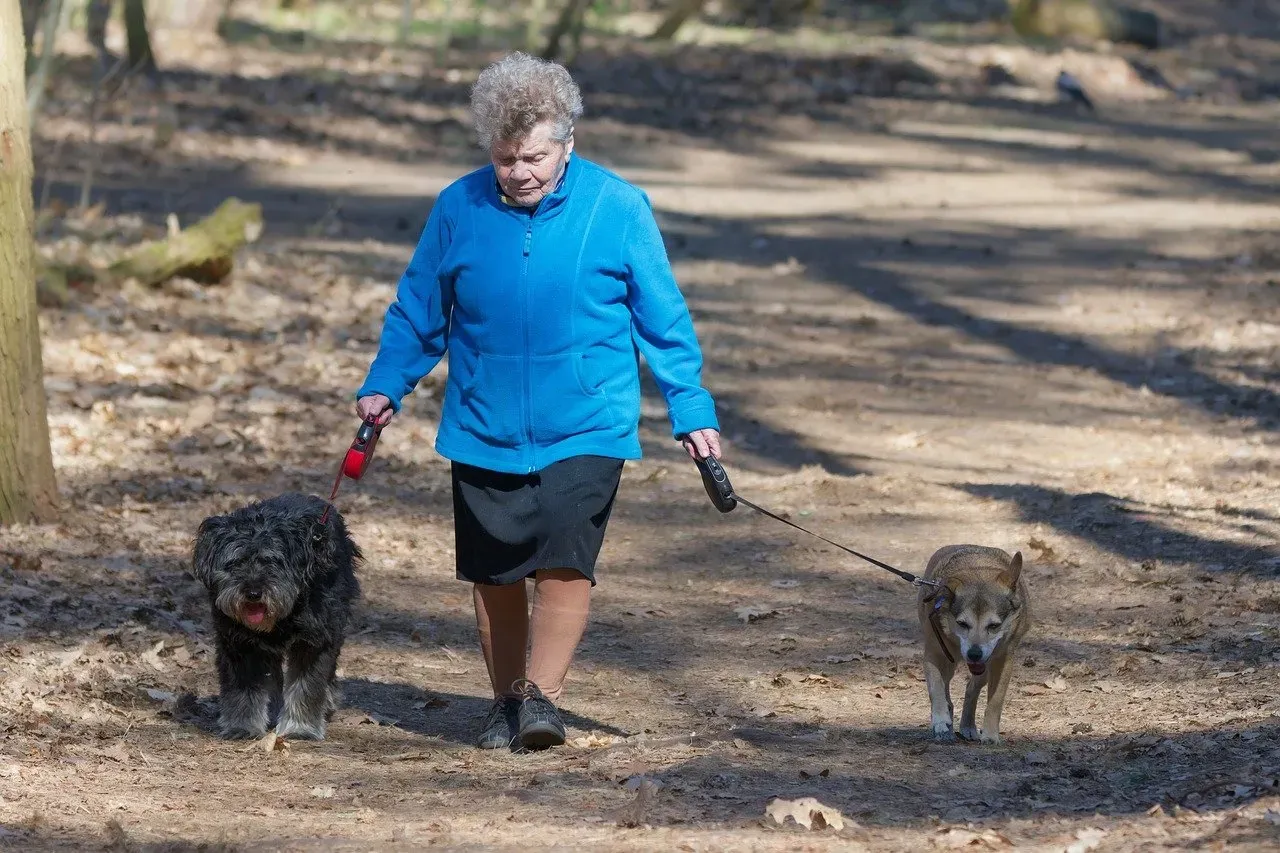
Let’s be real: retirement can feel aimless at first. Suddenly there’s no morning alarm, no meetings, no structure. A dog changes that instantly. They need breakfast. They need walks. They need attention and care. These aren’t burdens when you hit your sixties. They’re lifelines.
Caring for a dog with activities such as feeding, grooming, and walking helps a person stay active mentally, and thus enhances their quality of life. Think about it. Instead of wondering how to fill the hours, you have a companion who needs you. Who relies on you. Who gives your days meaning.
The beauty here is simplicity. Dogs don’t demand grand gestures. A short stroll around the block, a game of fetch in the yard, brushing their coat while you sit together in the evening. These small rituals create a framework that keeps you engaged with life itself.
Physical Health Benefits That Extend Your Years
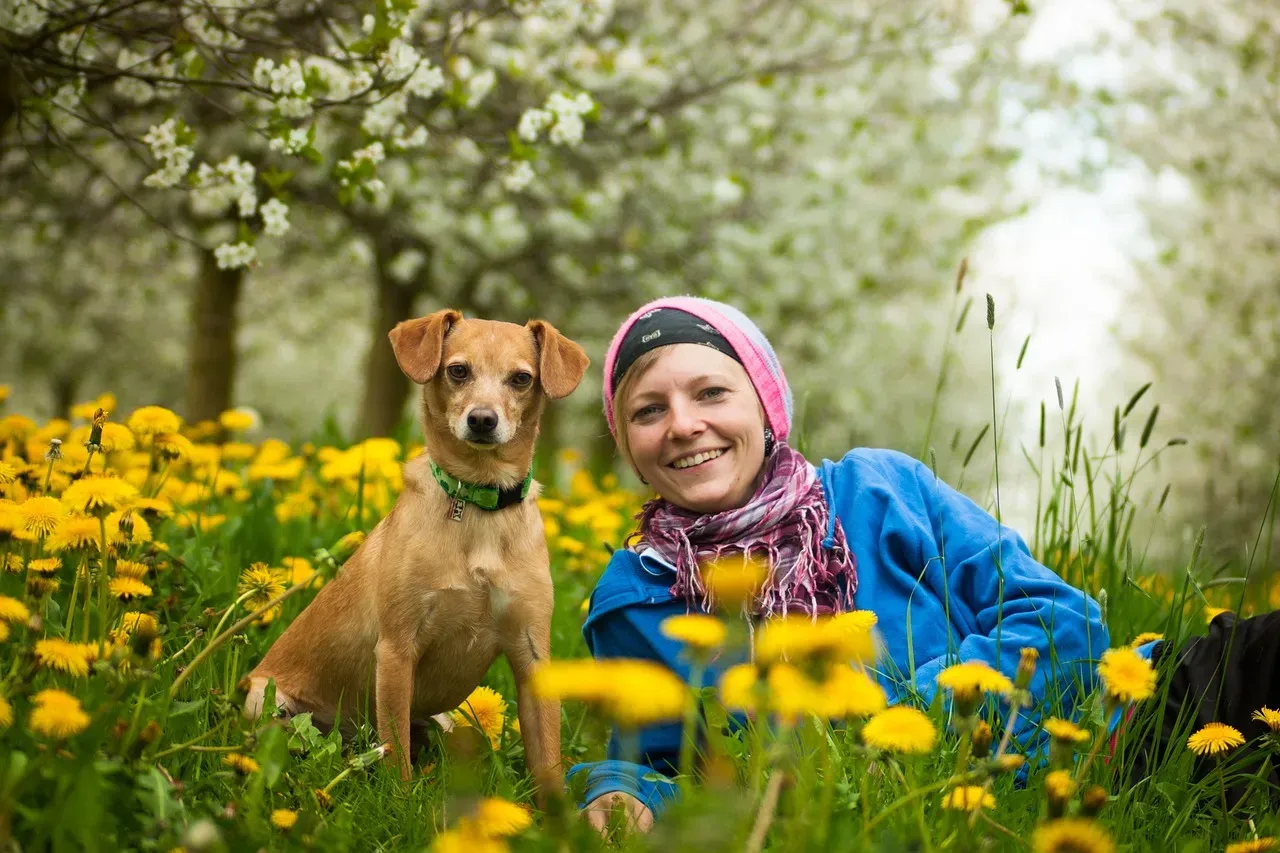
Honestly, one of the most remarkable things about dog ownership after sixty is how it quietly improves your physical health. Dog owners show an average effect of 22 additional minutes spent walking and 2760 additional steps per day, with this additional walking undertaken at a moderate intensity cadence.
Dog ownership has been linked with a reduction in cardiovascular disease risk factors, and the American Heart Association recognizes the connection between pet ownership and good heart health. We’re not talking about marathon training. Just consistent, gentle movement that happens naturally when you have a pup who’s excited to explore the world with you.
Dog walking is associated with lower body mass index, fewer doctor visits, more frequent exercise and an increase in social benefits for seniors. The exercise doesn’t feel like exercise. It feels like spending time with your best friend. That difference matters more than you might think.
Sharpening the Mind While Softening the Heart
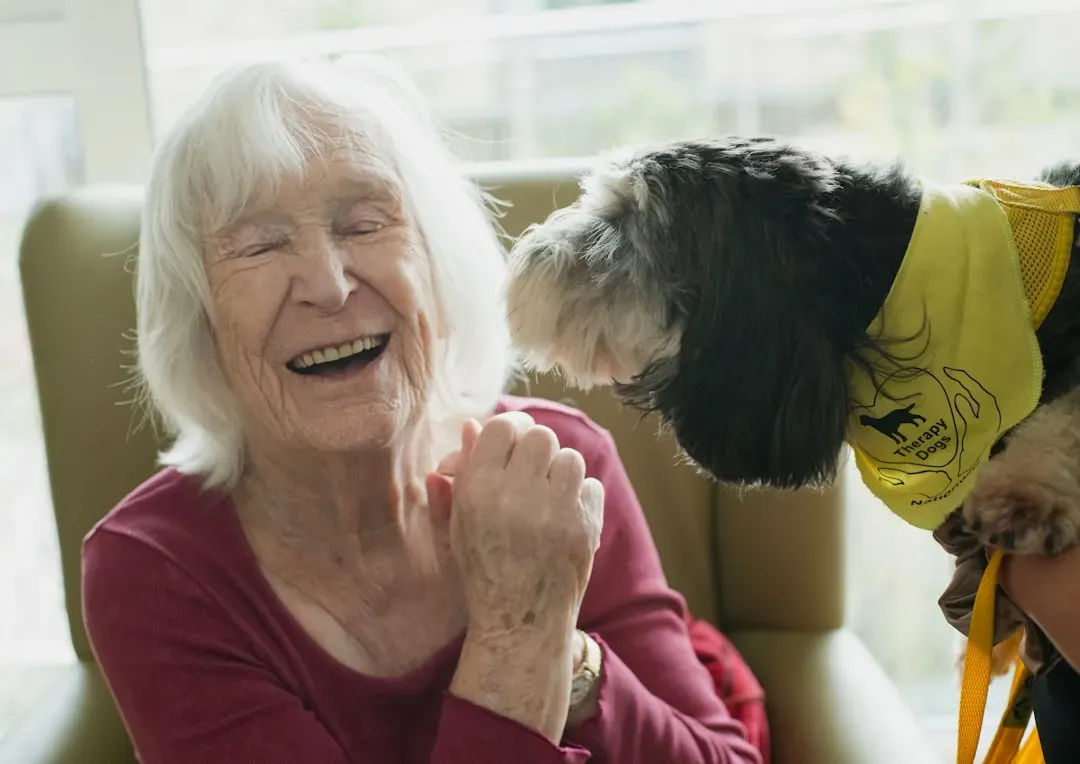
Pet ownership can help slow cognitive decline and prevent dementia in older adults, with research finding that among those living alone, having a pet was associated with a slower rate of cognitive decline. That’s a staggering benefit wrapped up in something as simple as companionship.
Your brain stays active when you’re caring for a dog. You’re planning walks, remembering feeding times, learning their signals and behaviors. Studies have shown that among older adults who live alone, having a pet is associated with a slower rate of cognitive decline, and dog owners have a lower risk of dementia compared to non-dog owners.
Here’s what I find fascinating: it’s not just about memory tasks. Dogs bring spontaneity and joy into predictable days. They make you laugh when they do something goofy. They keep you present and engaged with the moment instead of drifting into passive routines.
Building Social Connections You Didn’t Expect
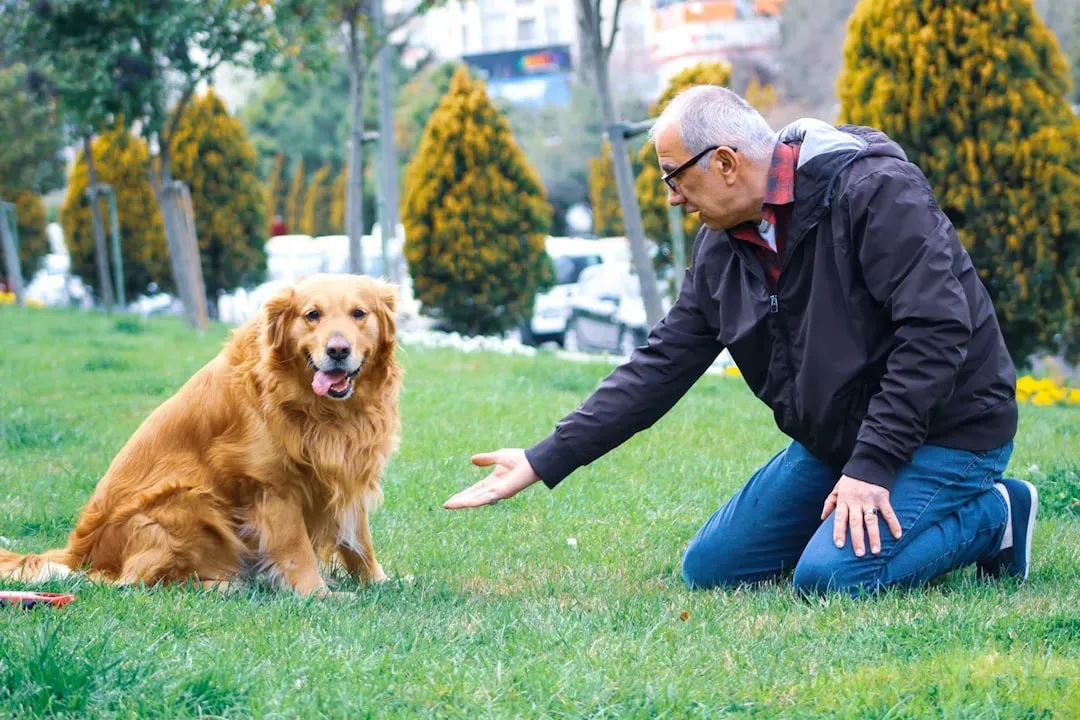
If you’ve felt your social circle shrinking as you’ve gotten older, a dog can be the world’s best icebreaker. Walking with a dog results in a significantly higher number of chance conversations with complete strangers than walking alone. Suddenly you’re chatting with neighbors, meeting other dog owners at the park, exchanging stories at the vet’s office.
This isn’t forced socialization. It happens organically. People smile at dogs. They stop to ask about breeds or share stories about their own pets. Before you know it, you’ve made friends you never would have met otherwise.
Older adults who walk their dogs may experience benefits such as greater community engagement, positive feelings about their neighborhoods, and social benefits. Your dog becomes your social ambassador, opening doors and creating connections in the most natural way possible.
The Unique Joy of Adopting a Senior Dog
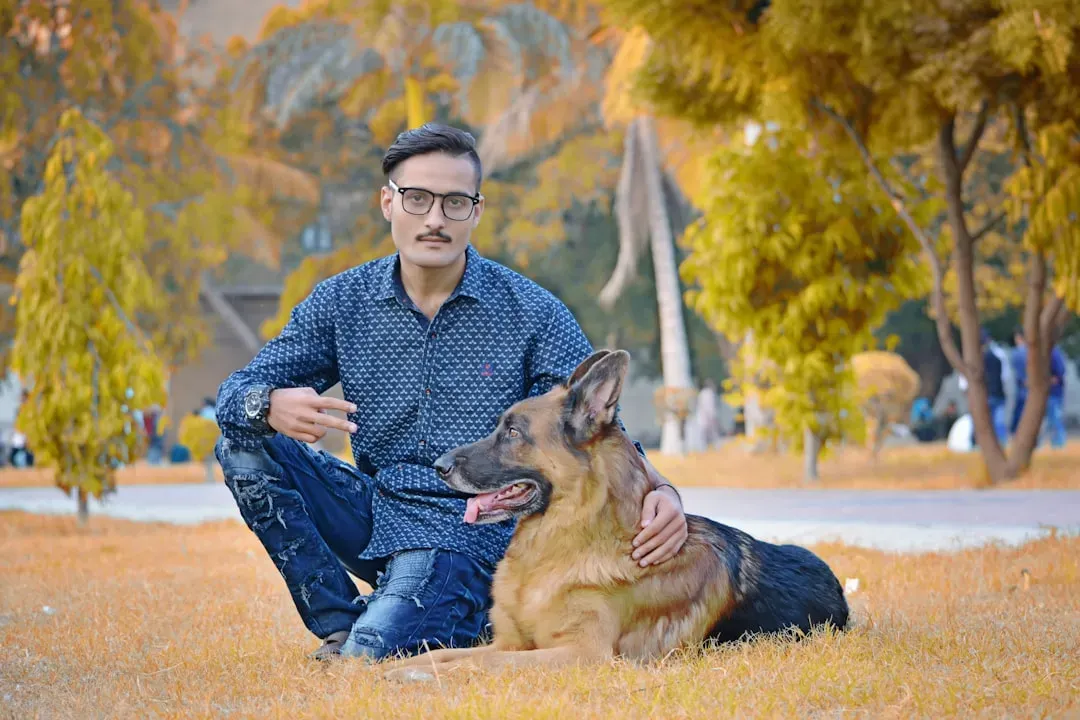
The adoption rate for older dogs is only 25%, while for puppies and younger dogs, it’s 60%. That breaks my heart a little because senior dogs have so much to offer, especially to people over sixty themselves. Think about it: similar life stages, similar energy levels, similar appreciation for the quieter moments.
Elderly dogs can almost instantly bond with you, as they see you as a lifesaver, and are eager to bond and settle into their new, loving home. There’s something profound about giving a second chance to a dog who needs one while enriching your own life in return. They’re already housetrained, calmer, and often just grateful for a soft place to land.
Many senior dogs already know basic commands. They don’t chew your furniture or require the relentless energy management that puppies demand. They’re content with your pace. They match your rhythm. It’s a partnership built on mutual understanding and quiet gratitude.
Conclusion
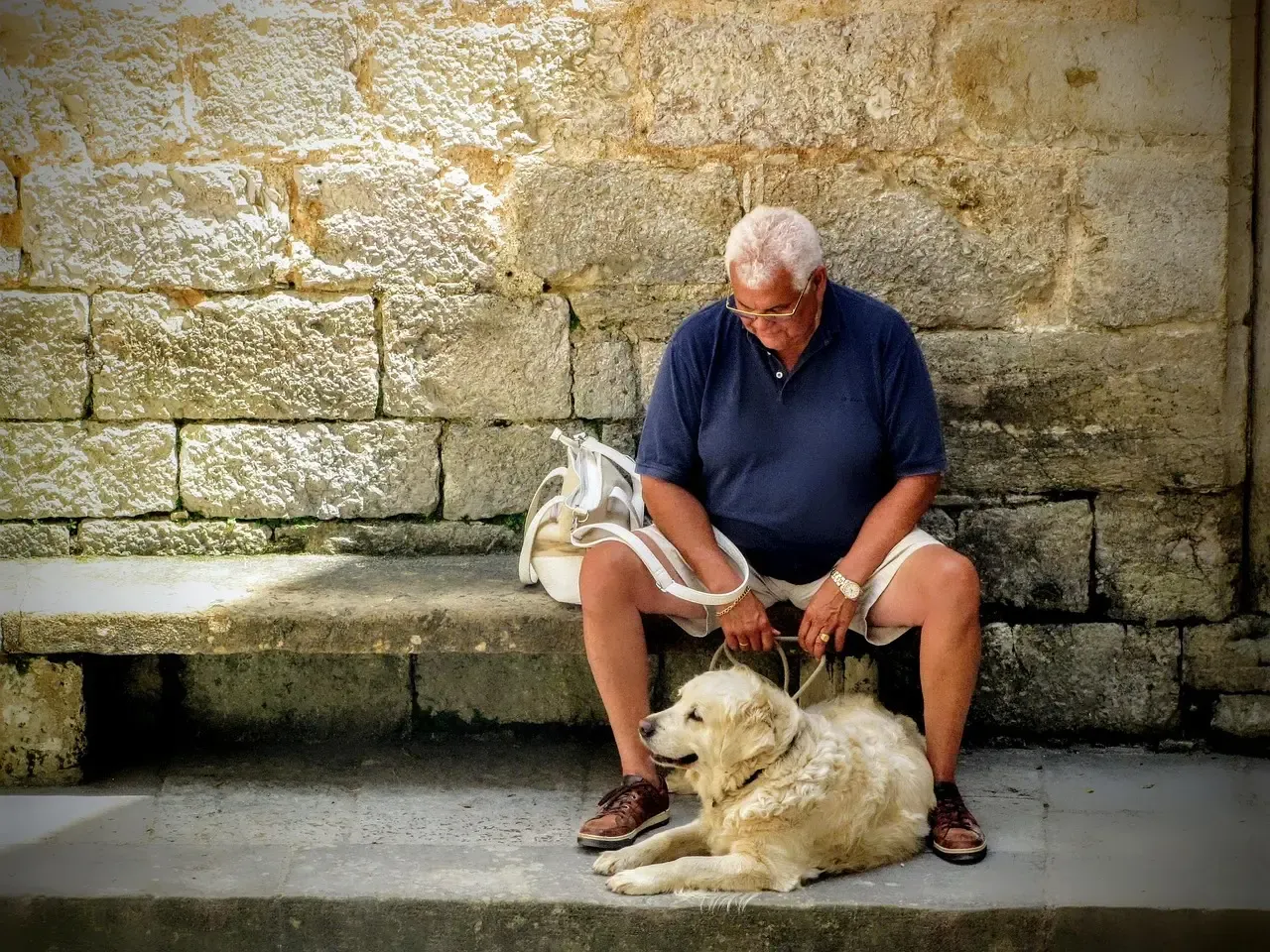
Adopting a dog after sixty isn’t about filling time. It’s about filling your heart with something real and present. The science is clear, but honestly, the lived experience speaks even louder. Dog owners live longer, with heart attack survivors who live alone having a 33% reduced risk of death if they owned a dog, stroke survivors a 27% reduced risk, and dog owners overall being 31% less likely to die from a heart attack or stroke.
Beyond the numbers, though, there’s the everyday magic. The morning greeting. The gentle companionship during afternoon naps. The reason to get up and get moving even when you don’t particularly feel like it. Dogs give us permission to be silly, to be playful, to be needed in the simplest and most beautiful ways.
If you’ve been on the fence about adopting, consider this your gentle nudge. Visit your local shelter. Meet the senior dogs waiting there. You might just find that the companion you’ve been missing has been waiting for you all along. What would your life look like with a loyal friend by your side?


