

Picture this: you’ve just had the worst workday imaginable. You’re sitting on your couch, heart still racing, jaw still tight. Your dog climbs up next to you, and instead of looking relaxed and happy, they’re panting, pacing, or pressing themselves unusually close to you. Coincidence? Honestly, not even close.
The connection between a dog and their human runs far deeper than most of us realize. Your dog isn’t just reading the room. They’re literally absorbing your emotional state, right down to the hormones in their body. It’s called emotional contagion, and the science behind it is as fascinating as it is humbling.
If you’ve ever wondered whether your stress is silently affecting the dog you love, the answer might surprise you. Let’s dive in.
What Is Emotional Contagion, and Why Does It Matter for Your Dog?

Emotional contagion describes how individuals in a group perceive and mimic the emotions of others. This phenomenon is thought to be automatic and involves the processing of multiple cues, including visual ones like body language and expressions, auditory cues like voice tone, and even olfactory signals. Think of it like a Wi-Fi signal. You can’t see it, but it’s absolutely there, and your dog is constantly connected.
Dogs are highly sensitive animals who experience emotional contagion and “catch” the feelings of other individuals, including humans. This isn’t a cute metaphor. It’s a measurable biological reality. Your dog has essentially evolved over thousands of years to be a walking emotional barometer for the humans around them.
Emotional contagion, the mirroring of emotional or arousal states between individuals, is commonly seen among group-living species, for example as a synchronization of acute stress responses. Social animals spending time together are continuously exposed to shared stressors which could affect different individuals similarly. You and your dog are, at the deepest level, a little pack.
The Science Is In: Your Cortisol Is Their Cortisol

Here’s where things get genuinely mind-blowing. Researchers at Linköping University in Sweden studied 58 dog-owner pairs over several months. They measured stress by analyzing cortisol, the primary stress hormone, found in the hair of both dogs and their humans.
They found that the levels of long-term cortisol in the dog and its owner were synchronized, such that owners with high cortisol levels had dogs with high cortisol levels, while owners with low cortisol levels had dogs with low levels. That’s not a small finding. That is your stress becoming their stress, documented in biology.
Dog cortisol levels seemed to mirror the personality traits of their owners. It was the owner’s personality that influenced the dog’s hair cortisol level, rather than the dog’s personality itself. In other words, your dog isn’t the problem. You might be, without even knowing it. And that’s okay. Knowing is the first step.
Your Dog Can Even Smell Your Stress
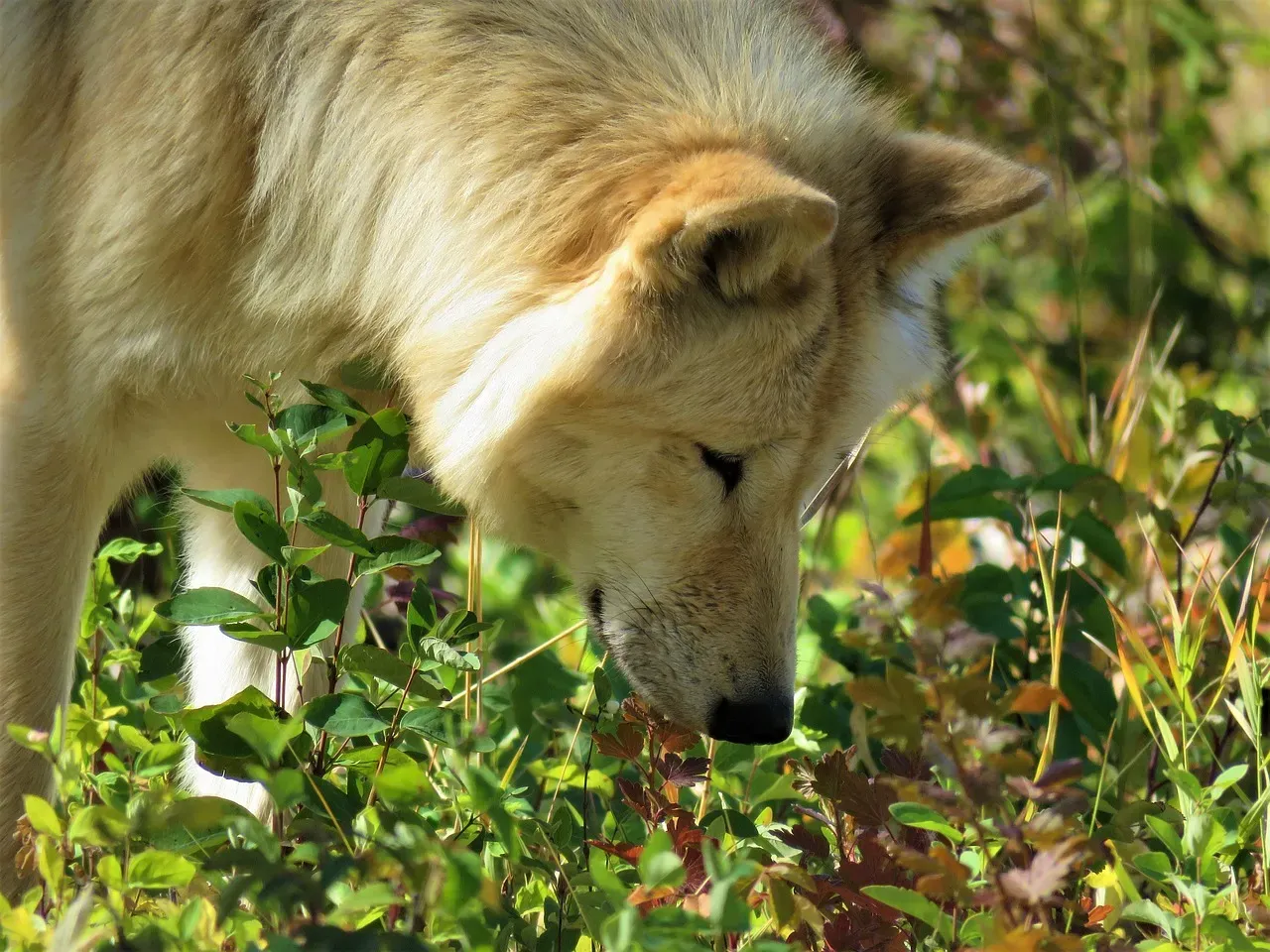
I know it sounds unbelievable, but your dog doesn’t need to see your face crumble to know you’re struggling. They can literally smell it. A University of Bristol-led study, published in Scientific Reports, is the first to test how human stress odors affect dogs’ learning and emotional state. The results were remarkable.
Researchers discovered that the stress smell made dogs slower to approach an ambiguous bowl location nearest the trained location of the empty bowl. This effect was not seen with the relaxed smell. These findings suggest that the stress smell may have increased the dogs’ expectations of a negative outcome. Researchers suggest this “pessimistic” response reflects a negative emotional state.
Imagine your dog going about their day with a slightly dimmer outlook because they caught a whiff of your anxiety. When exposed to stress odor, dogs were significantly less likely to approach a bowl placed at one of the ambiguous locations compared to no odor, indicating possible risk-reduction behaviors in response to the smell of human stress. That is emotional weight being carried on four small paws.
Recognizing the Signs Your Dog Is Absorbing Your Stress

Your dog can’t send you a text saying “Hey, I’m not okay.” So you have to know what to look for. The signs of anxiety in dogs are often subtle and can easily be misinterpreted unless the full context is understood. This is so important. A stressed dog doesn’t always look obviously distressed.
Dogs pant when hot, excited, or stressed. If your dog is panting even though they have not exercised, they may be experiencing stress. Other red flags include pacing, excessive shedding, increased urgency to urinate or defecate, or gastrointestinal upset including vomiting, diarrhea, and refusing food. These aren’t just quirky dog behaviors. They’re a cry for help.
A stressed dog might find it difficult to follow well-known requests like “sit” because the stress response in their body makes it harder to stay still or concentrate. You might find your dog grabs a treat from your hand when they would usually take it gently, or they might even refuse to take it at all. Sound familiar? Pay close attention the next time you’re having a rough day.
The Bond Duration Factor: The Longer You’re Together, the Deeper the Mirror

Here’s something that might pull at your heartstrings a little. The longer you’ve shared your life with your dog, the more synchronized your stress responses become. It’s like emotional synchrony deepens with time, much like it does between long-term human partners.
The correlation of heart rate variability indices between dogs and owners was positively correlated with the duration of dog ownership. Dogs’ sex also influenced the results, with female dogs showing stronger values. These results suggest that emotional contagion from owner to dog can occur especially in females, and the time sharing the same environment is the key factor in inducing the efficacy of emotional contagion.
A study conducted by researchers from Queen’s University Belfast shows that changes in an owner’s heart rate can predict changes in their dog’s heart rate. That’s not just emotional. That’s physiological. A study published in October 2024 found that the heart rate variability of a dog and its owner can mirror each other, and when the owner was relaxed or stressed, so too was their dog. The longer you’ve lived together, the more your nervous systems have learned to speak the same language.
Practical Ways to Break the Stress Cycle for You and Your Dog

The good news? This connection works both ways. When you’re calm and centered, your dog picks up on that, too. Simple things like mindful breathing, soft speech, and slowing your movements can help reassure your pup that everything’s okay, even in high-stress moments. You are literally your dog’s emotional anchor.
Start with the basics. Establishing a routine for your dog helps them feel comfortable and secure. Dogs are creatures of habit and thrive on predictability and structure. Feeding times, exercise times, playtimes, and sleep times are all part of a routine. Staying consistent as much as possible prevents confusion and stress. Structure is love, in your dog’s world.
Exercise can be a great stress reducer. For healthy dogs, physical activities such as walking or playing fetch may help both you and your dog release tension. It is also important to provide your dog with a safe place in the home where they can escape stimuli that trigger a stress response. That walk isn’t just for them. It heals you both. And if things feel more serious, don’t hesitate to loop in your vet. If your dog becomes stressed often or in response to many triggers, see your veterinarian. After ensuring that your dog’s behavior does not have a physical basis, your veterinarian may refer you to a trainer or veterinary behaviorist. A treatment plan may include behavior modification, a change in the daily routine, or medications to relieve the emotional response to the triggers.
Conclusion: You Are Your Dog’s Whole World

This isn’t about guilt. It really isn’t. Life is stressful, and nobody breezes through their days with perfect zen. The whole point of understanding emotional contagion is this: your dog loves you so completely that they feel what you feel. That is extraordinary. It’s also a responsibility worth honoring.
Take care of yourself, not just for you, but for the little soul who has tied their emotional wellbeing to yours. Go for that walk together. Breathe deeply. Create calm spaces in your home. Notice the subtle signs your dog is sending you. They’re always communicating. You just have to listen.
The relationship between you and your dog is one of the most beautiful, scientifically documented emotional bonds on earth. And the most powerful thing you can do for your dog’s mental health? Start with your own. Did you ever notice your dog acting differently when you were going through a stressful time? We’d love to hear your story in the comments below.


