
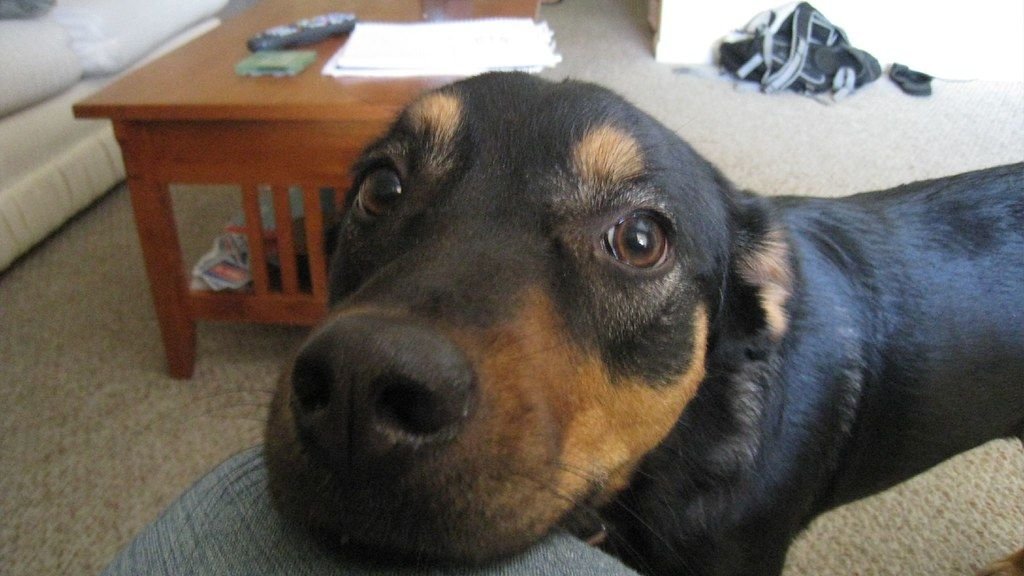
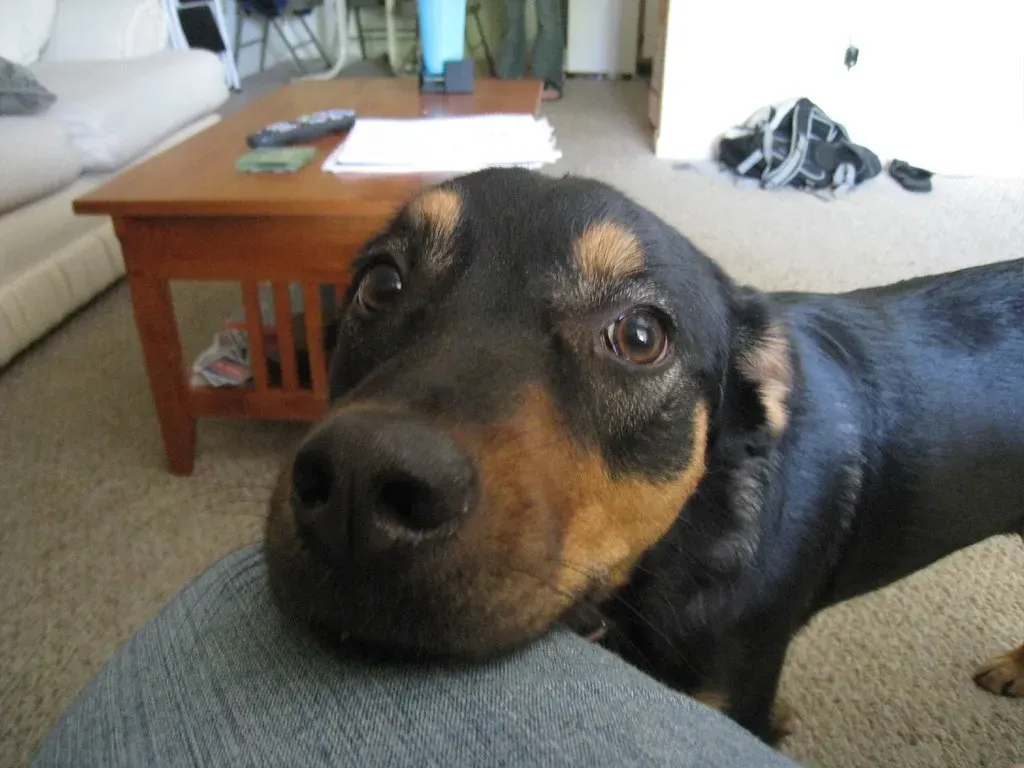
Picture this: you’re sitting on the couch after a long day, maybe scrolling through your phone or watching something on TV. Then, without a sound, your dog walks over, places their chin gently on your knee, and looks up at you with those enormous, liquid eyes. Your heart melts. Every single time.
Most of us shrug it off as “just something dogs do.” Sweet, harmless, adorable. We pat their head and move on. But honestly, what if that tiny gesture is carrying an entire conversation? What if it’s rooted in something much deeper than a simple request for scratches? The truth about is layered, ancient, and genuinely moving once you understand it. Let’s dive in.
It Goes All the Way Back to the Pack
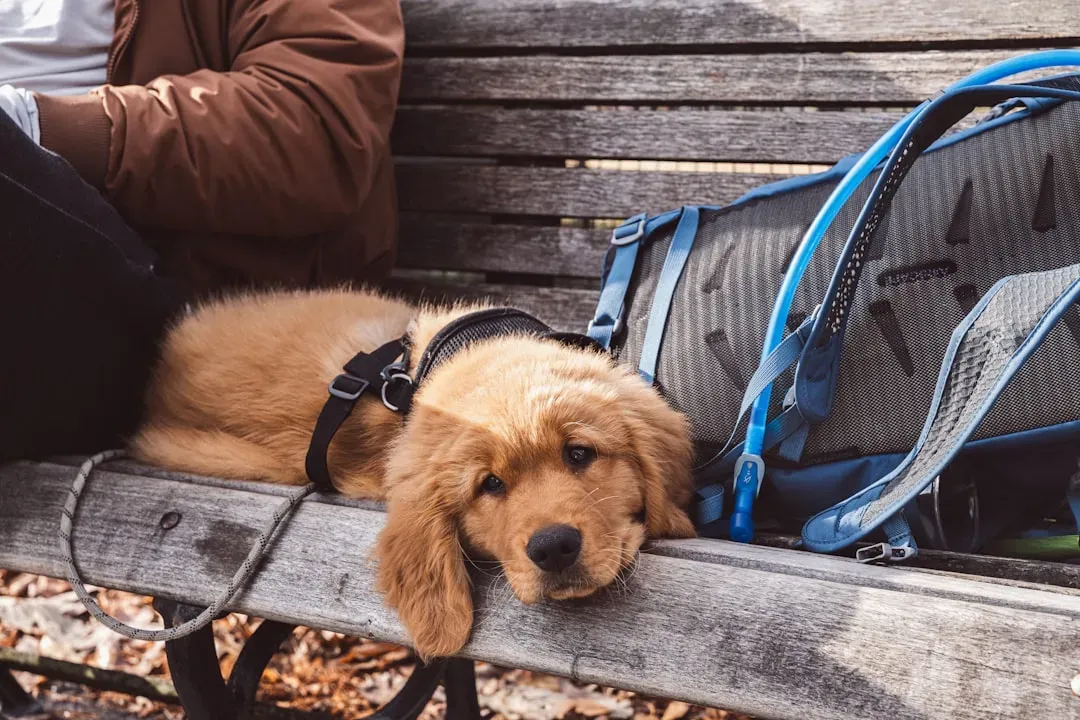
Dogs are social creatures, descended from wolves who relied on their pack for survival. That instinct hasn’t disappeared. Think of it like a kind of ancestral memory, still humming quietly beneath the surface of every snuggle and nap. Your dog carries thousands of years of pack behaviour in their DNA, and physical closeness was always central to that.
Dogs are originally pack animals. In the wild, dogs would sleep with their pack members pressed together, maintaining body heat and protecting themselves from predators. As a vestige of this habit, dogs can feel secure by placing their body or parts of their body against people they trust. When your dog rests their chin on you, they are not being clingy. They are being exactly what evolution designed them to be.
Your Scent Is Their Safe Place
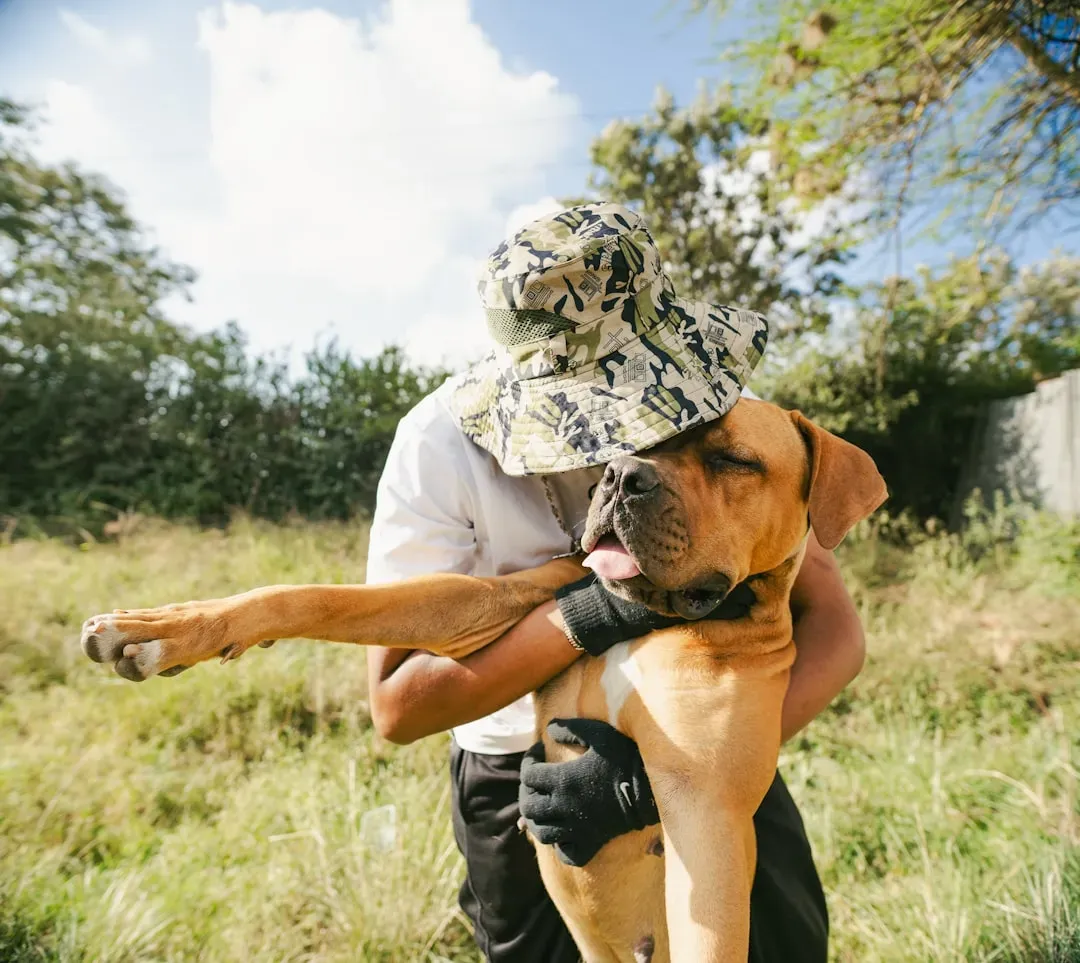
Your dog’s nose isn’t just for sniffing out treats or exploring the backyard. Dogs have an extraordinary sense of smell, way more powerful than ours. So when your dog lays their head on you, they’re also surrounding themselves with your scent. It’s a form of reassurance. Your smell is a familiar aroma in a world full of scents, and that familiarity calms them down.
Think about how a child drags a favourite blanket everywhere because it smells like home. Your dog does the same thing, except the blanket is you. Resting their head on you is your dog’s way of continuing the ancestral practice of physical touch, marking you as a beloved part of their inner circle. So yes, your smell is genuinely comforting to them. I think that’s one of the most quietly beautiful things about dogs.
It’s a Silent Declaration of Trust
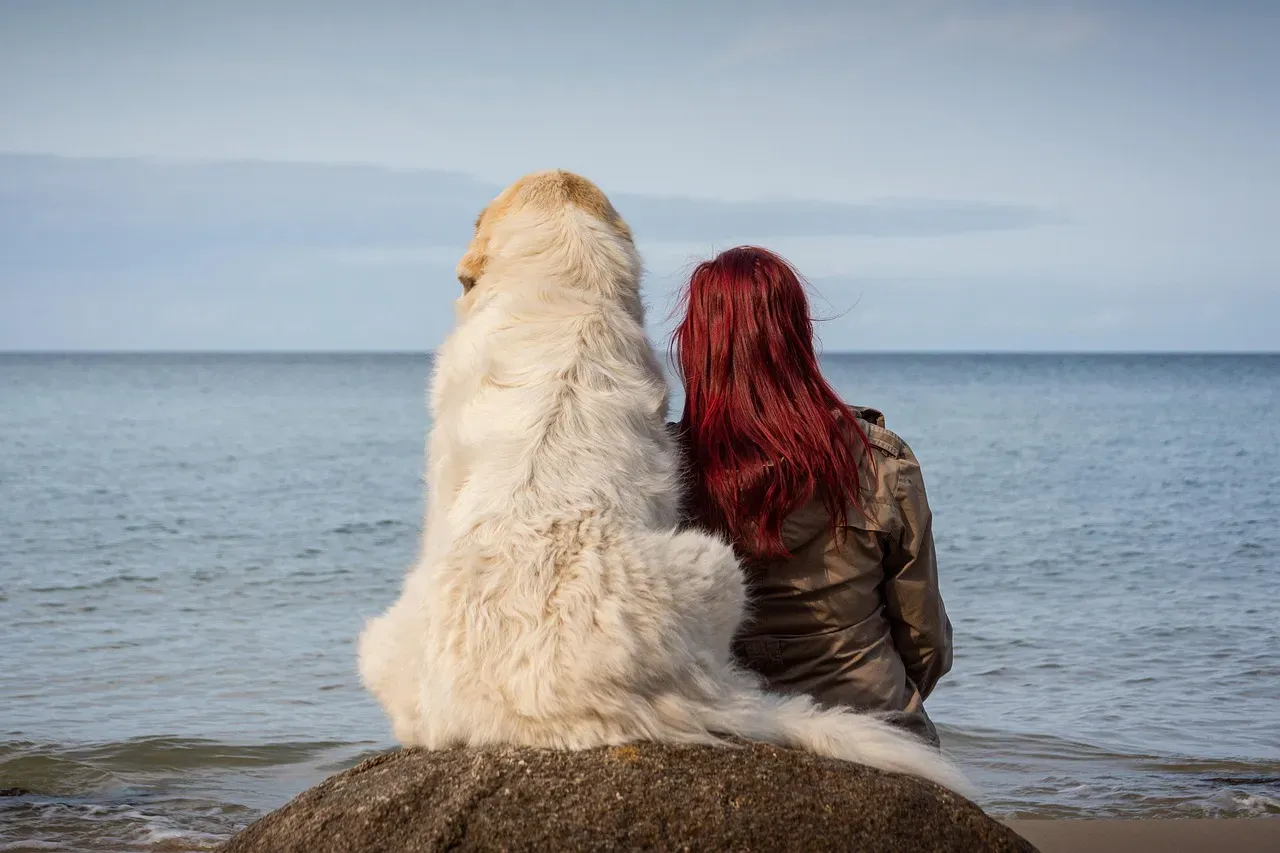
When a dog places their head on you, they’re entering a vulnerable position, relaxing their muscles, softening their gaze, and surrendering their weight, which is deep, soul-level trust. This is huge. In the animal world, vulnerability is never offered casually.
When a dog rests its chin on you, it can be a gesture of trust and vulnerability. Dogs rely on their owners for protection and emotional support, and resting their chin on you signifies their willingness to expose a vulnerable part of their body, such as their throat or chest. In the animal kingdom, exposing vulnerable areas is a sign of submission and trust. For dogs who have experienced trauma or fear, this gesture may represent significant emotional progress. That’s not just adorable, that’s a genuine milestone worth celebrating.
They’re Reading Your Emotions Better Than You Think
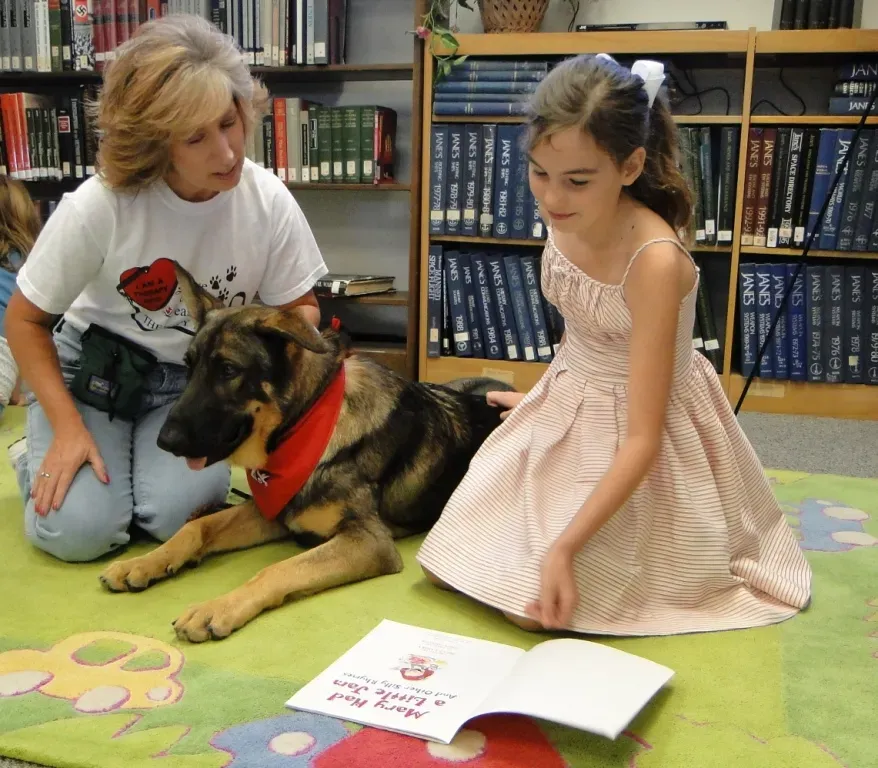
Dogs are deeply empathetic creatures. They can detect subtle changes in your mood, tone of voice, and body language. If you’re feeling sad, tired, or overwhelmed, your dog may offer comfort by resting their head on you, sensing your emotions and responding with quiet presence. It’s not magic. It’s thousands of years of co-evolution with humans. Dogs became experts at reading us because their survival depended on it.
Some dog owners have noticed a correlation between their dog’s chin resting behaviour and their emotional state. Some dogs may rest their chin on things more frequently when they are feeling anxious or stressed. By paying attention to their dog’s chin resting behaviour, owners can better understand their pet’s emotions and provide the necessary support and comfort. So next time your dog shows up on a hard day, know that they already knew before you said a word.
The Chemistry of the Cuddle: What Happens in Both of You
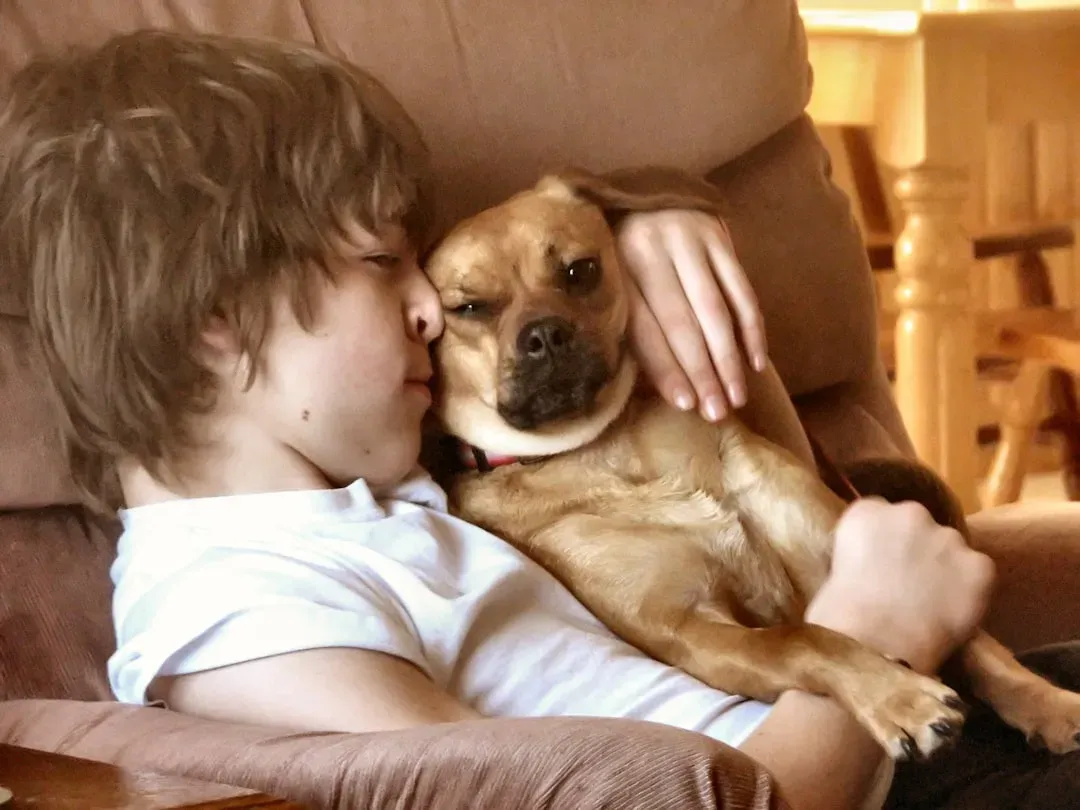
When a dog rests its chin on you, it can be a way of seeking closeness and forming a stronger bond. The action releases oxytocin, often referred to as the “love hormone,” in both the dog and the human, promoting feelings of trust and attachment. That warm glow you feel? It’s not just emotional. It’s biochemical, and it’s happening in both directions at the same time.
Oxytocin is instrumental in social bonding and trust-building and is released in both dogs and humans during positive interactions. These interactions are not merely incidental; they are central to the development and strengthening of the profound bonds we share with our canine companions. Oxytocin release triggers social behaviors and emotional states that foster a strong, nurturing bond, promoting feelings of trust, relaxation, and emotional investment in the relationship. So when your dog rests their chin on you, the two of you are literally synchronising your biology. How incredible is that?
When to Pay Closer Attention
A sudden increase in chin resting can sometimes indicate that your dog is not feeling well and seeking comfort. Observe them for other signs of illness and consult with your veterinarian if you have concerns. This is something a lot of dog owners overlook. A sudden shift in this behaviour, especially paired with lethargy, loss of appetite, or unusual stillness, is worth taking seriously.
A strong dependency on the owner is one of the causes of separation anxiety. Separation anxiety is when a dog feels strong anxiety when the owner is not around, leading to problem behaviour and poor health. Dogs with separation anxiety can be difficult to leave at home alone because they will bark constantly and destroy things when their owners are away. Here’s the thing: balance matters. If your dog’s chin rest is accompanied by undesirable behaviours, such as aggression or excessive demands for attention, it’s important to address the underlying issue. Consult with a certified dog trainer or behaviorist for guidance on how to modify the behaviour. Love your dog generously, but stay observant too.
How to Respond in a Way That Strengthens Your Bond
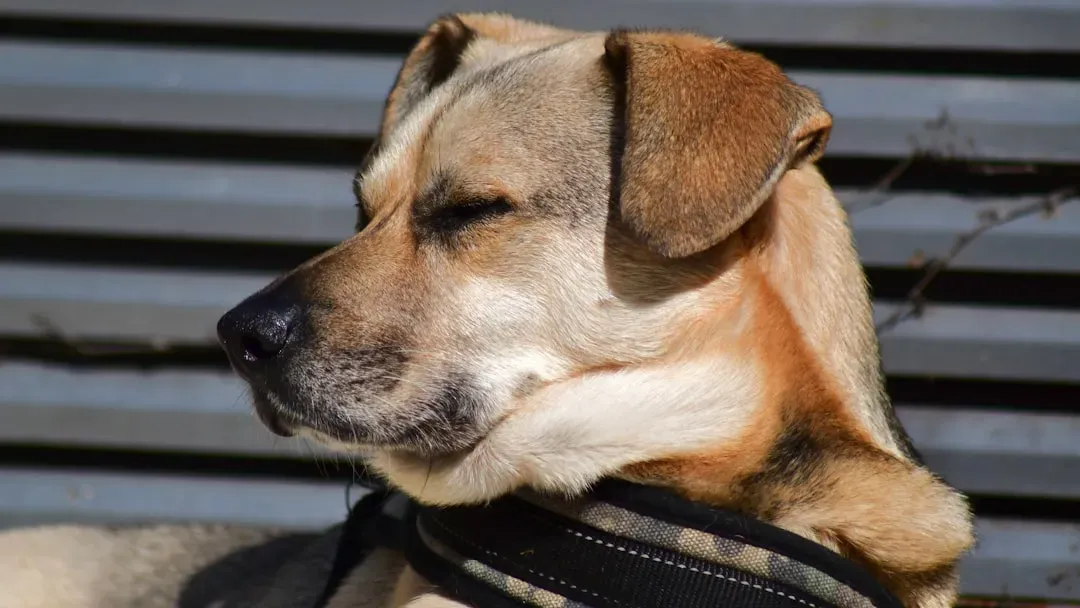
Teaching voluntary behaviours such as a chin rest can be useful when you want your dog to hold still and show you they are comfortable. A chin rest shows that your dog is willing to be an active participant in their care. This also means you can build on these quiet moments deliberately, turning them into opportunities for trust-building that go both ways.
If the chin rest is accompanied by relaxed body language, respond with gentle petting, praise, or a treat. This reinforces the behaviour and strengthens your bond. If you suspect your dog is trying to communicate a need, pay close attention to their other cues and try to understand what they are asking for. Research into human-dog bonding has identified key categories of behaviour perceived as important to that bond, including attunement, communication, physical affection, positivity and enthusiasm, proximity, and shared activities. Your response to your dog’s chin rest touches nearly all of those at once.
A Closing Thought Worth Sitting With
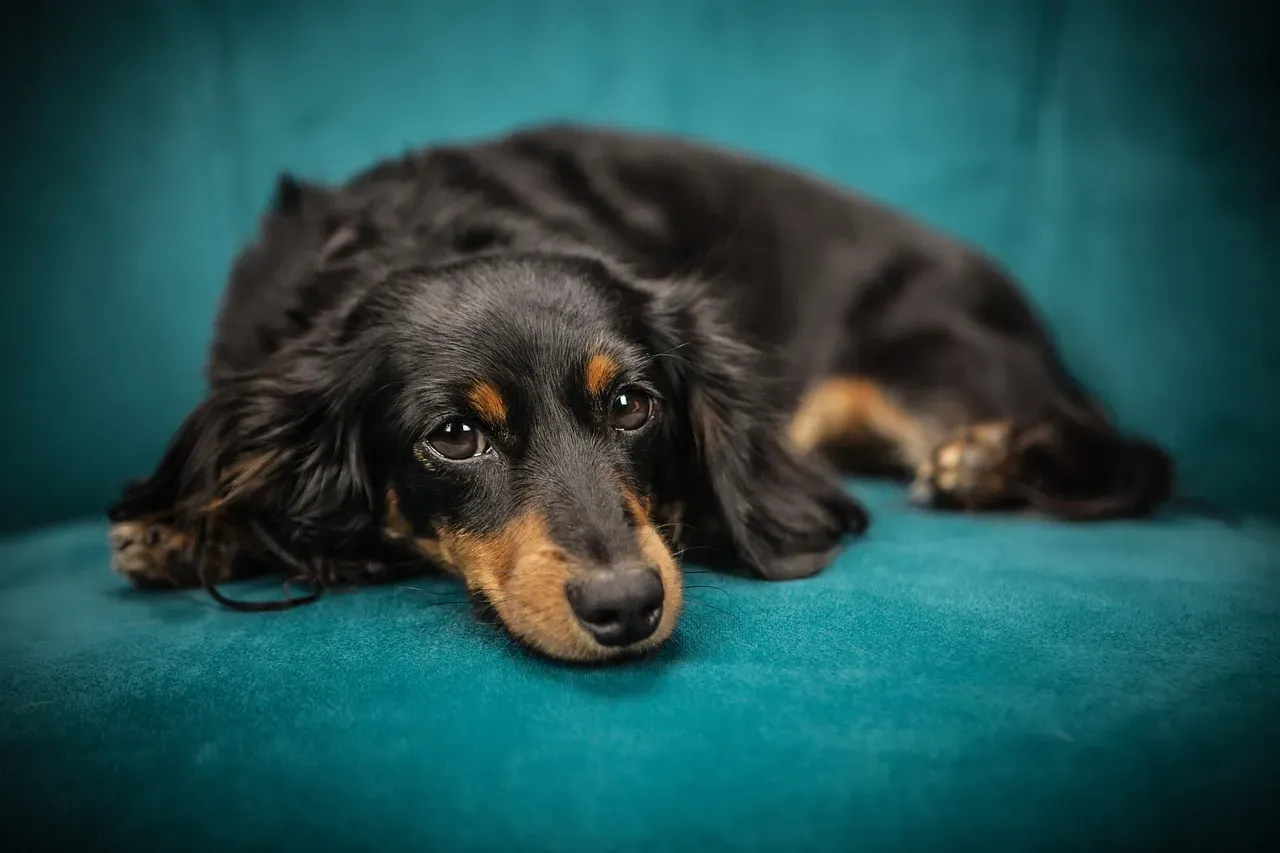
There is something quietly profound about a creature who cannot speak choosing to communicate through touch. Your dog doesn’t have words, but they have that warm weight on your knee, that soft gaze, that steady breath beside you. It means trust. It means safety. It means you are their world.
Every time your dog rests their chin on you, they are offering something ancient, genuine, and unconditional. The least we can do is truly notice it. So next time it happens, put your phone down. Feel it. Breathe it in. Because your dog already knows exactly what that moment means.
What does your dog’s chin rest tell you about them? Share your story in the comments. We’d genuinely love to hear it.


