
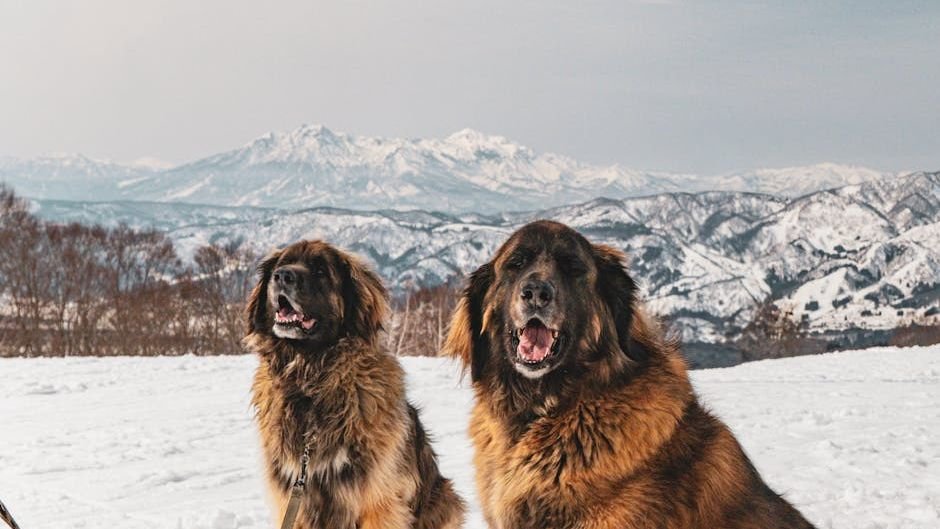
There’s something almost magical about a massive dog padding gently across the living room floor, plopping its enormous head in your lap, and letting out the world’s most contented sigh. Most people assume big equals wild, hyper, and hard to manage. Honestly, it’s one of the biggest misconceptions in the dog world.
Size can look intimidating, yet many large breeds are surprisingly calm, patient, and affectionate. These towering companions are known for their steady nature and deep loyalty, and instead of chaos, they often bring balance and warmth into a home. The truth is, some of the most serene, soul-nourishing dog experiences you’ll ever have come wrapped in a 100-plus-pound package of fur and devotion.
Whether you’re a first-time dog parent or a seasoned pet lover reconsidering your next breed, what you’re about to discover might completely change how you think about large dogs. Let’s dive in.
1. Great Dane: The Gentle Skyscraper
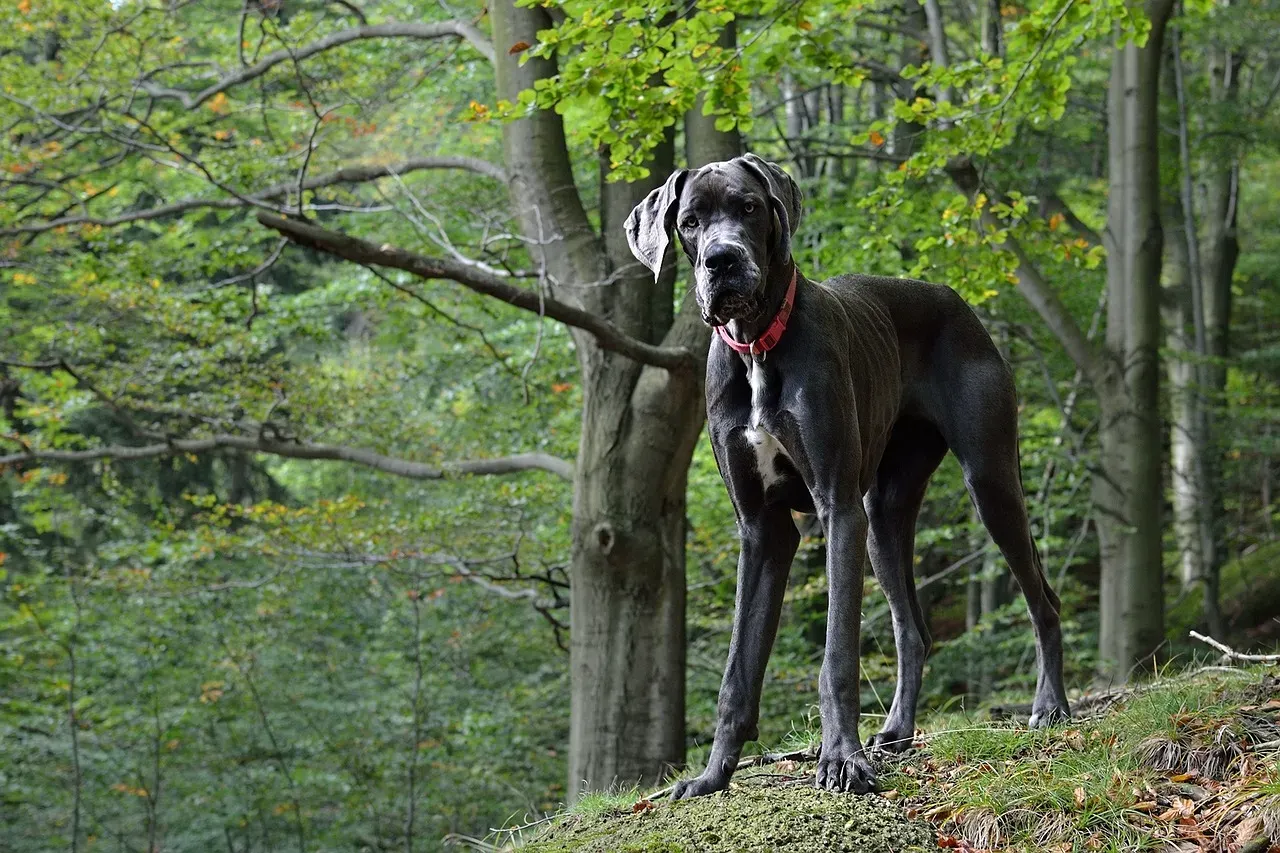
There’s a reason Great Danes are the poster breed for the phrase “gentle giant.” Great Danes are known for their massive size and gentle temperament, reaching up to 32 inches at the shoulder and weighing up to 175 pounds, yet despite their size, they are friendly and affectionate dogs that make great family pets.
Daily walks lasting roughly thirty minutes keep these large breeds perfectly content, and once they finish their light exercise, these dogs love to relax at home. They are the ultimate couch potatoes despite their long, powerful legs. Think of them like a lanky teenager who just wants to stretch out on the sofa and binge-watch with you.
Great Danes are known to be good with children and other pets when properly socialized from a young age, and while they make excellent companions, they also serve as effective guard dogs due to their imposing presence. Early socialization is key. Start young, stay consistent, and you’ll have a calm, confident companion for life.
2. Newfoundland: The Nanny Dog with a Bear-Like Heart
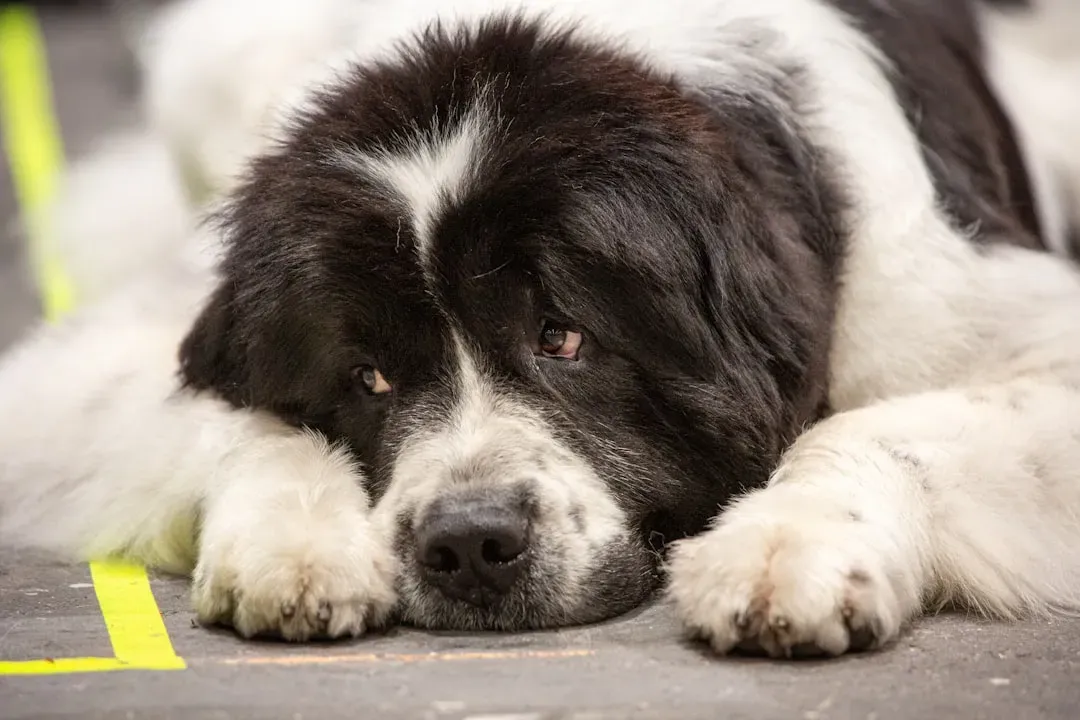
Newfoundlands are gentle giants bred for water work, and according to the breed standard, “sweetness of temperament” is the single most important trait of the breed. That tells you everything, doesn’t it? Sweetness isn’t just encouraged. It’s literally the standard.
PetMD says Newfoundlands are not only one of the largest dog breeds but also among the most gentle and friendly. They are famously patient, even when toddlers tug at their ears or climb over them, embodying the definition of a tolerant and loyal breed.
The Newfoundland may be calm, but they are hard workers at heart. Born with naturally webbed feet and thick, heavy coats, these pups were historically used to pull overboard fishermen out of frigid waters, and today the breed is still among the best-known dogs that swim. One health note: watch their weight. Their thick coats can mask early signs of obesity, so regular vet checkups are a must.
3. Saint Bernard: Born to Rescue, Built to Love
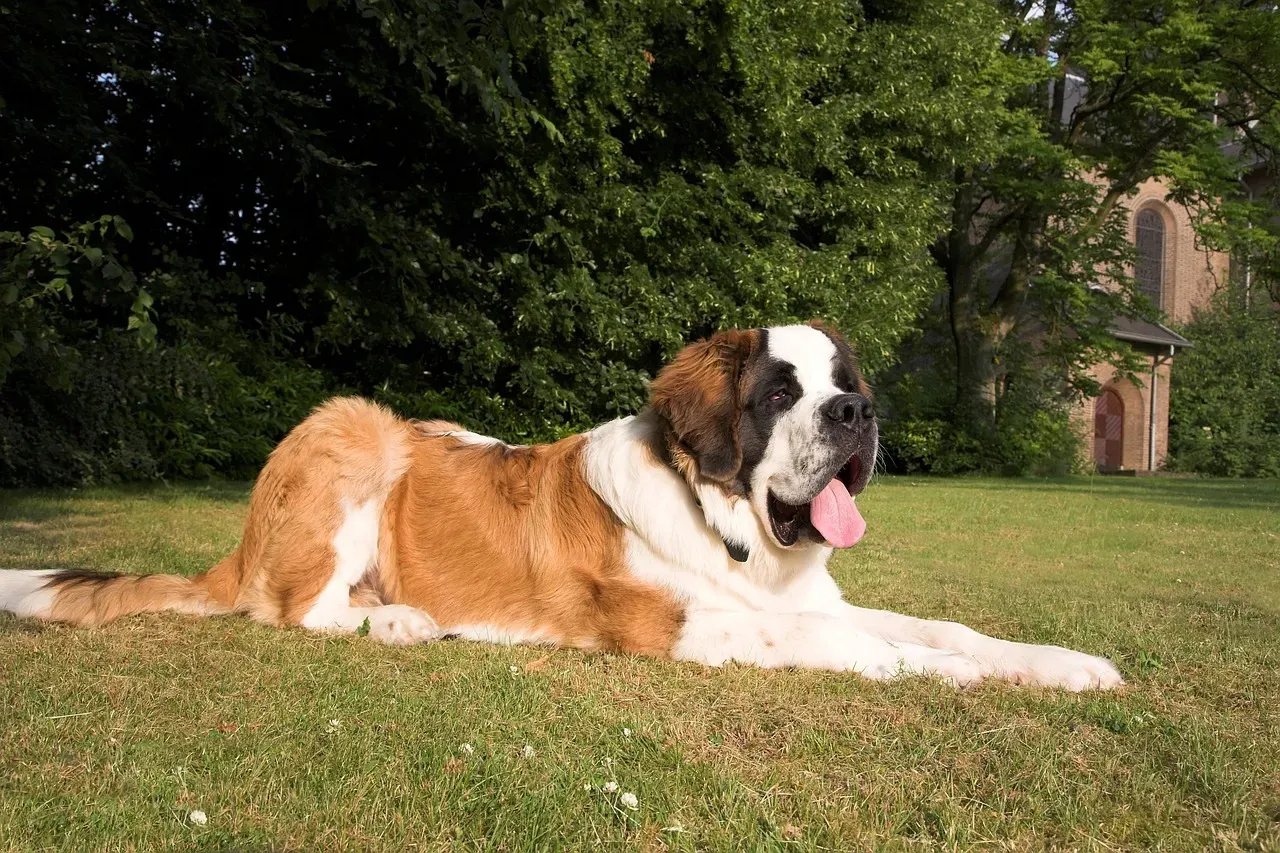
Dating back to the year 1050 in the snow-covered slopes of the Alps, Saint Bernards helped hospice monks locate dead or missing travelers, and though the breed is incredibly large in stature, they are genial in disposition. A breed that was literally born to save lives tends to have a certain warm energy about them, and Saint Bernards carry that in spades.
The Saint Bernard is an ideal dog for individuals who prefer to take it easy, as they’re historically watchful and patient and are often considered excellent caregivers. In fact, search and rescue teams used to depend on the breed to accompany them on avalanche rescue missions in the Alps.
Early training and socialization help them grow into loyal family dogs that adore spending time with children and adults alike, and despite their size, these affectionate dogs aren’t overly energetic and generally require just a few steady walks a day. One quick heads-up: keep a drool rag handy. This is just part of the Saint Bernard experience, and honestly, it’s worth it.
4. Bernese Mountain Dog: Calm, Cuddly, and Mountain-Born
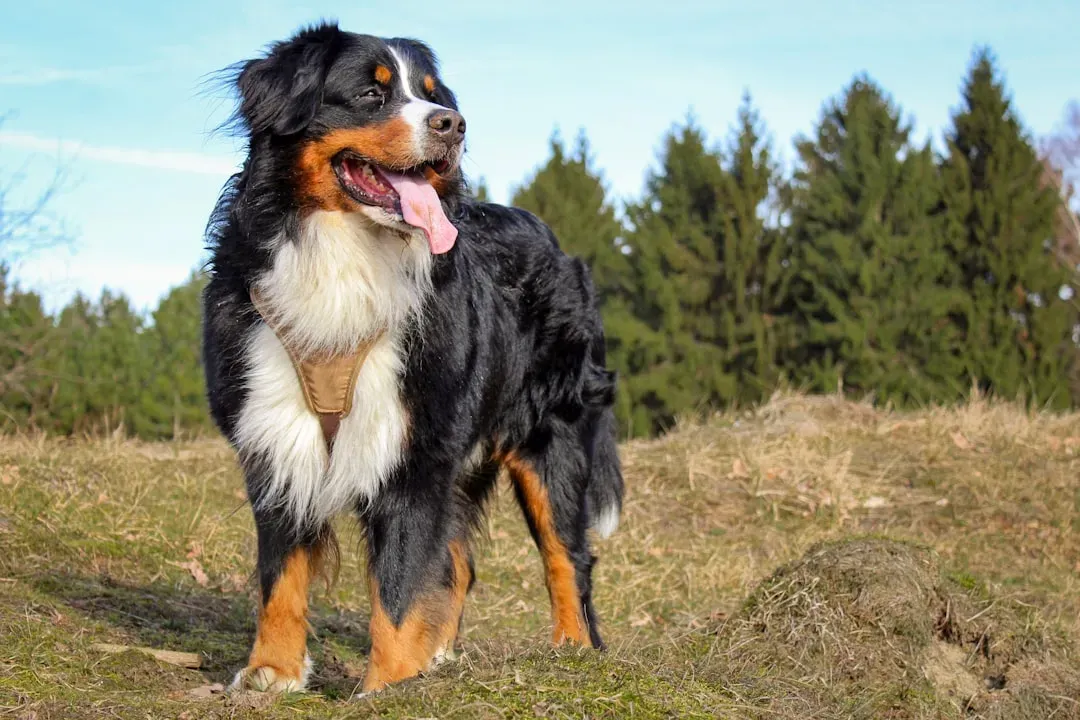
These majestic, large dogs from Switzerland possess a serene and even-tempered nature that endears them to many, and their calmness is one of the Bernese Mountain Dog’s most prominent traits, making them excellent family pets. Rarely displaying hyperactive behavior, these dogs have a calming influence and often get along well with other dogs as well.
Bernese Mountain Dogs can weigh between 70 and 115 pounds and stand up to 28 inches tall. They only need around 30 to 60 minutes of exercise per day, but as a working breed, they adore the challenge of training and learning new tricks, and positive reinforcement training will help you build a strong bond with these sweet and gentle dogs.
Bernese Mountain Dogs are calm, affectionate companions with a gentle approach to family interactions. They tend to form strong emotional bonds and are happiest when they feel included and secure within the household, and despite their working background, they are quiet indoors and particularly considerate around children. One thing to watch for: Berners can be prone to joint issues as they age, so keeping them at a healthy weight makes a real difference.
5. Irish Wolfhound: The Quiet Giant with a Poet’s Soul
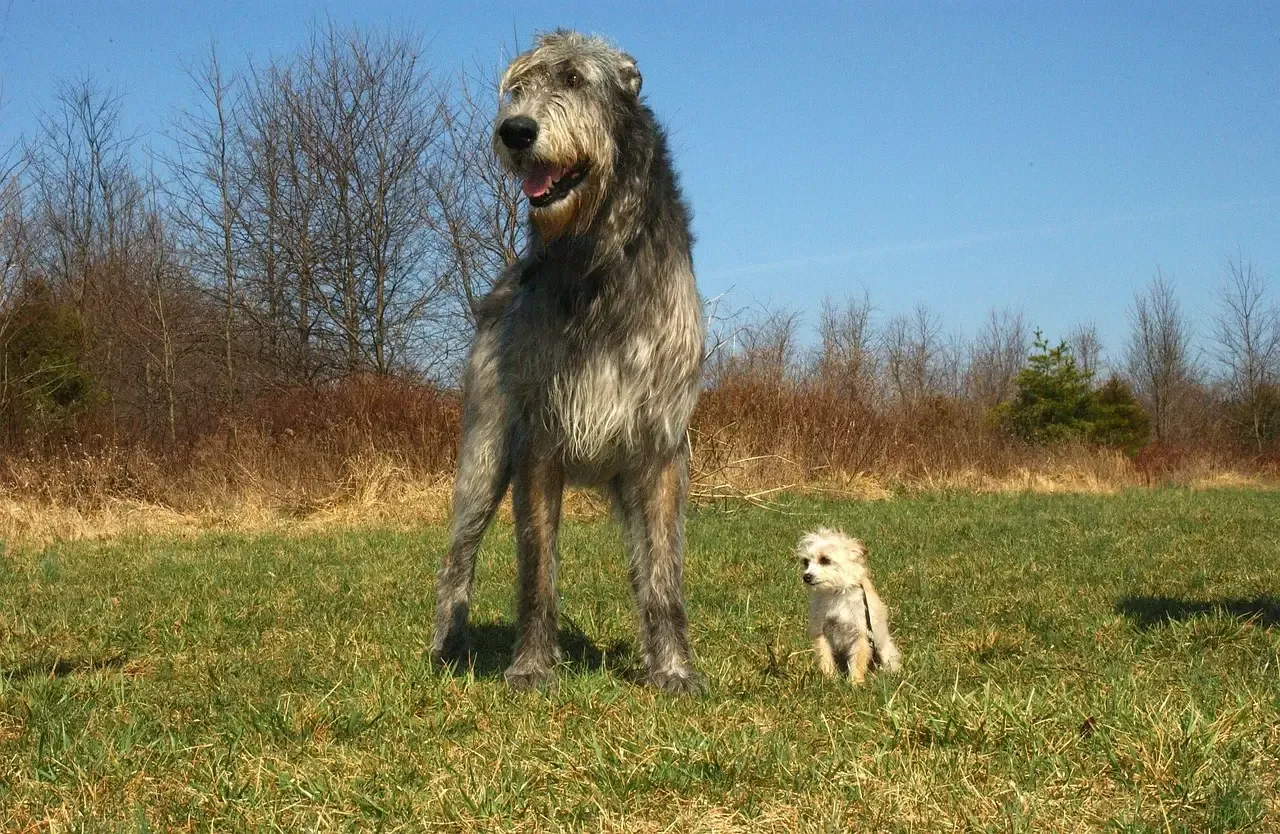
The Irish Wolfhound is a quiet breed that typically avoids unnecessary barking, usually only vocalizing when there is a very clear and specific reason, and as a result you will appreciate their calm and silent presence in your daily life. I think that alone makes them one of the most underrated companions in the dog world.
Irish Wolfhounds even earned the honor of their own legend, a tale of loyalty called “Gelert, the Faithful Hound,” and due to their incredible intelligence, Irish Wolfhounds learn quickly. They are both calm and sensitive to the emotions of humans, making them qualified for a wide range of therapy work.
Originally bred for battle and hunting large prey, today’s Wolfhounds are devoted family companions. Their patient, friendly nature makes them excellent with children and adults alike, often earning them the title of “big softies,” and their gentle temperament ensures they blend easily into family life, providing warmth and loyalty. These dogs do best with space to stretch their long legs, so a secure backyard is a definite plus.
6. English Mastiff: The Gentle Heavyweight Champion
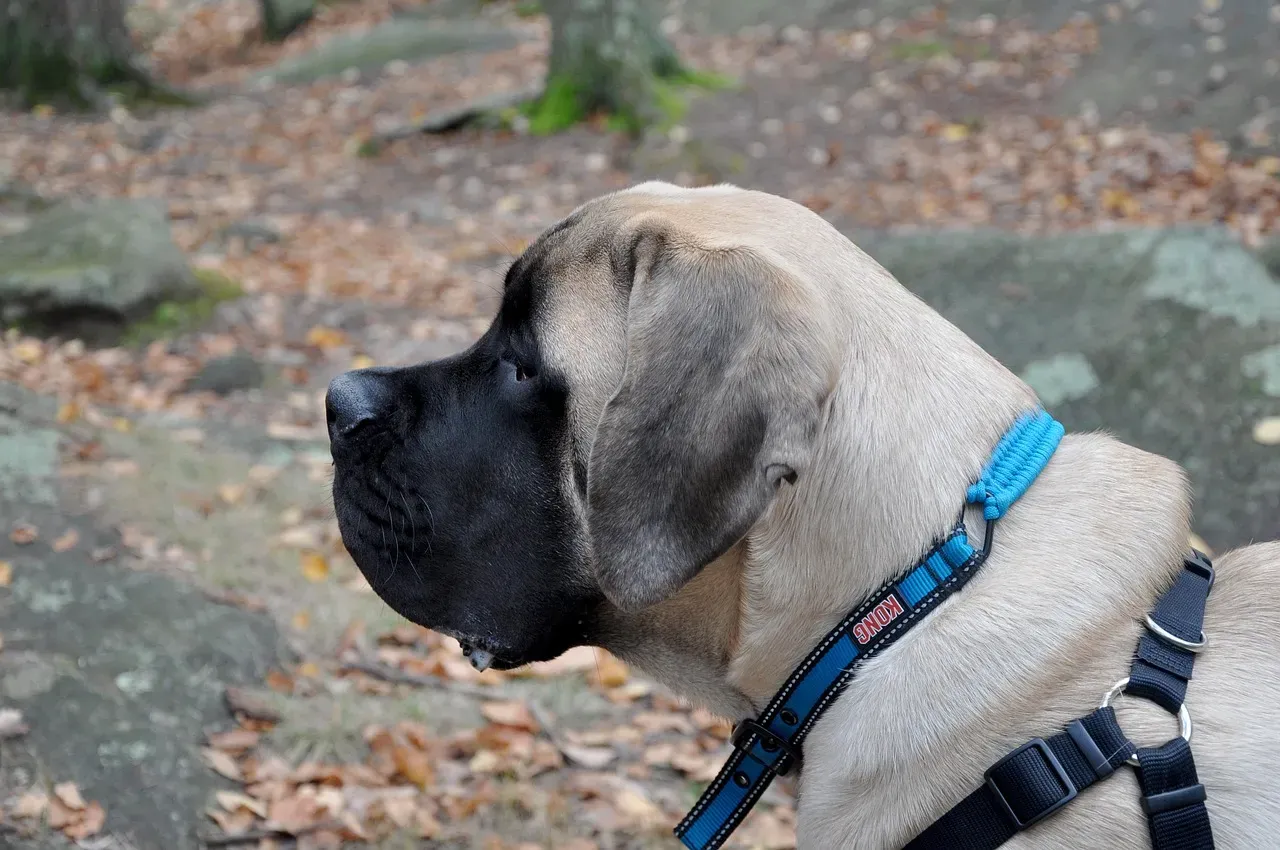
Ancient, powerful, and surprisingly soft at heart, the Mastiff is one of the most iconic gentle giants with calm energy levels. Admired since the Roman Empire, this breed once served as a war and guard dog, even fighting alongside soldiers in battle, yet despite that fierce history, today’s Mastiff is a docile, dignified, and deeply devoted family companion.
The English Mastiff is a heavyweight in the dog world, often reaching over 200 pounds. With a history as a guard dog, this breed is protective but gentle with loved ones, and known for its loyalty and calm nature, the English Mastiff makes a fantastic companion for dog owners who appreciate a big, docile dog with an affectionate side.
Also known as Old English Mastiffs, their low energy levels mean they are content with staying home with you all day, and with early and consistent socialization, they’ll learn to befriend new people. Training while they’re still manageable in size is a smart move. A 200-pound dog that hasn’t learned basic manners is a challenge no one needs.
7. Golden Retriever: The Eternal Sunshine in Dog Form
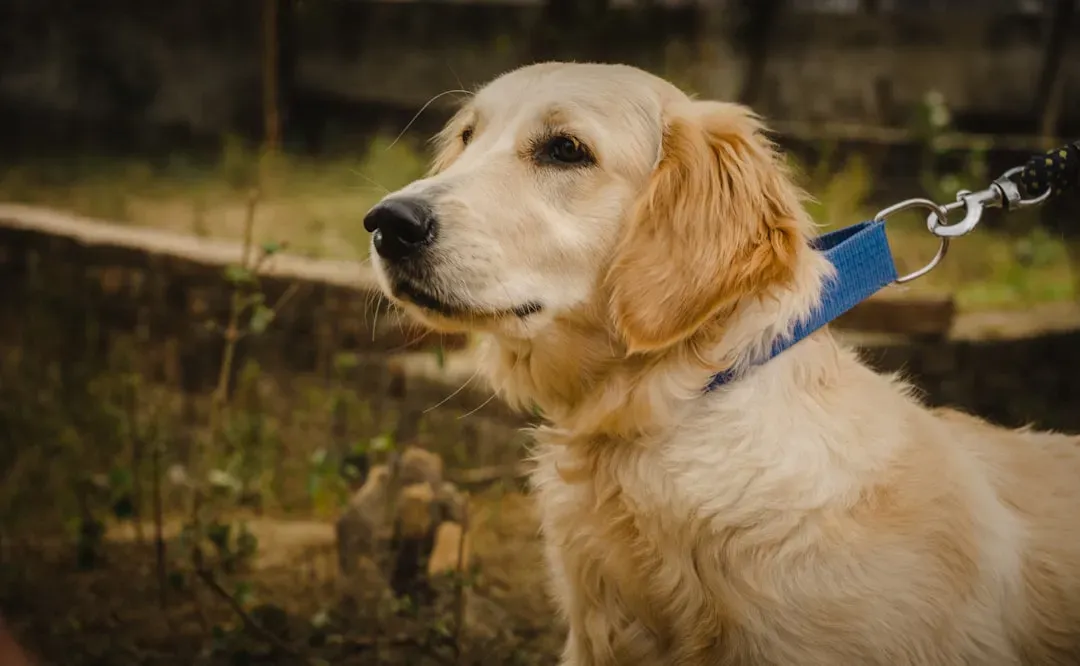
It’s no wonder the Golden Retriever is continually in the top 10 of most popular dog breeds. They are easy-going, affectionate and playful, but gentle with children, making them an ideal family dog. Let’s be real, there’s almost no version of a bad day that a Golden can’t make better just by showing up.
Golden Retrievers are known for their warm, welcoming nature and an almost instinctive understanding of family life. They are patient with children, gentle during play, and naturally inclined to get along with other pets, and as they grow, Goldens develop into emotionally aware dogs that enjoy being included in everyday routines.
Their temperament often makes them great service and therapy dogs, and while they can be playful and have a lot of energy in their youth, a 4-year-old golden retriever that’s emotionally and physically satisfied is most likely going to be calmer than a puppy of the same breed. Regular brushing, consistent exercise, and loads of mental stimulation will keep your Golden balanced and beautifully behaved.
8. Leonberger: The Lion-Like Lover
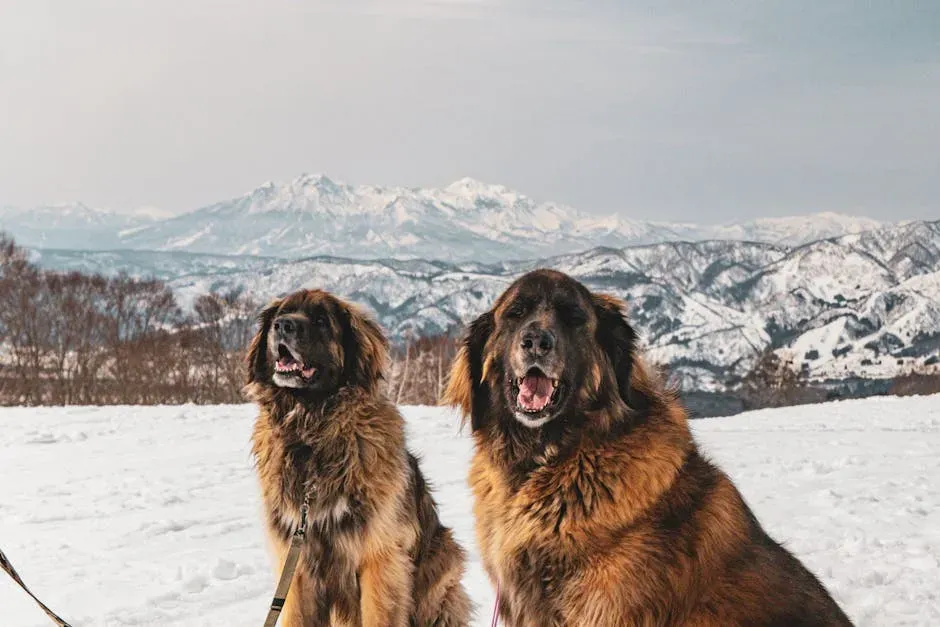
We’re not exaggerating when we say the Leonberger is huge, even bigger than the Newfoundland. When you welcome a Leonberger into your family, you’re getting a gentle giant that weighs as much as or more than an adult, not to mention the tremendous amount of patience and heaps of affection and devoted companionship it readily gives.
Often called gentle giants, the Leonberger bonds closely with every family member. These affectionate giants are particularly famous for being excellent with children, and this loyal companion truly lives up to their heartwarming reputation. Picture a lion-sized dog carefully curling up next to a sleeping toddler. That’s a Leonberger, and it’s every bit as magical as it sounds.
Leonbergers do have a thick, lion-like mane that needs regular grooming, so investing in a good brush is smart early on. Even breeds known for their calmer natures can show excitability, especially when they’re young, and training and socialization are also key steps to helping dogs stay calm as they get older. Start gentle obedience work early and you’ll be rewarded with a magnificently composed companion.
9. Great Pyrenees: The Majestic Mountain Guardian
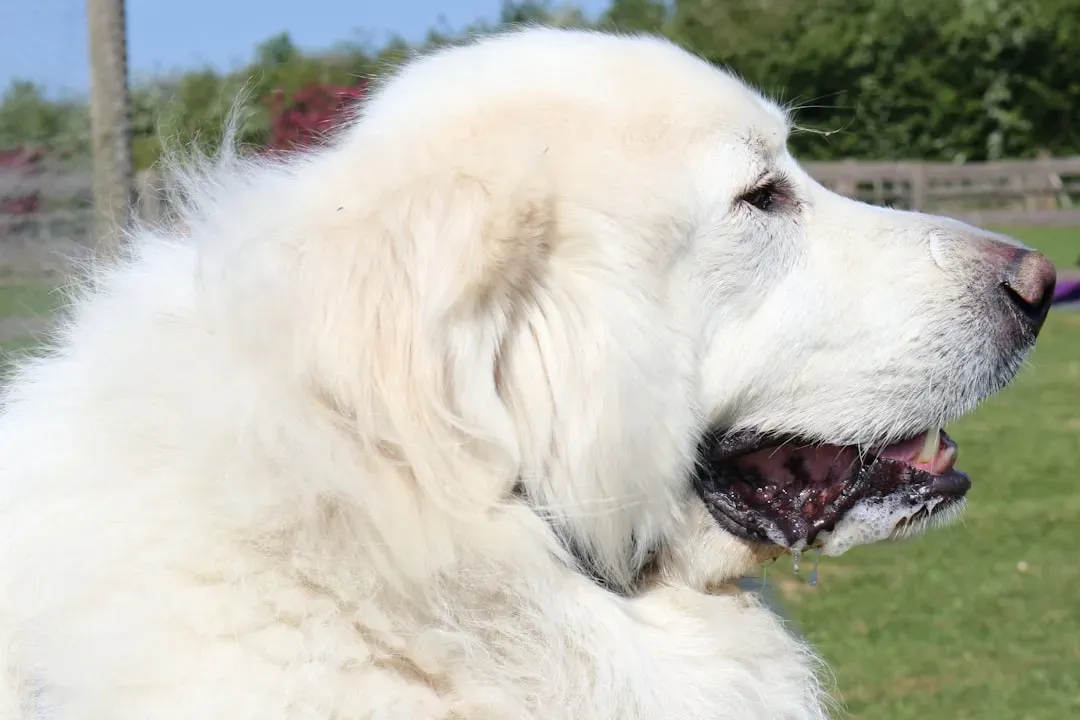
Originally bred to guard sheep in the mountains, the Great Pyrenees is strong, courageous, and calm. With a thick double coat, they are well-equipped for cold climates, and they’re protective yet affectionate, making them an ideal mix of guard dog and family companion.
Gentle, devoted, and independent, Great Pyrenees are natural guardians known for their calm demeanor and protective instincts. They’re affectionate with their families and thrive in homes that appreciate a steady, loyal companion. Here’s the thing, though: their independence means they can be a little stubborn during training, so patience isn’t optional.
That history shaped their calm, observant, and fearless personality, and though they no longer live in the mountains, many still have an instinct to watch over their family, especially at night. Don’t be surprised if your Great Pyrenees patrols the backyard at dusk. It’s not anxiety. It’s ancient instinct at work.
10. Labrador Retriever: The World’s Favourite Calm Companion
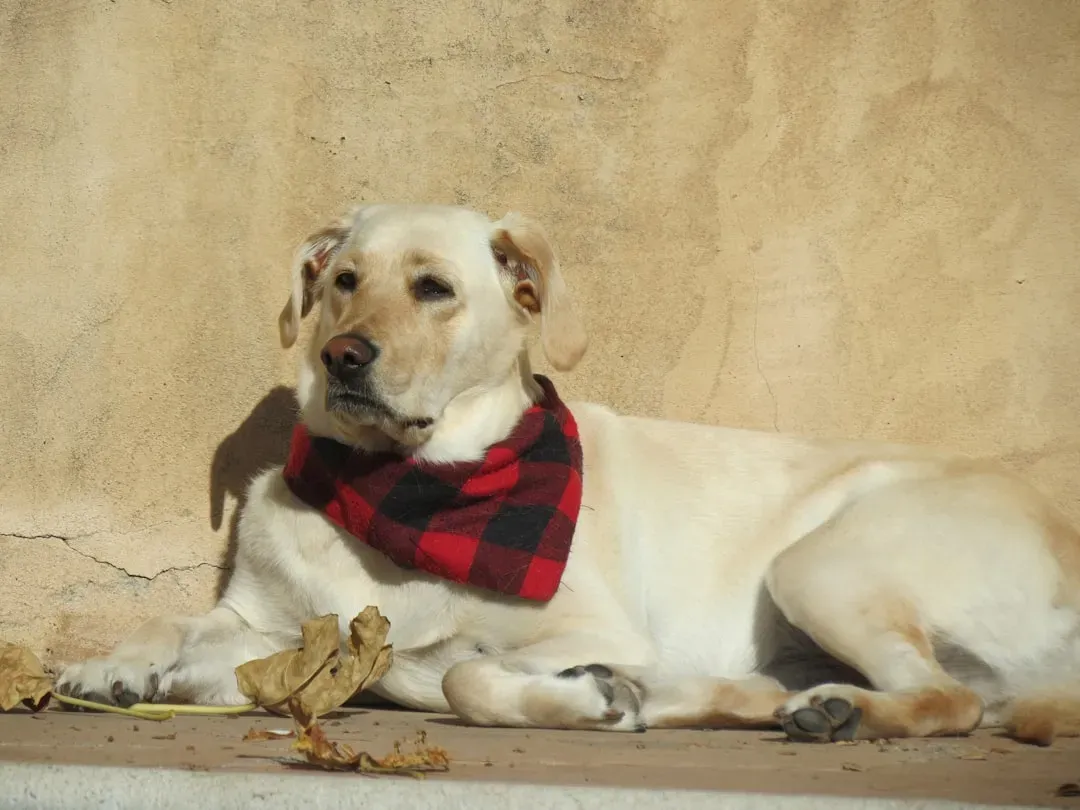
Bringing a beautiful balance of enthusiasm and steadiness to family homes, Labradors are affectionate without being overwhelming and are especially tolerant around children, making them one of the most trusted family breeds worldwide. Their love for activity is matched by an equally strong desire to relax with their people, and labs respond well to training and quickly adapt to household rhythms, making daily life feel easy and enjoyable.
Labrador Retrievers are one of the most popular dog breeds worldwide, known for their friendly and outgoing personality, intelligence, and versatility. Labs excel as family pets, working dogs, and service animals. They genuinely seem to love every role they’re given, which is part of why so many families simply can’t imagine life without one.
Big dog breeds are especially prone to certain health conditions, and common concerns that pet parents should be aware of include bloat and gastric dilatation-volvulus, hip dysplasia, wobbler syndrome, and hypothyroidism. Feeding Labs at scheduled mealtimes rather than free-feeding, and avoiding vigorous exercise right after meals, helps protect against some of these risks significantly.
What Every Gentle Giant Owner Should Know
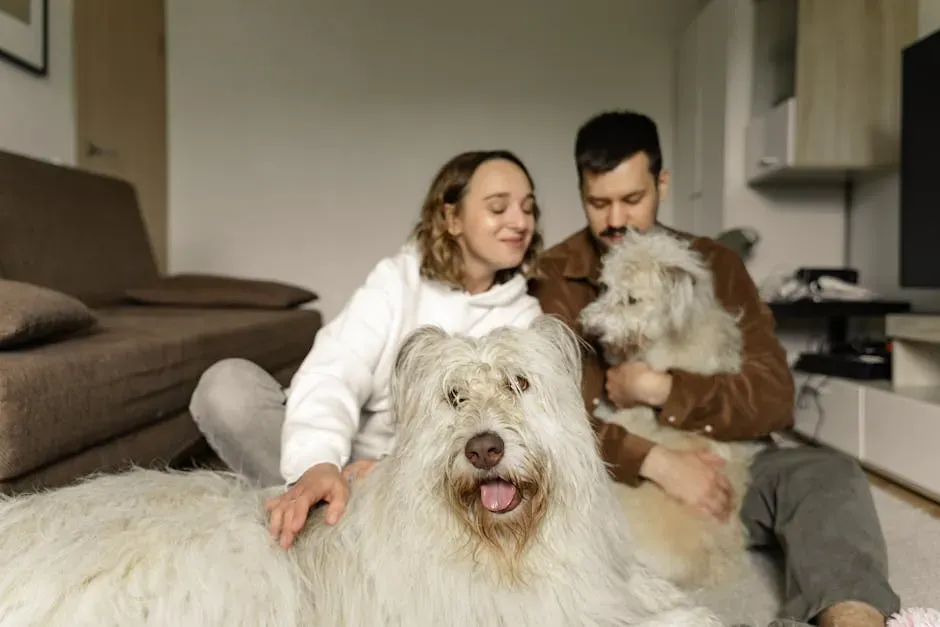
Owning a giant breed does come with unique responsibilities. Their size often means higher costs for food, healthcare, and living space, along with a shorter average lifespan of around 6 to 10 years, yet their loving nature, devotion, and protective instincts outweigh these considerations for those who value connection and companionship.
Gentle giants often mature into calm adults, but early socialisation and consistent care are essential to help them thrive. Large dogs also require thoughtful nutrition, joint care and comfortable living spaces to support their size and wellbeing. Think of raising a gentle giant less like a chore and more like an investment. The returns in loyalty and love are extraordinary.
A dog’s environment, daily exercise, and training can greatly influence their calmness, and by taking the time to provide your dog with plenty of physical and mental stimulation, you can deepen your bond while also making sure that when it’s time to relax, they’re content to snuggle up and chill out. Ultimately, every calm and affectionate large dog you’ve ever met didn’t get that way by accident. Love, consistency, and good care built them that way.
Conclusion: Big Dogs, Bigger Love
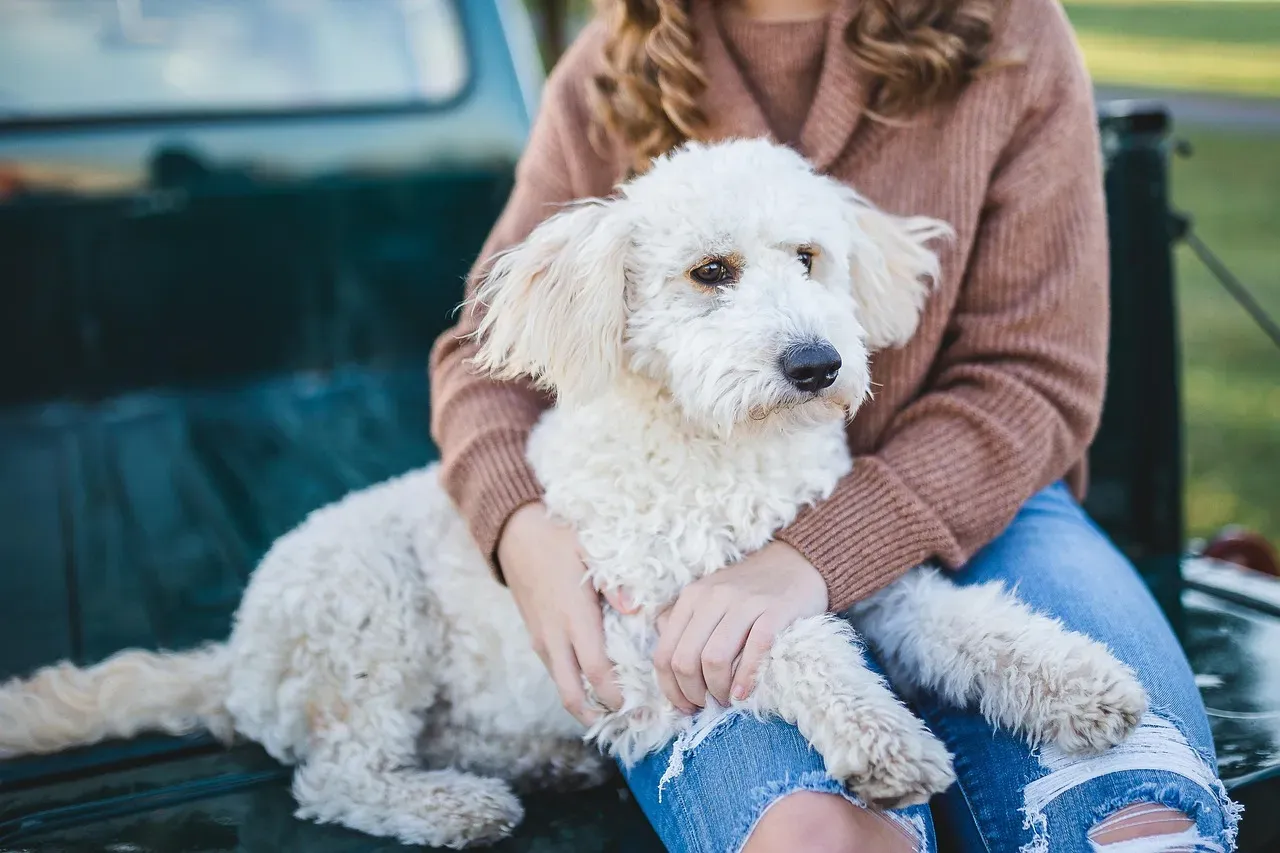
Here’s the thing that no one tells you before you bring home a gentle giant: the moment that massive dog settles into your life, the whole house feels different. Warmer. Stiller. More complete. Giant dog breeds are the biggest pups, and though they are sizeable in stature and often have a deep, loud bark, giant breeds are consistently some of the best cuddlers, the most loyal companions, and the friendliest additions to families.
Whether your heart belongs to the drooling Saint Bernard, the water-loving Newfoundland, or the regal Great Pyrenees, each of these breeds offers something rare: the feeling of being loved unconditionally by something much bigger than yourself. Their steady presence eases stress, helps people feel secure, and reduces loneliness during difficult times, and with natural sensitivity, they respond to human emotions and create a calming atmosphere, with their companionship even supporting emotional healing alongside professional care.
If you’ve been hesitating because of size, stop hesitating. The size is exactly the point. More fur to bury your face in. More warmth on a cold night. More dog to love. Which of these gentle giants stole your heart? Tell us in the comments!


