
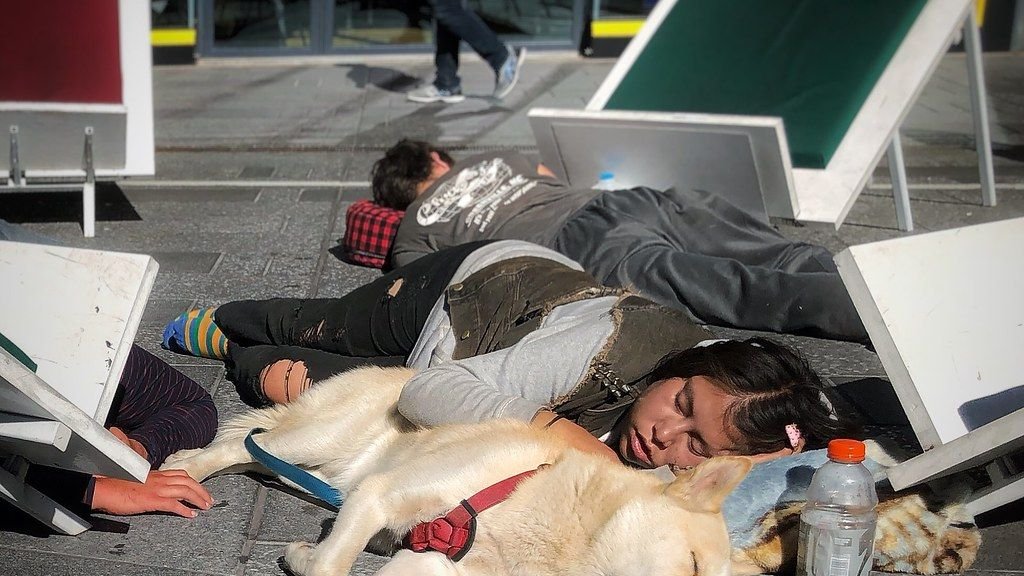
You’ve probably noticed it more than once. That quiet moment at bedtime when your furry companion moves away from their plush, expensive bed and settles down on the floor between you and the bedroom door. Maybe you’ve even tripped over them in the middle of the night. It’s endearing, sure, but have you ever stopped to wonder why they do it?
Let’s be real, this isn’t random. Your dog isn’t just being stubborn or quirky for no reason. There’s something deeper going on, something rooted in thousands of years of canine history and an unbreakable bond with you. This sleeping position speaks volumes about who your dog is and how they see their role in your home. Let’s dive in.
The Ancient Guardian Instinct Lives On
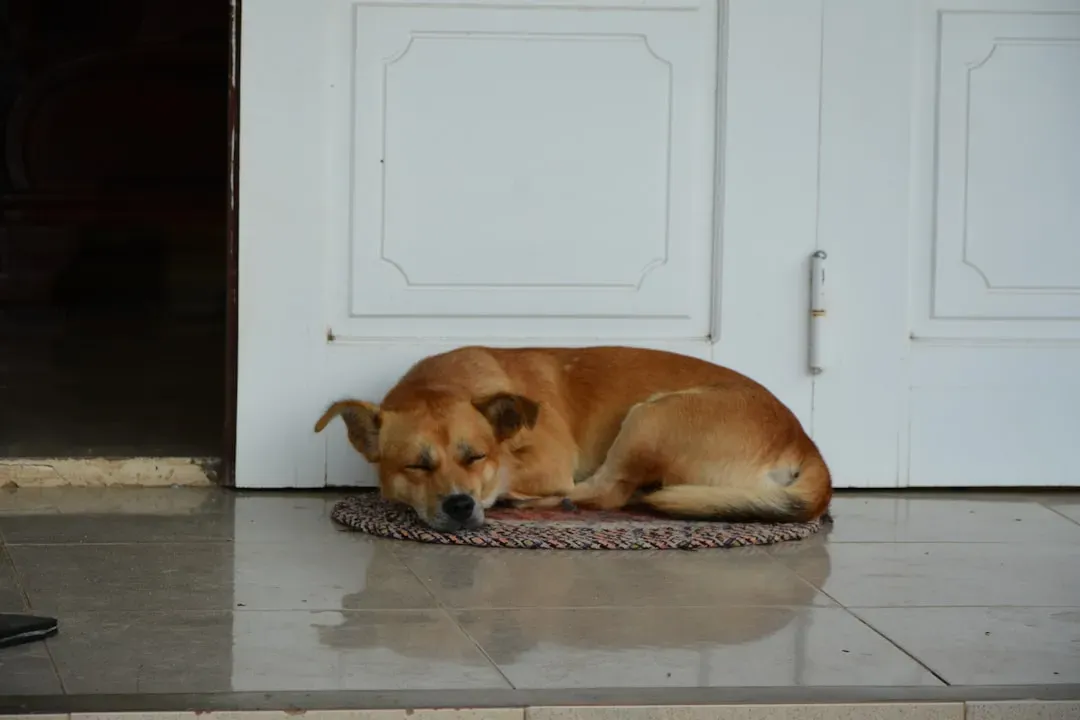
Dogs have been instinctively sleeping near doorways since ancient times, long before they curled up on our memory foam beds or wore designer collars. Think about it: their wild ancestors had to survive in a world filled with real threats. Every night was a gamble.
When a dog chooses to sleep by the door, it may be a sign of their instinct to protect their family, positioning themselves near the entrance so they can act as a guard, alerting you to any potential dangers or intruders. Your dog sees you as their pack, and whether you realize it or not, they’ve appointed themselves as your nighttime sentry. It’s honestly one of the most selfless things they do.
This behavior runs so deep that certain breeds take it especially seriously. The German Shepherd, Tibetan Mastiff, and Sarplaninac are just a few dog breeds who continue to take their role as guards seriously. Even smaller breeds can exhibit this protective streak. Your ten-pound terrier might think they’re a lion when they’re stationed between you and that door.
Pack Behavior and the Need to Stay Close
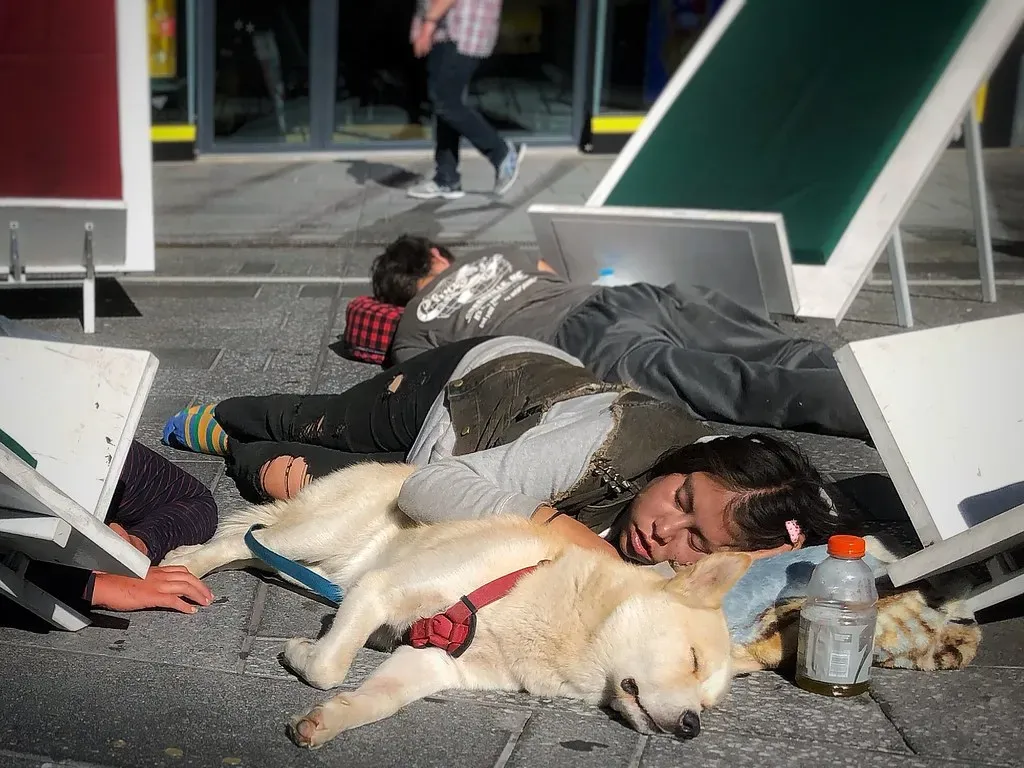
Dogs, descended from wolves, have retained strong instincts rooted in pack behavior and loyalty, including a natural drive to protect members of their human pack, especially during vulnerable times like sleep. In the wild, pack animals don’t scatter randomly for rest. They stay together, they watch over one another, and proximity equals safety.
When your dog sleeps between you and the door, they’re essentially saying, “I’ve got your back.” Dogs that sleep facing the door or between you and the entrance are positioning themselves to intercept any potential threat. It’s a deliberate choice. They’re not just being clingy; they’re being strategic.
When dogs sleep at your feet or somewhere close to you, they’re doing so to feel safe and connected to you, which aligns with pack behavior, where staying near their leader provides comfort and protection. Here’s the thing: you might think you’re the one protecting them, but in their eyes, the roles are shared. You lead the pack, but they guard it.
Monitoring Comings and Goings
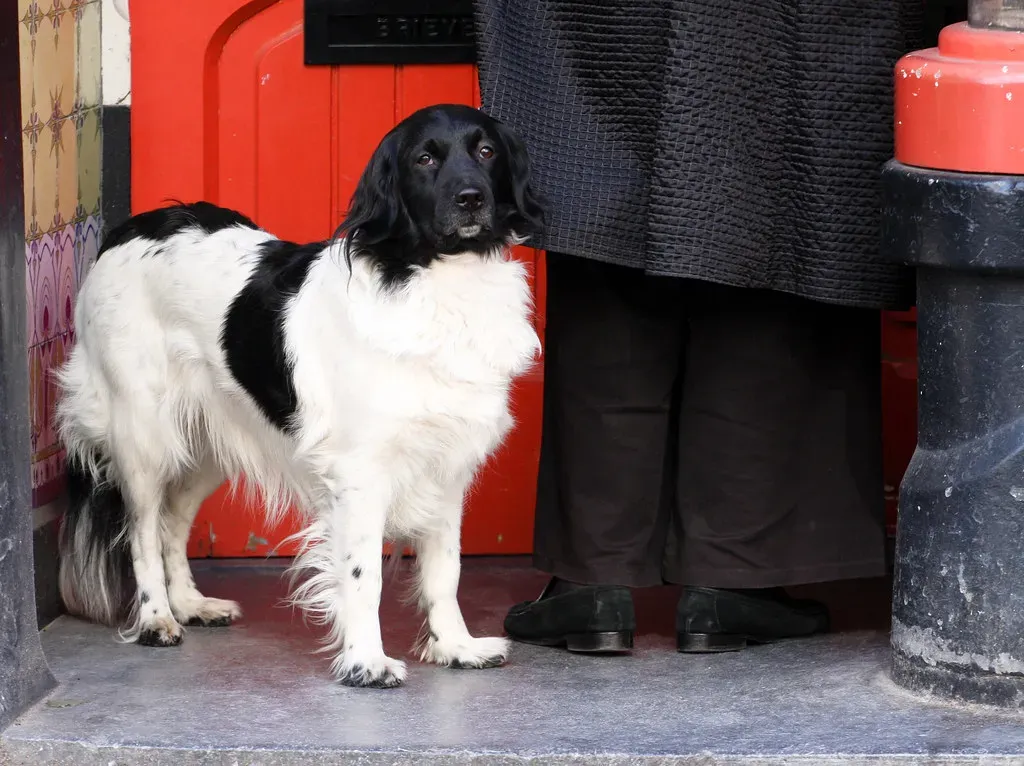
By sleeping by the door, your dog may be keeping tabs on household comings and goings, which may be their low-key method of subtly guarding the perimeter of the house. Dogs are naturally curious creatures, and doorways represent the gateway to the outside world. Everything interesting happens there: visitors arrive, family members leave, delivery trucks rumble by, and mysterious sounds echo through the night.
For many dogs, especially those who develop strong attachments, the door can be an area of mixed feelings. When their owners exit without them, the door becomes a symbol of separation and uncertainty associated with anxious waiting. By positioning themselves right there, they gain a sense of control over the situation. They’ll be the first to know when you’re leaving or returning.
I think it’s fascinating how much thought goes into this. The doorway may be seen as a place of good things: it’s where their favorite dog walker comes to pick them up, and it’s where their beloved human walks through after work. It’s like their personal command center for all household activity.
Separation Anxiety and Waiting for Your Return
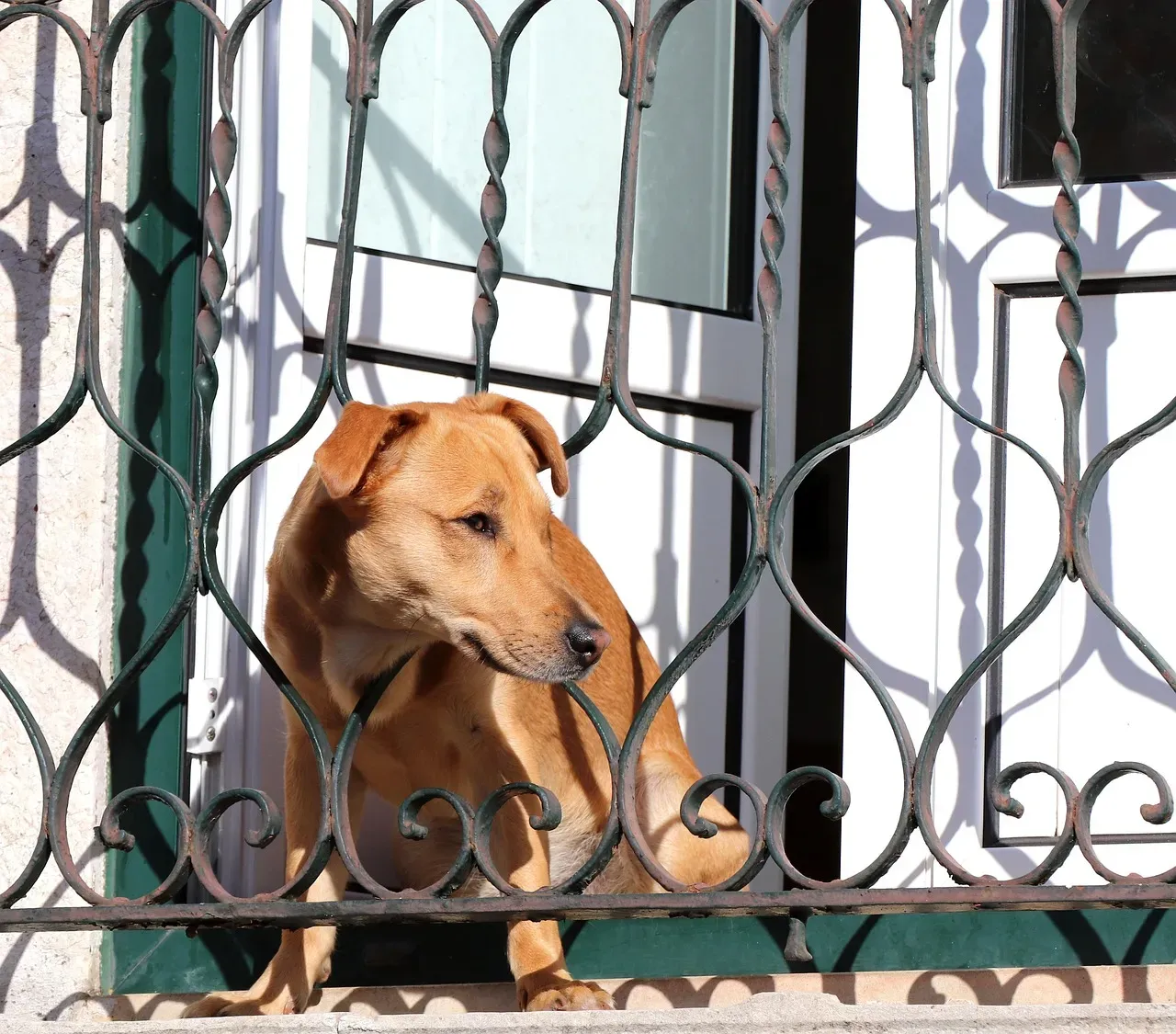
Sometimes the door-sleeping behavior stems from a less joyful place. Dogs suffering from separation anxiety truly suffer when their owners leave the home, which leaves them in a deeply anxious emotional state. If your dog camps out by the door every single time you’re gone, barely moving until you return, that could signal something more than just protective instinct.
If your dog sleeps by the door, it could be a sign they miss you. The difference between waiting and experiencing separation anxiety is behavior: if your dog seems stressed when you leave and overly excited when you arrive, it could indicate anxiety, but if your dog is acting normal while sleeping next to the door, it could simply mean they miss you. There’s a fine line between affection and anxiety.
Watch for other signs: excessive barking, destructive behavior when you’re away, or refusal to eat. In these cases, dogs may need professional intervention from a dog behavior professional, as always being near the door can reflect an underlying anxiety that requires close monitoring and treatment. It’s not something to ignore or dismiss as “just being dramatic.”
Temperature, Comfort, and Practical Reasons
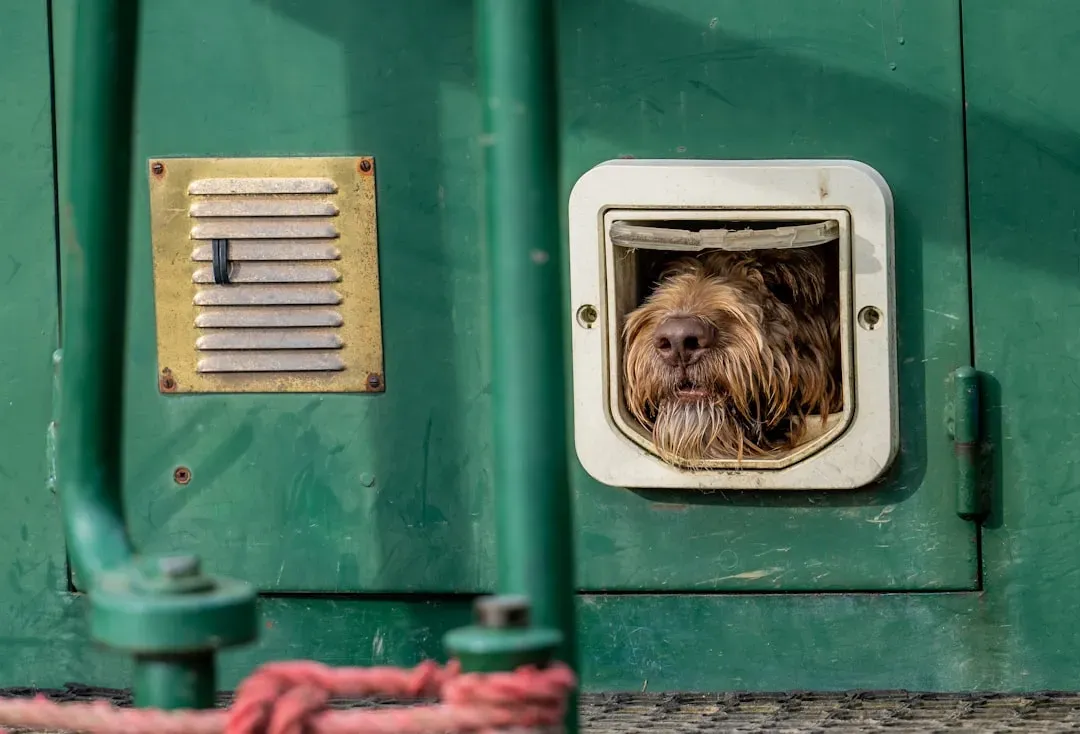
Let’s not overlook the obvious. The most common reasons dogs sleep by the door include guarding purposes, temperature control, a signal to go outside, waiting for their owners, or because it feels safe and comfortable. Sometimes your dog simply finds that spot by the door cooler, quieter, or less drafty than other areas.
Some dogs can be very subtle in the cues they provide about needing to go outside to potty. Going and laying by the door, especially if it’s outside of their normal sleeping hours, may be your pup’s signal that they need to go out. So before you attribute deep psychological meaning to the behavior, check if they just need a bathroom break.
A dog with arthritis or mobility issues may find it difficult to move to and from their usual sleeping spot, opting to stay closer to the door as a means to more easily signal when they need to go outside for relief. Furthermore, diseases affecting their bladder or kidneys can increase the frequency of their bathroom needs. Health matters. If this is new behavior in an older dog, a vet visit might be in order.
Conclusion: A Silent Promise of Protection
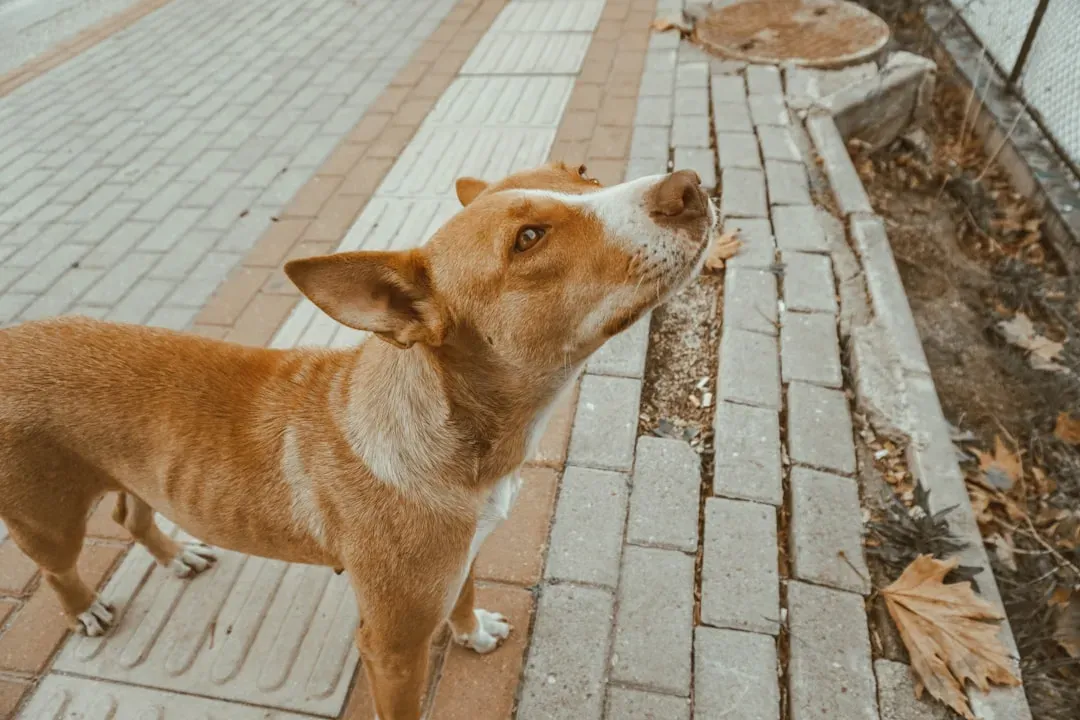
Your dog’s watchful nature is rooted in more than just protection; it’s an extension of love, trust, and loyalty. The next time your pup curls at your feet or positions themselves between you and the door, understand it as a gesture of care, whether with a growl, a bark, or just unwavering attention, as dogs instinctively take on the role of protector, especially when you’re asleep and at your most vulnerable.
That spot between you and the door? It’s their chosen station, their post, their way of saying, “I’ve got this.” Sure, it might be inconvenient when you’re stumbling to the bathroom at 3 a.m., but it’s also one of the purest expressions of devotion you’ll ever witness. So what do you think? Does your dog have a guardian spot they refuse to give up? Share your stories in the comments.


