
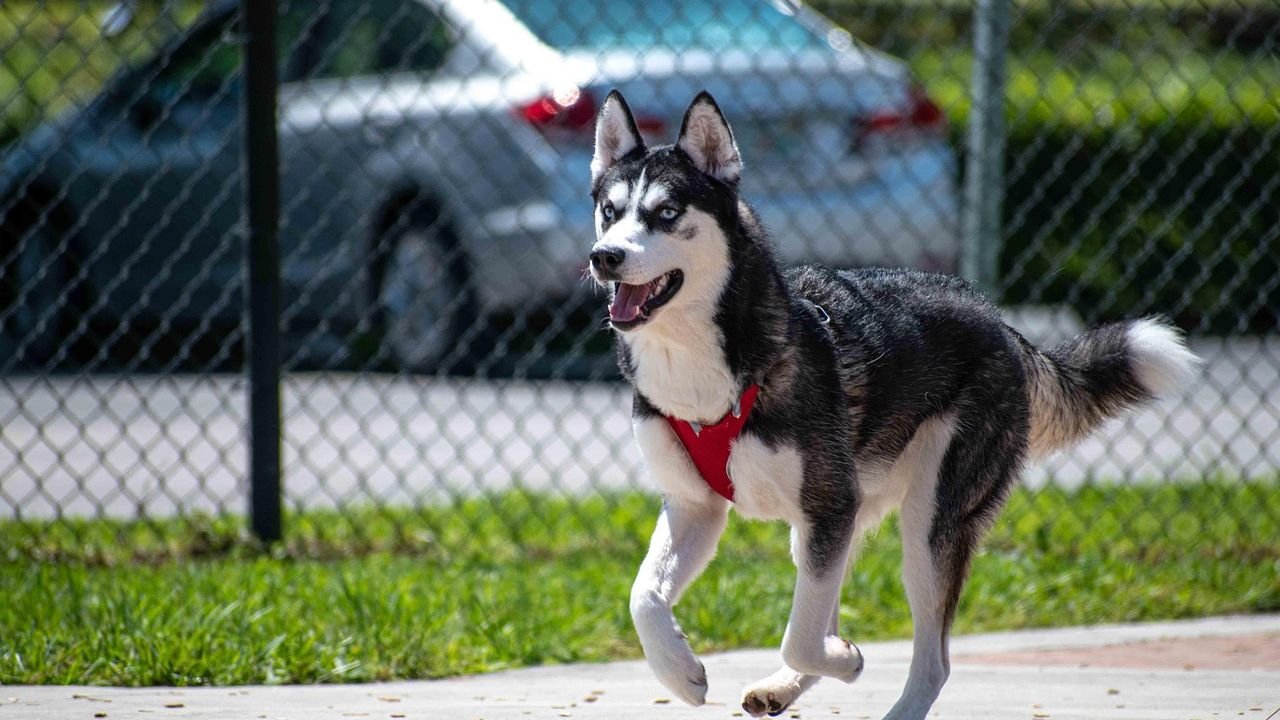
Let’s be honest. There’s something magical about bringing home a dog and dreaming of that perfect companionship, the kind where your furry friend hangs onto every word and follows commands like clockwork. Yet sometimes, reality looks a bit different. Your pup might ignore you entirely, chase a scent into the next county, or give you that aloof stare that says, “I heard you, I just don’t care.”
I know how frustrating that feels. You’re not alone, and trust me, it doesn’t mean you’re a bad dog parent. Some breeds are simply wired differently. Their stubbornness isn’t defiance or disobedience. It’s independence, intelligence, and generations of breeding for specific jobs that required them to think for themselves. These dogs are loyal, loving, and brilliant, they just need a different approach. So if you’ve ever felt like giving up during a training session, take a deep breath. Let’s explore what makes certain breeds tougher and how you can work with their nature instead of against it.
The Independent Thinkers: Afghan Hounds
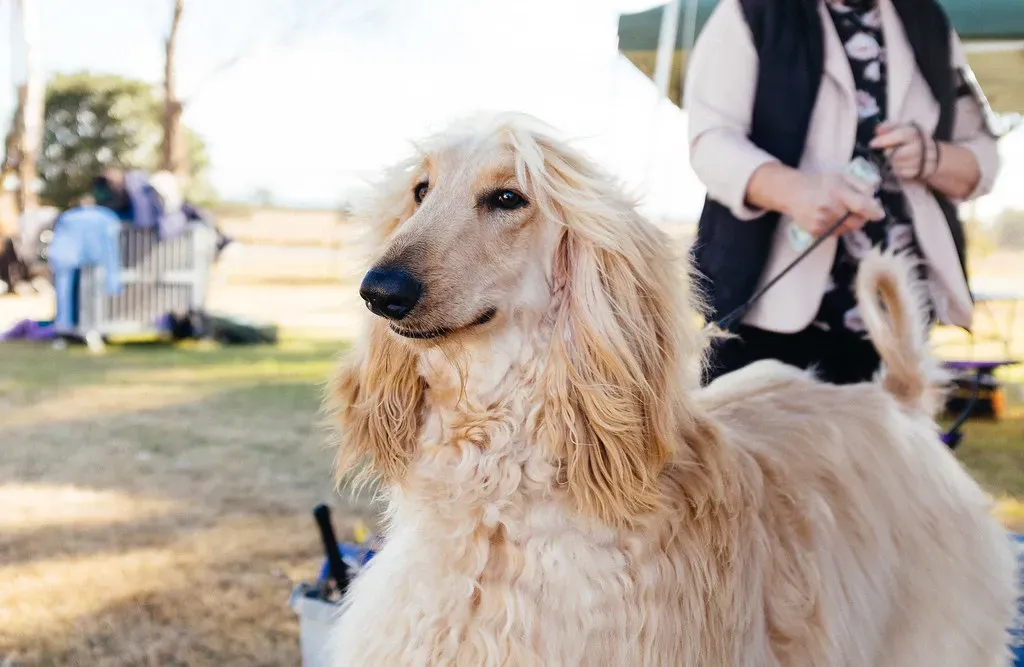
The Afghan Hound is often called the royalty of the dog world, with its long, silky coat and regal stature. This breed is breathtakingly beautiful. Picture elegance in motion, a dog that looks like it belongs in a palace. Yet beneath that glamorous exterior lies a fiercely independent spirit that can make training feel like negotiating with a dignified aristocrat.
Afghan hounds are hunting dogs from the sighthound family, a group that hunts primarily through speed and keen vision rather than scent, and learning commands may never have been part of their genetic or evolutionary design. They were bred to chase down prey across mountainous terrain, making split-second decisions without human guidance. Afghan hounds can be aloof and distant, but also independent and stubborn, traits that make them hard , though that does not necessarily mean they are not smart.
What works with this breed is creativity and patience. Short, engaging sessions keep them interested. Their strong hunting instincts and sensitivity to harsh handling require dedicated training and a gentle, reinforcement-based approach, with consistency and building a strong bond being key to a successful properly trained dog. Honestly, if you’re considering an Afghan Hound, prepare for a marathon, not a sprint.
The Escape Artists: Siberian Huskies
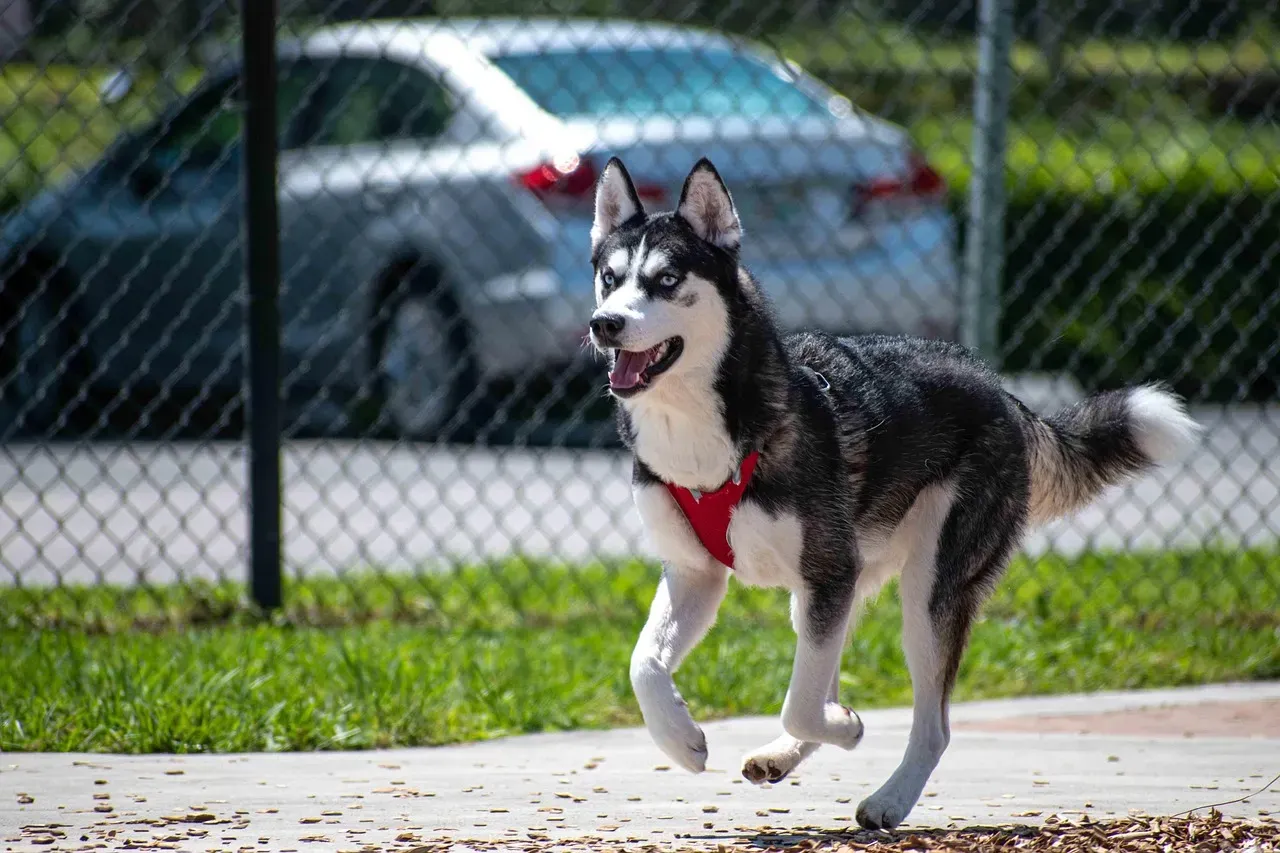
Siberian Huskies are known for their gorgeous appearance and high energy levels. Those piercing blue eyes, that wolfish beauty, it’s no wonder they’re so popular. The thing is, Huskies were bred to pull sleds across vast frozen landscapes, working largely on their own initiative. Huskies are demanding, strong-willed and stubborn, making training them anything but a walk in the park, and they are one of the highest energy dogs out there, no doubt due to the fact that the breed was developed to be sled dogs capable of traversing long distances.
These dogs need heaps of exercise. I’m talking serious, run-until-you-drop levels of activity. They need a lot of exercise and mental stimulation to prevent boredom, which can lead to destructive behavior. Boredom is the enemy here. If Houdini was a pooch, he’d be a Siberian Husky; these dogs are notorious escape artists. High fences, secure yards, and constant mental challenges are essential.
Training a Husky requires patience, consistency, and a good understanding of how to channel their energy positively. They’re vocal too, so if you value peace and quiet, this might not be your breed. Yet their loyalty and playful nature make them worth every exhausting minute.
The Nose-Led Wanderers: Beagles
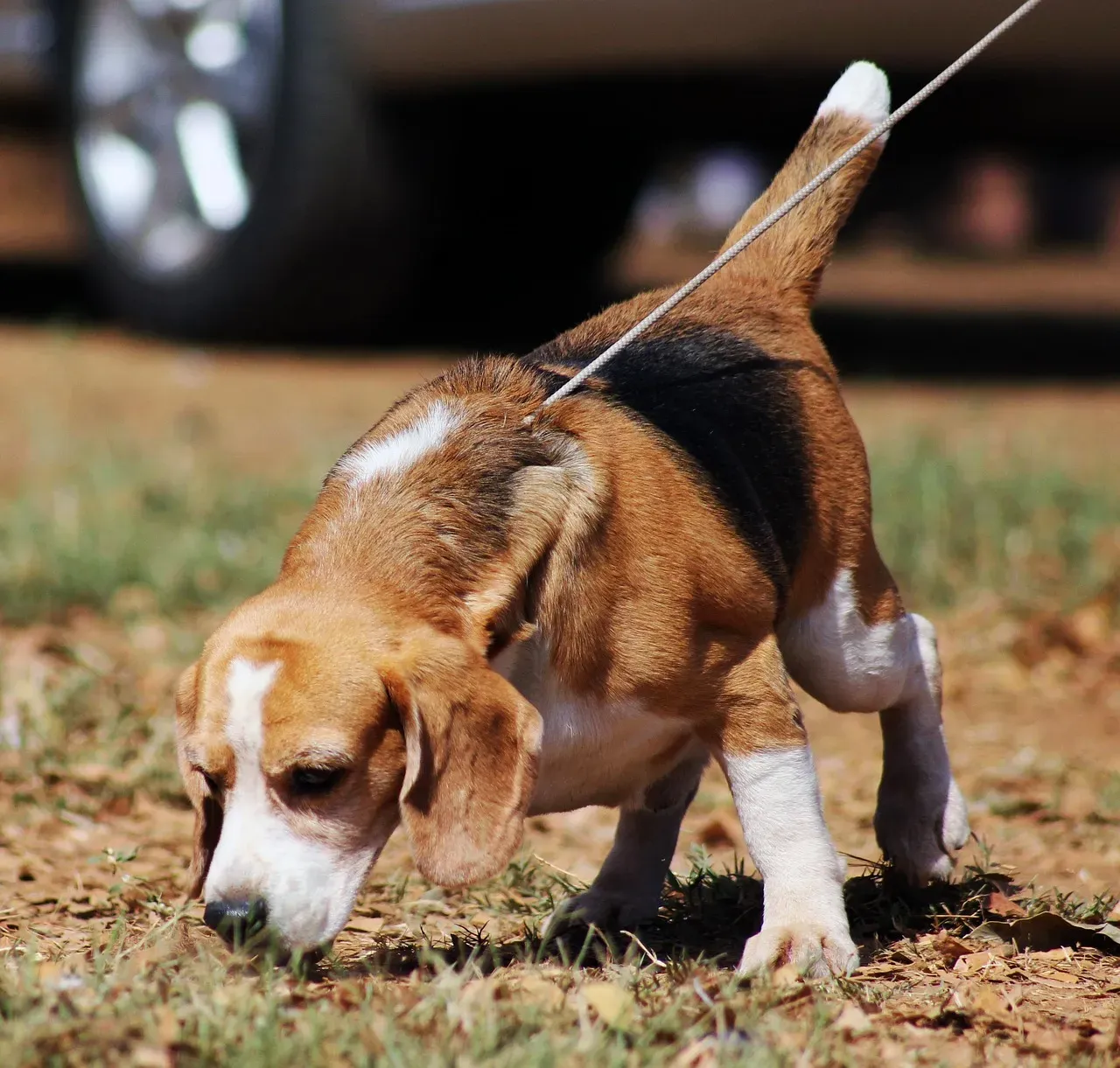
Beagles are excellent family dogs and even considered one of the best dogs for kids, however, these hunting dogs have a very strong focus on the smells around them and a strong genetic inclination to follow scent trails, which is what makes them one of the hardest dogs . That adorable face, those floppy ears, they’re hard to resist. Yet the moment a Beagle catches an interesting scent, you might as well be invisible.
Their stubbornness comes from their breeding. Beagles were developed to track rabbits and other small game, often working independently from their handlers. They cannot resist exploring the world through scent and chasing small creatures. The world is one big sensory buffet for them, and commands take a backseat to whatever their nose picks up.
Despite being a bit stubborn, owners can overcome that with treats because beagles are usually motivated by food. Food is your secret weapon here. Keep training sessions short, engaging, and always have high-value treats on hand. They can be a challenge training in distracting outdoor environments and off-leash recalls. Honestly, off-leash recall with a Beagle requires dedication and a lot of patience.
The Stubborn Charmers: Bulldogs
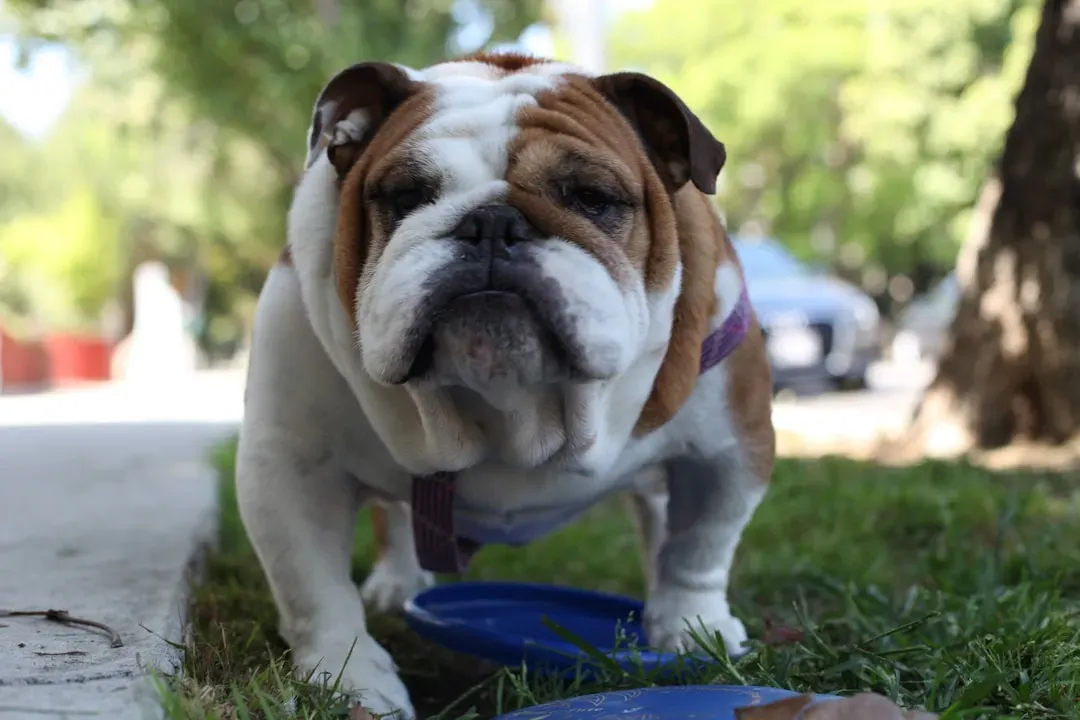
There’s no mistaking an English Bulldog, with its squat, heavily-muscled body and square-jawed head, they cut quite the imposing figure, while friendly and generally eager to please, they can be quite resolute if the mood pleases them. Bulldogs have that adorable grumpy face and a relaxed, easygoing demeanor. They seem like couch potatoes, right? Yet when they decide they don’t want to do something, good luck changing their mind.
Another breed known for stubbornness is the bulldog, which can make training difficult, and the bulldog was originally developed in 17th century England for bull baiting. That tenacious, stand-your-ground personality is baked into their DNA. They’re not aggressive or mean, just incredibly determined.
Short training sessions work best. Bulldogs can overheat easily, so keep things cool and comfortable. Positive reinforcement doesn’t just mean treats; use plenty of praise, belly rubs, playtime, and dog bone chew time as rewards, making good behavior feel like they just hit the jackpot. Patience is everything with Bulldogs. Their sweetness and loyalty far outweigh their stubbornness once you find what motivates them.
The Aloof Aristocrats: Chow Chows
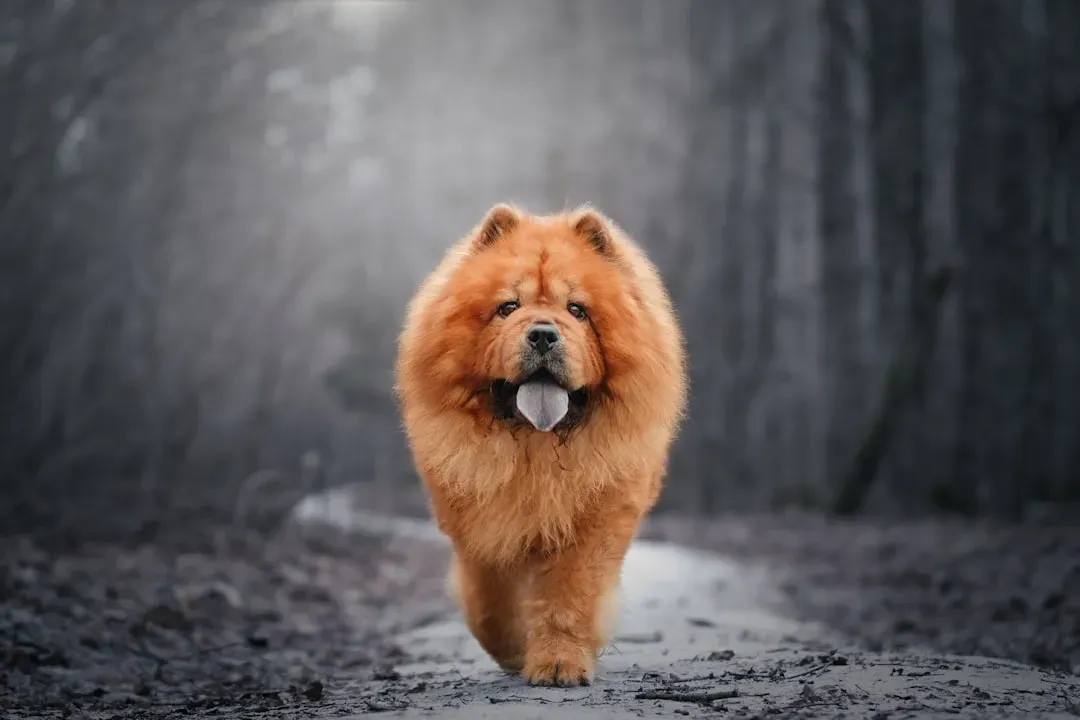
In looks and temperament, Chows are unique among dogs, along with their trademark blue tongue, teddy bear appearance and scowl, Chows are also known for their aloofness and independence, being less eager to please than many other dog breeds. Chow Chows are undeniably striking, looking like fluffy lions with that distinctive purple tongue. Yet their independent nature can make them seem downright indifferent ing.
Chow Chows are notoriously difficult because they don’t possess the eager-to-please nature found in many other breeds; instead, they’re strong-willed and discerning, often questioning the necessity of commands before acting, and their independence requires an owner who can establish calm authority early on, using consistency and patience rather than force. They form deep bonds with their families but remain wary of strangers.
Early socialization is crucial. Chow Chows have a reputation for being strong-willed and aloof, they can be wary of strangers and may require extensive socialization, and training a Chow Chow requires firmness, consistency, and reinforcement, with early socialization and obedience training being crucial for this breed. Harsh corrections will only make them more stubborn, so positive reinforcement and calm, firm leadership work best. Their loyalty, once earned, is unwavering.
The Fearless Hunters: Jack Russell Terriers
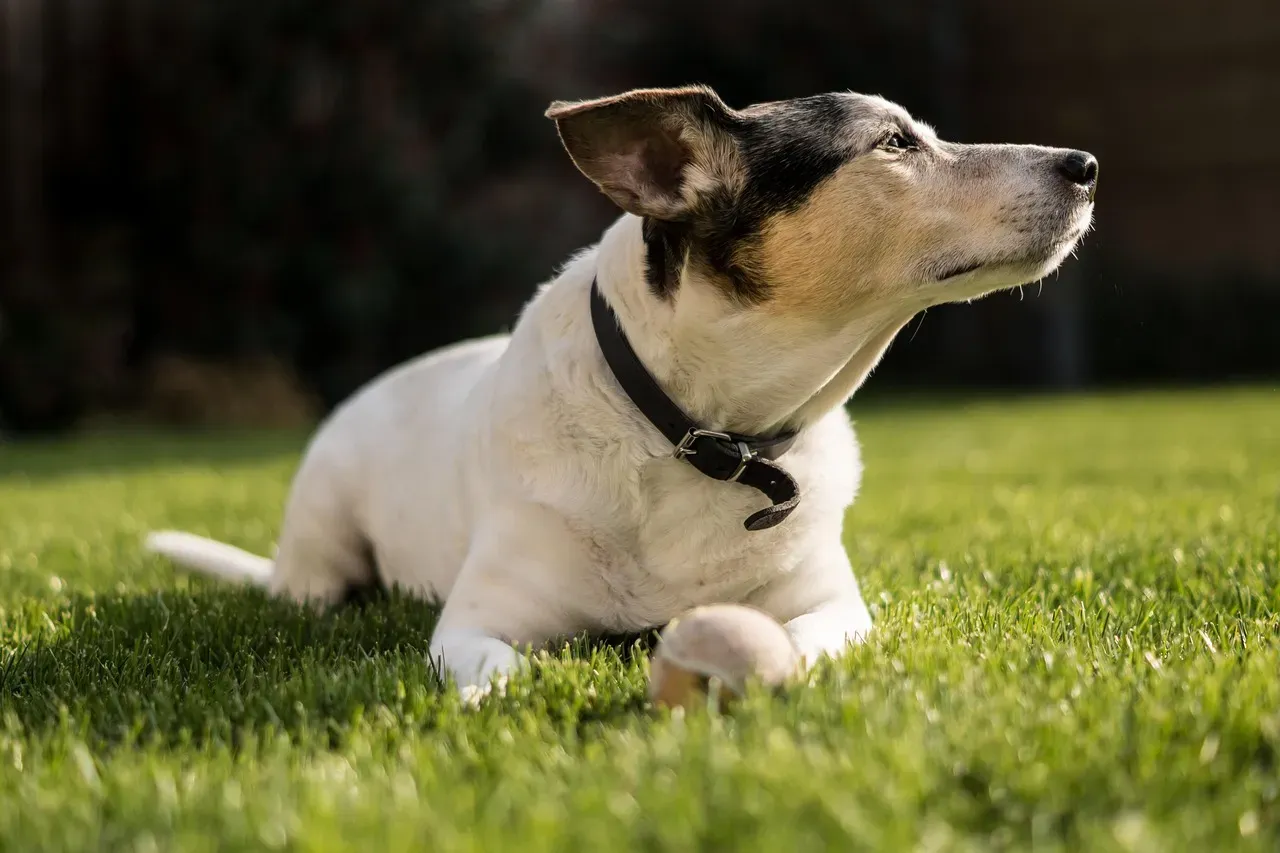
Jack Russell terriers are small, powerful dogs that were bred to be used in fox hunting, and they have a very high prey drive, which makes them one of the hardest dogs . These little dynamos are full of energy, intelligence, and a relentless drive to chase anything that moves. Don’t let their size fool you. They’re fearless, determined, and always ready for action.
It is important to do research on this breed, as they require lots of exercise and proper outlets for their smart and funny personality, and they love to learn and play games but can get bored, which could lead to destructive behavior. Mental stimulation is just as important as physical exercise. Puzzle toys, agility training, and scent work help keep their busy minds occupied.
Training a Jack Russell requires consistency and firm boundaries. To deal with their stubbornness, you need to find some excellent motivators, as the dog is quite active and ready for action all the time, so your offering must be better than distractions. These dogs aren’t for first-time owners. They need someone who can match their energy and outsmart their clever antics. Yet their affectionate, playful nature makes them wonderful companions for the right person.
Conclusion: Embracing the Challenge
Many difficult dog breeds were originally bred for independence, strength, and decision-making in challenging environments, and these traits, while admirable, can make obedience training a true test of consistency, with proven training methods such as positive reinforcement and clear leadership ensuring these loyal dogs learn to respect and trust their owners, as even the hardest dogs can transform into well-mannered companions with time, care, and commitment.
Training a challenging breed isn’t about breaking their spirit or forcing obedience. It’s about understanding their history, respecting their instincts, and building a relationship based on trust and mutual respect. Patience is a virtue when it comes ing independent dogs; unlike some breeds that may quickly pick up commands, stubborn dogs may require more time and repetition to grasp new concepts, and understanding that progress may be gradual and inconsistent is essential for maintaining a positive attitude during training sessions.
Every small victory matters. Celebrate progress, stay consistent, and remember that your dog isn’t trying to frustrate you. They’re simply being who they were bred to be. With dedication and the right approach, these independent souls become some of the most devoted companions you’ll ever know. What’s your experience with training challenging breeds? Share your story in the comments.


