
You’ve stepped on their paw again. Maybe you forgot their morning walk or lost your temper during a frustrating training session. The guilt settles in your chest like a stone. Yet when you finally turn to face them, there they are – tail wagging, eyes bright, ready to love you all over again as if nothing happened.
How do they do it? Why do they do it? The answer lies deeper than simple loyalty. It reaches into the very architecture of their brain, into thousands of years of survival instinct, and perhaps most heartbreakingly, into their fundamental inability to hold onto pain the way we do.
Their Brains Are Wired to Let Go, Not to Remember
Here’s the thing that might break your heart a little. The cerebral cortex in a dog’s brain, the part responsible for higher-order thought functions and language, is not sufficiently developed to support human-like conceptual thinking, and the same anatomical feature which makes dogs incapable of feeling guilt also allows them to forgive easily because they don’t have the framework of language to help them structure and retrieve memories in any detail.
Think about that for a moment. Your dog doesn’t forgive you because they’ve weighed your actions and decided you’re worthy of grace. They live primarily in the present moment, assessing current emotional signals rather than dwelling on past injuries. When you accidentally hurt them, they feel it. When you raise your voice, they register your displeasure. However, they cannot replay these moments in their mind like we do, turning them over and over, building narratives about intent and betrayal.
Dogs typically forget specific incidents within two to four minutes, their short-term memory is brief, making delayed correction ineffective for addressing unwanted behaviors. That beautiful, forgiving gaze? It’s not necessarily absolution. It’s simply them moving forward because their brain cannot do anything else.
They Evolved to Bond With Us, No Matter What
Let’s be real, the relationship between humans and dogs isn’t just special. It’s biochemically unique. Of the duos that had spent the greatest amount of time looking into each other’s eyes, both male and female dogs experienced a 130% rise in oxytocin levels, and both male and female owners a 300% increase. This is the same hormone that bonds mothers to their infants. Your dog’s brain literally experiences you the way a child experiences a parent.
The long coexistence between dog and man has allowed the canine to evolve to take advantage of the human hormone oxytocin to blur the lines between the relationship between animal and owner to mimic that shared by parent and child. Wolves raised by humans don’t show this same oxytocin response. Dogs, through thousands of years of domestication, have become neurologically hardwired to connect with us on a level no other species can match.
This means when you mess up, when you’re impatient or unfair, their brain chemistry pulls them back toward you anyway. It’s not weakness. It’s the result of an evolutionary partnership that rewired their very neurons to need us, trust us, and yes – forgive us.
Pack Survival Depends on Letting Conflict Go
In all cases, reconciliation occurred immediately after the conflict. Researchers studying dog behavior have found something remarkable. Dogs involved in conflict were more inclined to spend time together after the conflict than before it. This isn’t just about being friendly. It’s about survival.
In the wild, dogs are critically reliant on membership of the pack for survival. Holding grudges? That’s a luxury pack animals cannot afford. In nature, isolation equals death. Your dog’s ancestors who nursed resentments didn’t pass on their genes. The ones who reconciled quickly, who restored social bonds after disputes, those were the survivors.
The study found only one theory matched in this context: uncertainty and stress reduction best explained the behavior of the dogs, and both victims and aggressors showed reconciliation behaviors toward one another after a conflict. When your dog forgives you instantly, they’re following an ancient script written in the DNA of their wolf ancestors – one that says the pack must stay together, no matter what.
They Remember Patterns, Not Your Individual Mistakes
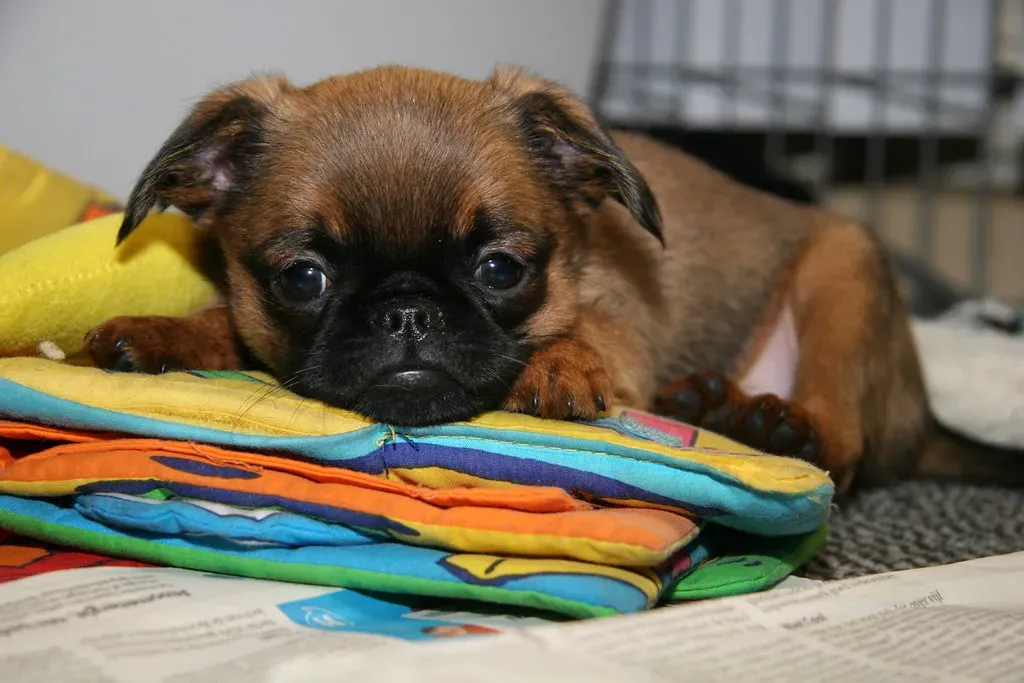
I know it sounds crazy, but your dog doesn’t remember that time you stepped on their tail last Tuesday. What they do remember is whether stepping on their tail happens constantly or rarely. Dogs work in large, general trends and recall most prominently those things which tend to be repeated, with more clear and prominent situations or consequences of their actions becoming more easily associated and easily learned.
Dogs depend largely on associative memory, where certain smells, sounds, or situations connect to positive or negative outcomes, and they possess strong long-term memory, especially when tied to emotions like comfort or rewards. Your individual slip-ups fade like morning mist. However, if you create a pattern of mistreatment, that becomes part of their emotional landscape.
This is both relieving and sobering. Unless you make a habit of rough treatment toward your dog, there’s every chance that all will be forgiven and forgotten in a very short span of time, but repeated bad behavior creates the opportunity for them to make an association between unpleasant experiences and you. They’re keeping score of who you are overall, not cataloging every mistake. Be the person those patterns say you are.
Their Forgiveness Is a Gift We Don’t Deserve
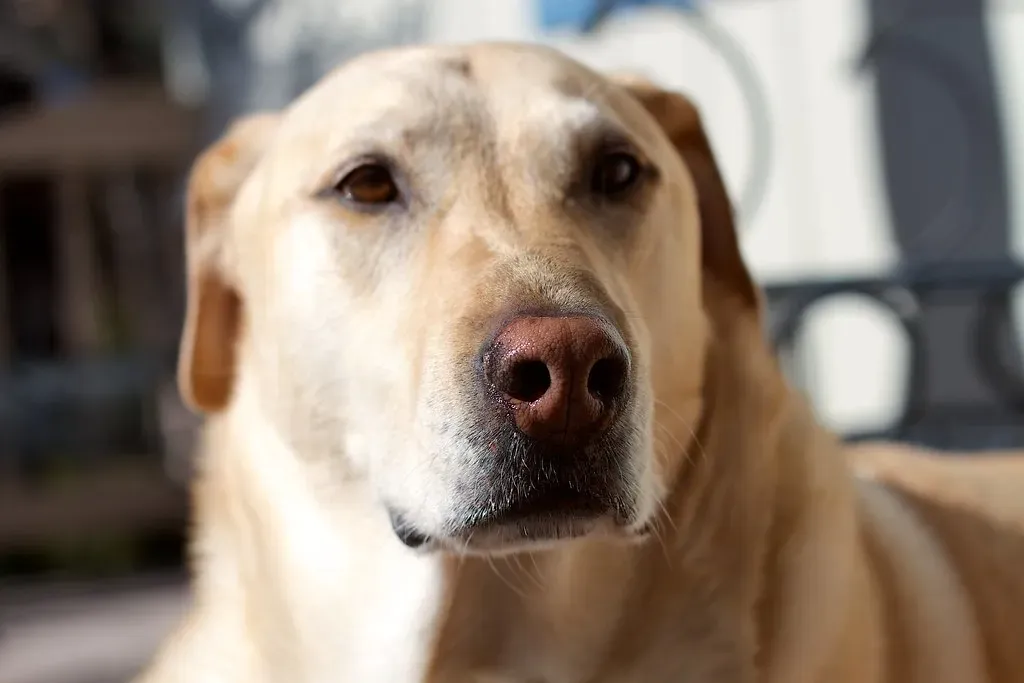
Perhaps the most heartbreaking truth is this. Your dog’s instant forgiveness isn’t about you earning it or deserving it. There is nothing you have ever done in your life to earn this kind of unquestioning loyalty. They offer it because of how they’re built, not because of how you’ve behaved.
For play to continue, the other individual must forgive the wrongdoing, and forgiveness is almost always offered; understanding and tolerance are abundant during play as well as in daily pack life. This capacity for endless grace is woven into their social fabric. Yet it comes with a responsibility that should weigh on every dog owner.
When it comes to long-term memory, researchers believe that dogs will remember events that were strongly positive or negative and have a major impact on the animal’s ability to survive, and they also believe that dogs will remember events that have a powerful emotional impact. While individual incidents fade, trauma can linger. Their forgiveness doesn’t erase the impact of cruelty or neglect.
The beautiful, terrible truth is that your dog will keep forgiving you right up until their spirit breaks. They cannot help it. The question is whether you’ll be worthy of that gift.
Conclusion
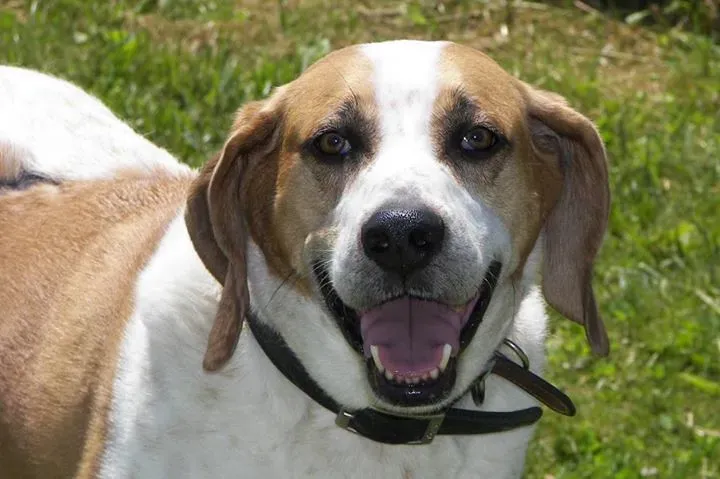
Your dog forgives you instantly not because they’re naive or simple, but because evolution, brain structure, and social survival have made them incapable of doing anything else. Their forgiveness is automatic, neurological, inevitable. It’s the most humbling gift we receive as dog owners.
This shouldn’t make us complacent. It should make us better. Every day, our dogs offer us a clean slate written in the language of wagging tails and hopeful eyes. They cannot hold grudges. They cannot nurse resentment. All they can do is meet us in this moment, right now, with all the love their hearts can hold. The least we can do is try to be worthy of it. What do you think – does knowing the science behind their forgiveness make you see your dog differently? Tell us in the comments.


