

Picture this: you come home after a long day at work, ready to fold that heap of fresh laundry waiting on the couch. There’s just one problem. Your dog has already claimed that pile as their personal nest, curled up in the center like they’ve found buried treasure. You might laugh at first, maybe snap a quick photo for friends. Then you wonder, why? Why does your dog always gravitate toward your clothes, especially when you’re not around?
Here’s the thing. This behavior isn’t random, and it’s definitely not just about comfort. It runs deeper than that. What your pup is really doing when they nestle into your worn hoodie or your favorite jeans speaks volumes about how much they love you, how they cope with stress, and what makes them feel safe in a world that can feel overwhelming when you walk out the door. So let’s get started.
Your Scent Is Their Emotional Security Blanket
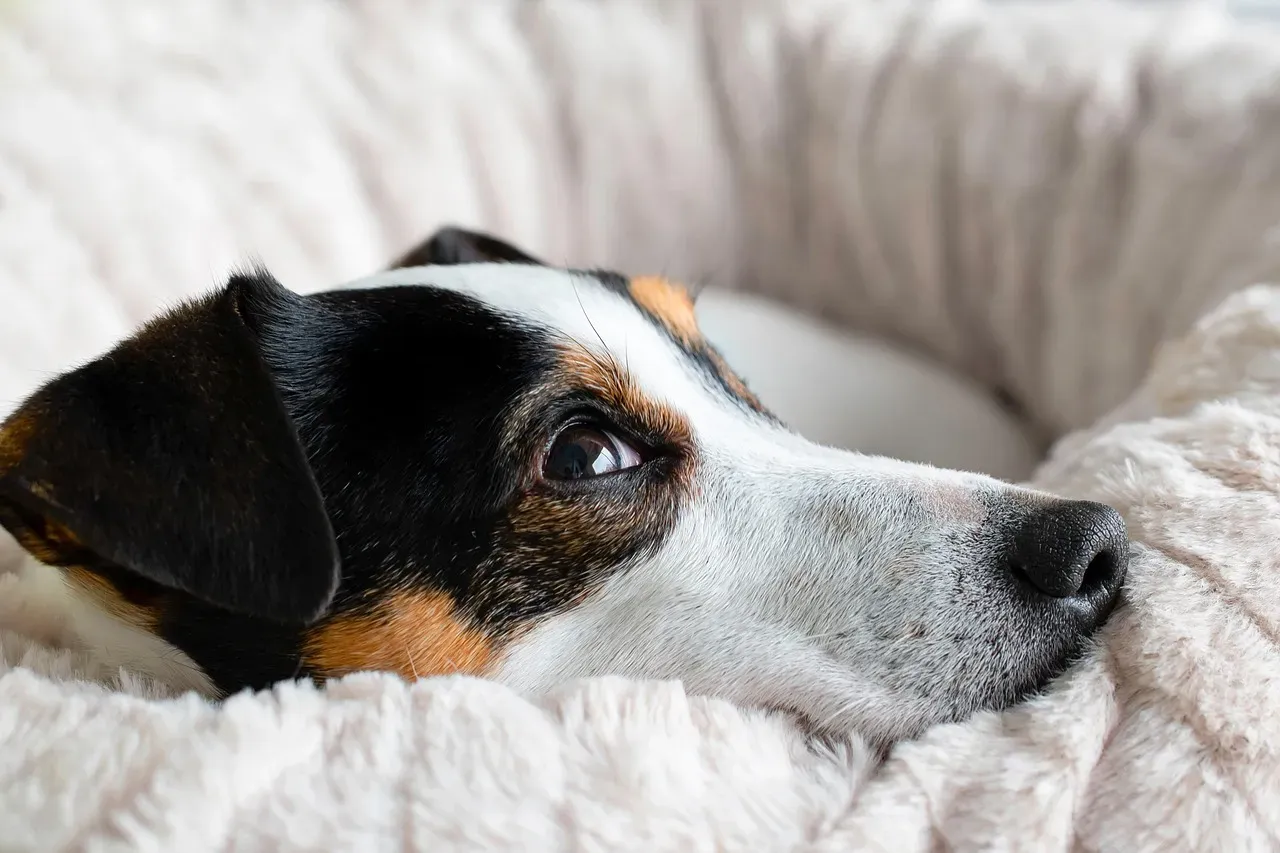
Dogs have an incredibly sensitive sense of smell that activates specific regions in their brain when they encounter a familiar person’s scent. Think of it as a canine version of looking at photos of someone you love. An owner’s scent activates the parts of a dog’s brain associated with pleasure, particularly the caudate nucleus, which is linked to positive expectations.
When your dog lays on your clothes, they’re essentially swaddling themselves in your familiar scent, and dirty clothes carry an even more potent version of your smell. When your dog snuggles up to your clothes, they’re seeking the calming effect of your scent, which provides them with a sense of security and familiarity, helping to reduce their stress and anxiety when you’re not around. It’s like you’re still there with them, in a way. Honestly, if you think about how you might hold onto a loved one’s sweater after they’ve gone, it’s not that different.
Separation Anxiety Tells a Deeper Story

When left alone, dogs with separation anxiety often seek out familiar scents to calm their nerves, and your clothes carry your scent, making them an ideal resting place for anxious dogs. Let’s be real here. Dogs with separation anxiety are usually overly attached or dependent on family members and become extremely anxious, showing distress behaviors such as vocalization, destruction, or house soiling when separated from the owners.
For some dogs, sleeping on your clothes can be a coping mechanism for separation anxiety, as dogs that are particularly attached to their owners might find separations challenging, and surrounding themselves with your clothes provides a comforting surrogate, helping to alleviate their stress. It’s hard to say for sure if your dog crosses into this territory without watching for other signs. If your dog shows signs of anxiety when you’re not around, such as excessive barking, chewing, or pacing, they may be using your clothes as a source of comfort to cope with their stress. If you’re seeing these behaviors regularly, your dog is telling you something important.
Pack Instincts Run Deep
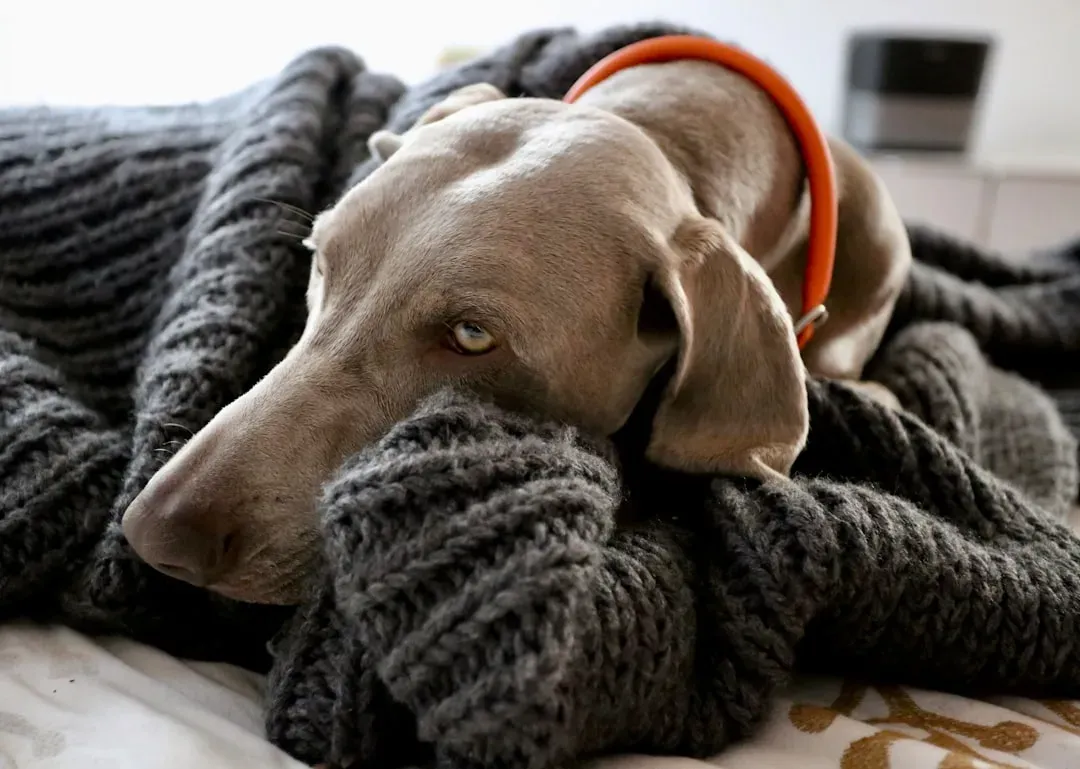
One of the main reasons your dog might choose your clothes as a sleeping spot is because they are instinctively pack animals, and in the wild, dogs lived in packs, staying close to their pack members for comfort and protection. You’re not just their owner or caregiver. You’re their pack leader, their family, their everything. Dogs are creatures of comfort and scent, seeking out the familiar smells of their owners to feel secure and connected, which taps into their natural inclination to be close to their pack leader.
Human scents play a crucial role in the relationship between dogs and their owners, as dogs can recognize their owners by scent alone, and the unique smell of an owner provides comfort and security to a dog. When you leave the house, that connection feels broken to them. So they search for the next best thing: your smell. It might seem quirky or even inconvenient, yet it reveals how deeply your dog values your presence in their life.
The Signs Your Dog Needs Extra Support
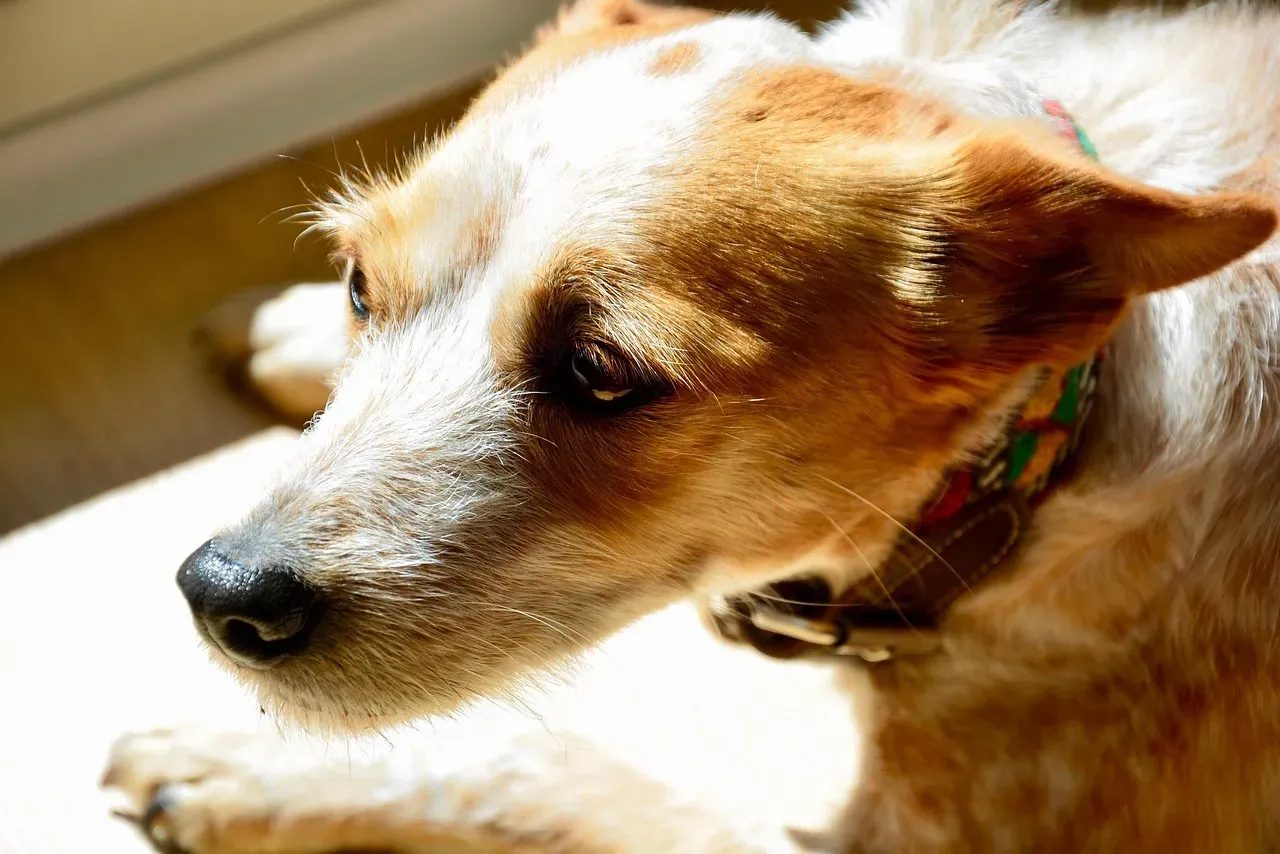
Recognizing when this behavior crosses from endearing to concerning is important. Attachment nervousness in dogs is characterized by excessive clinginess, separation distress, and fear of abandonment, manifesting as incessant barking, destructive chewing, soiling the house, or even self-injury, with dogs often struggling with being left alone and exhibiting signs of stress such as pacing, panting, barking, and restlessness.
Pay attention to context. You must be familiar with your dog’s regular demeanor and pay attention to the context so you can tell if they are licking their lips because they are anxious or because they want a treat. I know it sounds crazy, but dogs can be subtle about showing distress. Some tense dogs may hide or move behind a trusted person or behind a nearby object as an extension of avoidance. If your dog’s clothes-sleeping habit is accompanied by destructive behavior, constant whining, or signs of panic, it’s time to take action.
How to Help Your Dog Feel More Secure
The good news? You can help your dog build confidence without taking away that comforting connection. Begin by placing an item that smells like you, such as an unworn t-shirt, into their bed, as your scent provides a sense of comfort and security, which can help soothe your dog and make the new sleeping area more appealing. This way, they still have access to your scent, just in a more appropriate spot.
Protective factors include ensuring a wide range of experiences outside the home and with other people between the ages of five to ten months, stable household routines and absences from the dog, and the avoidance of punishment, with the most successful treatment being behavior modification that focuses on systematic desensitization and counterconditioning. Exercise can be a great stress reducer, as physical activities such as walking or playing fetch may help both you and your dog release tension, and it is also important to provide your dog with a safe place in the home where they can escape stimuli that trigger a stress response. Consistency matters more than you might think.
Conclusion: Love Written in Scent
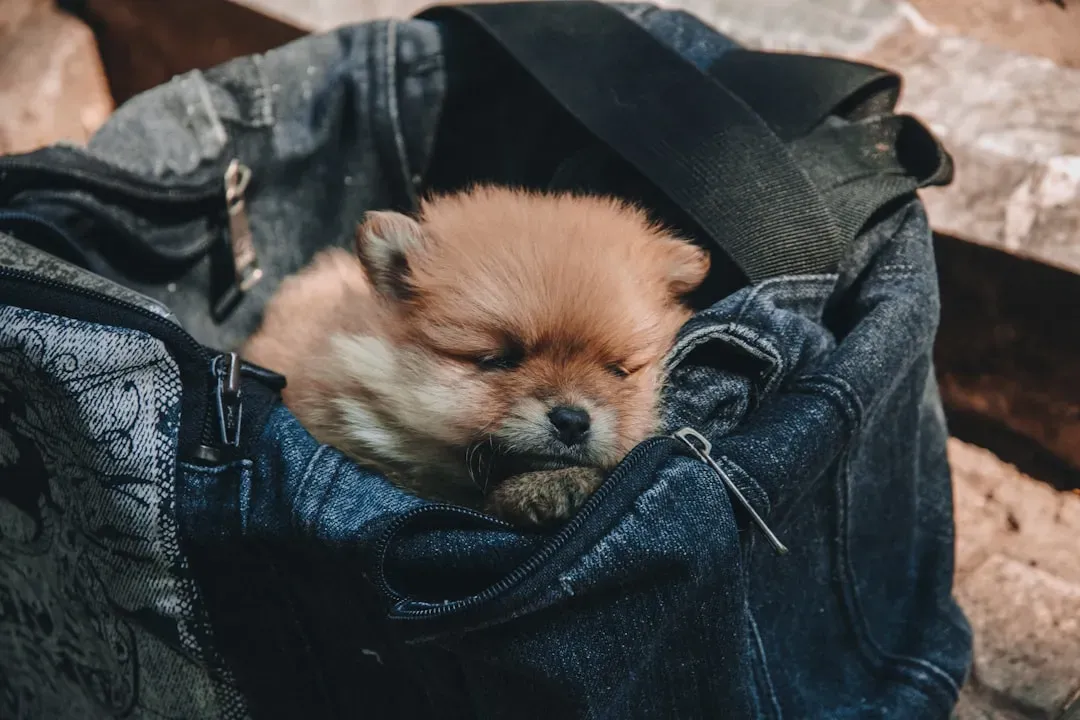
Your dog sleeping on your clothes when you’re gone isn’t a nuisance or a quirk to fix immediately. It’s a love letter written in scent, a coping strategy, and a testament to the bond you’ve built together. Scent is a powerful tool that dogs use to know they are home, they are safe, and they are with their pack, and your dog laying on your clothes can be a nuisance but know they do it out of love.
Whether your dog is managing mild stress or showing signs of deeper separation anxiety, understanding this behavior helps you respond with empathy rather than frustration. With patience, intentional training, and maybe a designated scent blanket or two, you can help your furry friend feel secure even when you can’t be by their side. What’s your experience been with this behavior? Have you noticed your dog seeking out your clothes? Share your thoughts in the comments.


