
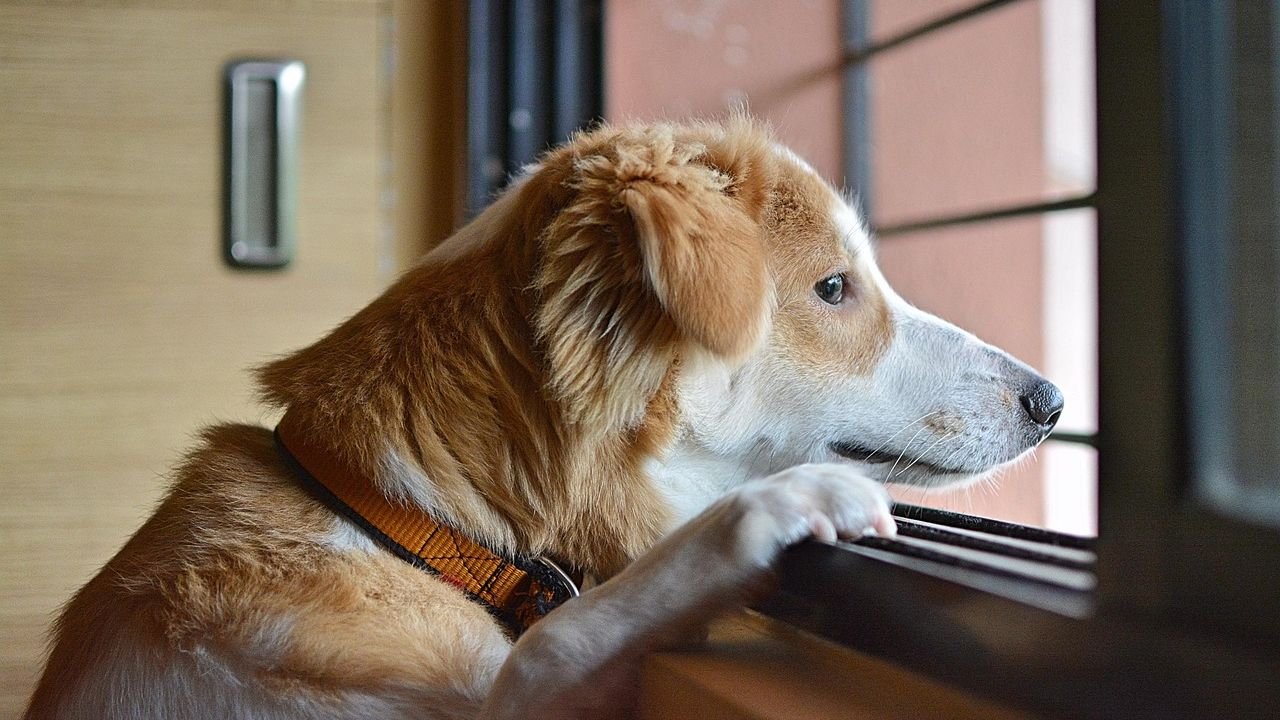
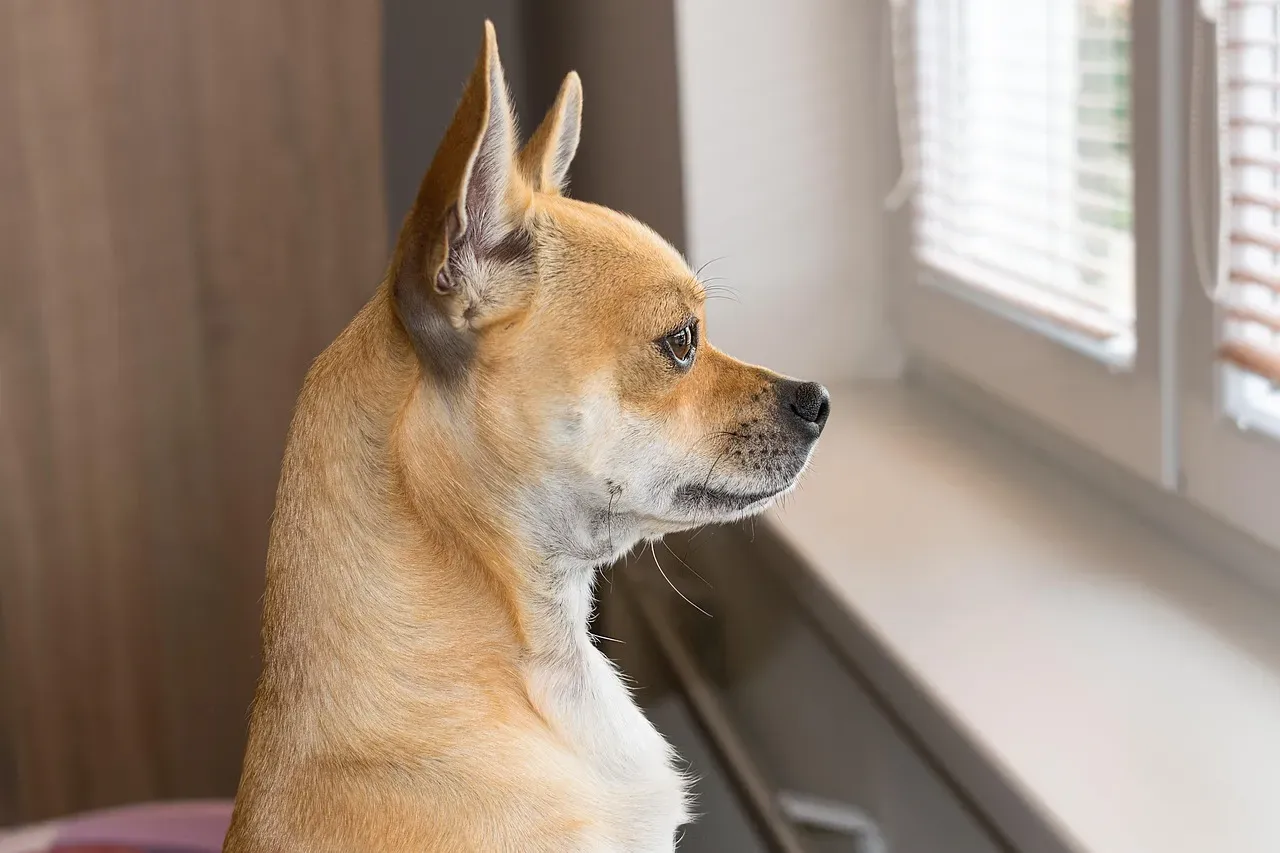
You’ve seen it a hundred times. Maybe you’ve even paused at the end of the driveway to glance back. There’s your dog, pressed against the window, nose smudged on the glass, eyes locked on your car as you drive away. It tugs at something deep inside you. That image stays with you all day. You might wonder if they’re okay, if they’ll settle down, or if they’ll stand there the whole time you’re gone.
Let’s be real, it’s hard not to feel a little guilty. The truth behind that window watching behavior is more layered than you might expect. It’s rooted in biology, emotion, and an attachment so profound that it shapes every moment you’re apart. What happens in your dog’s mind when you leave isn’t just boredom or a simple habit. It’s something far more tender, and honestly, a little heartbreaking.
It’s Not Just Watching, It’s Waiting With Purpose
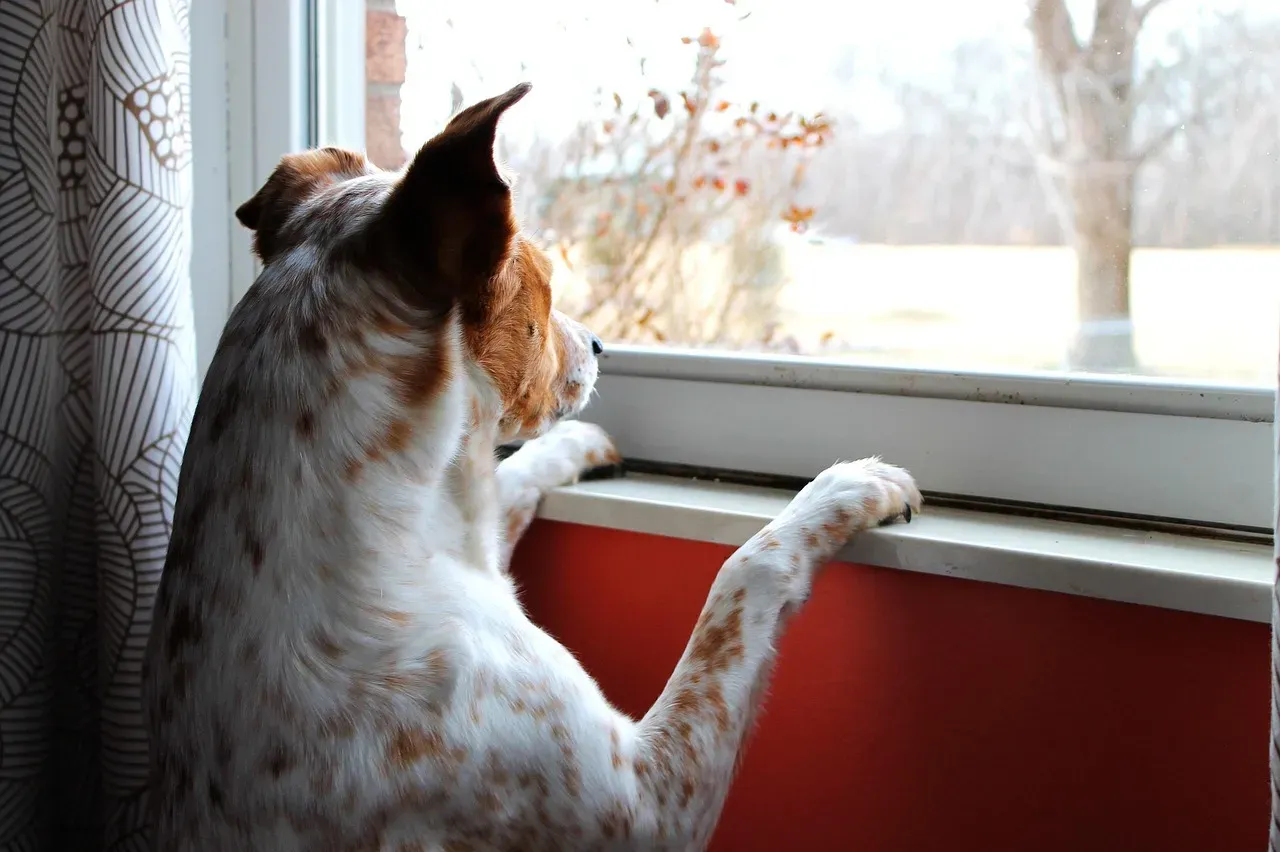
Your dog watching at the window isn’t random behavior. They’re engaging in what behaviorists call “watchful waiting,” expectantly monitoring the door or window for your return. Think about the way they position themselves right at that glass barrier. They’re not casually glancing outside.
Studies show dogs actively check around the house to confirm their humans are actually gone and monitor your departure rather than passively waiting. They know you left. They know the door closed. Yet they choose that spot deliberately, scanning for any sign you’re coming back.
This isn’t just about routine or learned behavior, though those play a role. Dogs genuinely miss their humans, and MRI tests confirm that dogs associate the sounds and smells of their preferred humans with positive rewards. That window becomes their lookout post, their connection to the world where you exist without them.
The Biology Behind The Bond
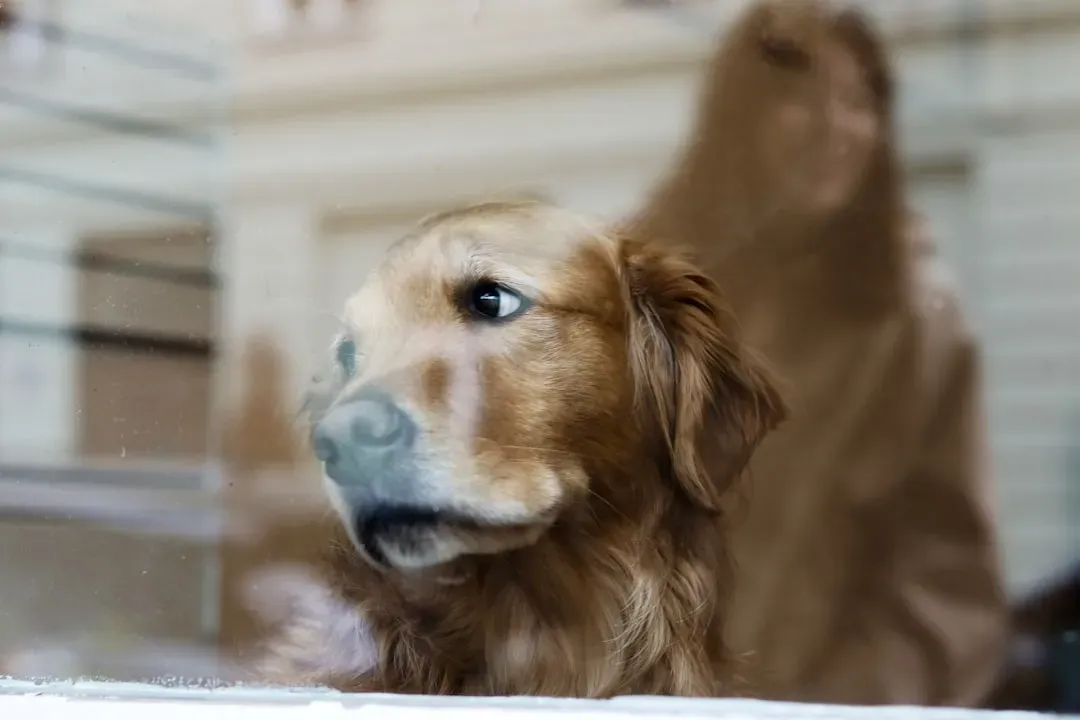
Separation anxiety is triggered when dogs become upset because of separation from their guardians, the people they’re attached to. We’re not talking about a preference here. This is attachment in its rawest form. Dogs form bonds with their humans that mirror the attachment relationships children develop with caregivers.
When you leave, your dog’s brain chemistry actually changes. The naturally occurring chemicals in their brain become out of balance, and the sympathetic nervous system activates, readying them to respond to the perceived threat with fight, flight, or freeze responses. That gentle creature staring through the window might be experiencing something close to a panic state.
Experts suggest separation anxiety can be thought of as the equivalent of a panic attack in people. Picture that for a moment. Your absence doesn’t just make them sad. For some dogs, it fundamentally disrupts their sense of safety and equilibrium.
They Know You’re Leaving Before You Even Touch Your Keys
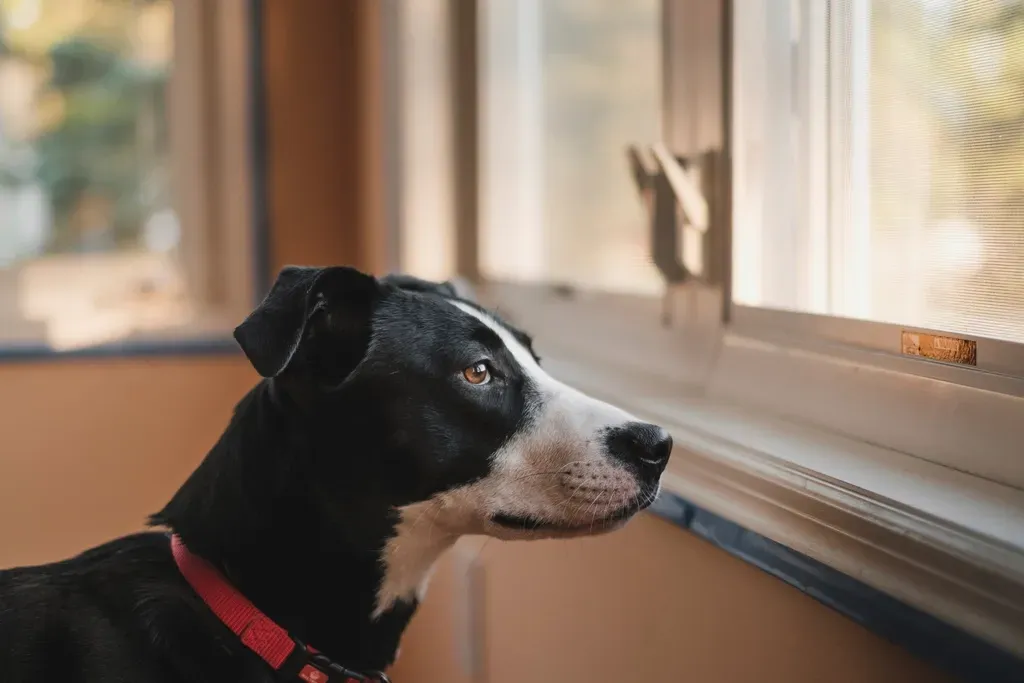
Here’s where it gets fascinating. When you pick up your keys or wear your shoes, your dog takes it as a visual clue that you’re about to leave, and this alerts them to the possibility. Some dog breeds are hyper-vigilant by nature and pick up on these cues very easily. You might think you’re being sneaky, but they’re reading you like an open book.
A dog’s sense of smell is 10,000 to 100,000 times more acute than a human’s, and research suggests dogs can detect minute chemical shifts in human sweat caused by the anticipation of leaving. They literally smell your departure before it happens. The subtle changes in your posture, your pace, even the way you avoid eye contact as you prepare to go – they notice everything.
Dogs are highly empathetic social animals who often mirror the emotional state of their owners. If you feel rushed, anxious, or guilty about leaving, they pick up on this emotional residue, resulting in anticipatory behaviors such as shadowing, whining, or pacing.
Window Watching Can Signal Deeper Distress
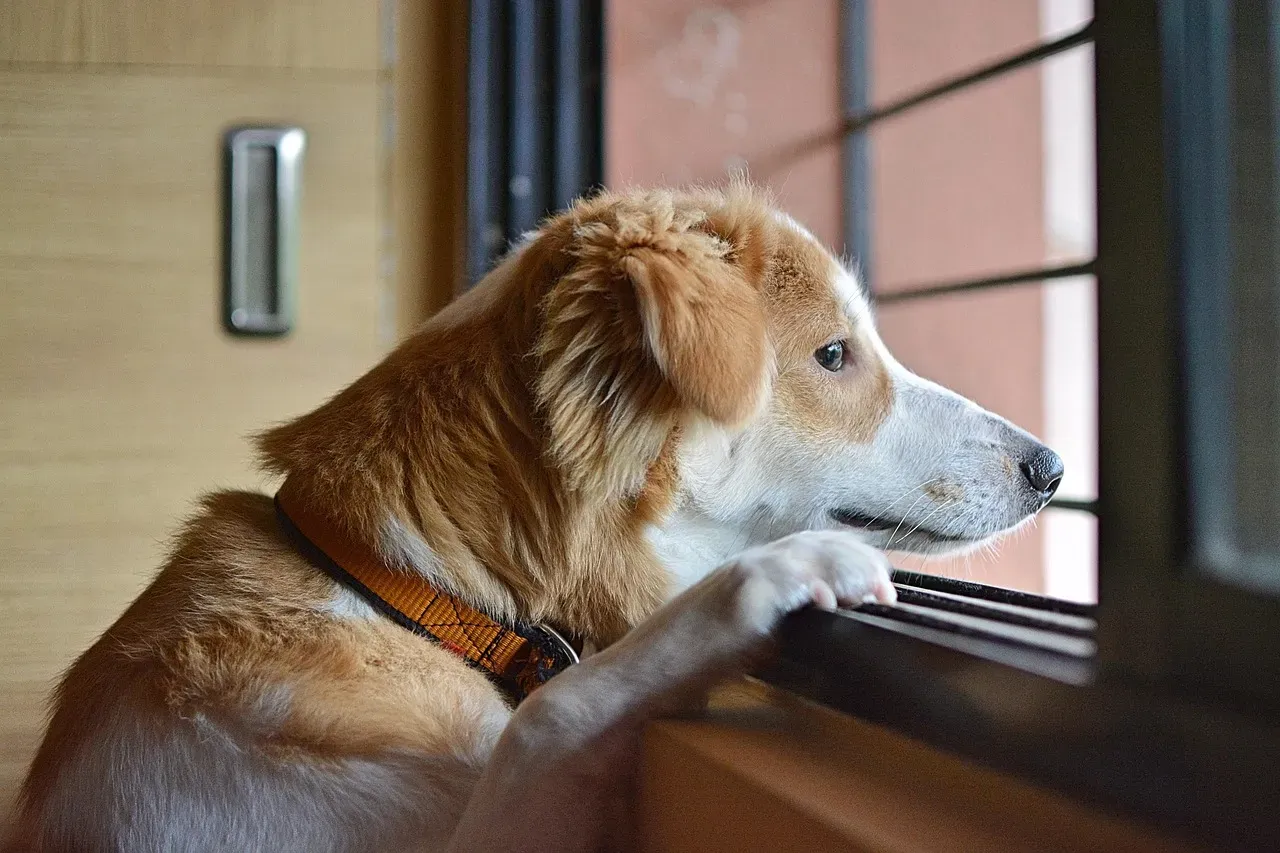
Escape attempts by dogs with separation anxiety are often extreme and can result in self-injury and household destruction, especially around exit points like windows and doors. Not all window watching is created equal. Some dogs settle after a few minutes. Others remain vigilant, stressed, unable to relax.
Research suggests roughly eight out of ten dogs find it hard to cope when left alone, yet half won’t show any obvious signs, so it can be easy for owners to miss. Your dog might look calm at the window, but internally they could be struggling. The signs aren’t always dramatic barking or destruction.
Dogs with separation anxiety usually are overly attached or dependent on family members, becoming extremely anxious and showing distress behaviors when separated from owners. Most try to remain close to their owners, follow them from room to room, and rarely spend time outdoors alone. If your dog shadows you at home, the window watching when you leave is part of that same attachment pattern.
What You Can Do To Help Your Faithful Companion
Exercise can help treat and prevent separation anxiety. Make sure your dog gets plenty of age-appropriate physical exercise, especially for large, high-energy dogs. A tired, contented dog who’s had a brisk walk and playtime is more likely to settle down when you leave. Physical activity matters, but it’s not the whole solution.
Don’t encourage overly clingy behavior. Instead, develop independence by teaching your puppy to be on their own in another room, even when you’re at home. Teaching a solid stay is another way to battle excessive attachment, starting with short lengths of time. Building confidence happens gradually, with patience.
It’s important to play it cool when you leave or return to your home. You can greet your dog with love, but don’t get over-the-top emotional or keep things dramatic. If you get worked up, your dog will see your comings and goings as a major event to worry over. Your calm energy teaches them that departures and returns are normal, safe, everyday events. Some dogs benefit from professional help, and there’s no shame in reaching out to a certified behavior consultant or veterinary behaviorist.
That image of your dog at the window is powerful because it represents pure, uncomplicated devotion. They’re not angry you left or plotting revenge. They’re simply hoping, waiting, trusting that you’ll come back. Understanding what drives that behavior helps us become better caregivers, more attuned to their emotional needs. What do you think – does your dog wait at the window? How do you help them feel secure when you’re away?


