
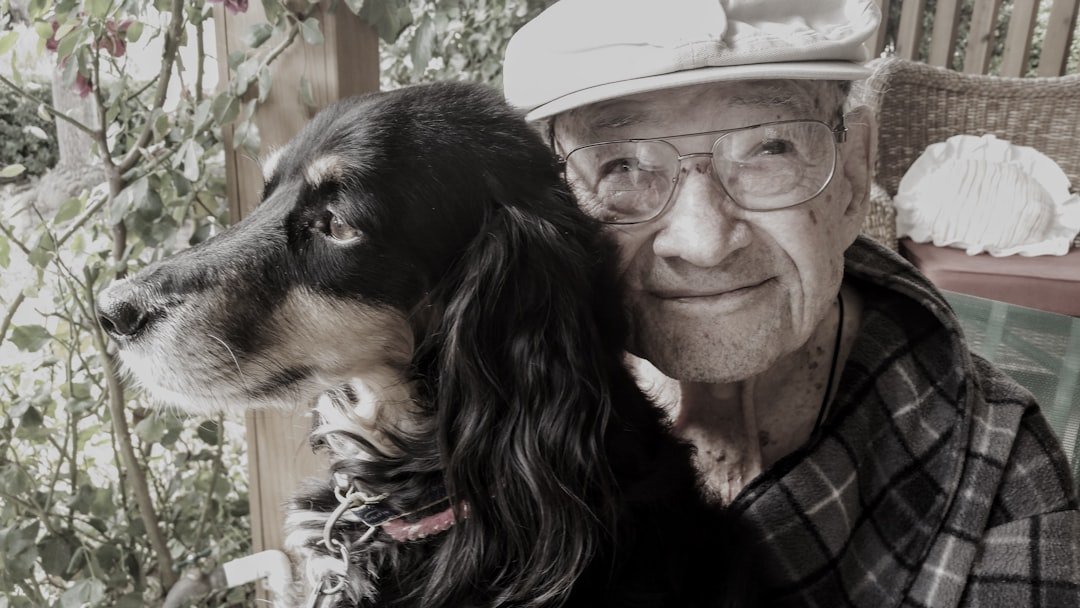
Picture a dog who has spent a decade being someone’s most loyal companion. He knows the sound of his owner’s car. He’s slept at the foot of that bed for years. Then one day, he’s dropped off at a shelter, tail wagging with confused hope, waiting for a family that never comes back. It happens more than most people realize, and honestly, it’s one of the quietest crises in animal welfare today.
Senior dogs are among the most overlooked, most underserved, and most heartbreaking animals in the shelter system. They didn’t end up there because something was “wrong” with them. Life happened to the people who loved them. The good news? There are real, meaningful ways you can help. Let’s dive in.
The Numbers Behind the Heartbreak

Here’s the thing about senior dogs in shelters – the data is both sobering and infuriating. Senior dogs are particularly at risk for poor outcomes when they enter shelters, and the ASPCA reports that the adoption rate for senior dogs, defined as seven years or older, is lower than that of all other ages combined. Let that sink in for a moment.
Senior dogs are usually the last to be adopted, spending up to four times longer in a shelter than a younger dog, with only a roughly one-in-four adoption rate compared to the roughly three-in-five adoption rate of younger dogs and puppies. That waiting period doesn’t just cost them time. For many, it costs them their lives.
A survey of five open-admission shelters in South Carolina found that the average length of stay for a dog over eight years old is three times as long as the length of stay for dogs under eight. Three times longer. Think of how that feels for a dog who has known only one home, suddenly living in a noisy kennel. It’s devastating.
Why Senior Dogs End Up Surrendered in the First Place
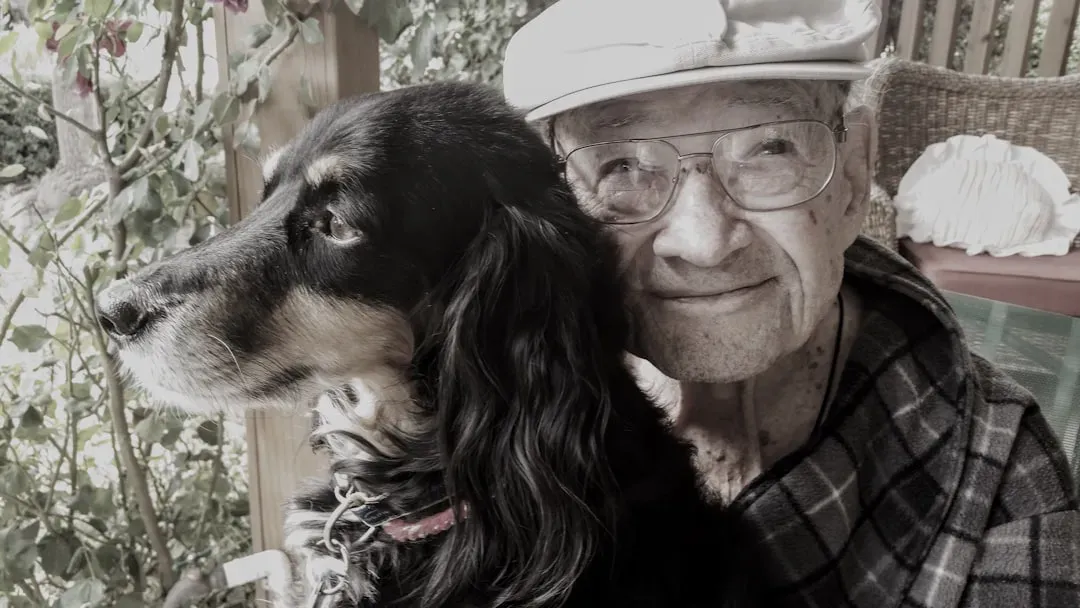
I know it’s tempting to judge, but honestly, the reasons are more complicated than “people just stopped caring.” Many senior dogs that end up in shelters were cherished companions of elderly people who died or had to move to an assisted living facility that won’t allow dogs, and the family either won’t take the dog or there is no family to assume responsibility.
Economic hardships can cause a family to lose their home, making the dog homeless too. People divorce and neither person wants the dog. Children are born, and the senior dog isn’t able to tolerate the young children’s energy level, or the parents simply don’t want one more responsibility. None of that is easy to read, but it’s real.
Owner-related issues were the most common reasons for giving up both cats and dogs, and among animal-related factors, behavioral problems were the most frequently reported reason for relinquishment. The key word there is “reported.” Many surrender forms don’t tell the whole story. Sometimes a dog has become incontinent and rather than taking the dog to a vet to determine the problem, people bring the dog to a shelter, in many cases without telling the shelter the real reason they’re surrendering.
What Happens to a Senior Dog’s Body and Behavior in a Shelter

A shelter is hard on any dog. For a senior, it can be genuinely traumatic. Common concerns reported by guardians of aging dogs include increased sensitivity and irritability, increased fear of unfamiliar pets and people, decreased tolerance of touch and restraint, and increased anxiety when left alone. Noise sensitivity from hearing loss can also make some dogs more anxious and vocal.
Surrendering a pet can be emotionally and physically challenging for the dog, and it’s important to recognize that this transition can cause serious stress and anxiety. Imagine losing your home, your person, and your entire routine in a single afternoon. That’s exactly what a senior dog experiences when surrendered.
Don’t assume that your dog is “just getting old” and nothing can be done to help. Many changes in behavior can actually be signs of treatable medical disorders, and there are a variety of therapies that can comfort your dog and manage his symptoms, including any pain he might be experiencing. This is something every dog owner needs to hear before giving up on their older pup.
The Myths That Keep Senior Dogs Stuck in Shelters
Let’s be real: a lot of the bias against adopting senior dogs is rooted in myths, not facts. Adding to an elderly animal’s plight are the plethora of common misconceptions about shelter animals – that they are “sick,” under-socialized, or have behavioral problems. Most of the time, that simply isn’t true.
Senior dogs are often already housebroken and well-trained. They are generally calmer and more relaxed due to their older age. You’re not getting a mystery box – you’re getting a fully formed, loving personality with a lifetime of good manners already baked in. That’s actually a pretty sweet deal.
While a puppy’s characteristics and disposition might change over time as he matures, a senior pet is less likely to change because his personality has already developed. This doesn’t mean you can’t teach an old dog new tricks – senior pets are extremely adaptive and fully capable of learning new skills. So the “too set in their ways” argument? It doesn’t hold up.
How You Can Make a Real Difference Right Now
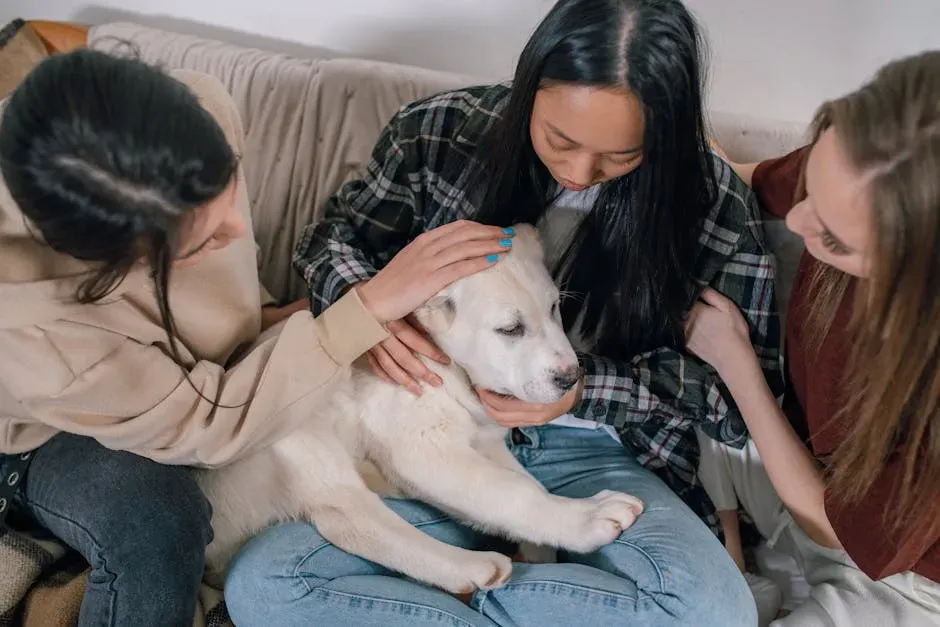
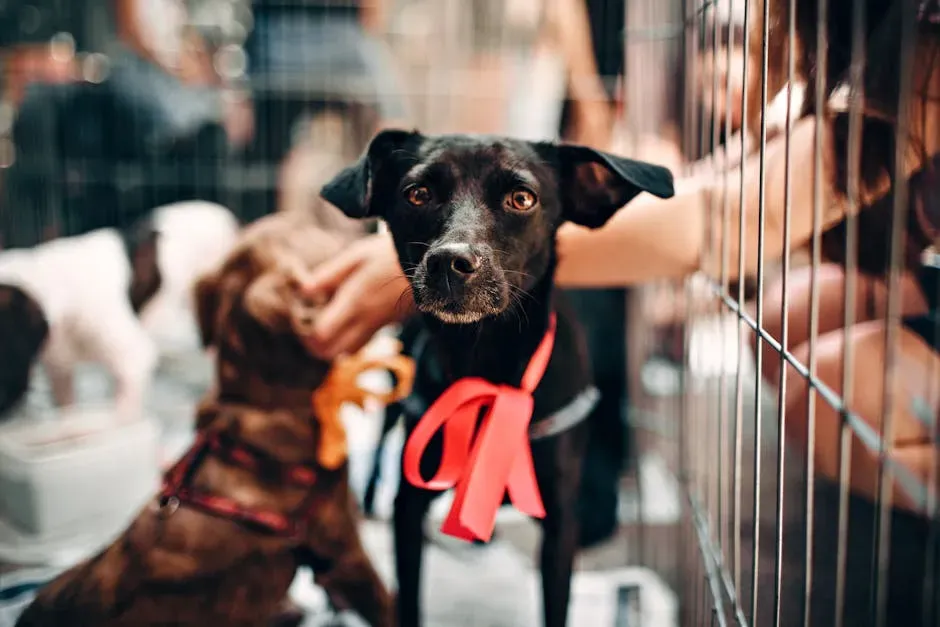
You don’t have to adopt a dog today to make a life-saving difference. There are so many entry points, big and small. By fostering, you save two lives – the dog you foster and the dog who now has an available kennel at the shelter. Put simply, fostering saves lives. Even a few weeks in a real home can transform a senior dog’s chances.
When you offer to provide foster care, the dog you foster will no longer be under threat of euthanasia and has already taken one step closer to being saved. You are the critical bridge to making that happen by offering a safe, nurturing home environment and learning about the dog’s qualities and personality, which you’ll share with the shelter or rescue agency and prospective adopters.
States that invest in foster networks, waive adoption fees for seniors, and actively challenge age bias see better outcomes. You can advocate for those policies locally, volunteer at your nearest shelter, donate to senior-specific rescues like Muttville or Old Dog Haven, or simply share a senior dog’s profile on social media. If you can’t adopt right now but still want to help save a senior shelter animal, you can foster – it’s free to you as rescues cover everything from food, toys, and crates. Taking pictures and videos and sharing on social media will help attract a forever home.
The Transformative Joy of Giving a Senior Dog Their Final Chapter
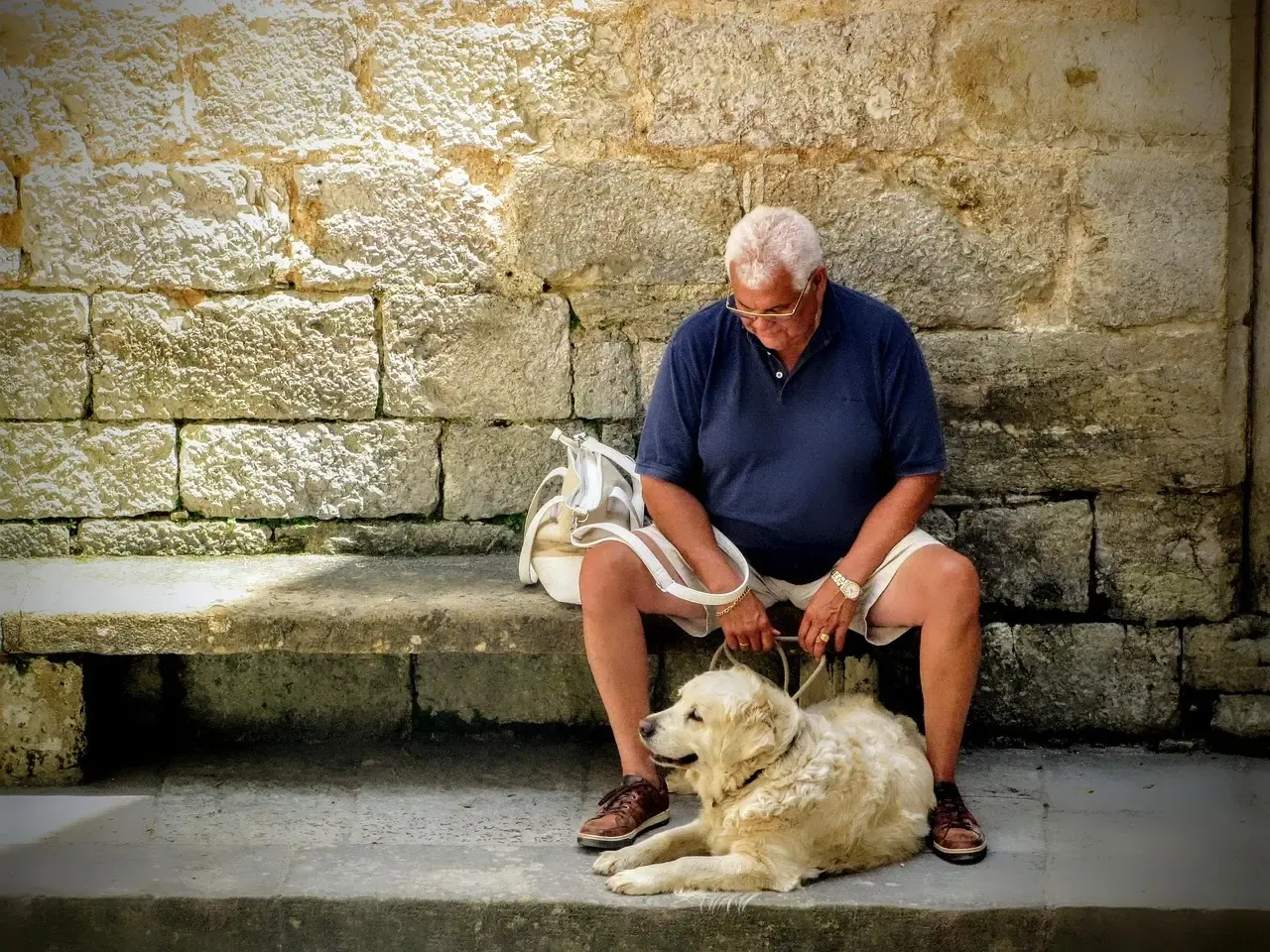
Here’s something that experienced adopters of senior dogs will tell you, almost universally: adopting an older dog gives back more than you could ever expect. Senior dogs form strong emotional connections with adopters who give them a second chance. They are less demanding than puppies and require less time for training and supervision. Senior pets bring companionship, stability, and love without the challenges of raising a puppy, making them excellent choices for busy households and first-time dog owners.
It’s hard to say exactly how or why, but something different happens when a dog who has known loss is given love again. Your older dog may just be one part of your entire world, but you are the entire world to them. That sentence should stop you in your tracks – because it’s absolutely true.
It generally takes dogs three days to initially adjust to your home, followed by around three weeks of bonding and getting used to your lifestyle and daily routine. It then takes about three months for your dog to build trust and really settle in. Be patient during that window. The reward on the other side is extraordinary.
Conclusion: Every Gray Muzzle Deserves a Soft Place to Land
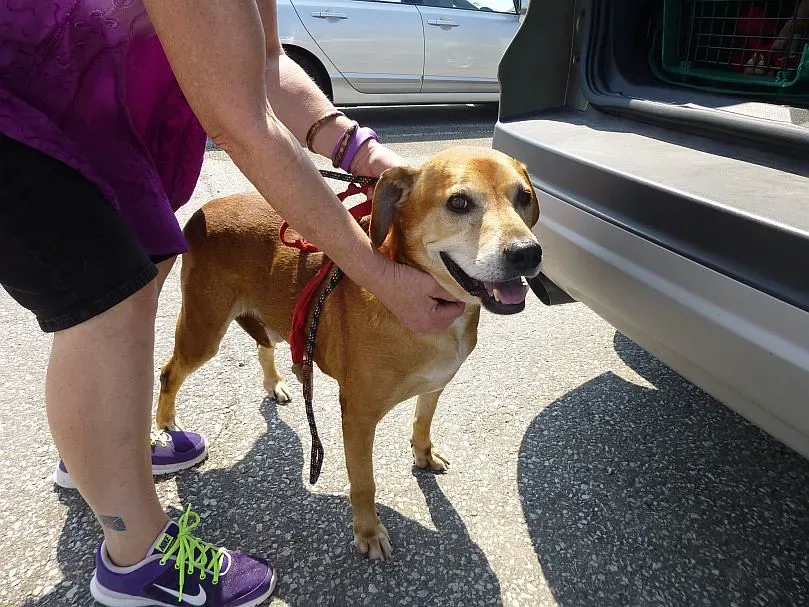
The truth about abandoned senior dogs is hard to sit with. These aren’t throwaways. They are dogs with full histories, deep loyalties, and still so much love to give. As much as with animals surrendered due to the death of an owner, these pets will be confused and grieving. Senior dogs and cats still have a lot of love to give.
What we do for them says something about who we are as people, as communities, and as a society that claims to love dogs. The system needs more fosters, more adopters, more advocates, and more people willing to look past the gray muzzle and see the soul underneath it. By choosing a senior dog, you’re giving them the chance to experience the love, stability, and care they deserve in this incredible phase of life. In return, you’ll gain a loving companion who shows unwavering gratitude and devotion.
Next time you pass a shelter or scroll past a rescue post, pause for a moment on the older face in the corner kennel. That dog is waiting. The question is simple, but it means everything: will you be the one who shows up for them? What would you do if that gray-muzzled dog was looking right at you?


