

You bring home this adorable creature with bat ears and a snub nose, and suddenly life feels brighter. Watching your Frenchie trot around with that signature waddle, snorting happily, it’s hard not to fall completely in love. French Bulldogs have skyrocketed to become one of the most popular breeds across the globe, and honestly, who could resist?
Yet behind those big, expressive eyes and that unmistakable charm lies a reality many new owners discover only after the puppy phase is over. These lovable companions can face serious health challenges, many of which are hidden beneath that wrinkled, compact frame. Let’s be real, if you’re bringing a Frenchie into your home, you need to know what you’re signing up for. Understanding these issues doesn’t make them less special. It makes you a more prepared, more capable guardian for a dog who needs you to be aware, vigilant, and proactive.
That Adorable Flat Face Comes With a Cost

The flat facial structure that makes French Bulldogs instantly recognizable is called brachycephaly, referring to their shortened skull, and this trait is directly linked to brachycephalic obstructive airway syndrome, or BOAS. Their narrowed nostrils restrict airflow, and soft palate elongation increases upper airway resistance. Essentially, imagine trying to breathe through a narrow straw for your entire life. That’s what many Frenchies endure daily.
BOAS was diagnosed by veterinarians in roughly three quarters of French Bulldogs in both referral hospitals and general populations. The condition often presents with noisy breathing, snoring, snorting, and exercise intolerance. When their airways are blocked, panting isn’t effective, making French Bulldogs extremely vulnerable to heatstroke. Keep them indoors on hot or humid days, and only let them outside during cooler morning or evening hours.
Spinal Trouble Lurks in Those Stubby Legs

Intervertebral disc disease, or IVDD, is perhaps the most concerning neurologic problem for French Bulldogs, with a median age at first episode of just four years compared to six years in dachshunds. Their short legs and long backs create additional strain on the discs between vertebrae. When the discs weaken or herniate, they press on the spinal cord, causing pain, mobility issues, and even paralysis if left untreated.
Early signs are subtle but critical to catch. Watch for changes in your Frenchie’s gait, difficulty walking, dragging back legs, or hesitation to jump or climb stairs. Pain or sensitivity around the neck or spine, yelping when touched, and muscle spasms are warning signs. I think this is where many owners miss the boat, assuming their dog is just being lazy or having an off day. Over half of surgically treated French Bulldogs showed signs of recurrence, which means even after intervention, vigilance never stops.
Those Adorable Wrinkles Need Daily Attention

Skin fold dermatitis is the unspoken reality of owning a wrinkly breed. The condition is caused by moisture and bacteria getting trapped in skin folds, leading to irritation, redness, and infection. Inflammation and bacterial imbalance occur between skin surfaces in nasal folds, lip folds, neck folds, and tail pockets, where skin rubs against skin and moisture from tears or saliva gets trapped.
The folds become warm, moist environments where yeast and bacteria thrive. Look out for nonstop scratching around the face, armpits, or tail base, plus red, sore patches. Prevention becomes your best friend here. Gently wipe skin folds daily with a clean, soft cloth and keep them dry. It’s a simple five-minute routine that keeps infections at bay.
Let’s be honest, this isn’t glamorous work. It requires discipline and consistency, but neglecting those folds can lead to painful infections that demand veterinary intervention, steroids, and antimicrobial medication.
Their Eyes Are Vulnerable and Exposed
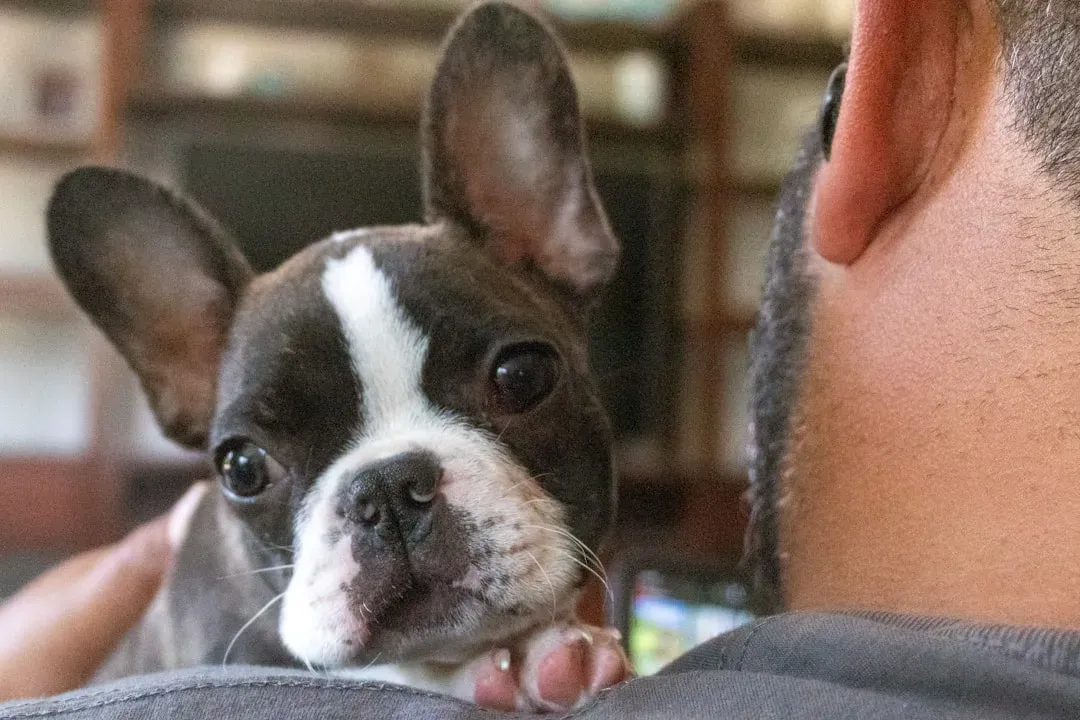
Flattened faces cause the eyes to protrude, making them more exposed and prone to infections and injuries. Because of the protrusion, French Bulldogs are more prone to corneal ulcers, generally caused by dry eye, trauma, or chemical burns. Cherry eye is another frequent visitor to this breed.
Cherry eye is the prolapse of the third eyelid gland, which falls from its normal position and sticks out, looking like a little cherry. The most common symptom is a red and swollen appearance in the corner of the eye, sometimes accompanied by discharge or a watery eye, and your Frenchie may rub or scratch at it. Surgery is more likely to be successful if done soon after the gland prolapses, as prolonged chronic swelling makes repositioning more difficult.
What’s shocking is that roughly a third of a dog’s tear production comes from this gland, so preserving it through surgery rather than removal is critical to prevent dry eye complications.
Allergies and Skin Infections Are the Norm

French Bulldogs are genetically predisposed to allergies, and unlike in humans, allergies in dogs present as skin issues, with the paws, belly, skin folds, and ears being most affected. Most French Bulldogs are affected by dermatitis in some form, and most types can be caused by allergies. Food allergies, environmental triggers like pollen or dust, and contact allergies all play a role.
Over 72 percent of Frenchies have at least one disorder, with high rates of ear infections, diarrhea, conjunctivitis, and skin issues. Pyoderma, a bacterial skin infection, often develops secondary to allergies. French Bulldogs with underlying allergies have compromised skin barriers, making them more susceptible to pyoderma. Honestly, the struggle is real with these dogs when it comes to skin health. Managing allergies may involve dietary adjustments, medicated washes, and antihistamines or steroids for severe cases.
Heat Sensitivity Is a Life-Threatening Reality

Here’s the thing many people don’t realize until it’s almost too late. Frenchies struggle to regulate body temperature due to their short snouts, making them highly vulnerable to overheating and heat strokes. Their compromised breathing efficiency means they can’t cool down effectively through panting. Hot weather compounds every other respiratory issue they face.
Never leave your Frenchie in a parked car, even for a few minutes. Avoid strenuous exercise during warm days. Always provide shade and fresh water when outdoors. Some owners invest in cooling vests or mats during summer months. This isn’t paranoia. It’s necessity.
Conclusion

French Bulldogs are extraordinary companions, full of personality, loyalty, and affection. They bring laughter and warmth into our lives in ways few other breeds can. Yet loving a Frenchie means accepting responsibility for their unique and sometimes challenging health needs. From breathing difficulties and spinal vulnerabilities to skin issues and eye problems, these dogs require informed, dedicated care.
Early detection, preventive measures, regular veterinary checkups, and a commitment to daily maintenance can make all the difference. Pet insurance is strongly recommended given the potential for costly interventions. Choosing a reputable breeder who prioritizes health screenings also reduces some risks. Ultimately, being aware of these hidden health issues empowers you to give your Frenchie the longest, happiest, and healthiest life possible. Are you ready to be the kind of owner your Frenchie truly deserves?


