
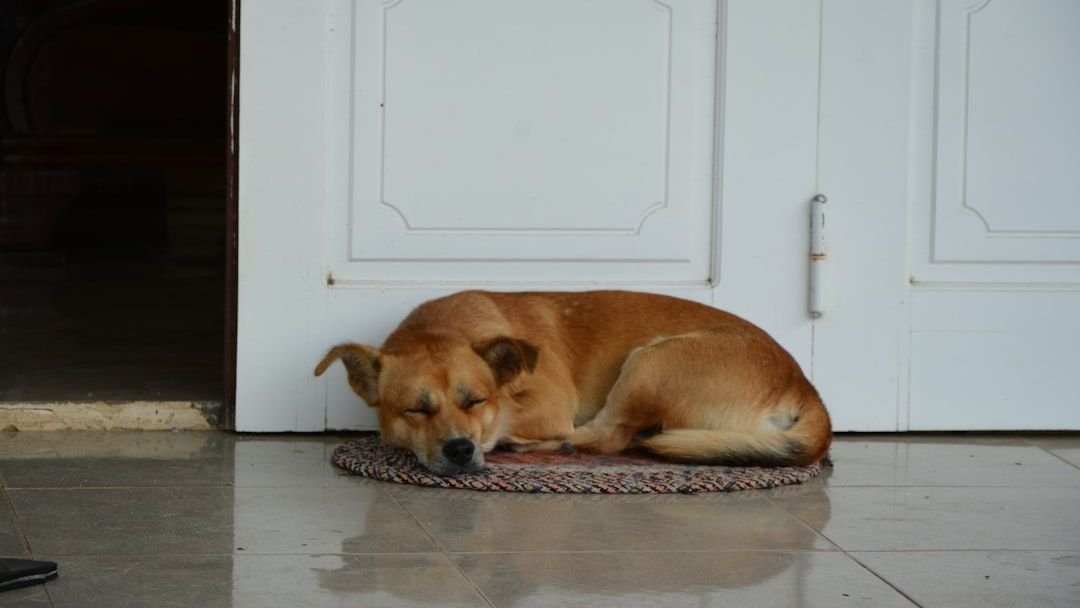
You’re lying in bed, lights out, the house quiet. You glance over expecting to find your dog curled up facing you, all warm eyes and snuggled loyalty. Instead, their back is turned and their nose is pointed straight at the door. Every single night. You might have laughed it off the first time, maybe even felt a tiny, irrational sting of rejection. But here’s the thing – what your dog is doing in those quiet, sleeping moments is one of the most revealing windows into how deeply they actually care for you. It’s not cold. It’s not distance. It’s something far more fascinating than that.
This small behavior actually tells a fascinating story about instinct, comfort, and trust. Stick around, because what you’re about to discover might completely change the way you see your dog’s nighttime habits. Let’s dive in.
It Goes Back Thousands of Years: The Ancestral Instinct at Work
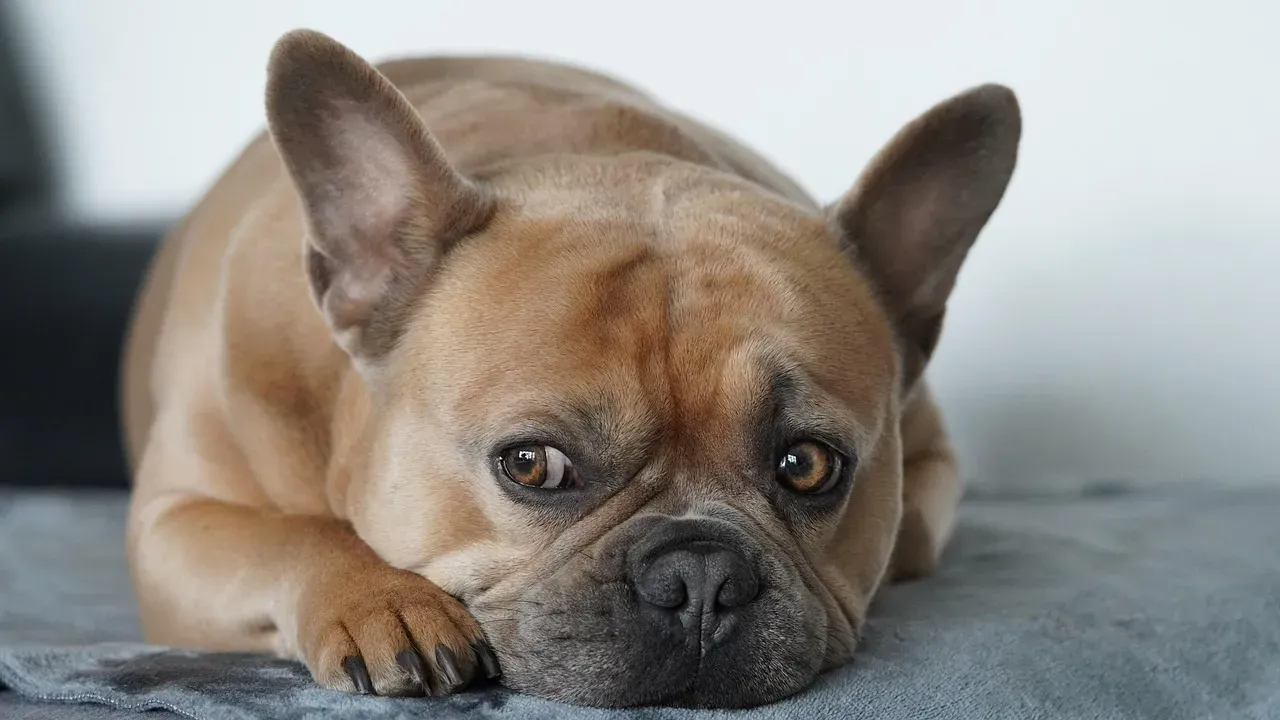
Wolves and wild dogs always chose their sleeping positions carefully to ensure they could react quickly to danger. Sleeping near an exit or in a position that allowed them to detect movement was literally a matter of survival. Think about that for a second. Your cozy, treat-obsessed pup is still carrying around software written thousands of years ago.
Your domesticated dog may no longer need to worry about predators, but this ancient instinct still lingers. Facing the door gives them a sense of security, just in case they need to leap into action. It’s like a soldier who never quite stops scanning the room, even at a dinner party. Old habits, especially survival ones, die very hard.
Your Dog Is Quietly Standing Guard Over You
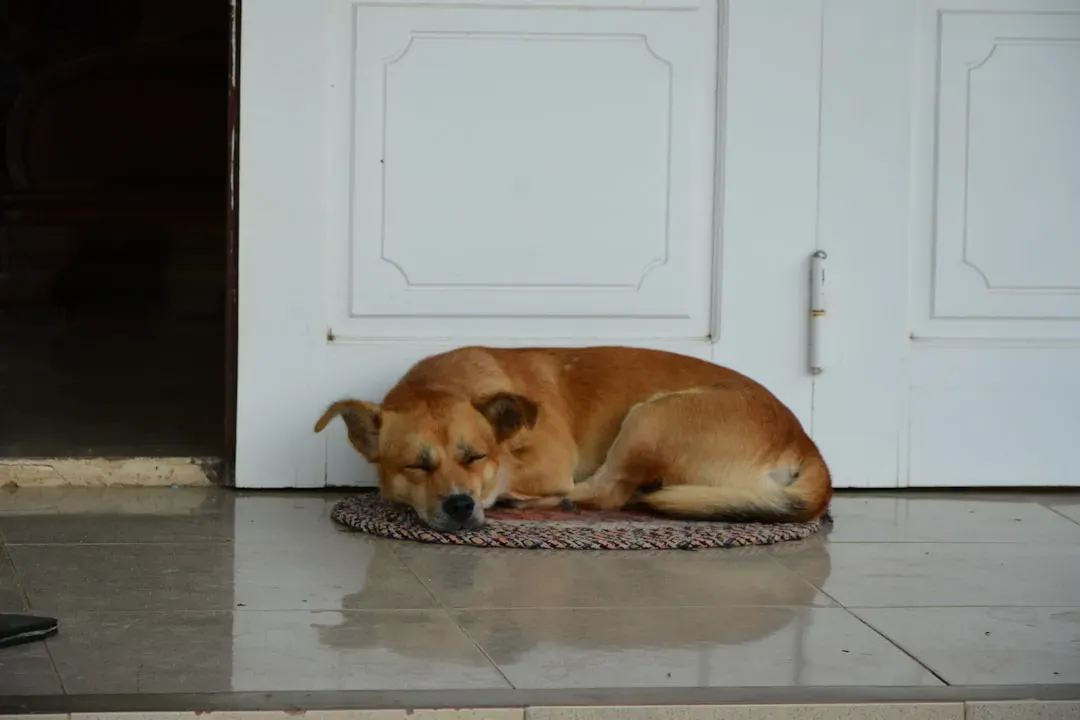
Dogs have strong protective instincts, and sleeping facing the door is one way they keep watch over their family. Even in deep sleep, their ears stay alert, ready to pick up on the slightest sound of an approaching visitor or potential threat. Honestly, that’s both humbling and a little bit incredible.
Your dog may instinctively face the door or the entrance to the room, ready to react at a moment’s notice to any perceived threat. This protective stance allows them to be the first line of defense, keeping you safe while they rest. So while it might seem like they’re giving you the cold shoulder, they’re actually on duty. In their mind, they’re the night shift. You’re the one they’re protecting, not ignoring.
The Door Is a Hub of Everything That Matters to Them
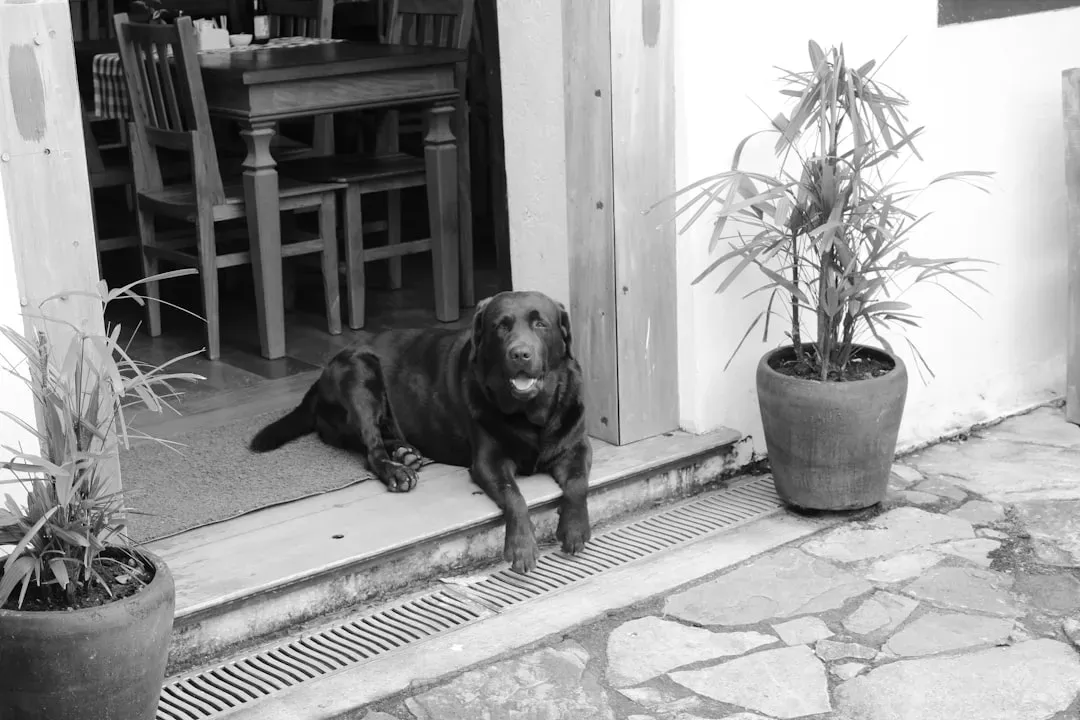
Here’s a perspective shift that honestly made me see my own dog differently. Your dog might see the doorway as a place of good things. It’s where their favorite dog walker comes to pick them up. It’s where their beloved human walks through after work.
Whether it’s their primary caretaker, a favorite playmate, or the person who hands out the best treats, they want to be the first to see them enter. Sleeping facing the door ensures they never miss a reunion moment. The door isn’t a barrier to them. It’s a portal of love, excitement, and the people they care most about.
It’s About Awareness, Not Anxiety – Most of the Time
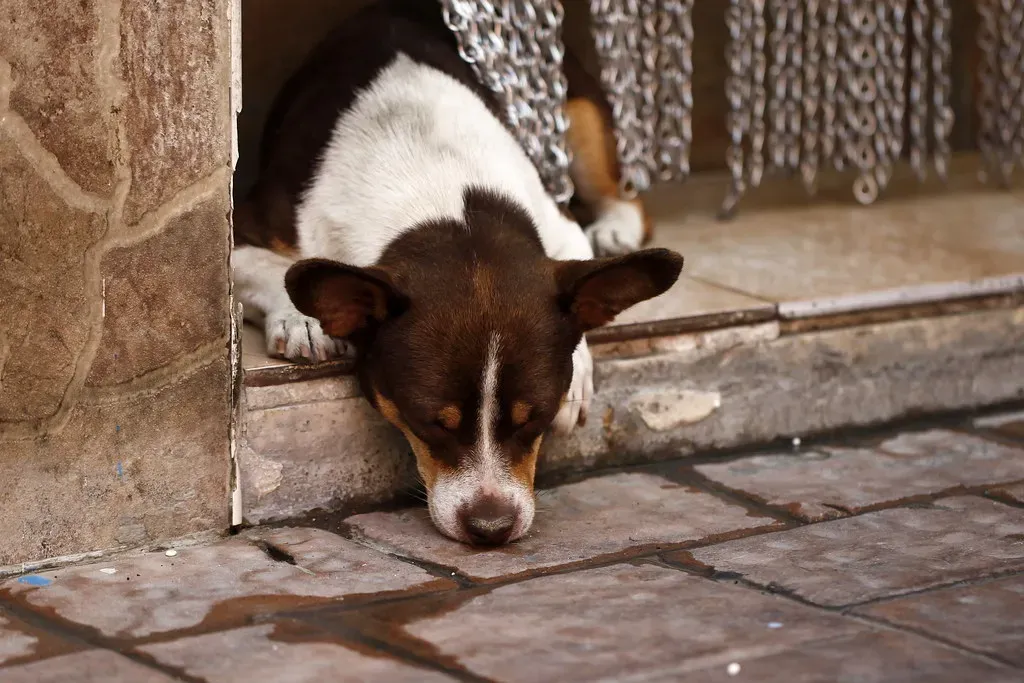
Let’s be real – not every dog that sleeps facing the door is stressed. This behavior isn’t necessarily about guarding. It might be more about awareness. Many dogs rest in positions that give them the best vantage point to detect changes in sounds, scents, or movement.
When your dog chooses to sleep facing the door, it’s not just about instinct. This behavior can be a blend of protection, awareness, and love. Even when they’re curled up and dreaming, part of them is still tuned into their environment and to you. That said, there is a line between calm vigilance and genuine anxiety – and it’s worth knowing the difference.
When the Behavior Signals Something Deeper: Signs to Watch For
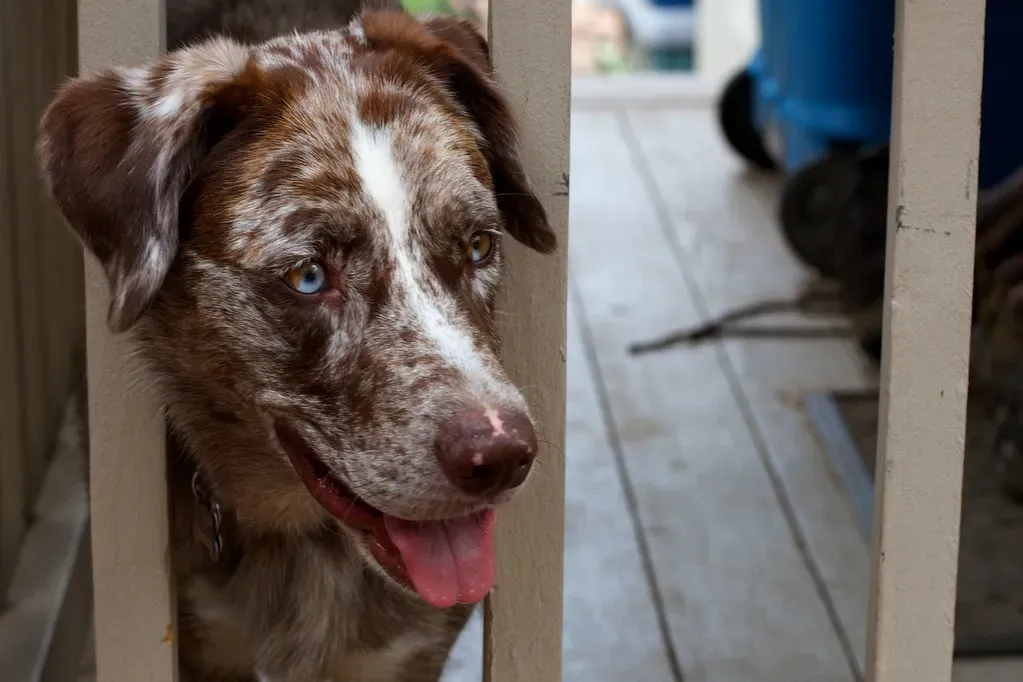
If a dog consistently startles awake, refuses to settle unless facing the door, or paces instead of resting, that can indicate anxiety or insecurity. Sleeping while facing the door could just be the way a dog prefers to sleep, but in some cases, could show some anxiety about what’s about to happen.
Some dogs instinctively position themselves near exits as a way to ensure they always have a clear escape route. While they don’t need to worry about predators in the home, they may still feel more comfortable knowing they have an easy way out if needed. This habit is especially common in dogs who have experienced stressful environments or uncertainty in the past. Rescue dogs in particular often show this behavior as they work through rebuilding trust in a new home. If your gut says something feels off, trust it.
How to Help Your Dog Feel Safe Enough to Rest Deeply
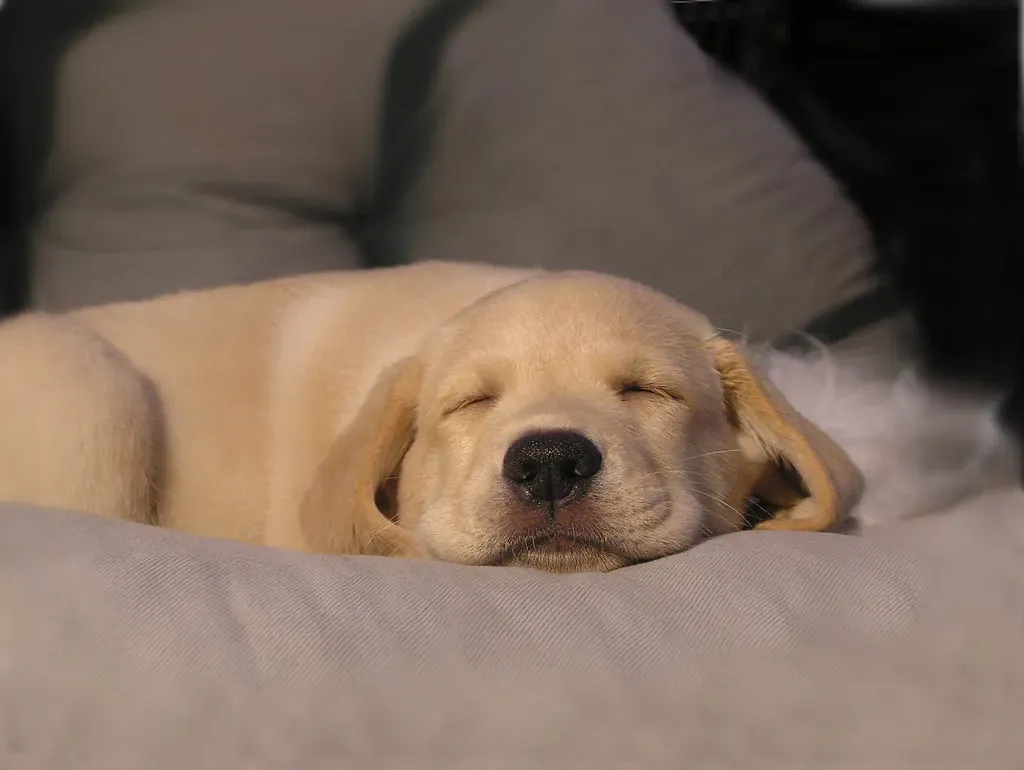
A veterinarian or certified trainer can help identify underlying causes and create a calming plan. This is about helping a dog be calmer overall with the world around them, whether it’s helping them be more comfortable around people and noises, or helping them be more comfortable alone.
Dogs sleep best when they have a consistent daily routine and a comfortable sleeping environment. Simple things matter enormously: a predictable schedule, a dedicated sleeping spot in a quieter part of the home, and plenty of reassurance during the day. Reward calm behavior in resting spots, especially for anxious dogs. If restlessness persists, consult your veterinarian to rule out pain, discomfort, or anxiety-related conditions. Your dog’s sleep quality is a direct reflection of how safe they feel in their world.
A Final Thought: That Turned Back Is Actually a Love Letter
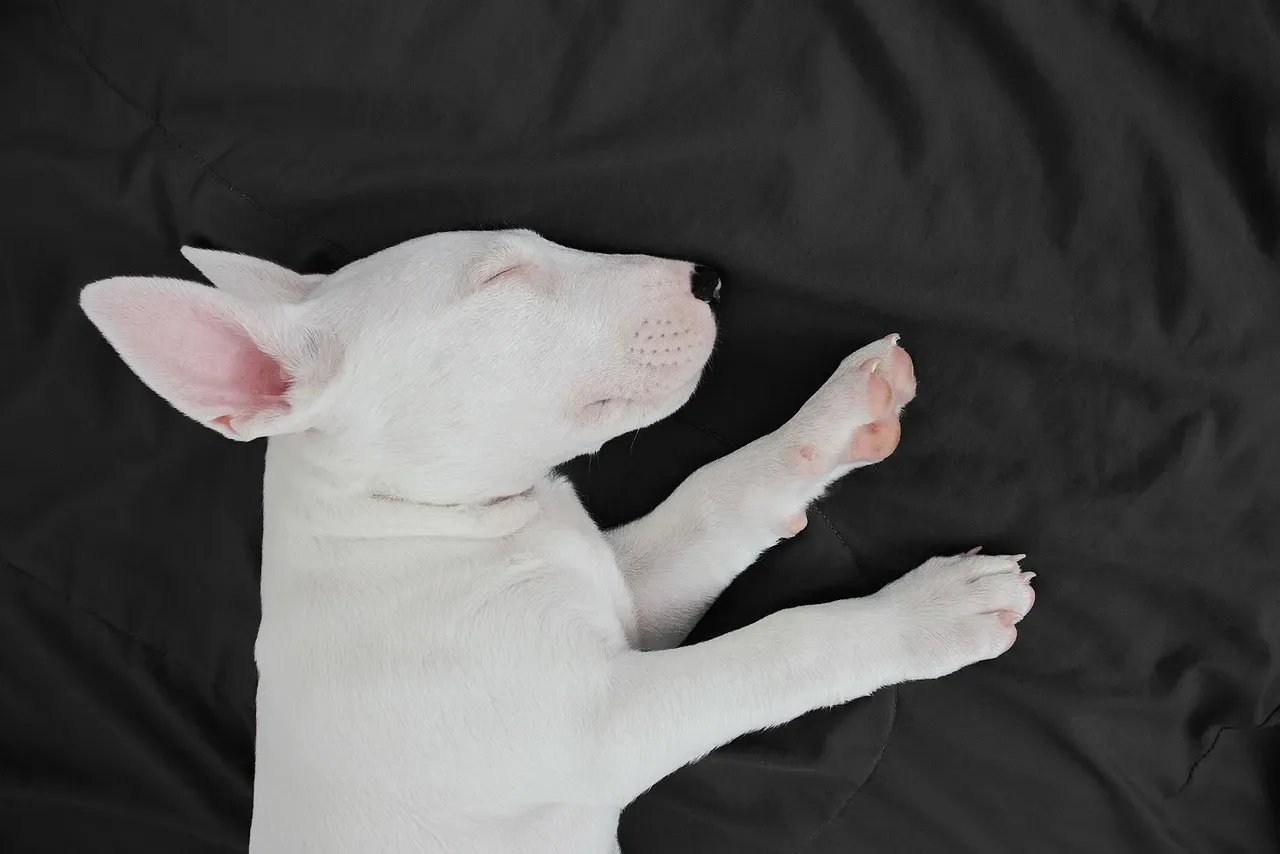
So the next time your dog settles in for the night facing the door instead of you, try to see it for what it truly is. This behavior is one of the many ways dogs remind us that their loyalty runs deep. They’re watching the world not just to keep it in check, but to keep you in it as well.
When your dog sleeps with its back to you, it’s generally a positive sign of trust, comfort, and bonding. There is something quietly beautiful about a creature that loves you so completely, they position their whole body between you and any potential danger, even in sleep. That’s not rejection. That’s devotion in its purest, most unspoken form.
Does knowing this change the way you’ll look at your dog tonight? Tell us in the comments – we’d love to hear how your pup sleeps and what you think it says about your bond.


