
You’re sitting in your living room, your dog sprawled happily across your feet, calm as a summer afternoon. Then a friend walks in. Someone your dog has met before. Someone perfectly nice, by every human standard. Suddenly your pup stiffens, backs away, maybe even growls low under their breath. You feel that awkward mixture of confusion and embarrassment, wondering what just happened.
Here’s the thing: your dog isn’t being dramatic. They’re not being rude. They’re reading something you simply can’t. Dogs experience the world through a completely different sensory lens, and when they suddenly decide someone isn’t welcome, there is almost always a very real, very layered reason behind it. The answer might surprise you, move you, or even make you see your dog in a whole new light. Let’s dive in.
Their Nose Knows Things You Don’t

If you’ve ever wondered why your dog sniffs a newcomer so intensely, that’s not rudeness. That’s their version of reading a full biography. Dogs have up to 300 million smell receptors, compared to our 6 million, making their olfactory powers roughly 50 times more sensitive than ours. Think of it this way: we glance at someone’s face and form an impression. Your dog inhales a lifetime of emotional data instead.
Typically when a dog sniffs a person they are uncomfortable with, it’s due to the pheromones that person is giving off. To the dog, those pheromones may signal a threat or an alarm telling the dog to beware. Stress hormones, fear, even illness can all be carried in a person’s scent without them even knowing it.
Dogs can detect invisible chemical cues like pheromones, hormone traces, or metabolic residues and use them to assess someone’s emotional state, health, or even intentions. So when your dog suddenly backs away from your cousin who just seems a little off today? Trust that nose. It’s picking up something worth paying attention to.
Wearing strongly scented perfumes or colognes can also trigger this behavior in dogs. Sometimes it’s not about danger at all. It’s simply about sensory overload. Imagine someone walking toward you wearing something so overwhelming it genuinely hurt your head. That’s your dog’s reality with certain scents.
Their Memory Runs Deeper Than You Think

Dogs don’t just live in the moment, despite what we sometimes assume. Dogs don’t forget their traumatic experiences, and people who may look similar to those in their abusive past may understandably cause a fearful or nervous reaction. It’s heartbreaking but true. A dog who was mistreated by a tall man with a beard years ago may flinch every single time they encounter someone with similar features today.
If you adopted your dog from a shelter, chances are they had a traumatic past and may have suffered abandonment or abuse by a previous owner. This can have a lasting impact on the dog even after being rescued and adopted by a loving family. I think this is one of the most emotionally important things any rescue dog parent needs to understand. Their reaction isn’t a reflection of the present. It’s an echo of the past.
A dog can experience trauma just as much as humans can, and sometimes new people remind them of that traumatic experience. Physical attributes, smells, and even the sound of a voice could bring your dog back to a scary time in their life. So your dog’s sudden dislike of a perfectly kind person isn’t irrational. It’s deeply personal history playing out in real time.
It has been observed how some rescue dogs feel uncomfortable and distressed around men but seek comfort in women. The reason for this often points to them being abused by a man previously. Noticing these patterns in your dog can be genuinely useful, not just emotionally, but practically, in helping them heal.
They’re Reading Body Language Better Than Any of Us
Honestly, dogs are better at reading people than most people are. Dogs pick up on nervousness, hesitation, or threatening gestures. If someone approaches too quickly or bends over a dog in a dominant stance, it might make the dog uncomfortable. What looks like a friendly greeting to us can feel like an invasion to a dog.
Canines communicate a lot through body language, so while they are listening to someone’s tone of voice, they will also be checking out their body language. In the animal kingdom, direct eye contact is actually a sign of dominance, which can make your pup feel threatened. That wide-eyed “I love dogs!” stare that well-meaning people give? Your dog might read that as a challenge.
The person may have body language which is interpreted as menacing by the dog. Polite dogs approach each other pretending not to care, looking elsewhere, being very casual, taking their time and approaching sideways. Now look at how many “dog-loving” people approach a dog: they stare directly, move toward it with open arms, typically in a high-pitched voice, baring teeth in a grin. No wonder some dogs back away from the most enthusiastic humans in the room.
Dogs can tell if someone is being rude or unhelpful, and if they notice behavior they do not like, they might not warm up to a person very easily. This is especially true if a new person is rude to the dog’s owner, which feels like a personal slight to your canine companion. Let’s be real. Your dog is quietly watching how people treat you, and they absolutely have opinions about it.
What Their Own Body Is Trying to Tell You
When your dog suddenly acts wary around someone, their body is already broadcasting the full story, if you know where to look. A tail tucked tightly between the legs is a classic stress signal. A low tail with a stiff, quick wag can also mean worry, not joy. So that wagging tail may not mean what you think it means in every situation.
When dogs feel stressed, they’ll pointedly look away and avoid eye contact. People often interpret this as their dog ignoring them or being stubborn, but the dog is expressing discomfort. This one trips up so many dog parents. What looks like indifference is often a very deliberate act of communication.
A distressed dog might perform exaggerated yawns, sneeze, or lick their lips frequently. They might also shake their bodies as if their coat is wet, focus on self-grooming, or scratch themselves excessively. These are calming signals, your dog’s way of trying to self-soothe when the social situation feels like too much.
Sometimes a dog’s dislike for certain people can stem from underlying health issues. A dog in pain or discomfort might be more irritable or defensive, regardless of the person’s intentions. If your dog suddenly starts reacting negatively toward people they were once comfortable with, it may be worth scheduling a vet checkup to rule out any medical concerns. This is one people often overlook completely. Pain changes everything, even social behavior.
How to Help Your Dog Feel Safe Again
Here’s the good news: a dog that dislikes someone today is not necessarily a dog that has to feel that way forever. Gradually exposing your dog to the person they fear or dislike, starting with minimal contact and increasing the duration and intensity over time, can help your dog build positive associations and reduce their fear or aggression. Think of it like turning up the volume slowly, rather than all at once.
Have new people act nonchalant and avoid starting a staring contest with your dog. Let your dog decide, on their own terms, whether they would like to come up for attention or pets. If the person keeps it friendly, laid-back, and non-threatening, hopefully your dog will warm up to them over time. Patience really is everything here. You can’t rush trust, not for dogs, not for anyone.
Use positive reinforcement techniques to help your dog associate positive experiences with the person they fear or dislike. Reward calm behavior, and gradually increase positive interactions between the person and the dog. A well-timed treat can literally rewire a negative association. It sounds almost too simple, but the science behind it is solid.
If your dog’s reactions are severe or persistent, consider consulting a professional dog trainer or behaviorist. They can help identify triggers and develop a tailored plan to address the behavior. There is no shame in asking for help. In fact, reaching out to a professional is one of the most loving things you can do for your dog.
Conclusion
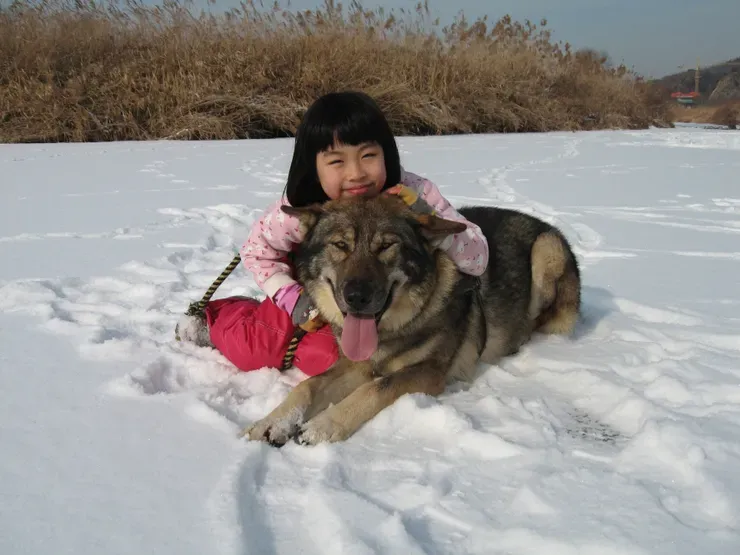
Your dog is not difficult. They are not misbehaving or being petty. They are communicating, in the only language available to them, that something in their world feels unsafe. That’s actually an incredible form of loyalty and emotional intelligence when you stop to really think about it.
The moment you shift from “why is my dog being like this?” to “what is my dog trying to tell me?”, everything changes. You become a better advocate, a more empathetic companion, and honestly, a more observant human overall. Dogs have so much to teach us, if we’re willing to listen to what they can’t say out loud.
So the next time your pup stiffens up around someone you thought was perfectly fine, pause. Breathe. Get curious instead of embarrassed. Your dog might just be the wisest one in the room. What’s the most surprising reaction your own dog has ever had to someone? You might find the answer hidden somewhere in these very reasons.


