

Imagine this: you open your front door for just a second, and your dog slips out. In the blink of an eye, your world tilts sideways. Your heart races, your mind blanks, and suddenly you wish you had done more to prepare. It’s a feeling no dog lover ever wants to experience, yet it happens to even the most careful, most devoted pet parents every single day.
Statistics tell us that one in three pets will become lost at some point during their lives. That’s a staggering number. An estimated 10 million dogs and cats are lost or stolen in the United States every year. The good news? There are real, proven ways to protect your pup and dramatically improve the chances of a happy reunion. Let’s dive in.
Why Pet Identification Is a Lifeline, Not Just a Nicety
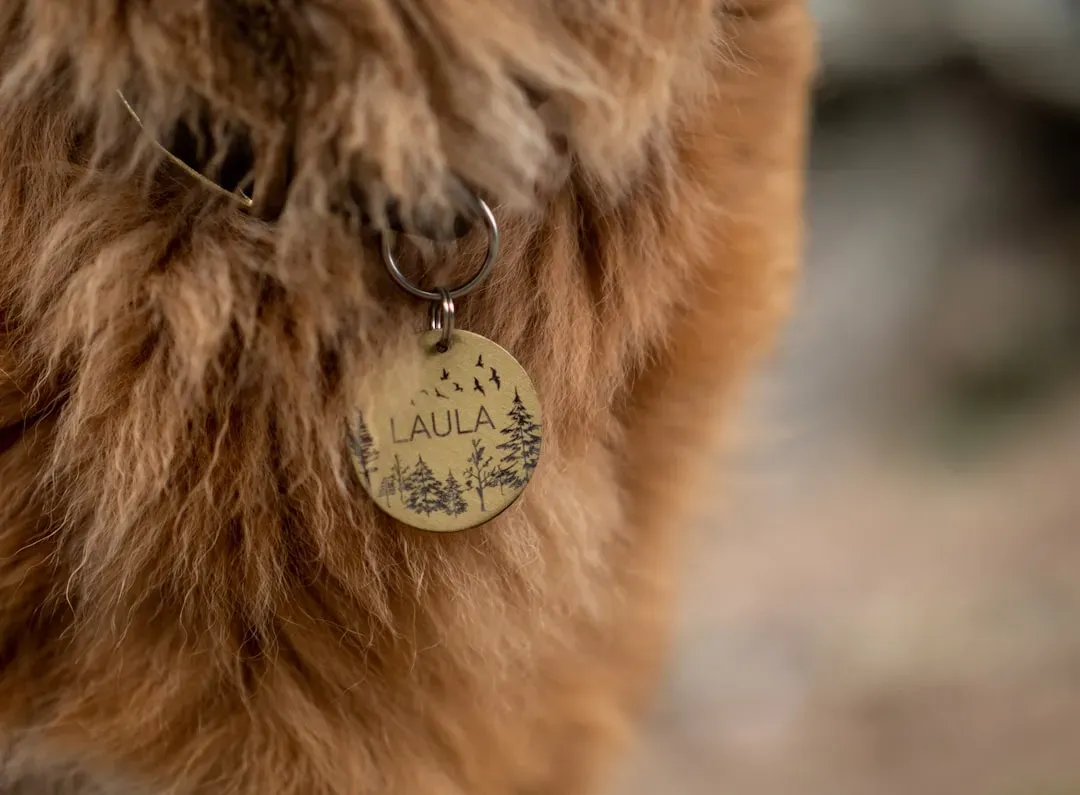
Here’s the thing: most dog owners think identification is something you sort out once and forget about. Slap on a collar tag, done. But pet ID is so much more than that. It is genuinely the difference between a terrifying week of searching and a phone call that brings your dog home within hours.
A collar and ID tag with a current phone number and address is the most effective way to be reunited with your pet, and quickly. Think of it like a passport for your dog. Without it, no one knows who they belong to or how to reach you.
Dogs tend to have a higher incidence of having ID tags and microchips, while cats are much less likely to have a means for identification available. So if you have a multi-pet household, make sure every single animal is covered. No exceptions.
Microchipping: The Tiny Technology That Changes Everything
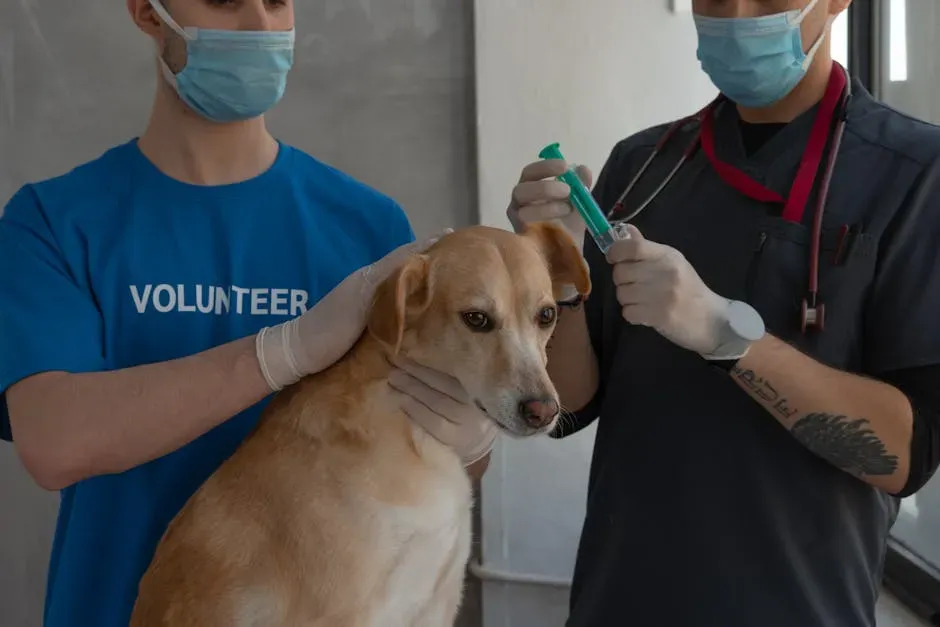
I know it sounds intense, but microchipping is honestly one of the simplest things you will ever do for your dog. This tiny, rice-sized device is implanted under the skin and provides a reliable, lifelong form of identification. The procedure takes seconds and feels no worse than a routine vaccination.
Research revealed that only 22 percent of lost dogs entering shelters were returned to their families, but that percentage rose to more than 52 percent when a dog was microchipped. That’s more than double the chance of getting your dog back. Honestly, those numbers alone should be reason enough.
Unlike collars or tags that can break or slip off, a microchip remains safely in place, reducing the risk of permanent separation. It is the backup plan that never fails, never falls off, and never fades.
The Registration Problem Nobody Talks About Enough

Here is where so many well-meaning dog owners drop the ball. Getting your dog microchipped is only half the job. Unfortunately, only about six in 10 microchips in pets are registered, an oversight that could prevent lost pets from returning home to their families. That statistic honestly breaks my heart.
Information for about 35.4 percent of microchipped pets entering shelters was inaccurate, which avoided a reunion with their families. A chip that points to an old phone number is essentially useless. It’s like writing your address on a piece of paper and then moving house without updating it.
Make sure your contact information is up to date with the microchip registry. Many people change their phone number or move and forget to update their pet’s microchip information. Set a reminder on your phone today. Seriously, do it right now.
What to Do the Moment You Realize Your Dog Is Missing
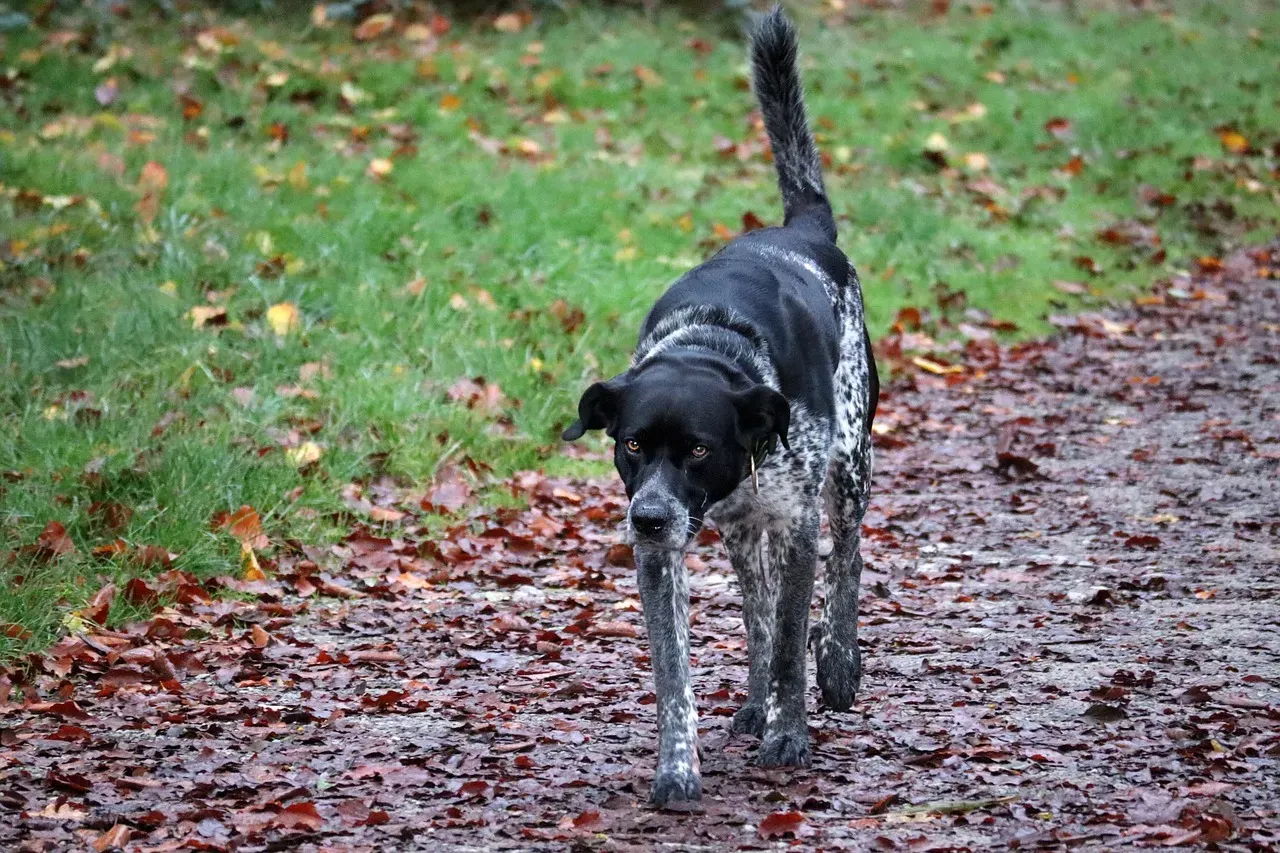
The first few hours matter enormously. The chances of finding a missing dog drop by 60 percent after just 24 hours. So the worst thing you can do is wait, hope, and assume they’ll just wander back. Act immediately and act smart.
Most lost pets are found within one mile of where they went missing, often much closer. Start searching your immediate neighborhood before expanding your radius. Call your pet’s name calmly and check hidden spots like garages, sheds, under decks, or bushes. Bring a flashlight and familiar scents. Pets often hide during the day and move at night when it’s quieter.
Contact your local animal control agency to file a lost pet report, and notify nearby veterinary clinics. Recruit family, friends, and neighbors to help you search your neighborhood or the area your pet was last seen. Cast a wide net from the very beginning. If your pet is microchipped, call your microchip company to ensure that your personal information is up to date and report the pet as missing. Join all local pet groups on Facebook and neighborhood groups on Nextdoor, and post about your lost pet, including a good-quality photo, a description, contact information, and the last known location.
What to Do If You Find a Stray Dog

Finding a lost dog on the street puts you in a genuinely important position. You could be the person who reunites a family with their beloved companion. If the pet doesn’t have visible ID, take them to a local veterinary hospital, animal shelter, or animal control office. These facilities have microchip scanners that can read embedded microchips. A microchip is a permanent ID device that links to a pet owner’s contact details.
Recently found pets should always be considered a flight, bite, and disease risk. Because many pet finders are unaware of their history and whereabouts, make sure to keep them on a slip lead in a secured area and handle them with caution, as they may be bringing in potential fleas, ticks, or other diseases into your home. This isn’t being unkind. It’s being responsible.
Not everyone who claims a lost pet has good intentions. Be cautious if someone claims to be the owner without providing adequate proof. Ask for specific details about the pet, such as unique markings, behaviors, or photos. Reputable pet owners will usually be able to provide this information readily. Trust your gut on this one.
Prevention Is Always Better Than Panic

Let’s be real, the best lost-pet story is the one that never happens. An open door goes unnoticed, a dog gets frightened by a thunderstorm, you are traveling with your pet and someone you are staying with lets them out. There are so many scenarios and, as a result, so many lost pets. It can happen to you, so be prepared and act fast if your pet goes missing.
There is typically a significant increase in lost pets following July 4th and New Year’s Eve due to the loud noises and fireworks that many pets find terrifying. Plan ahead during those times. Keep your dog safely inside, draw the curtains, and stay close to them. There are plenty of pet GPS trackers on the market, and some can even alert you when your pet leaves a specified safe zone. However, devices like this require batteries or charging, which renders them useless if they die, making them supplemental and not a replacement for an ID tag or microchip.
Review the circumstances that led to their escape and take corrective measures, such as reinforcing gates, checking leashes, or adjusting collars to prevent similar incidents in the future. Think of it as a simple home safety audit. A few minutes of preventive action could save you weeks of heartbreak.
Conclusion: A Little Preparation Goes a Long Way

Your dog trusts you completely. They have no way to carry a wallet, no way to call for help, and no concept of how far from home they’ve wandered. That means the entire responsibility of keeping them identifiable and findable rests on your shoulders. It’s a big deal, but it’s also incredibly manageable.
Collar tag. Microchip. Updated registration. A recent photo saved on your phone. Those four simple things are the foundation of pet safety. They don’t take long to arrange, they don’t cost a fortune, and they could genuinely save your dog’s life. Remember, pets can be amazingly resilient and resourceful, so don’t stop looking.
So here’s the question worth sitting with tonight: if your dog slipped out the door right now, would they have everything they need to find their way back to you? If the answer gives you even a moment of doubt, let that be the nudge you needed. Your dog is counting on you.


