
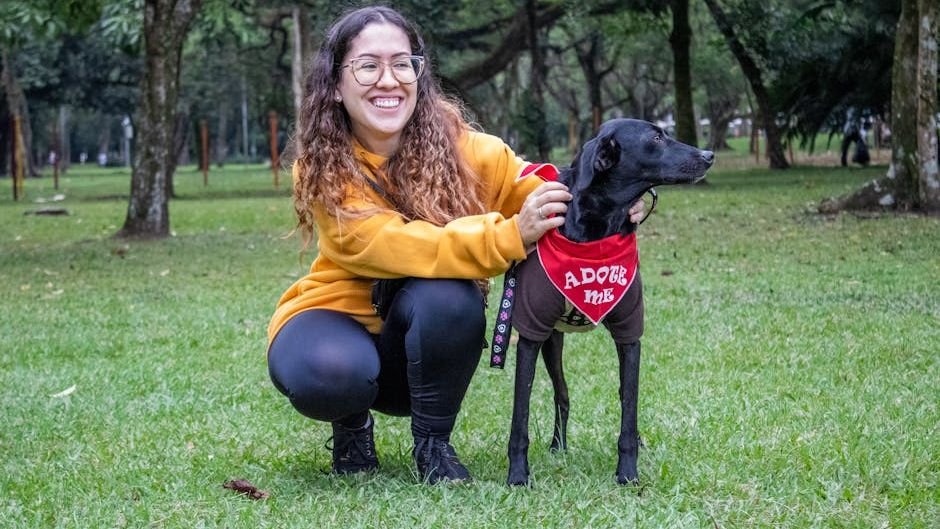
There is something quietly extraordinary about the moment a rescue dog first steps through your front door, nose low, tail tucked, eyes wide with cautious wonder. They don’t know yet that everything is about to change. Honestly, neither do you. The truth is, welcoming a rescue dog isn’t just an act of charity. It’s the beginning of a two-way transformation that most people never fully see coming.
What makes the rescue journey so different from any other pet experience is the sheer depth of it. The stumbles, the breakthroughs, the 2 a.m. whimpers, and the morning where you suddenly realize they’re sleeping on their back with all four legs in the air like they own the place. Every stage holds something worth knowing, something that can help you do this better. So let’s dive in.
Understanding the Emotional World Your Rescue Dog Arrives With
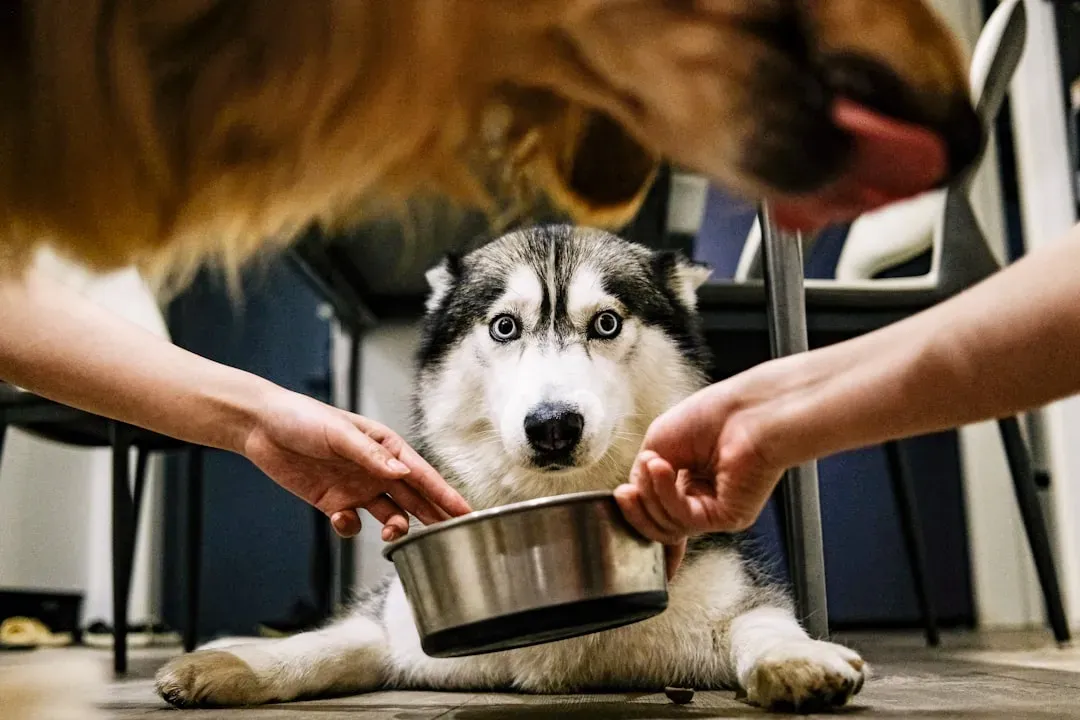
Many rescue dogs come from heartbreaking situations that leave invisible scars. Whether they were neglected, abandoned, abused, or simply undersocialized, trauma affects each dog differently. Some may shut down completely, while others may display signs of fear-based aggression or extreme anxiety. Think of it like walking into a new job after being fired from the last three. The wariness is earned, not invented.
When entering a new environment, a rescue dog may cower, growl, avoid touch, or resist basic handling. These are not signs of disobedience – they are survival mechanisms rooted in fear responses and learned behaviors. Understanding this distinction is everything. The dog isn’t being difficult. They’re being honest.
Dogs with trauma can display various symptoms, such as chronic anxiety, hypervigilance, avoidance of triggers, and even aggression. These behaviors can feel alarming if you’re not expecting them. Where dogs respond in an apparently irrational or exaggerated manner, it may be the result of previous trauma, and people involved in their care must respond with empathy, understanding, and practical solutions to improve welfare, while avoiding the need to re-traumatize them.
Many rescue dogs have experienced considerable trauma in their lives. Some have been abused, some neglected, some abandoned, and some have simply been kept so isolated that they no longer know how to socialize or cope with the world. Let that sink in for a moment. Your patience isn’t just kind. It’s genuinely healing.
The 3-3-3 Rule: A Roadmap, Not a Rigid Schedule
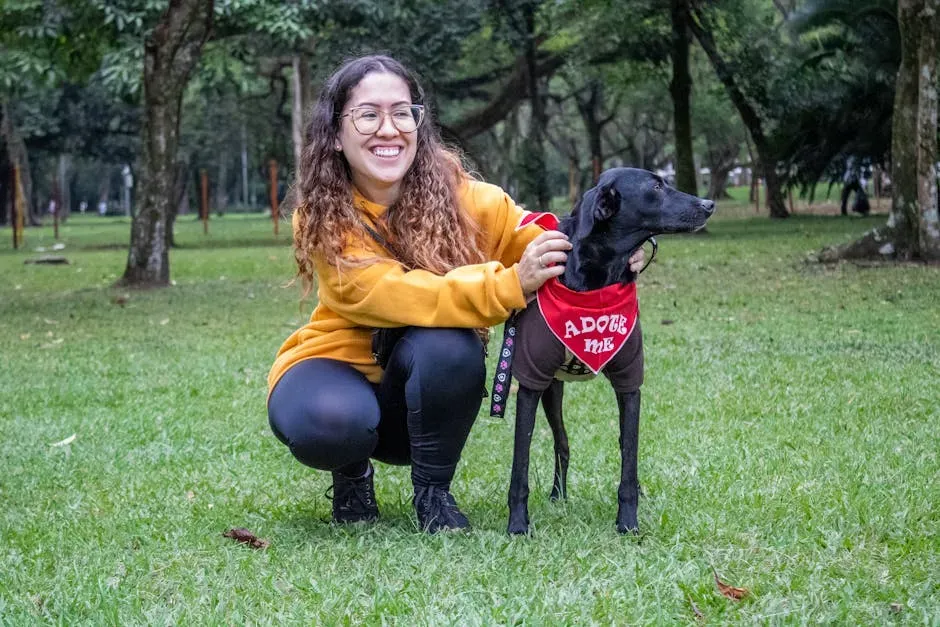
The 3-3-3 rule for dogs is a widely used guideline that outlines how a dog typically progresses during the first 3 days, 3 weeks, and 3 months in a new home. While every dog is unique, this rule helps adopters set realistic expectations during the early adjustment phases. It’s less of a promise and more of a compass.
During the first three days, your rescue dog may feel anxious, confused, or even shut down. Remember, they have just experienced a major life change. Some rescue dogs may display the opposite behavior, such as hyperactivity or clinginess. Both responses are normal stress reactions. Keep things calm, limit visitors, and let them breathe.
By the three-month mark, most rescue dogs have developed a genuine sense of security in their new home. They understand the household routine, have bonded with family members, and display consistent personality traits. This is when you’re finally meeting the “real” dog – the one who was always there, just buried under layers of stress and uncertainty.
Here’s the truth that the neat 3-3-3 framework can sometimes obscure: many dogs need significantly more time. Studies tracking rescue dog behavior found that while some behaviors stabilize or improve by 90 days, others continue evolving through the six-month mark and beyond. Separation-related behaviors showed a statistically significant decrease between 90 and 180 days, meaning improvement was still happening well past the “three month” milestone. So if your dog isn’t “fixed” at 90 days, don’t panic. That’s not how healing works.
Building Trust One Small Moment at a Time
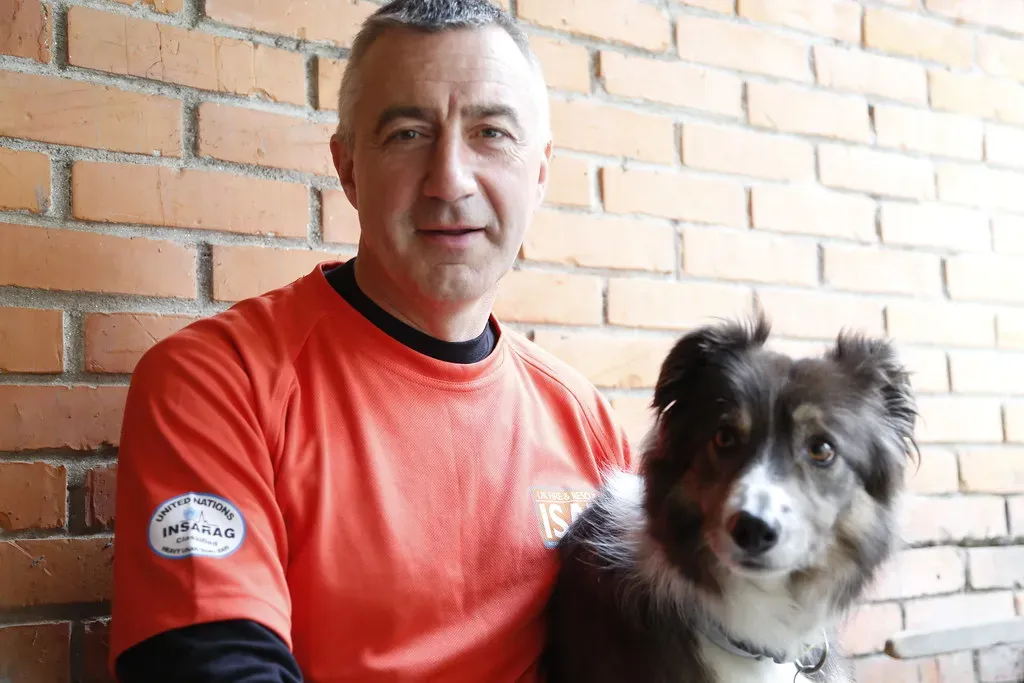
Trust is not automatic; it’s earned. Rescue dogs come with emotional scars, and gaining their confidence takes time, patience, and consistency. Think of it like building a wall brick by brick. You can’t skip the foundation and expect it to hold.
Every dog needs a place where they can retreat and feel safe. This is especially important for rescue dogs who might feel overwhelmed in a new environment. Designating a quiet area with a bed or crate where your dog can relax undisturbed helps enormously. Respect their space and don’t force your dog to interact if they retreat to their safe spot – let them come to you when they’re ready.
Rescue dogs frequently display tangible gratitude after traumatic experiences, visible in behavioral changes like following their adopter from room to room, sleeping near them instead of hiding, or greeting them at the door with genuine excitement. This bond strengthens when families establish shared activities: regular walks build routine and exercise, training sessions create communication patterns, and outdoor adventures become consistent experiences that the dog anticipates.
Transformation unfolds slowly, often in small, ordinary moments – a timid tail wag, a first purr after weeks of silence, a dog finally learning that raised hands can mean affection instead of fear. Those moments? They’re the ones you’ll remember forever. Celebrate every single one of them.
Health Signs, Prevention Tips, and When to Call the Vet
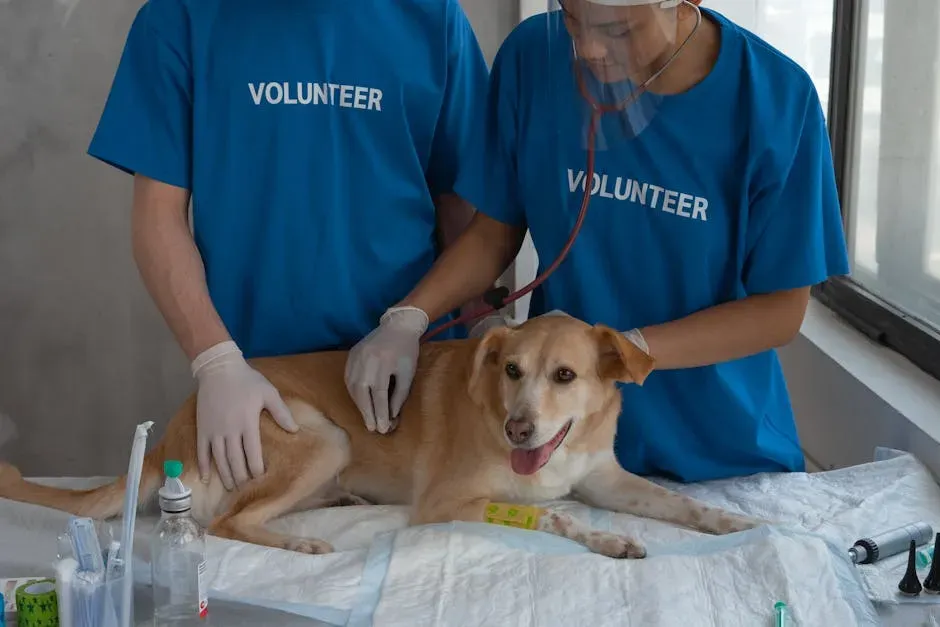
Even if your dog came with medical records, book a vet appointment within the first week. This helps establish a care baseline and gives you peace of mind. A solid healthcare foundation supports long-term wellness. You wouldn’t skip the doctor after a major life event. Your dog deserves the same consideration.
It’s important to schedule a check-up with your veterinarian soon after adopting your dog, especially if you’re unsure of their vaccination history or overall health. Your vet can conduct a thorough exam, provide vaccinations, and discuss preventive care, such as flea and tick prevention, spaying or neutering, and parasite control.
Warning signs that may require your nearest veterinarian include refusal to eat for more than 48 hours, vomiting, diarrhea, or extreme lethargy. These aren’t just behavioral quirks. They could be genuine health signals requiring prompt attention. Don’t wait and hope they pass.
Provide a balanced diet and maintain regular vet check-ups to ensure the dog’s physical health. Health issues can affect behavior, so keeping the dog in peak physical condition aids their recovery journey. Physical wellness and emotional healing are deeply linked in rescue dogs. You genuinely cannot separate the two.
Training, Enrichment, and Helping Your Rescue Dog Truly Flourish
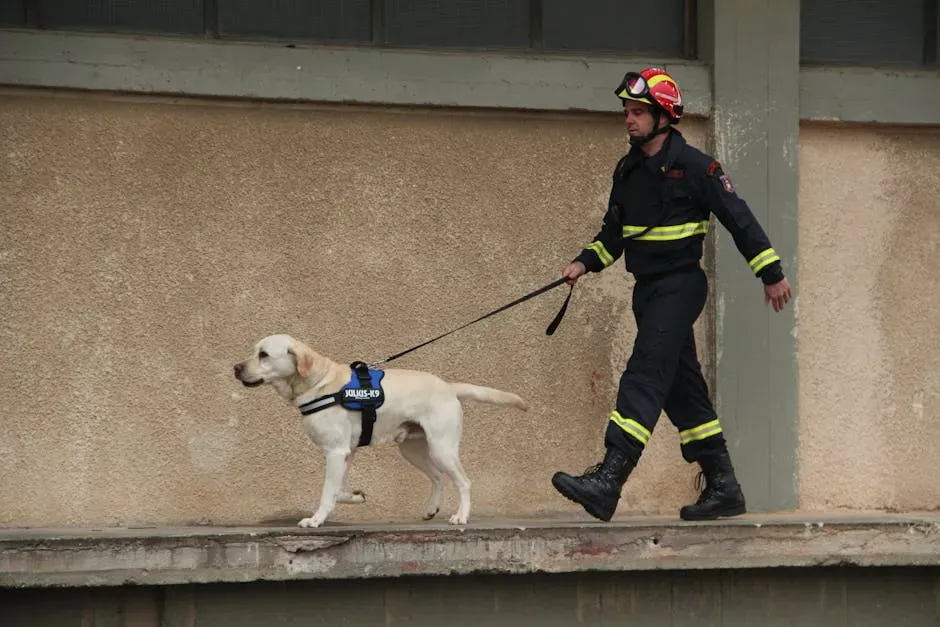
Rescue dogs may not have had formal training, so patience is vital. Crate training and reward-based learning are the most effective strategies. Socializing your pup gradually with people and other dogs will help them feel confident. Start small. The goal is not obedience for its own sake. It’s communication.
Dogs thrive on routine, so it’s essential to establish a daily schedule for feeding, potty breaks, playtime, and training. Consistency will help your canine buddy feel more secure and make the transition easier for both of you. A predictable day is a gift to a dog whose entire life has been unpredictable. Structure is love in disguise.
Physical activity and mental enrichment are essential for rescue dogs. Many come with pent-up energy or under-stimulated minds. Engaging their mind is just as important as burning off energy. Puzzle feeders, sniff walks, hide-and-seek games with treats – these things matter more than most people realize.
Research backs up what many adopters feel anecdotally: despite behavioral challenges during the adjustment period, approximately 94% of rescue dog owners rate their dog’s overall behavior as excellent or good six months after adoption. Let that number be your north star on the hard days. The payoff is real, and it is coming.
Conclusion: The Dog Who Saves You Right Back
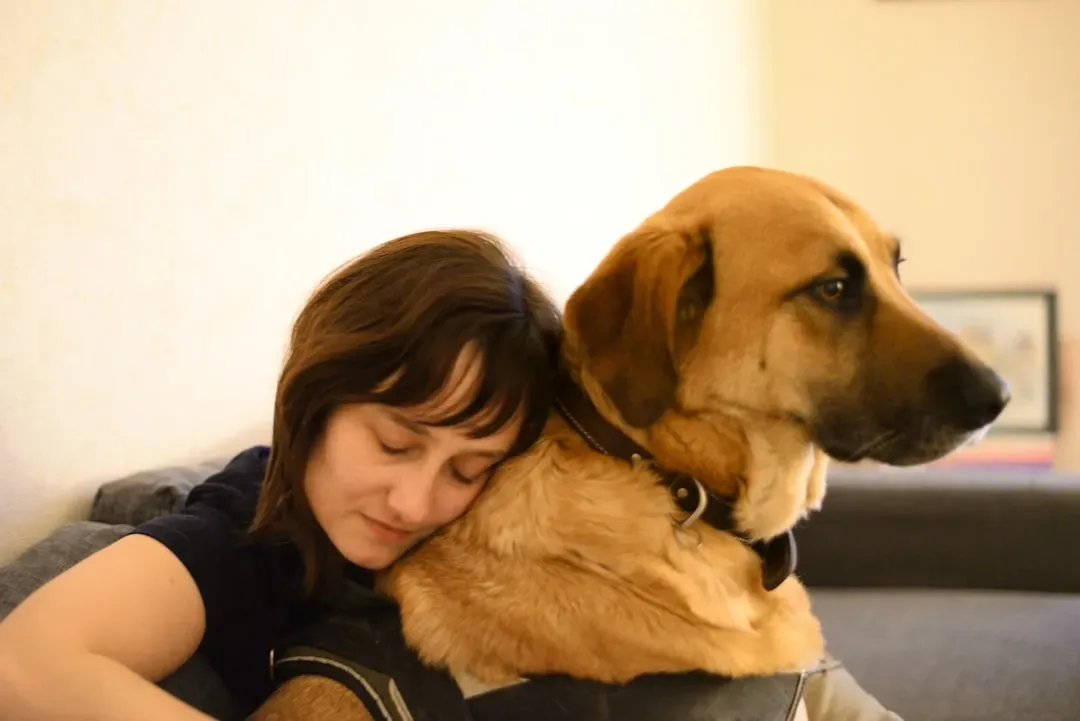
Here’s the thing nobody really tells you before you adopt: the transformation is mutual. You think you’re rescuing a dog. Then one morning, maybe four months in, you realize that dog has reshaped your patience, your empathy, your sense of presence. That’s not a coincidence. The adopter-rescue dog relationship becomes genuinely mutual. The dog provides emotional support during stressful days while the family provides security and structure. This reciprocal bond reflects the actual neurological reality that dogs form attachments that reduce stress hormones in both animal and human.
These bonds feel different because they’re built on mutual need. A rescued animal doesn’t expect perfection. They respond to consistency, kindness, and presence. That’s a lesson most of us spend years trying to learn from people, and a rescue dog teaches it freely, without conditions.
So if you’re in the thick of it right now, wondering whether it’s working, whether you’re doing enough, whether this dog will ever fully trust you – stay the course. Bringing home a rescue dog is a journey of trust, healing, and love. It’s not always easy, but it’s always worth it. With time, structure, and patience, you’ll see your dog transform from anxious or shut down to relaxed, loving, and full of life.
The dog no one else chose is often the one who chooses you most completely. What would you have guessed about who truly needed rescuing in the first place? Tell us your story in the comments – we’d love to hear it.


