
Something magical happens when you walk through the shelter and make eye contact with a gray-muzzled dog quietly watching from their kennel. While puppies bounce and bark for attention, senior dogs often sit with a dignified patience that speaks volumes about their character. These older companions carry stories in their gentle eyes and wisdom in their slower steps. Despite their incredible qualities, senior dogs find new homes at significantly lower rates, while younger dogs get adopted at much higher rates. Yet those who choose to open their hearts to a senior dog discover a depth of companionship that’s truly extraordinary.
The bond between human and senior dog isn’t just touching – it’s transformative. These mature pups offer something that younger dogs simply can’t: instant gratitude, established personalities, and a calm presence that enriches daily life in unexpected ways. Let’s explore why adopting a senior dog might just be one of the most rewarding decisions you’ll ever make.
The Instant Bond That Changes Everything
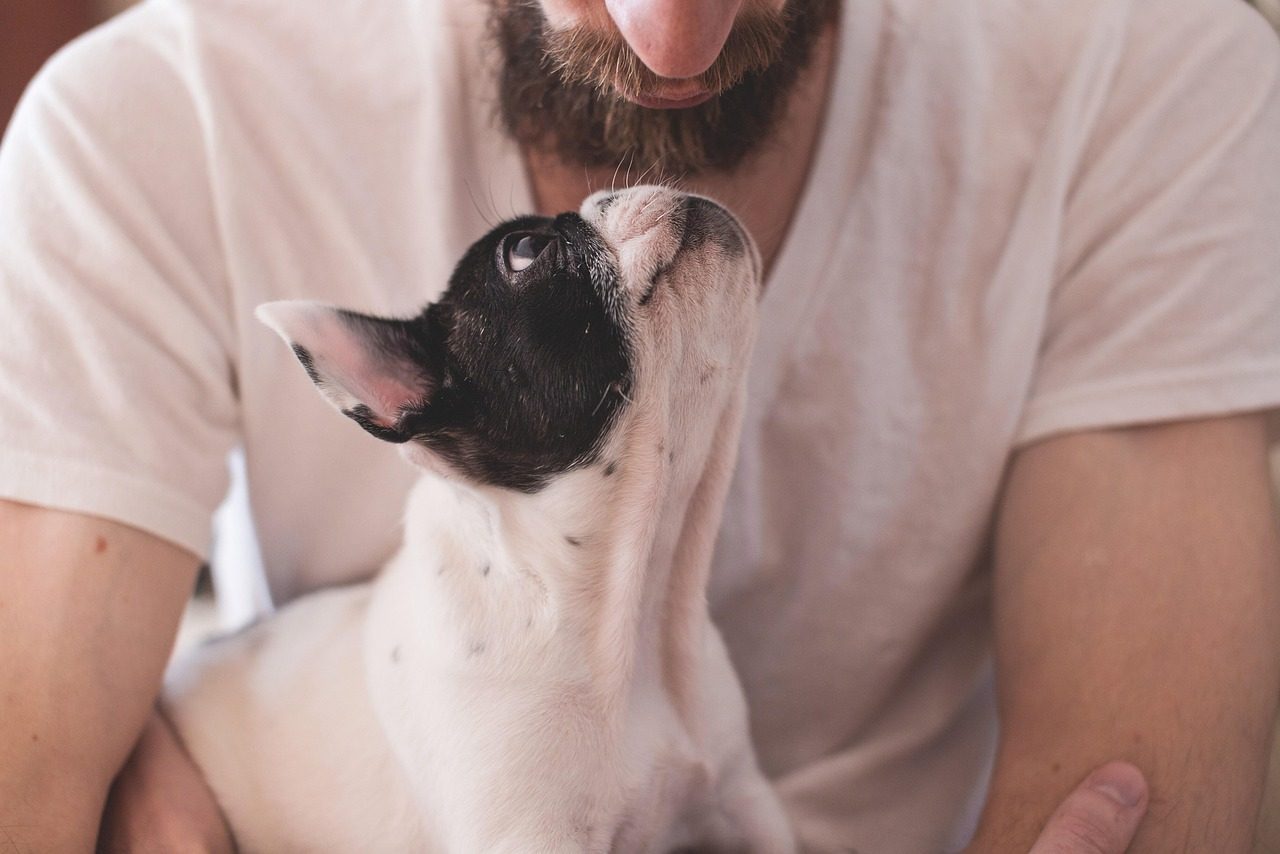
When you adopt a senior dog, you’re not just gaining a pet – you’re welcoming home a grateful companion who seems to understand they’ve been given a precious second chance. “Senior dogs seem to show gratitude to their adopters, which can look like a quiet, soulful appreciation for being given a second chance,” notes Dr. Kristen Brauer, a veterinarian specializing in senior pet care.
Adopting a senior dog often leads to an incredibly rewarding emotional bond. Unlike their younger counterparts, senior dogs typically exude a calm and appreciative demeanor. This translates into a dog who settles into your routine quickly, seems genuinely thankful for simple pleasures like a warm bed or gentle scratch, and forms deep connections that feel almost telepathic.
The loyalty runs deeper too. Senior dogs often form strong attachments to their owners because they are so grateful to find a loving home. An older dog will usually want nothing more than to be by your side, whether joining you on the couch for some cozy snuggle time, accompanying you on walks or rides in the car, or simply following you from room to room.
Skipping the Chaos: Already House-Trained and Well-Mannered
Remember the sleepless nights, chewed shoes, and constant vigilance that comes with puppyhood? Senior dogs have moved far past that stage. Many older dogs already know how to potty like pros and won’t turn your table into a chew toy. This means you can enjoy your new companion without the stress of extensive training.
Many adult dogs have already experienced basic training or been cared for at some point. An adult dog most likely has a basic understanding of commands; hence, can respond to simple commands well. An older dog is also more receptive to newer commands due to the experience of learning and responding to commands from previous training.
The practical benefits extend beyond house training. Older dogs are often house-trained and accustomed to basic cues. They don’t require the constant supervision and house-training that puppies do. Most senior dogs are happy to lounge around while you’re at work or running errands. This makes them ideal for working professionals or anyone who appreciates a more relaxed lifestyle.
The Perfect Energy Match for Modern Life
Senior dogs tend to have a calmer temperament since they’ve shed most of their energies during their puppy days. Older dogs don’t feel the need to explore everything or chew on furniture, carpets, and shoes, which translates to less destruction. This doesn’t mean they’re inactive – they still enjoy walks, playtime, and adventures, just at a more manageable pace.
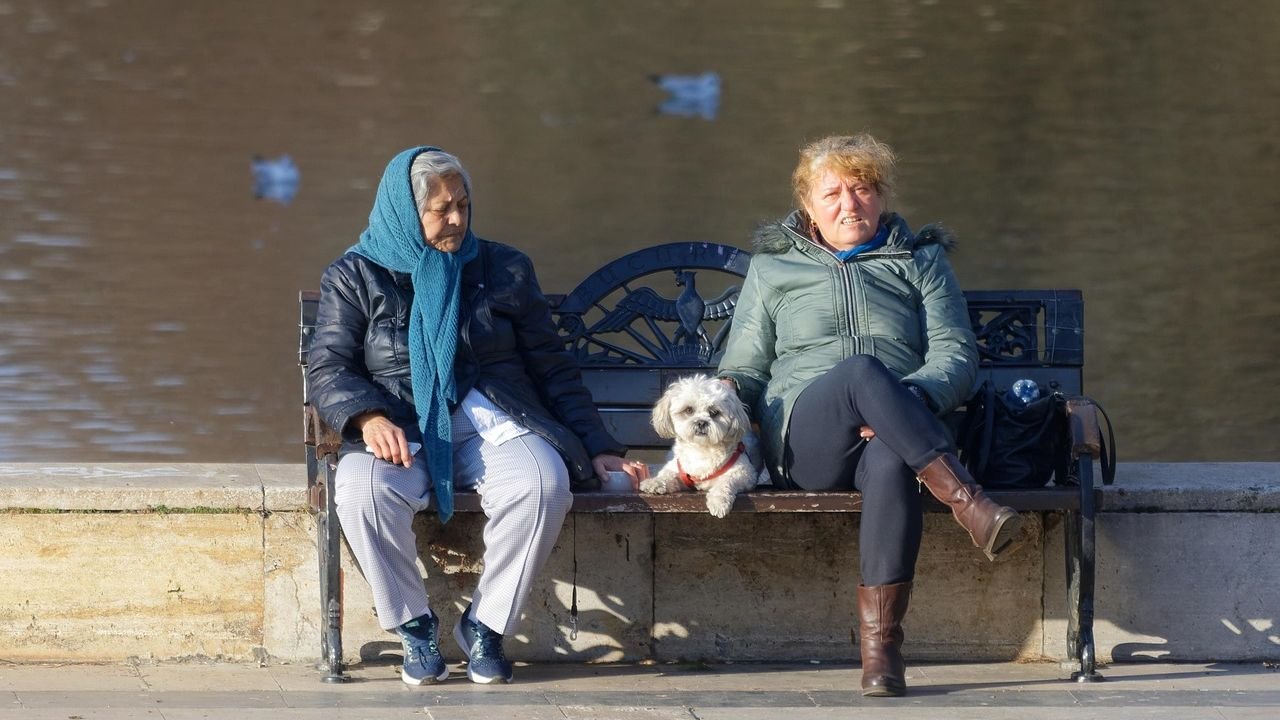
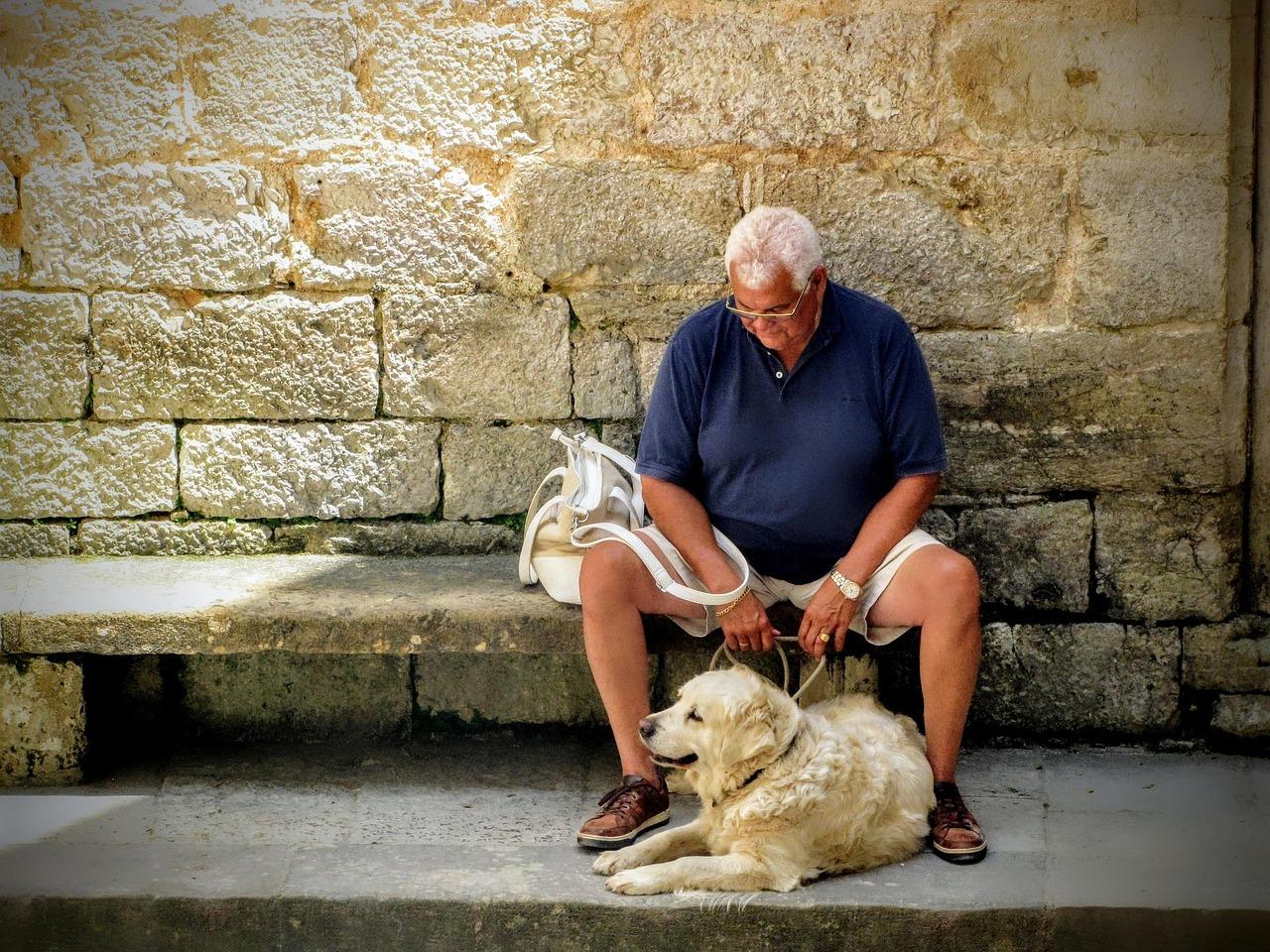
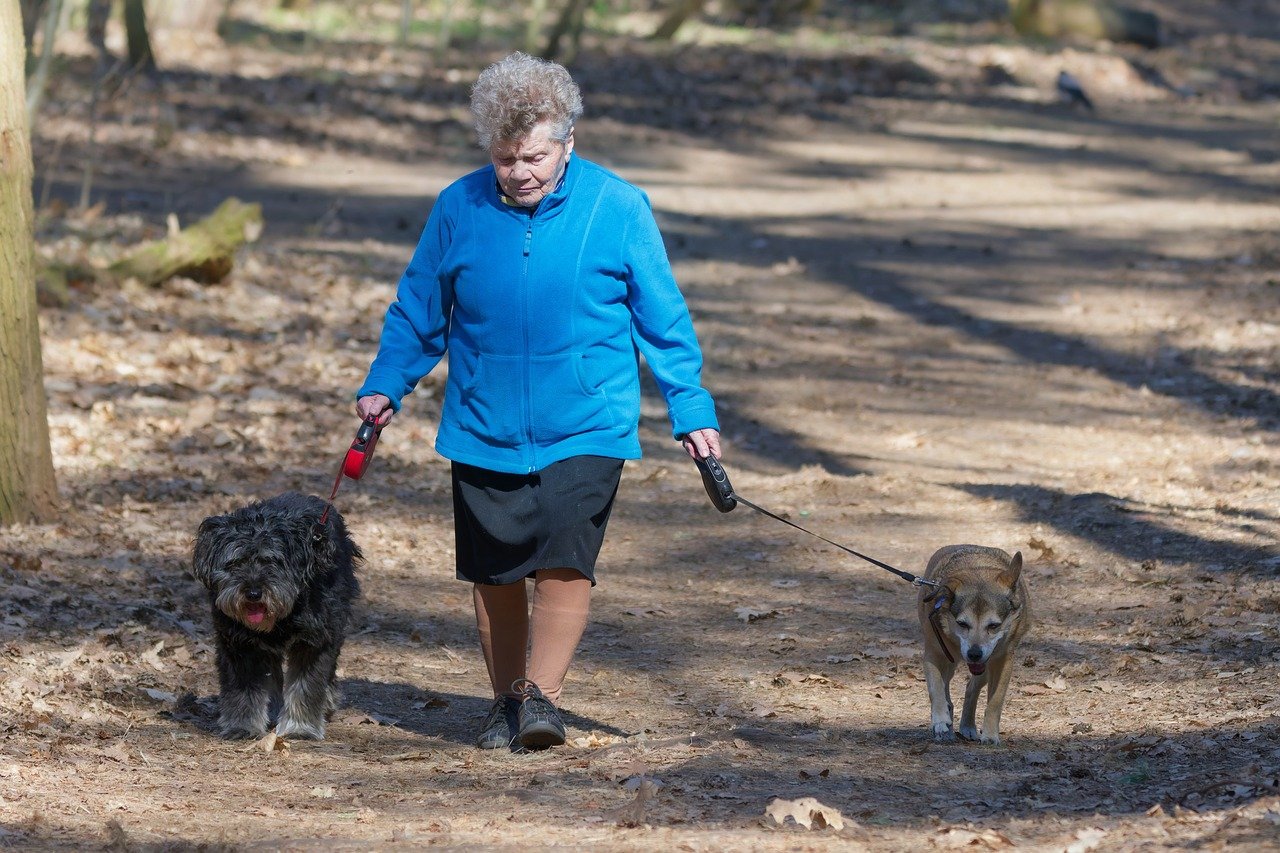
For many families, this energy level is actually perfect. Older dogs make ideal companions for senior citizens or less active families. They’re usually calmer and lower in energy. An older dog won’t constantly bug you to play or go for long walks, although they still enjoy strolls and playtime with their owners.
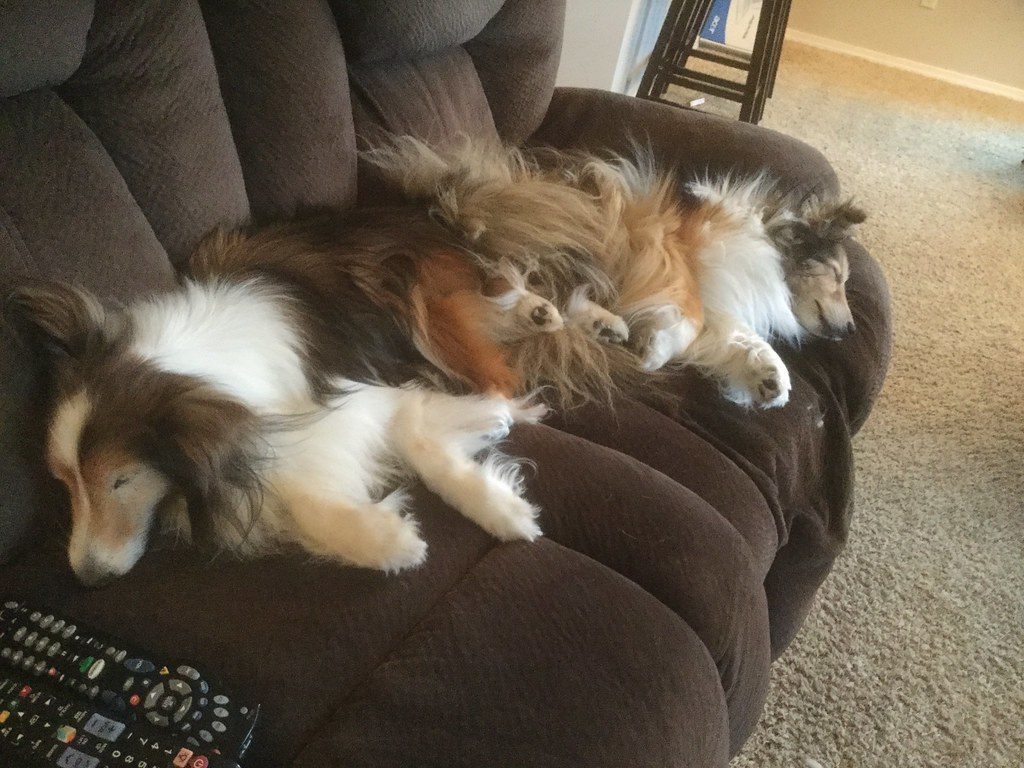
By the time Fido reaches his senior years, he’ll probably be more interested in snoozing in his doggy bed than in chasing after squirrels or digging up the yard. While older dogs do need some entertainment and proper activity, their needs here are less than those of younger pooches. This makes them wonderful companions for people seeking loyal friendship without overwhelming demands.
What You See Is What You Get: No Surprises
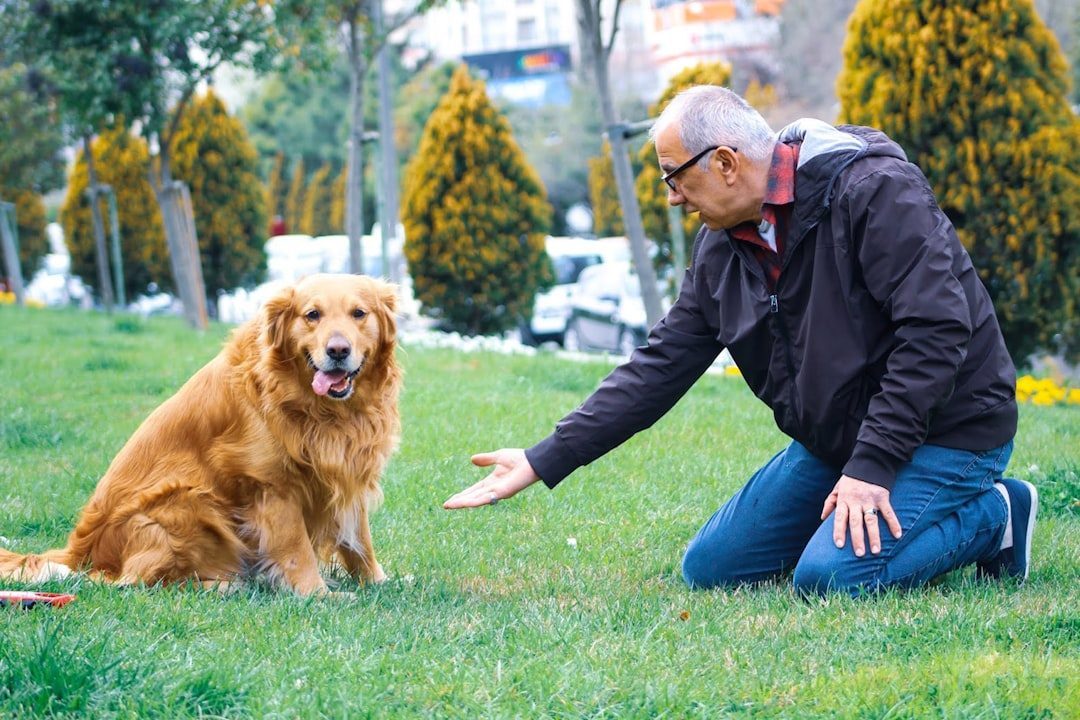
One of the biggest advantages of adopting a senior dog is knowing exactly who you’re bringing home. Many dogs in shelters are not yet grown, and their anticipated height and weight is generally estimated. However, senior dogs are already full-grown, which means pet parents know exactly what to expect. Pet parents know the dog’s temperament when adopting a senior.
Adopting an older dog gives you instant knowledge; you’ll know from the start important things like their full-grown size, personality and grooming requirements. This can make it easier to pick the right dog. This predictability is invaluable when choosing a companion who will fit seamlessly into your lifestyle and living situation.
There’s something comforting about this transparency. With puppies, you’re making educated guesses about temperament, size, and energy levels. With senior dogs, their personalities are established, their quirks are known, and you can make an informed decision about compatibility.
Health Benefits That Surprise Everyone
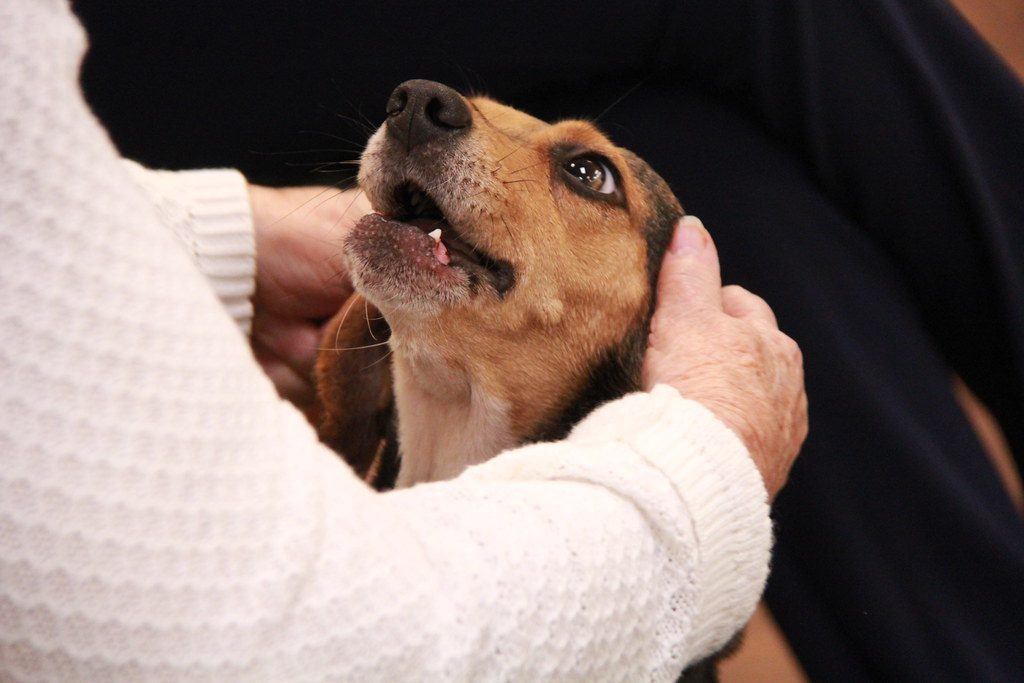
Contrary to popular belief, adopting a senior dog can actually offer clearer health insights than getting a puppy. “Younger dogs can come with just as many, or even more, unpredictable health challenges,” says Dr. Brauer. “Older dogs often provide a clearer picture of their health needs from the start, allowing the adopter to plan rather than be surprised.”
The health benefits extend to you as well. Adopting a senior dog won’t just give you the warm fuzzies – it might be good for your health, says Dr. Brauer. “Studies show that spending time with dogs reduces stress, lowers blood pressure, and improves overall well-being, and senior dogs in particular bring a special kind of calm into the home.”
Senior dogs require more structured veterinary care, which actually becomes an advantage. For healthy senior dogs, we recommend wellness visits at least once every six months with yearly lab work. Dogs with health conditions and geriatric dogs may need more frequent check-ups and bloodwork. This regular monitoring often catches issues early, leading to better outcomes.
Giving Back: The Life-Saving Impact
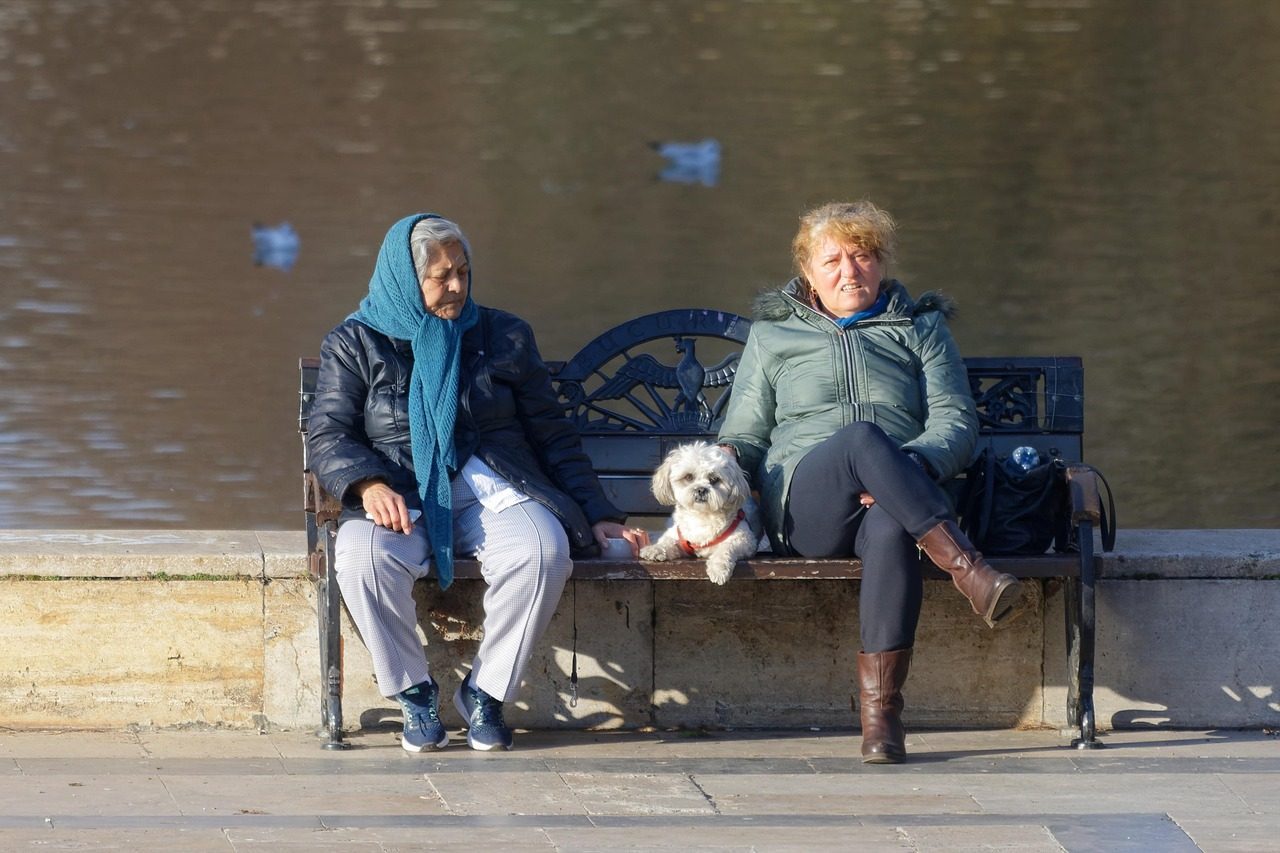
Perhaps the most profound benefit of adopting a senior dog is the knowledge that you are potentially saving a life. Older dogs are often overlooked in shelters and are at a higher risk of euthanasia. By choosing to adopt a senior dog, you are giving them a second chance at life in a loving home. This knowledge creates a profound sense of purpose and satisfaction that goes beyond typical pet ownership.
The circumstances leading senior dogs to shelters often have nothing to do with behavioral problems. “Older dogs tend to be surrendered more for human issues versus issues with the dogs themselves. Meaning, the owner becomes ill, moves into nursing care, or passes away.” These dogs were once cherished companions – and could be again – but are often passed over due to their age.
“Senior pets get overlooked so often,” said Jamie. “It’s a lot more fulfilling to provide an older animal that might not get adopted as quickly as relief from being in a shelter and get them back into a home.” They truly appreciate you and know you’ve given them a second chance at life. The emotional reward of this rescue is immeasurable.
Creating Your Perfect Senior Dog Haven
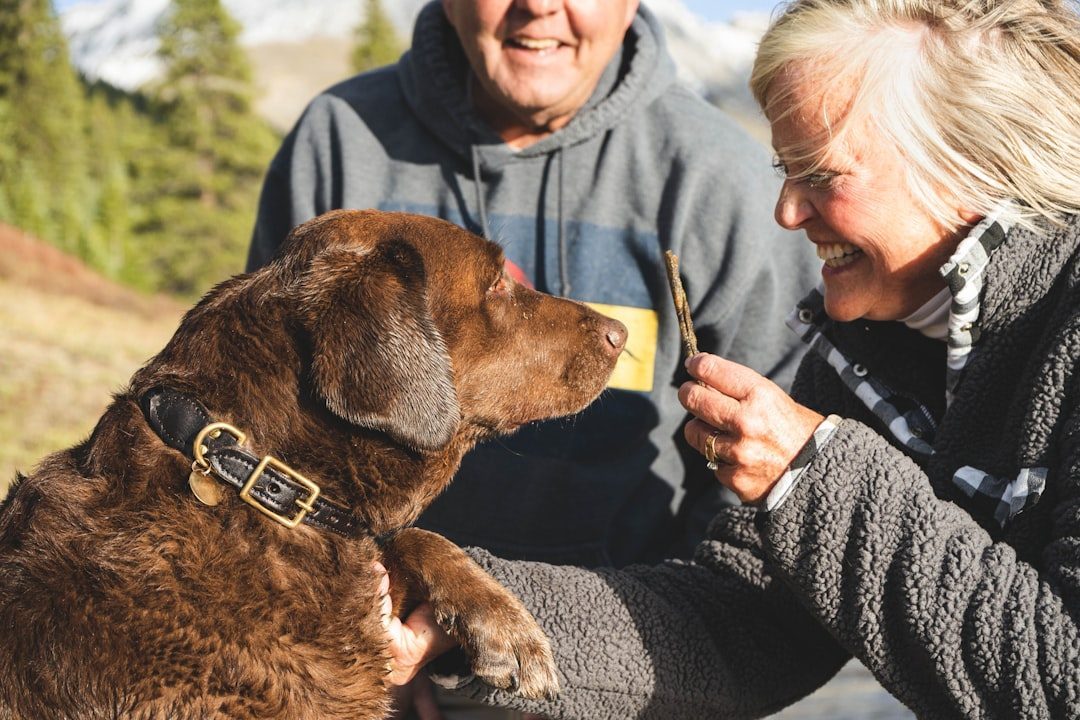
Caring for a senior dog is wonderfully straightforward once you know the basics. For example, if your senior dog has any mobility issues, it’s important to block off stairs with a pet gate to keep them safe. Using dog stairs or a ramp can help your new pup get in and out of a car and up on couches or beds with ease. Other common senior products that may be helpful to have on hand include senior dog toys like a KONG, elevated food bowls, and an orthopedic dog bed.
If your pet is permitted on the bed or couch, place steps in front of the furniture to help them get up without the need to jump. Even easier for your pet is a ramp that allows them to get to higher areas like furniture, in and out of a vehicle, and up and down stairs. Adding rugs to slippery floors. As dogs age, they may hesitate to walk on wood or vinyl floors as they can lose their footing.
The investment in their comfort pays dividends in their happiness and your peace of mind. Simple modifications like non-slip rugs, orthopedic bedding, and ramps create an environment where your senior dog can thrive comfortably and safely throughout their golden years.
Conclusion
Adopting a senior dog isn’t just about giving an older pup a home – it’s about discovering a type of companionship that’s deeper, more grateful, and infinitely more peaceful than you might expect. These wise souls bring instant love, established personalities, and a calm presence that enriches every day. While their time with you might be shorter than a puppy’s, the intensity of the bond and the mutual appreciation make every moment precious.
The next time you’re considering adding a four-legged family member, don’t overlook that distinguished gray muzzle in the corner of the shelter. That senior dog might just be the missing piece your heart didn’t know it needed. What do you think – are you ready to experience the unique joy that only a senior dog can bring? Share your thoughts in the comments below.


