
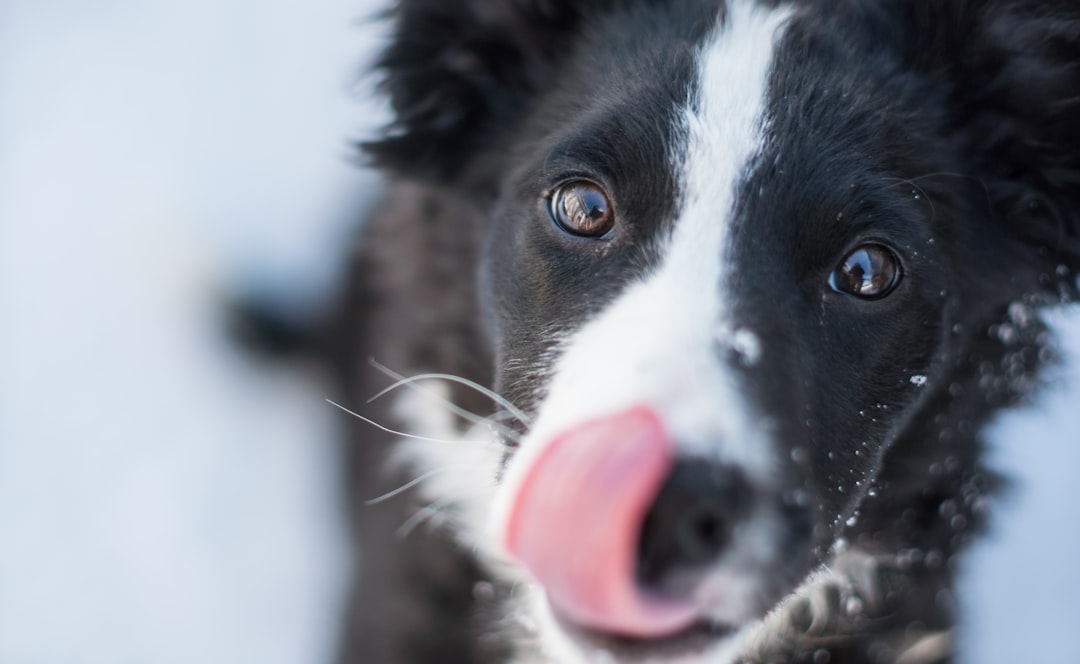
Dogs have been our faithful companions for thousands of years. And yet, we still find ourselves mystified by their behaviors all the time. One such behavior is licking, a seemingly simple act that holds a world of meaning. As dog lovers, don’t we all wish to understand more what a small lick from our best friend means? After all, understanding the language of licks can deepen the bond we share with our furry friends. Dogs use licking as a form of communication, expressing everything from affection to anxiety. But does it indicate something more? Let us now look into the intricate world of canine licking and what it reveals about our beloved pets.
The Origin of Licking as a Communication Tool

Licking is an instinctual behavior for dogs, tracing back to their wild ancestors. In the wild, wolf pups lick their mothers’ faces to stimulate regurgitation of food, a behavior that ensures their survival. Over time, this action evolved into a form of communication, signaling subservience or affection. Modern dogs have retained this behavior, using it to strengthen social bonds within their pack, which includes their human family. By understanding its origins, we can better interpret the messages our dogs convey through licking.
Affection and Bonding

When a dog licks you, it’s often their way of saying “I love you.” This gesture is akin to a human hug or handshake, reinforcing the bond between you and your canine companion. Dogs also lick each other to show affection and maintain social harmony. It’s their way of nurturing relationships and expressing care. When your dog showers you with licks, it’s a testament to the trust and love they feel for you, a silent yet powerful communication that strengthens your bond.
Seeking Attention
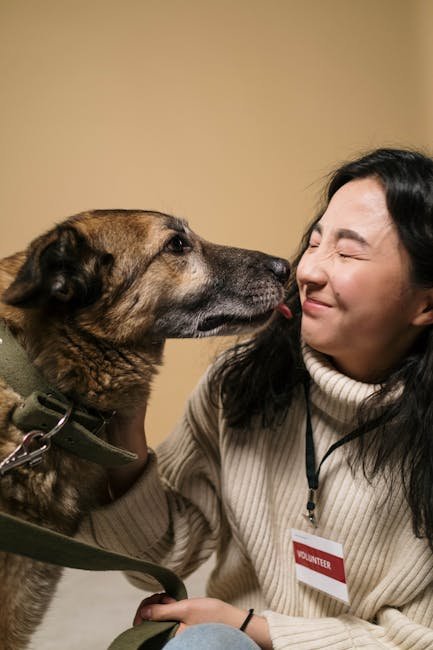
Licking can be a dog’s way of capturing your attention. Imagine a child tugging at your sleeve—dogs use licks in a similar manner. If your dog is feeling neglected or wants to play, they may resort to licking to draw your focus. This behavior is especially common in dogs who crave interaction and stimulation. By responding positively to their licks, you reinforce their behavior, making it an effective communication tool for them.
Exploration and Taste
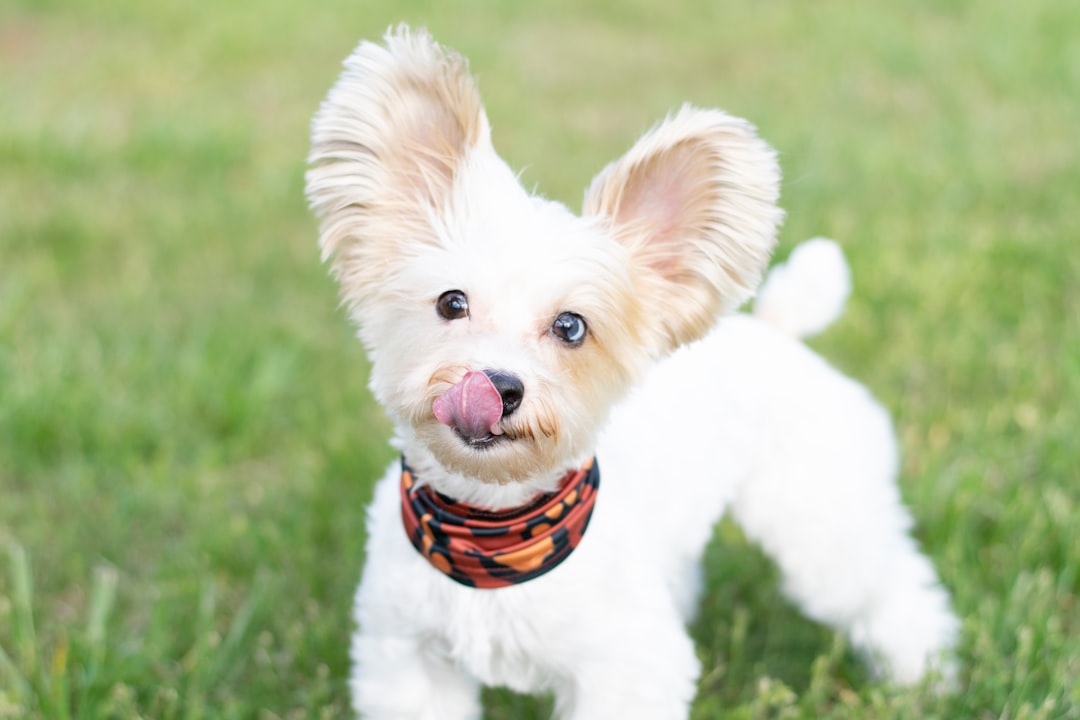
Dogs explore their world primarily through scent and taste. Licking is an extension of this exploratory behavior. Your skin carries a myriad of scents and tastes, from the remnants of your lunch to the saltiness of your sweat. For dogs, licking is a way to gather information about their environment and the people in it. This behavior is particularly pronounced in puppies, who are still learning about their surroundings and the creatures they share it with.
Anxiety and Stress Relief
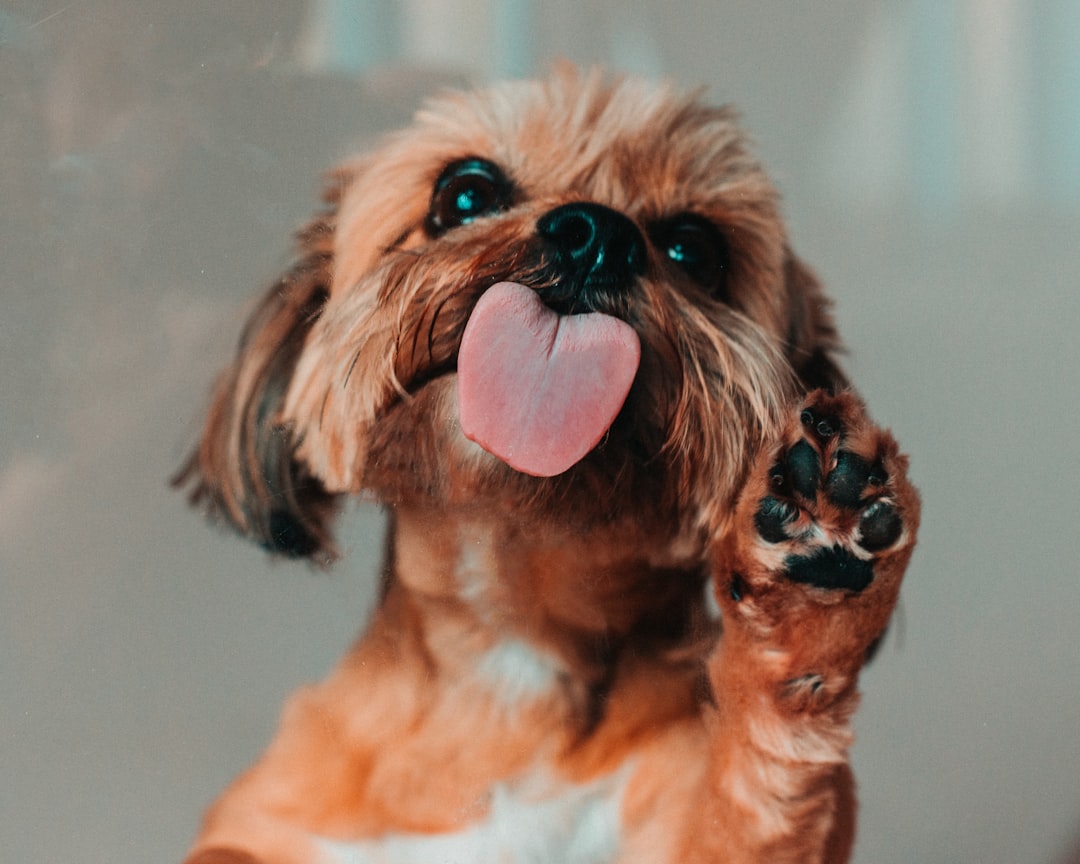
Much like humans biting their nails or twirling their hair, dogs may lick as a way to cope with stress. Licking releases endorphins, the body’s natural feel-good chemicals, providing a calming effect for anxious dogs. If your dog is licking excessively, it might be a sign of underlying stress or anxiety. Addressing the root cause of their distress, whether it be separation anxiety or environmental changes, can help reduce this behavior.
Submission and Respect
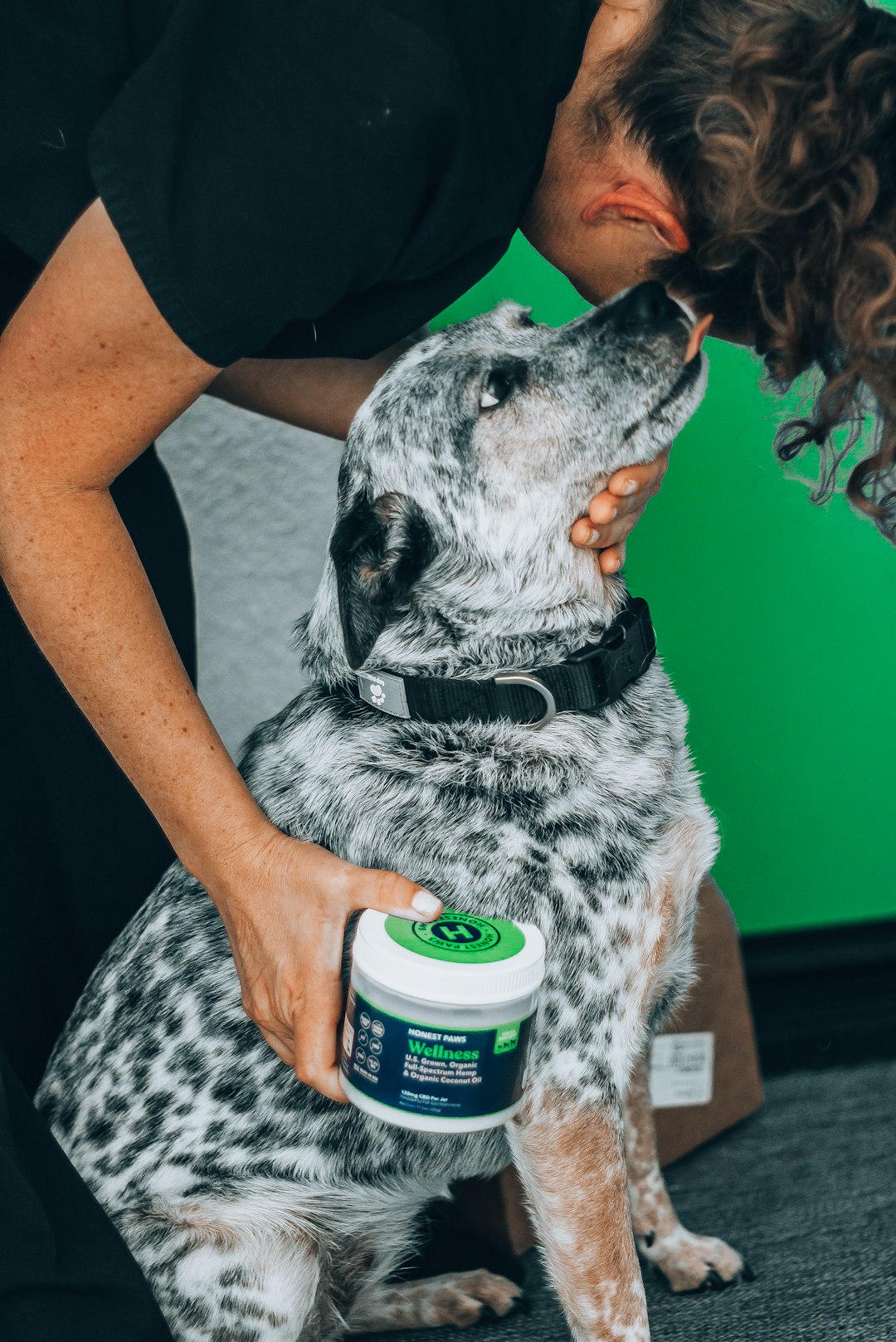
In the canine world, licking is also a sign of submission and respect. Dogs often lick the faces of more dominant members of their pack to demonstrate deference. When your dog licks you, it might be their way of acknowledging your role as the leader of their pack. This behavior signifies trust and respect, indicating that your dog feels safe and secure in your presence.
Healing and Comfort
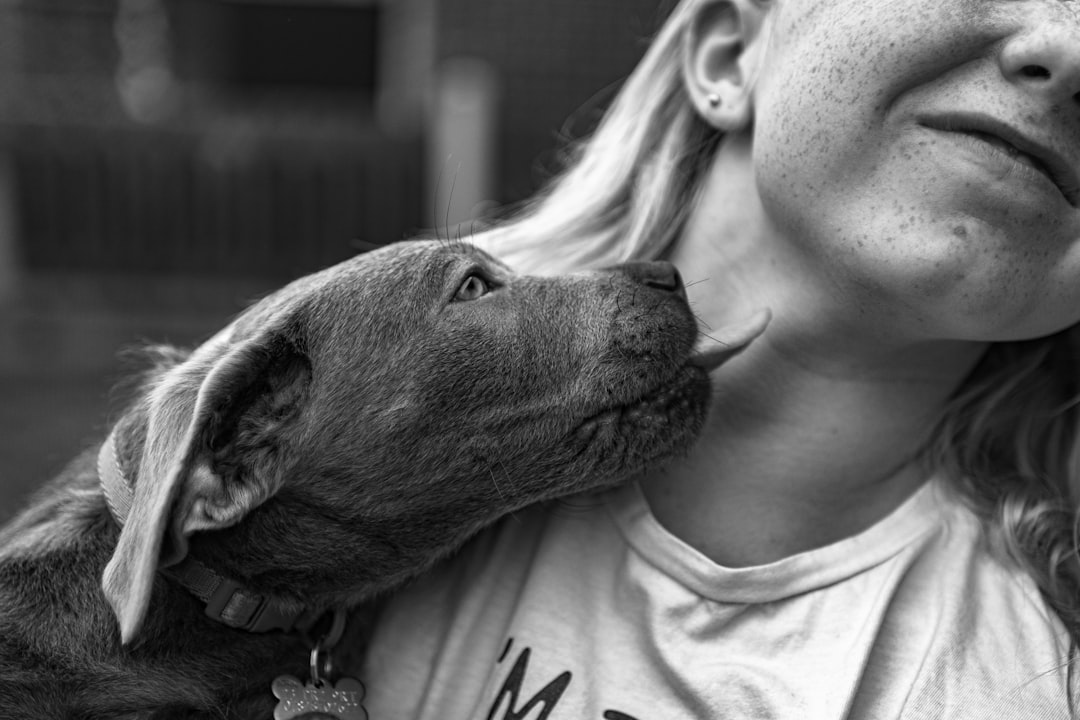
Dogs have an innate ability to sense when their loved ones are in pain. Licking can be their way of providing comfort and attempting to heal wounds, both physical and emotional. The saliva of dogs contains enzymes that have mild antibacterial properties, which is why they instinctively lick their own wounds. When your dog licks you during times of distress, it’s their way of offering solace and support.
A Sign of Hunger
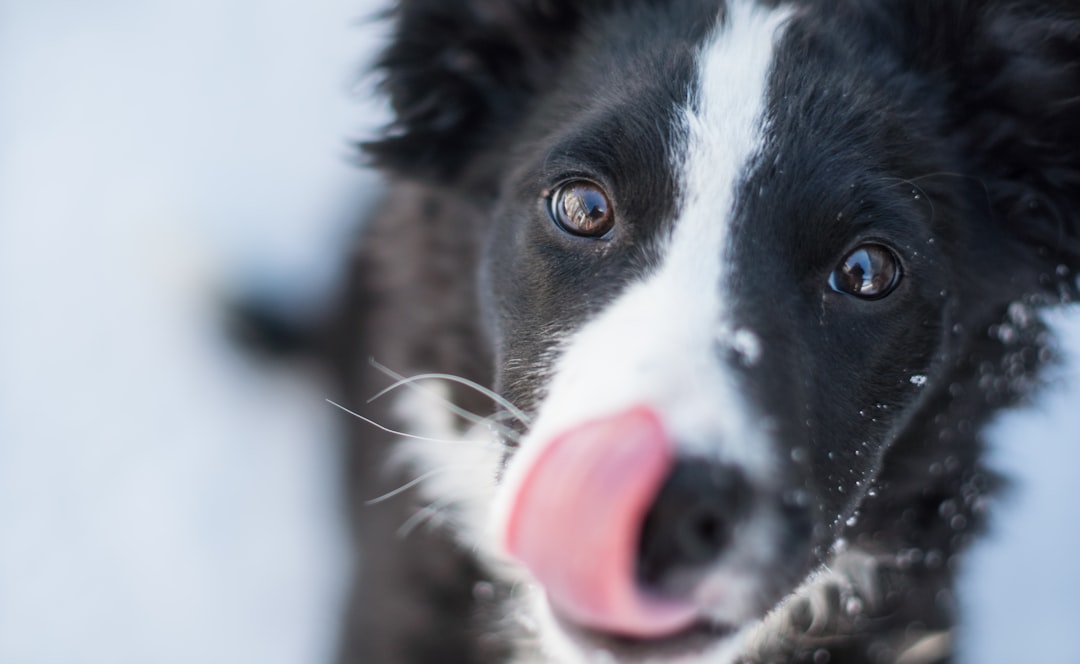
Sometimes, licking can simply indicate that your dog is hungry. Just as a baby might cry when they’re ready for a meal, a dog might lick you to express their need for food. This behavior can be especially pronounced if you’ve just eaten or if there are food remnants on your skin. Recognizing this cue can help address your dog’s nutritional needs and ensure they’re well-fed and content.
Grooming and Cleanliness
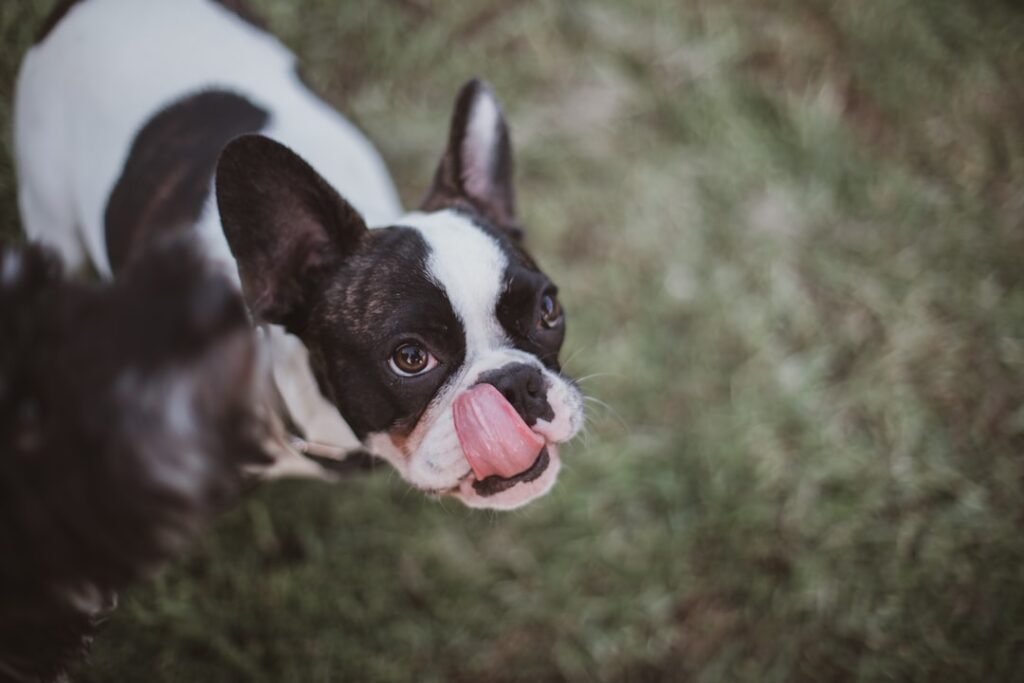
Dogs are naturally clean animals, and licking is part of their grooming ritual. They use their tongues to clean themselves and their pack members. When your dog licks you, it might be their way of helping you stay clean, just as they would with their fellow canines. This behavior is rooted in their instinct to care for their pack, reinforcing the social bonds that keep them connected.
Conclusion: Embracing the Language of Licks
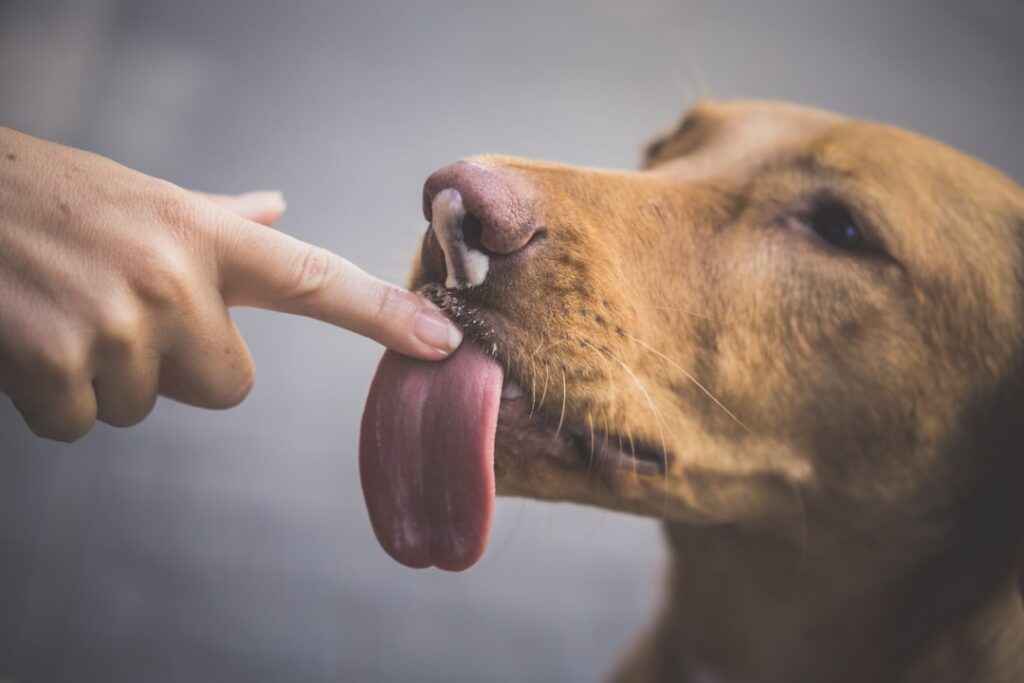
Now that we understand the language of licks, we can actually see how it enriches the relationship between humans and dogs. Each lick tells a story, revealing insights into your dog’s emotions, needs, and desires. All dog lovers and owners should take it as their responsibility to pay attention to this unique form of communication. With proper understanding, you can respond more effectively to your dog’s cues and foster a deeper bond built on trust and understanding. Whether it’s a lick of love, a plea for attention, or a gesture of respect, your dog’s licks are a testament to the unspoken connection that truly unites you.


