
Picture this: You’re curled up on the couch with your dog, scratching behind their ears, when suddenly a low rumble emerges from their chest. Your heart skips a beat. Did you just do something wrong? Is your sweet pup about to bite?
Here’s the thing most people don’t realize. That sound you just heard is probably the most honest communication your dog can offer you. Growling is a complex vocalization that also occurs in other situations beyond what we typically assume. It’s not always about aggression or anger. Sometimes it’s a warning, a boundary, even an invitation to play.
Let’s be real, we’ve all been taught to fear that sound. Society tells us growling equals danger, and our instinct is to shut it down immediately. Yet punishing a growl can be one of the worst mistakes you make with your dog. So let’s dive into what your dog is really trying to tell you.
Not All Growls Are Created Equal
Dog growling is simply a method of communication – it’s your dog trying to tell you something. Dogs growl to communicate lots of different things, from fear and aggression to encouraging play. Think about it like this. Humans use the same word “fine” to mean totally different things depending on tone and context. Your dog’s growls work the same way.
The sound might seem similar to your ears, but the message behind it can vary wildly. Learning to recognise the circumstance of each growl will help you to identify what it is your dog is trying to say. Those sounds may seem similar to us, but it’s all about context! One growl could mean your pup is having the time of their life during a game of tug. Another could signal fear or discomfort.
I know it sounds confusing. Honestly, the more you spend time observing your individual dog, the easier it becomes to decode their unique vocal language. Every dog has their own “voice” and communication style.
The Happy Growler: When Rumbling Means Joy
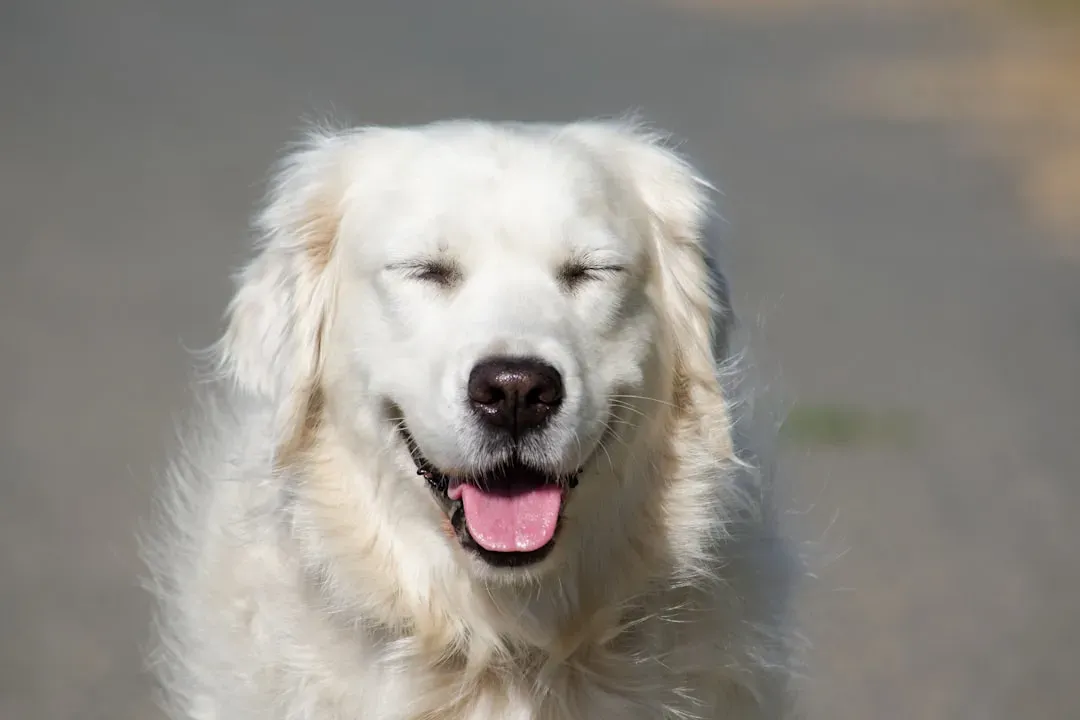
Believe it or not, some dogs are what we call “pleasure growlers.” Many dogs growl talk to communicate contentment or as a greeting. These types of growls simply indicate happiness. You might hear it during belly rubs, ear scratches, or when they’re settling in for a cozy nap next to you.
A dog’s happy growl (or pleasure growl) sounds relaxed but most importantly, it’s relatively clear from the situation your dog is in if they are emitting a pleasure growl: if they are having their belly rubbed or something else, they really enjoy! Look at their body language. Are their eyes soft? Is their body loose and wiggly? Those are your clues.
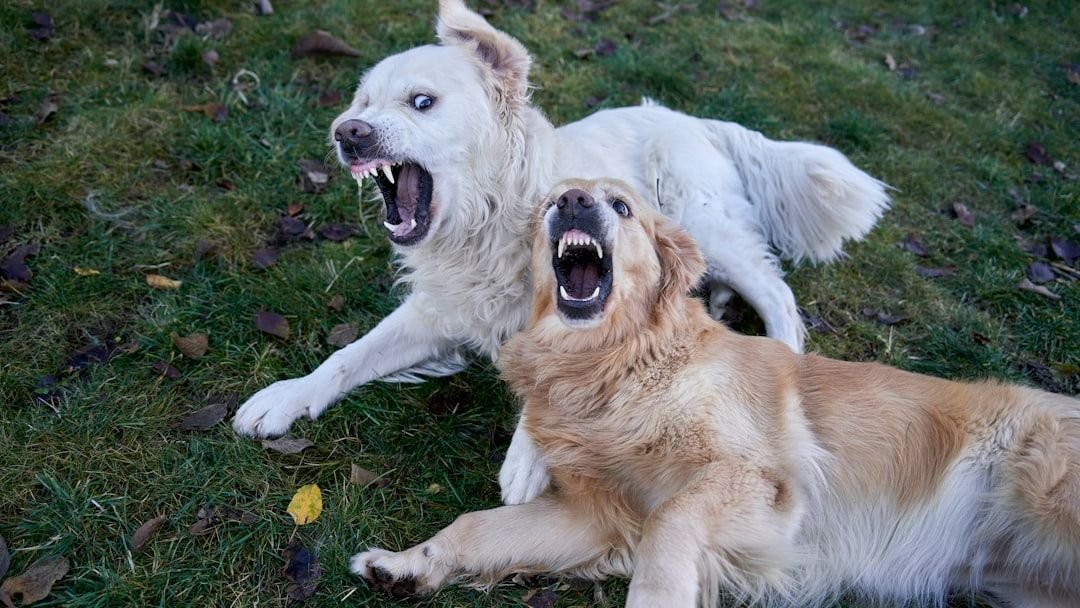
Play growling falls into this category too. In general dog play growls will sound higher pitched than other kinds of growling. They will also often be shorter and may be accompanied by body language like bounding motions, or your dog bending down onto their front legs, or raising their rear-end in the air (play bow).
During tug-of-war games, these sounds can seem downright ferocious to someone who doesn’t know better. The key is watching the rest of their body. Loose, bouncy, tail wagging in big sweeps? That’s pure joy, my friend.
Warning Growls: Your Dog’s Polite Request for Space
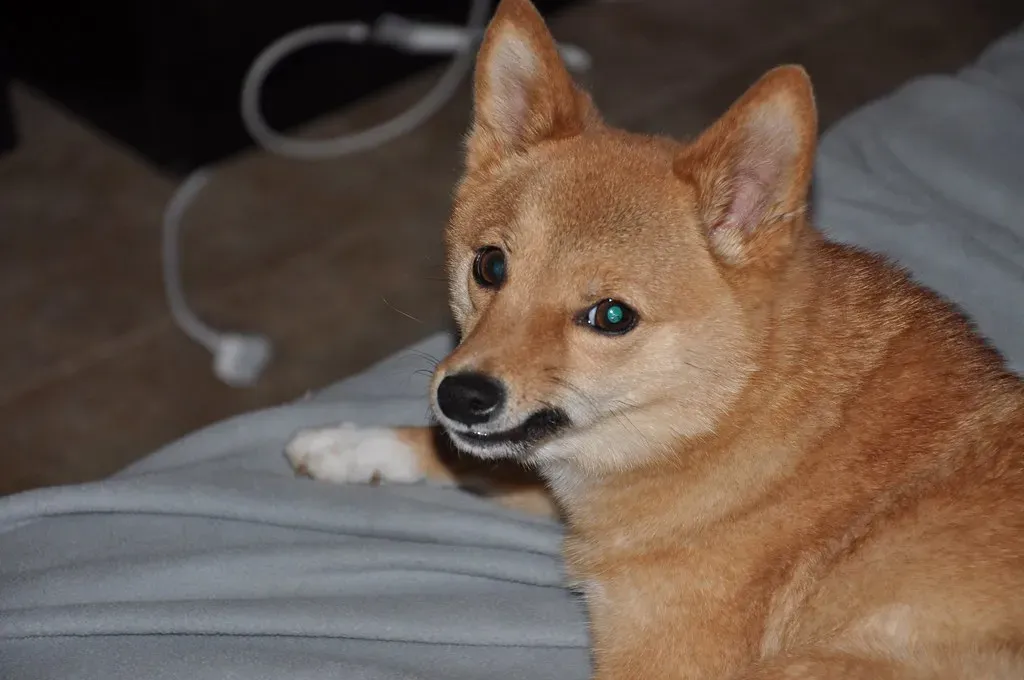
This is where growling gets its bad reputation. Stress growls are a warning signal. Their purpose is to tell others to back off before the dog is forced to take further action. Think of it like your dog saying “Hey, I’m uncomfortable here, can we change this situation?”
This is often a ‘last resort’ signal before resorting to a nip or bite when a dog feels that their other more subtle body language signals have been ignored. Most dogs don’t want to escalate. They’d much rather you just listen the first time they ask.
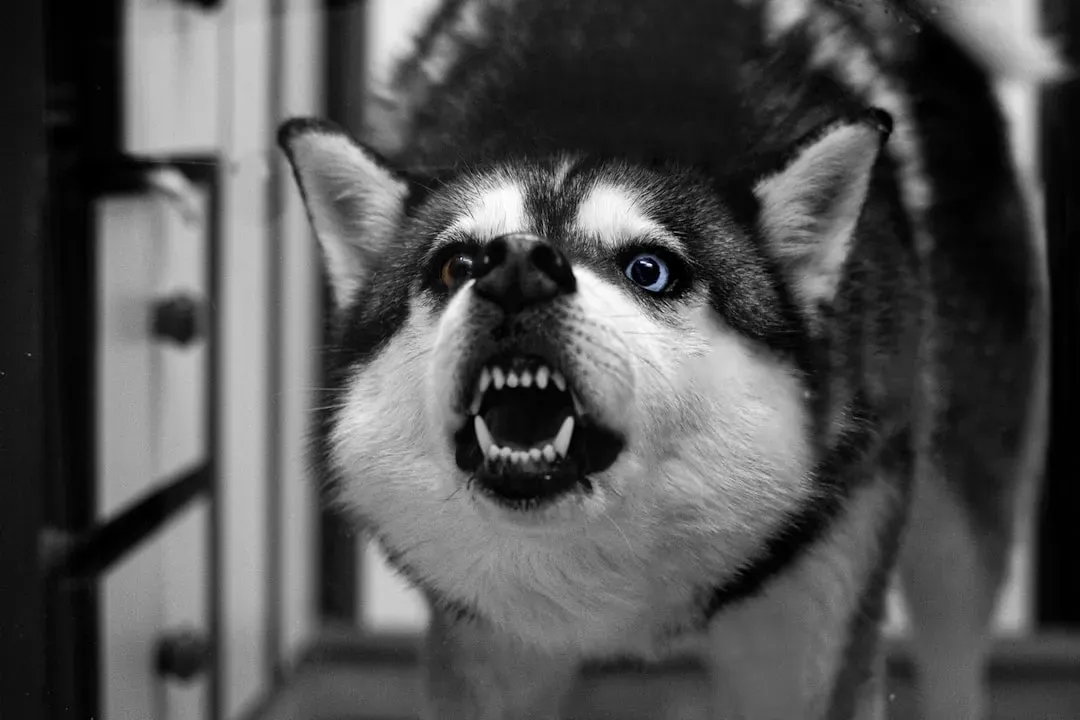
Warning growls might happen when someone approaches their food bowl, when they’re feeling cornered, or when a stranger gets too close. A stiff body, a tail held high, maybe wagged but in a tense manner, wide eyes, ears back, lips pulled back, teeth bared – all these add up to a dog who really wants this situation to stop, now!
Here’s what many people miss. Often this type of growl arises from fear and not aggression. Your dog isn’t being mean or dominant. They’re scared or overwhelmed, and they’re using their words to tell you about it before things get worse.
Why You Should Never Punish a Growl
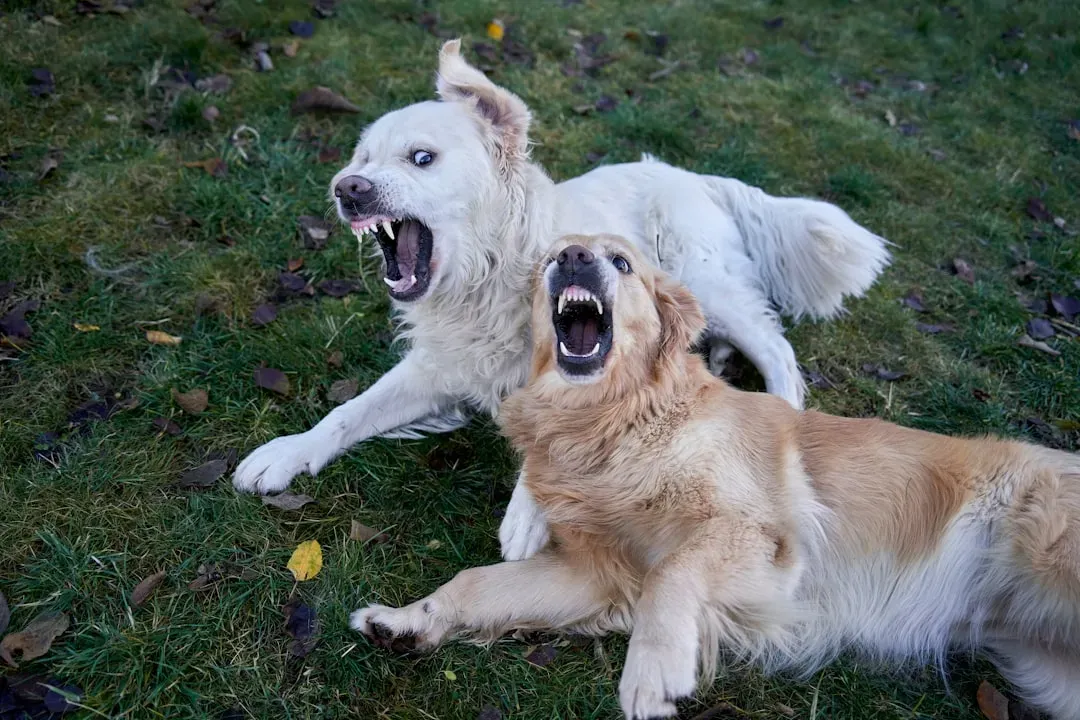
This part is critical, so please pay attention. If you punish your dog for growling, you will only inhibit growling. You won’t have done anything to address the underlying issue. You’re essentially teaching your dog to skip their warning system and go straight to biting.
When you physically punish your dog for growling, it may lead to further aggression with your dog baring their teeth, lunging, snapping, or even biting. The punishment may also reinforce your dog’s underlying fear or anxiety. Imagine being punished every time you tried to say “this hurts” or “I’m scared.” That’s what it feels like for your dog.
The consequences can be serious. Others who have been punished for growling in the past might also go straight to a nip or bite. You’re removing their ability to communicate discomfort, which puts everyone at risk.
Instead of punishment, view a growl as valuable information. And that’s invaluable. Now you can intervene on your dog’s behalf and change the situation before your dog feels the need to resort to more serious measures like biting. It’s like your dog’s check engine light, telling you something needs attention.
What To Do When Your Dog Growls
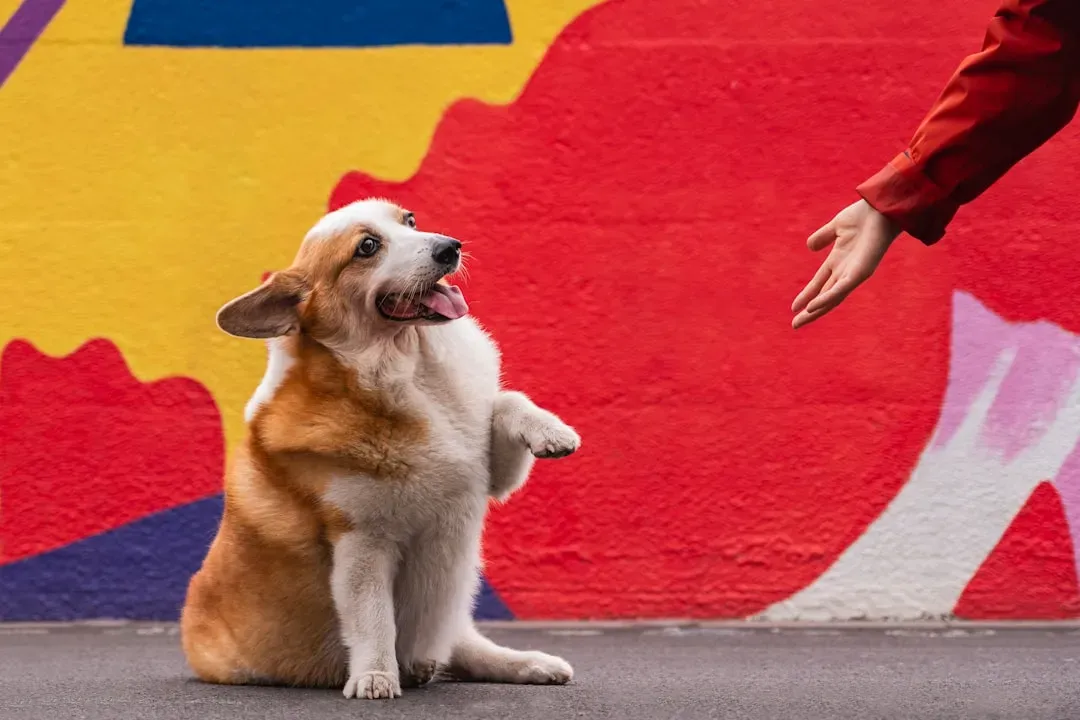
So your dog just growled. Now what? First, stop what you’re doing immediately. The best thing you can do in the moment is simple: stop, observe, and back off. Dog growling is your early warning system. Give your dog space and remove them from whatever triggered the growl.
Take mental notes about what happened. What was going on right before the growl? Who was nearby? What were you doing? These patterns matter. The most effective way to deal with growling is to determine what’s bothering your dog and then treat that underlying issue. First, determine what specifically led to the growling.
When your dog growls, acknowledge the growl and redirect your dog to perform more desirable behaviors. Next, as the stranger walks by, have your dog focus their attention on you by asking them to perform a command (like “look” or “touch”). You’re building a new, positive association with whatever triggered their discomfort.
If growling becomes frequent or escalates, reach out for professional help. If your dog continues to growl, refuses to take rewards, appears fearful and anxious, or escalates their behavior to barking, lunging, and biting, take them to a veterinarian for an exam. Sometimes medical conditions can cause a dog to growl and not want to interact with their environment. Pain can absolutely cause sudden growling behavior.
Learning to understand your dog’s growls takes time, patience, and a willingness to see things from their perspective. These sounds aren’t threats to your authority or signs of a “bad dog.” They’re honest communication from an animal who trusts you enough to tell you when something’s wrong.
The next time your dog growls, take a breath. Listen to what they’re trying to say. Watch their body language. Ask yourself what might be bothering them. By respecting their communication instead of silencing it, you’re building trust and keeping everyone safer. Your dog is talking to you. The question is, are you really listening? What has your experience been with understanding your dog’s growls?


